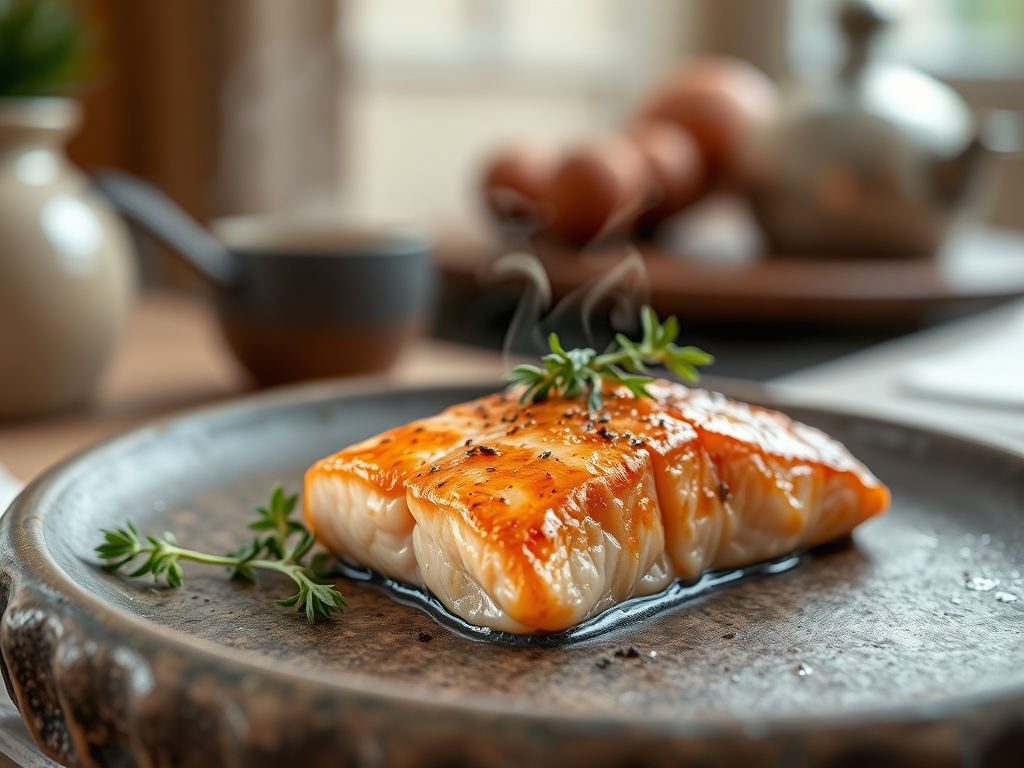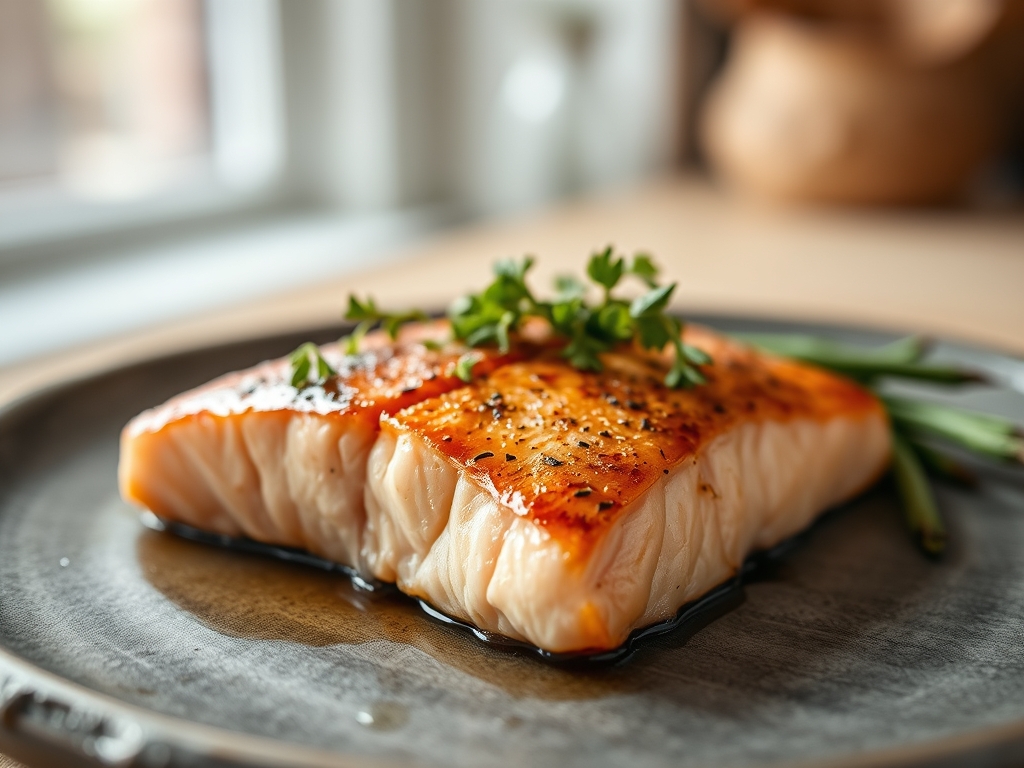
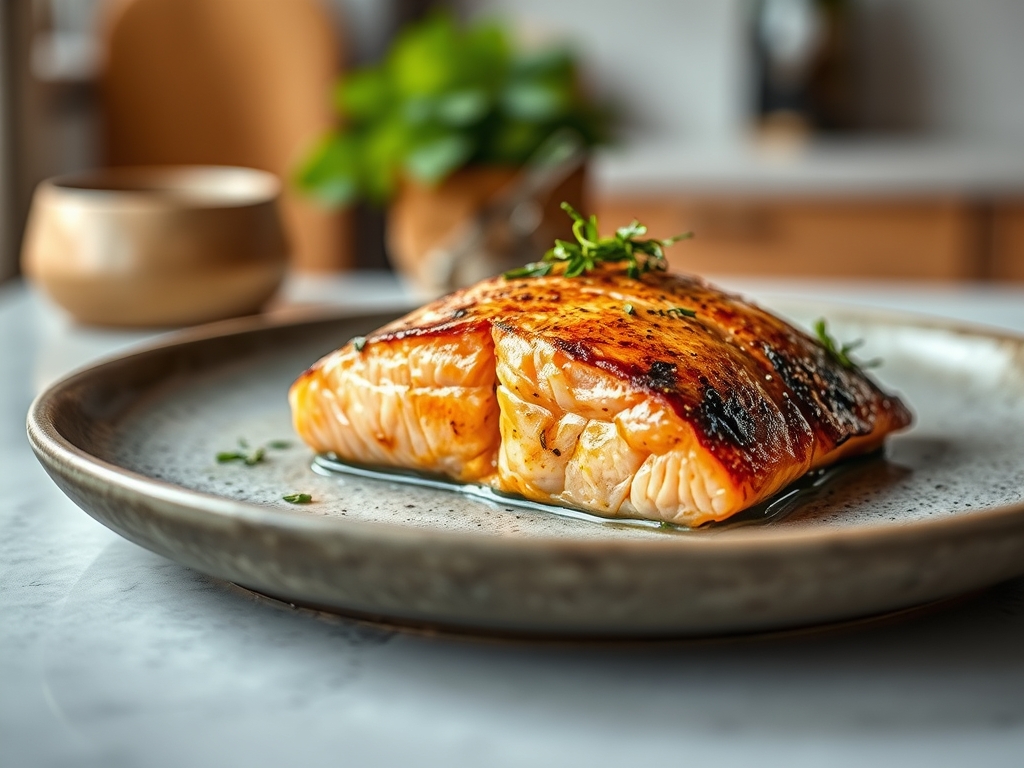
Picture a piece of Atlantic salmon hitting a scorching heavy-bottomed skillet; the sound is a high-pitched sizzle that signals the immediate release of aromatic compounds. That signature crust, balanced by a buttery, translucent center, is the hallmark of the most coveted bonefish grill salmon recipes. We are not just cooking dinner tonight; we are engineering a restaurant-grade sensory experience in your own kitchen.
To replicate that iconic Florida-born flavor profile, we have to master the intersection of high-heat searing and delicate citrus-butter emulsification. Most home cooks struggle with the "white stuff" (albumin) weeping out of the fish or a skin that sticks to the pan like glue. We are going to fix that using thermal physics and proper surface tension. Whether you are craving the classic wood-grilled finish or the decadent lime-tomato garlic sauce, these six variations will elevate your weeknight rotation into a professional culinary showcase. Grab your apron and a glass of crisp Sauvignon Blanc; we are diving deep into the chemistry of the perfect sear.
The Gathers:
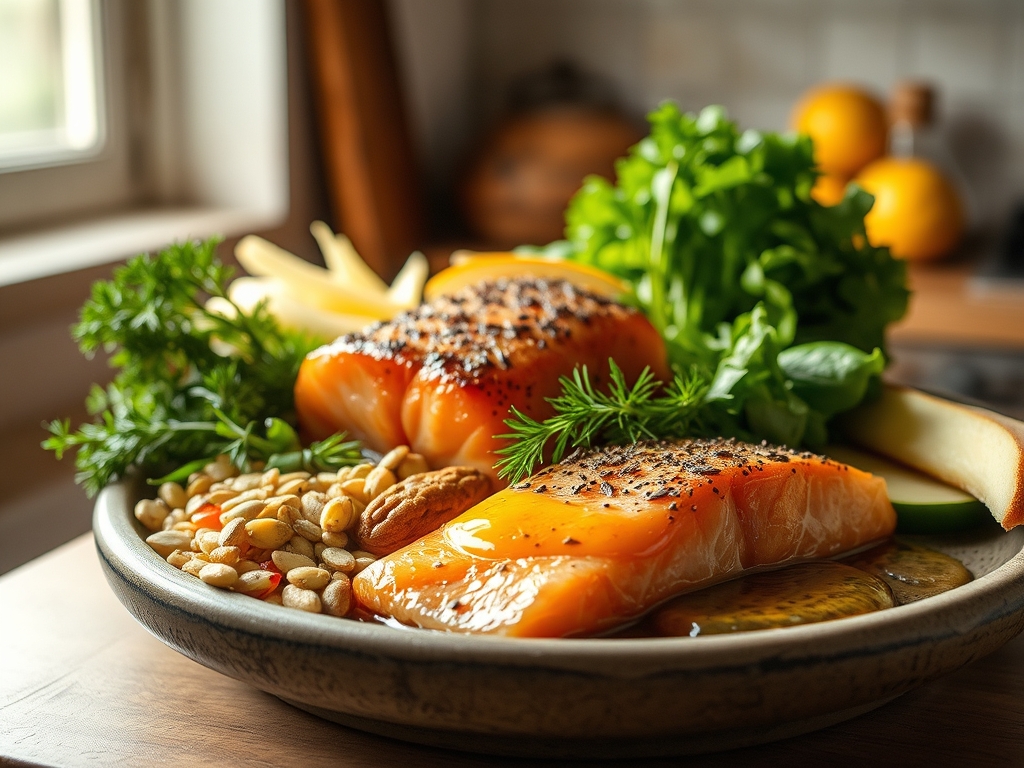
Before we ignite the burners, your mise-en-place must be surgical. We are looking for six center-cut fillets, ideally six to seven ounces each. Precision matters here; use a digital scale to ensure uniform thickness so the thermal energy penetrates each fillet at the same rate. You will need high-quality fats with high smoke points, such as avocado oil or clarified butter, to facilitate the Maillard reaction without scorching.
For the signature sauces, gather fresh limes for their piquant acidity, cold unsalted butter for a stable emulsion, and fresh garlic to infuse the oil. Use a microplane to zest your citrus; this tool captures the essential oils in the flavedo without hitting the bitter white pith. If you are looking for smart substitutions, swap heavy cream for full-fat coconut milk to maintain a viscous texture while keeping it dairy-free. If you cannot find fresh dill, dried tarragon offers a similar anise-like complexity that pairs beautifully with the fatty acids in the fish.
The Clock
Efficiency in the kitchen is about "Chef's Flow," which is the logical sequencing of tasks to minimize downtime. Your prep phase should take exactly fifteen minutes. This includes patting the salmon bone-dry to remove surface moisture, which is the enemy of a crisp sear. The cooking phase is a swift eight to ten minutes.
The secret to the bonefish grill salmon recipes timeline is the resting period. You must factor in a three-minute rest post-heat. During this time, the internal temperature will climb by about five degrees due to thermal carryover. If you plate immediately, the juices will evacuate the muscle fibers, leaving you with a dry result. Total time from fridge to table is under thirty minutes, making this a high-yield, low-effort masterpiece.
The Masterclass
1. The Surface Preparation
Begin by using a bench scraper to clear your workspace, then pat the salmon fillets with paper towels until they are tacky to the touch. Season aggressively with kosher salt and cracked black pepper from at least twelve inches above the fish to ensure even distribution.
Pro Tip: Salt acts as a humectant. If you salt too early, it draws moisture to the surface via osmosis. Salt immediately before the fish hits the pan to ensure the skin remains crisp and the proteins do not toughen.
2. Achieving the Perfect Sear
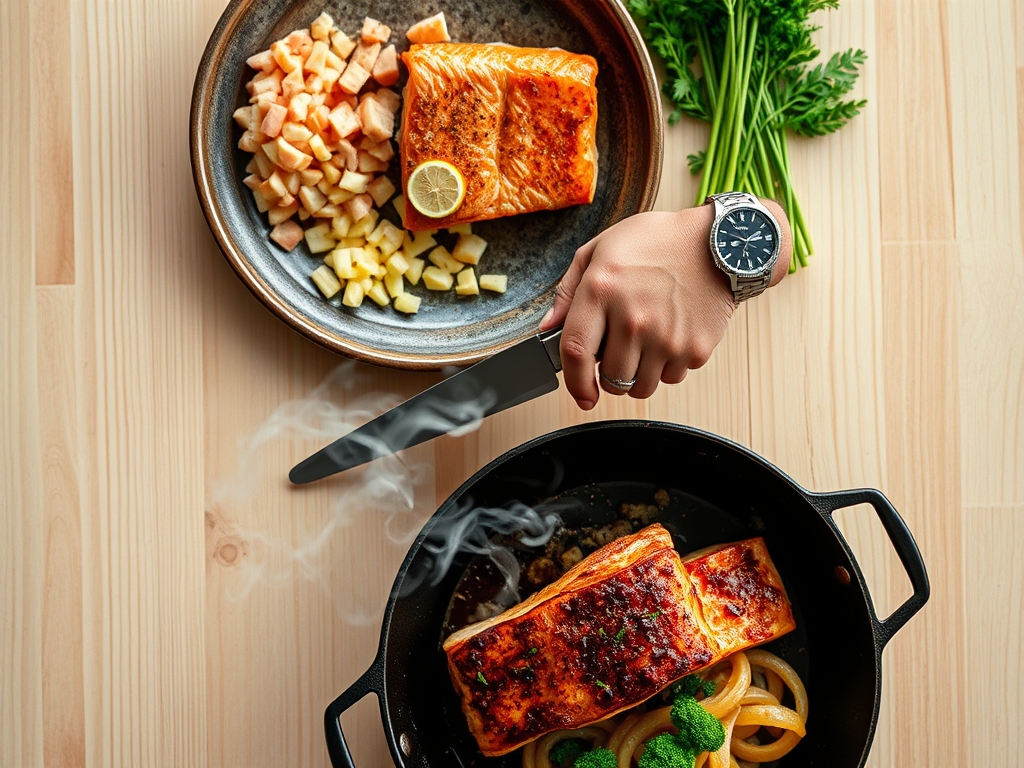
Heat your heavy-bottomed skillet over medium-high heat until the oil shimmers and barely begins to smoke. Place the fillets skin-side down using stainless steel tongs, pressing firmly for ten seconds to prevent the skin from curling as the collagen fibers contract.
Pro Tip: This is the Maillard reaction in action. The heat triggers a chemical reaction between amino acids and reducing sugars, creating hundreds of flavor compounds and that characteristic golden-brown crust.
3. The Gentle Flip
Once the salmon releases naturally from the pan (usually after four minutes), use a fish spatula to flip it gently. The flesh should be opaque about halfway up the side of the fillet. Reduce the heat slightly to prevent the delicate fats from oxidizing.
Pro Tip: Avoid "pan-fiddling." Every time you move the fish, you drop the surface temperature of the pan, which leads to steaming rather than searing. Trust the heat.
4. The Butter Baste and Infusion
Drop a knob of cold butter, two smashed garlic cloves, and a sprig of thyme into the pan. As the butter foams, tilt the skillet and use a large spoon to continuously bathe the salmon in the hot, aromatic fat.
Pro Tip: This technique, known as "arrosé," uses the fat to deliver heat to the nooks and crannies of the fish while simultaneously infusing it with fat-soluble flavor compounds from the aromatics.
5. Deglazing for the Sauce
Remove the salmon to a warm plate. Increase the heat and add a splash of dry white wine or citrus juice to the pan. Use a whisk to scrape up the "fond," which are the caramelized browned bits stuck to the bottom.
Pro Tip: Deglazing captures the concentrated flavor trapped in the pan. The acidity in the liquid balances the richness of the fish oils, creating a harmonious palate.
6. The Final Emulsification
Turn off the heat and whisk in small cubes of cold butter one at a time until the sauce is thick and glossy. This creates a mounting (monter au beurre) effect that provides a luxurious mouthfeel without the sauce breaking.
Pro Tip: Keeping the butter cold is essential. The milk solids and fats emulsify more slowly, creating a stable, viscous coating that clings to the salmon rather than sliding off.
The Deep Dive
From a nutritional standpoint, these bonefish grill salmon recipes are powerhouses of Omega-3 fatty acids, which support heart health and cognitive function. A standard six-ounce serving provides roughly 34 grams of high-quality protein and zero carbohydrates, making it a staple for keto and paleo lifestyles.
For dietary swaps, vegans can apply these searing techniques to thick slabs of cauliflower or "tofu steaks," though the cooking times will vary. If you are gluten-free, ensure your deglazing liquid is a pure wine or broth, as some pre-packaged sauces use flour as a thickener.
The Fix-It:
- Fish is sticking: You likely tried to flip it too early. The proteins will naturally "release" from the metal once the crust is fully formed.
- Albumin (white gunk) appears: This means the heat was too high, causing the muscle fibers to contract too violently and squeeze out the protein. Lower your flame.
- Soggy skin: You didn't dry the fish enough or the pan wasn't hot enough. Use a cast-iron skillet for better heat retention.
Meal Prep: To reheat salmon without it turning into rubber, avoid the microwave. Place it in a 275-degree oven with a teaspoon of water and cover it tightly with foil. This creates a gentle steam environment that rehydrates the proteins.
The Wrap-Up
Mastering bonefish grill salmon recipes is less about following a script and more about understanding the behavior of heat and fat. Once you nail the sear and the emulsified sauce, you have a culinary foundation that works for any fatty fish. Go ahead and flaunt those restaurant-quality grill marks; your kitchen is now the hottest table in town.
The Kitchen Table
Why does my salmon always stick to the pan?
Sticking usually occurs because the pan isn't hot enough or the fish is too damp. Ensure the oil is shimmering and the skin is bone-dry. Let the protein sear until it naturally releases from the surface.
What is the white stuff that leaks out of salmon?
That is albumin, a harmless protein. It appears when salmon is cooked too quickly at high temperatures, causing muscle fibers to contract and push the protein out. Cook at a slightly lower heat to minimize this.
Can I make these recipes with frozen salmon?
Yes, but thaw it completely in the refrigerator first. Pat it exceptionally dry with paper towels, as frozen fish tends to release more moisture, which can interfere with achieving a crisp, golden-brown crust.
How do I know when the salmon is perfectly done?
The salmon is done when it reaches an internal temperature of 125 to 130 degrees Fahrenheit for medium-rare. The flesh should be opaque and flake easily with a fork while remaining moist in the center.
What is the best oil for searing salmon?
Use an oil with a high smoke point, such as avocado, grapeseed, or canola oil. These fats can withstand the high temperatures required for the Maillard reaction without breaking down or tasting burnt.