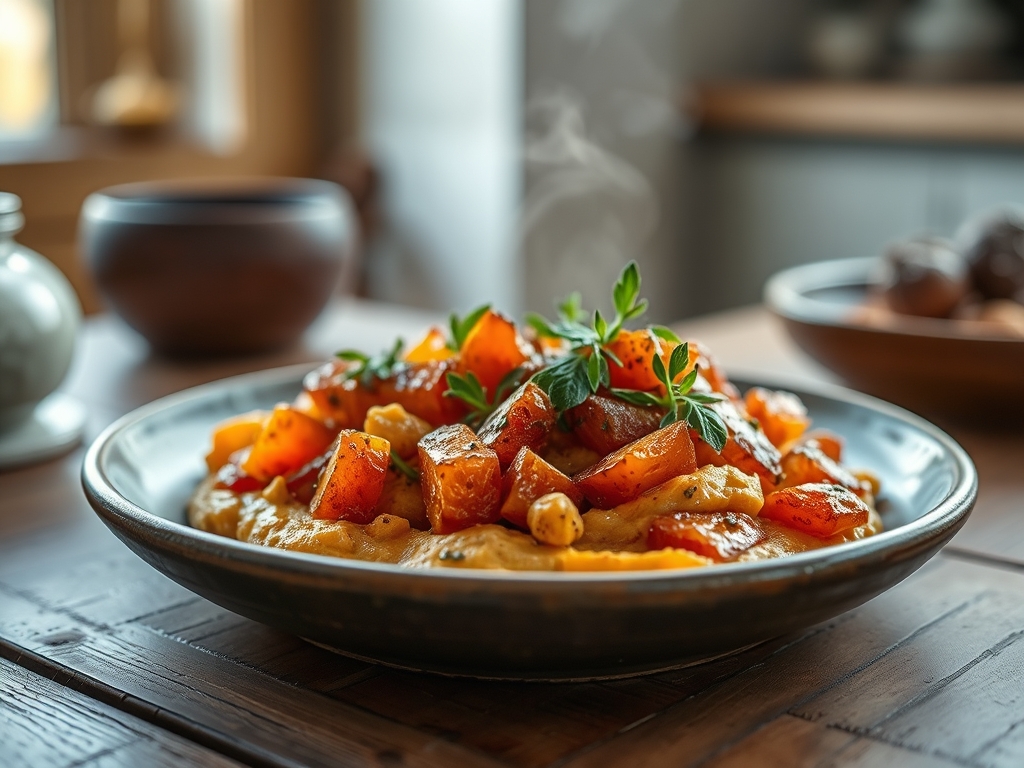
Imagine the scent of caramelized butter swirling through your kitchen as it hits the earthy, velvet base of a perfectly roasted tuber. We are not just making dinner side dishes; we are engineering a masterpiece. These candied mashed sweet potato recipes are the intersection of nostalgic comfort and high-level molecular gastronomy.
The secret to a truly elite mash lies in the sugar structure. When we talk about "candied" profiles, we are looking for that specific point where the natural fructose in the potato meets the complex notes of brown sugar and spice. It is a balancing act of pH levels and moisture control. If you have ever been disappointed by a watery, bland mash, it is because the starch granules were over-agitated or the sugar was added at the wrong temperature.
Today, we are diving into ten transformative hacks that will take your holiday table from standard to spectacular. We will use professional techniques to ensure your mash is airy, decadent, and structurally sound. Whether you are hosting a formal gala or a cozy Sunday dinner, these candied mashed sweet potato recipes will be the highlight of the night. Grab your apron; we are about to turn humble root vegetables into liquid gold.
The Gathers:
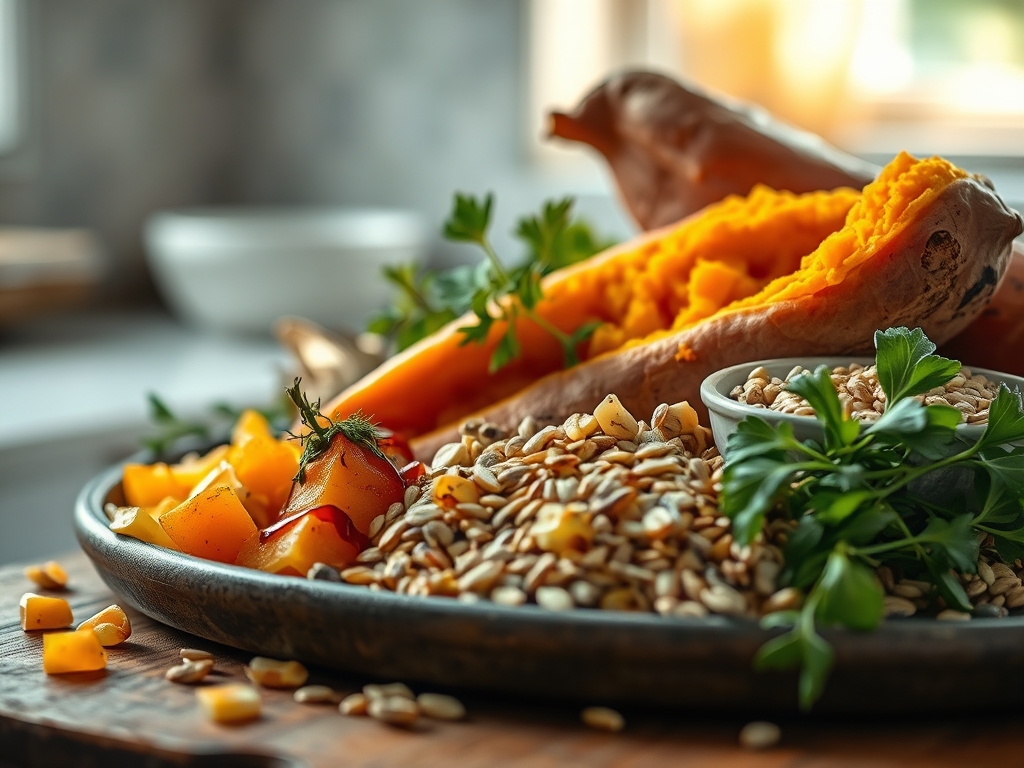
To achieve a professional-grade result, your mise-en-place must be precise. Start with four pounds of Beauregard or Jewel sweet potatoes. These varieties contain the optimal starch-to-sugar ratio for a smooth emulsification. You will also need high-fat European butter (at least 82 percent butterfat) to ensure a rich mouthfeel. For the "candied" element, we use a blend of dark brown sugar for its molasses content and pure maple syrup for its viscous texture.
Your spice rack should include freshly grated nutmeg, Ceylon cinnamon, and a pinch of Maldon sea salt to cut through the sweetness. For the "Smart Substitutions," you can swap the heavy cream for full-fat coconut milk to achieve a piquant tropical undertone. If you are looking for a lower glycemic index, replace the brown sugar with monk fruit sweetener and a teaspoon of blackstrap molasses. Always use a digital scale for your dry ingredients; baking and high-end cooking require the accuracy that volume measurements simply cannot provide.
The Clock:
Mastering the "Chef's Flow" is about managing your thermal energy. Total active prep time is 20 minutes, with a 45-minute roasting window. You want to avoid boiling the potatoes at all costs. Boiling leads to waterlogged cells and a diluted flavor profile. Instead, we roast them in their skins to concentrate the sugars through evaporative cooling.
While the potatoes roast, you will spend 10 minutes preparing your "flavor base" in a saucier. This involves melting the butter and infusing it with spices over low heat. Once the potatoes are out of the oven, the "blitz" happens. You have a five-minute window to peel and mash while the internal temperature is above 160 degrees Fahrenheit. This ensures the butter and sugars integrate into a stable colloidal suspension rather than just sitting on top of the mash.
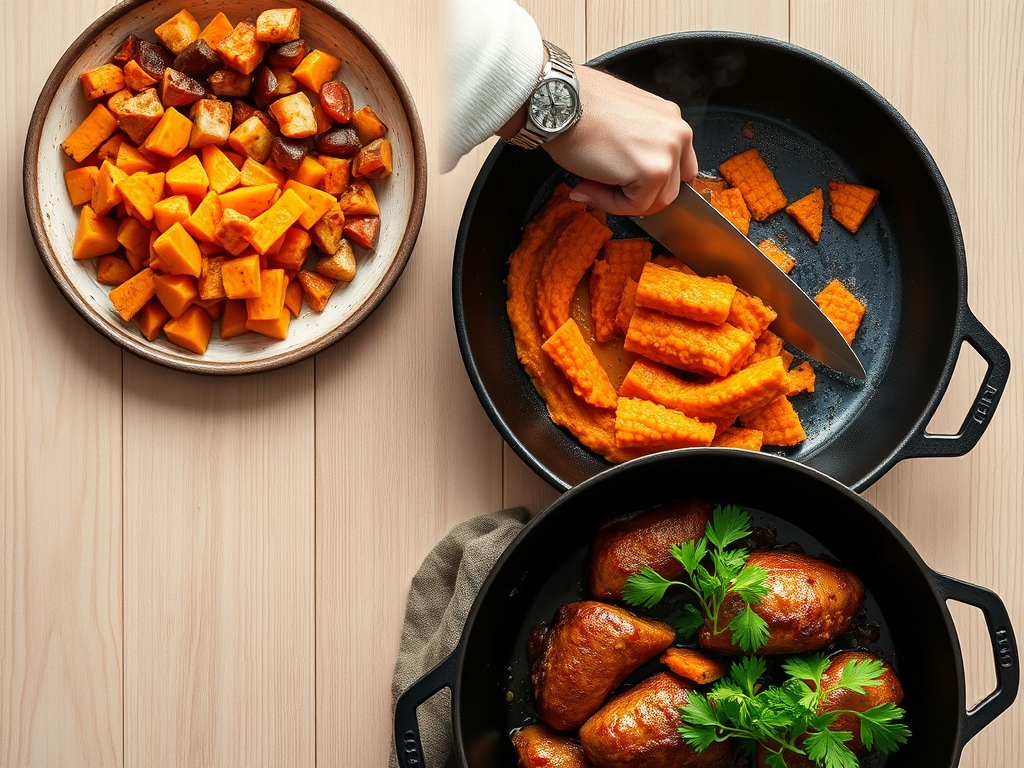
The Masterclass:
1. The Superior Roast
Instead of peeling and boiling, scrub your potatoes and roast them whole at 400 degrees Fahrenheit until the skins are charred and pulling away.
Pro Tip: This method utilizes the Maillard reaction on the skin, which infuses the flesh with a smoky, caramel-like depth that boiling simply washes away.
2. The Clean Peel
Use a bench scraper to hold the hot potato and a paring knife to gently pull back the skin. The skin should slip off in large sheets.
Pro Tip: Handling the potatoes while hot prevents the starches from retrograding, which ensures the final texture remains silky rather than gummy.
3. The Saucier Infusion
In a heavy-bottomed saucier, combine your butter, brown sugar, and spices. Heat until the sugar is fully dissolved and the mixture is bubbling slightly.
Pro Tip: Heating the spices in fat is called "blooming." It releases fat-soluble flavor compounds that would otherwise remain trapped in the spice's cellular structure.
4. The Aeration Phase
Pass your roasted potatoes through a food mill or a potato ricer into a large bowl. Avoid using a food processor, as the blades will shear the starch granules and create a gluey mess.
Pro Tip: Ricing the potatoes introduces air between the particles, creating a light, aerated texture that allows the candied sauce to coat every surface.
5. The Emulsion Fold
Slowly pour your hot butter mixture over the riced potatoes. Use a silicone spatula to fold the liquid in using a "figure-eight" motion.
Pro Tip: This technique creates a stable fat-in-water emulsion. By folding gently, you incorporate the fat without breaking the delicate starch structures you just created.
6. The Microplane Finish
Zest a fresh orange directly over the mash using a microplane. The citrus oils provide a bright contrast to the heavy sugars.
Pro Tip: Essential oils in citrus are highly volatile. Adding them at the very end ensures they do not dissipate from the heat before the dish reaches the table.
The Deep Dive:
From a macro perspective, sweet potatoes are a powerhouse of Beta-carotene and fiber. However, when we transform them into candied mashed sweet potato recipes, we are significantly increasing the caloric density via lipids and simple carbohydrates. To balance this, ensure you are using high-quality fats that provide satiety.
For dietary swaps, the "Vegan Velvet" version uses avocado oil and maple syrup, which creates a surprisingly rich profile. For "Keto-Adjacent" versions, use heavy cream and erythritol, though the texture will be slightly less viscous without the real sugar molecules.
The Fix-It:
- Too Runny: If your mash is soup-like, simmer it in a heavy-bottomed skillet over medium heat. This allows excess moisture to evaporate.
- Too Gummy: This usually means you over-worked the starch. Fold in a half-cup of hot, riced "plain" potato to dilute the gluey texture.
- Too Sweet: Add a teaspoon of apple cider vinegar. The acid will balance the sugar levels without changing the flavor profile.
Meal Prep: To reheat and maintain "day-one" quality, do not use a microwave. Place the mash in a baking dish, cover with foil, and heat at 300 degrees. This prevents the fats from rendering out and leaving the potatoes oily.
The Wrap-Up:
You are now armed with the scientific secrets to the ultimate candied mashed sweet potato recipes. By focusing on starch management and flavor infusion, you have elevated a simple side dish into a culinary event. Remember: the key is in the roast and the gentle fold. Go forth and dominate your next dinner party with your newfound potato prowess!
The Kitchen Table:
How do I prevent my sweet potatoes from becoming watery?
Always roast your potatoes whole in their skins instead of boiling them. Roasting allows moisture to evaporate, concentrating the natural sugars and creating a dense, velvety texture that holds the candied glaze perfectly without becoming runny.
Can I make candied mashed sweet potatoes ahead of time?
Yes. Prepare the recipe fully, then store it in an airtight container for up to three days. Reheat slowly in the oven at 300 degrees Fahrenheit with a splash of cream to restore the original creamy emulsification.
What is the best tool for mashing sweet potatoes?
For a professional, lump-free texture, use a potato ricer or a food mill. These tools break down the potato without over-working the starch, preventing the gummy, gluey consistency often caused by electric mixers or food processors.
Why does my mash taste bland despite the sugar?
You likely need more salt and acid. A heavy pinch of sea salt and a teaspoon of lemon juice or orange zest will brighten the flavors and highlight the complex notes of the brown sugar and spices.