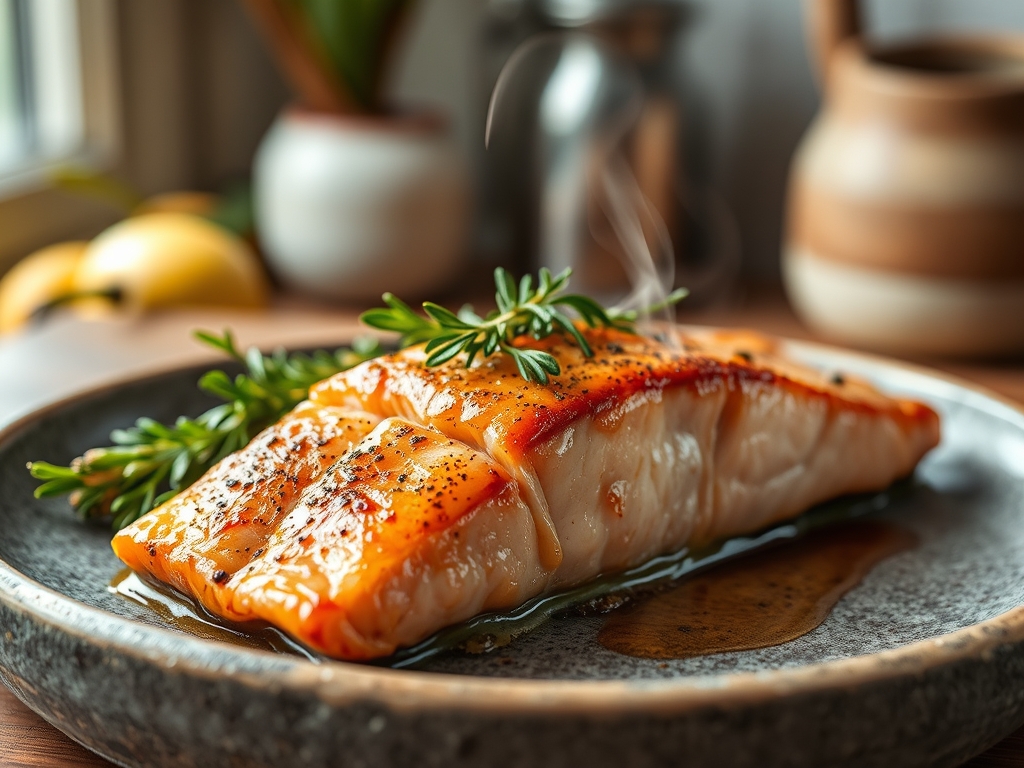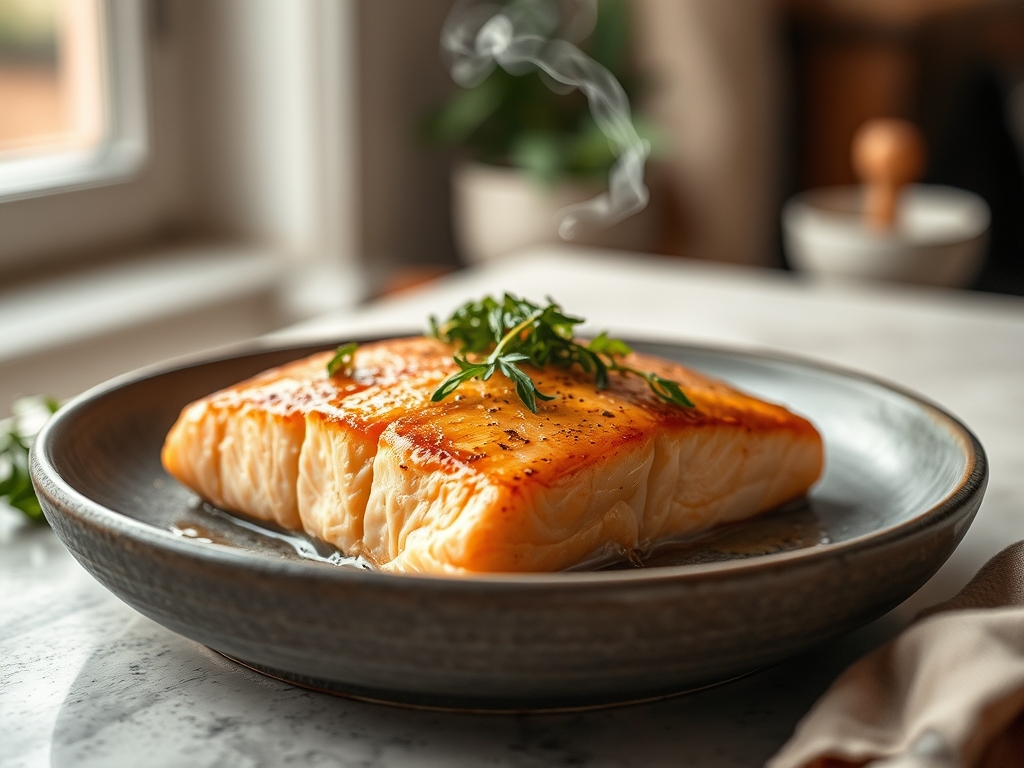
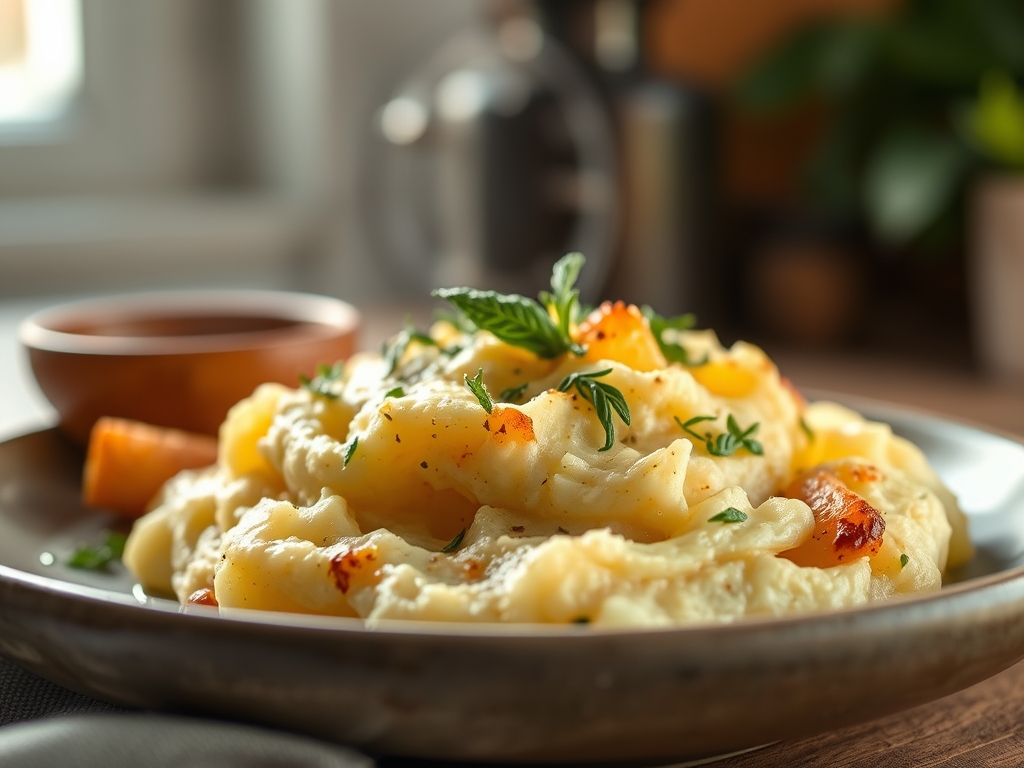
Imagine the velvet weight of a silver spoon sliding through a cloud of golden, butter-saturated starch. We are not talking about the gluey, bland mounds found at a school cafeteria. We are diving deep into the world of german mashed potato recipes where texture is king and the flavor profile is unapologetically rich.
German Kartoffelpuree is a masterclass in balance. It marries the earthy, rustic soul of the potato with a sophisticated, silk-like finish that demands attention. To achieve this, we have to respect the starch molecule. We are going to manipulate heat, fat, and friction to create a side dish that outshines the main course. Grab your apron; we are about to turn a humble tuber into a culinary masterpiece that would make any Michelin chef nod in silent approval.
The Gathers:
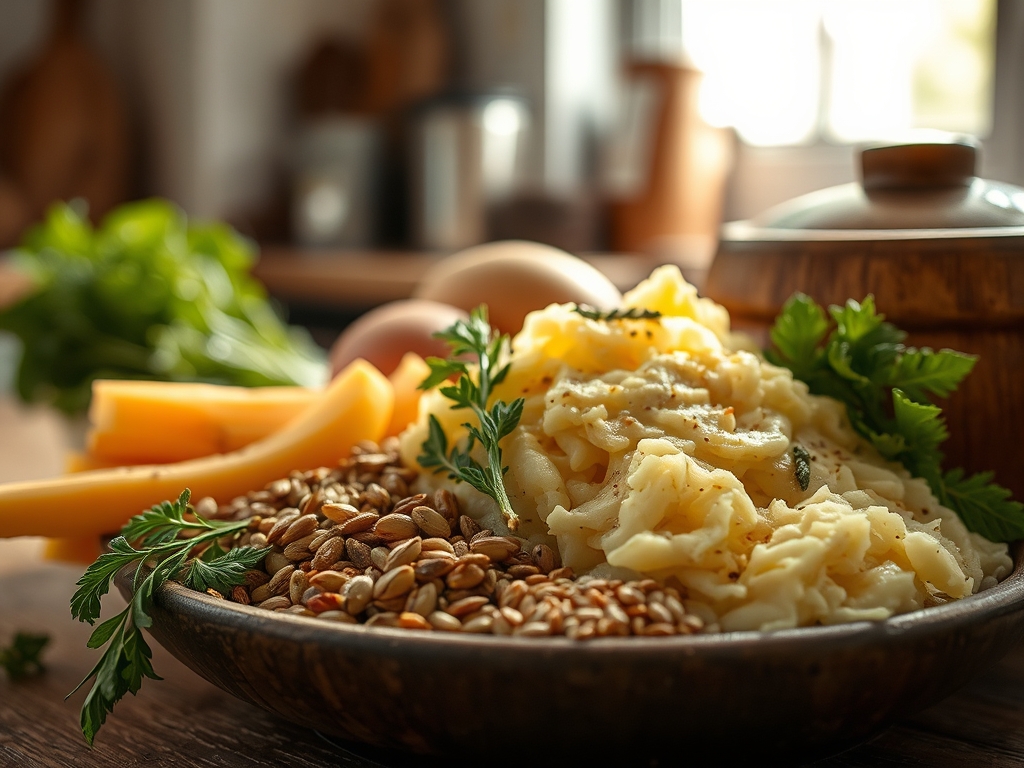
To execute these german mashed potato recipes with precision, your mise-en-place must be flawless. We start with the Yukon Gold potato. This variety is non-negotiable because its medium starch content offers a naturally buttery hue and a creamy cellular structure that resists the "gumminess" of russets. You will need a digital scale to measure exactly 1 kilogram of potatoes; precision prevents the dilution of seasoning later.
Next, gather your fats. We use high-quality European butter with at least 82 percent butterfat. This ensures a lower water content and a more viscous mouthfeel. For the liquid, heavy cream is standard, but the German secret lies in the addition of whole milk infused with aromatics. You will need fresh nutmeg (to be grated with a microplane), sea salt, and white pepper. White pepper is essential here; it provides a piquant heat without the visual distraction of black flecks.
Smart Substitutions:
If you are looking for a lighter profile, swap half the heavy cream for buttermilk to introduce a lactic tang. For a vegan adaptation, use a high-quality cashew cream and a vegan butter block that contains lecithin; this helps maintain the emulsification during the whipping process.
The Clock
Efficiency in the kitchen is about understanding "Chef's Flow." Total active preparation takes approximately 15 minutes, while the simmering process requires 20 to 25 minutes depending on the size of your dice.
The "Flow" begins with the cold-start boil. Never drop potatoes into boiling water; this causes the exterior to cook too fast while the interior remains raw. By starting in cold, salted water, you ensure even thermal penetration. While the potatoes simmer, use that time to warm your dairy in a saucier. Adding cold milk to hot potatoes is a cardinal sin that shocks the starch and ruins the texture.
The Masterclass
1. The Cold Start and Simmer
Peel your potatoes and cut them into uniform two-inch cubes. Place them in a large pot and cover with cold water by at least two inches. Add a generous tablespoon of salt. Bring to a boil, then reduce to a steady simmer.
Pro Tip: This technique prevents enzymatic browning and ensures the pectin in the cell walls breaks down at a uniform rate. If the water boils too violently, the potatoes will collide and shed starch prematurely, leading to a watery final product.
2. The Steam Dry
Once a fork slides through the potato with zero resistance, drain them immediately. Return the potatoes to the hot pot over low heat for 60 seconds, shaking them gently.
Pro Tip: This is the "Steam Dry" phase. By evaporating excess surface moisture, you create "room" within the potato cells to soak up the butter and cream. This step is the difference between a soggy mash and a rich, aerated puree.
3. The Ricer Revolution
Discard your hand masher. For true German silkiness, pass the hot potatoes through a potato ricer or a fine-mesh food mill into a warm bowl.
Pro Tip: A ricer uses mechanical force to separate the potato into tiny grains without overworking the starch. Overworking the potatoes with a hand mixer or food processor ruptures the starch granules, releasing amylose and turning your dinner into wallpaper paste.
4. The Fat First Rule
Incorporate your cold, cubed butter into the hot, riced potatoes before adding any liquid. Use a silicone spatula to fold the butter in until it is completely incorporated.
Pro Tip: This is a fat-coating technique. By coating the starch molecules in lipids first, you create a waterproof barrier that prevents the milk proteins from making the texture tough. It results in a much more velvety finish.
5. The Warm Dairy Infusion
Slowly stream in your warmed milk and cream mixture. Use a balloon whisk to gently incorporate the liquid until the desired consistency is reached.
Pro Tip: Warm liquids integrate faster and more thoroughly than cold ones. This minimizes the "working time" of the potato, which preserves the delicate fluffiness of the dish.
6. The Aromatic Finish
Freshly grate your nutmeg over the bowl and add your white pepper. Taste and adjust the salt levels. For a professional touch, use a bench scraper to clean the sides of the bowl, ensuring every bit of mash is seasoned.
Pro Tip: Nutmeg contains myristicin, which acts as a flavor enhancer for the earthy notes of the potato. It doesn't make the dish taste like dessert; it provides a complex, savory depth that is the hallmark of authentic german mashed potato recipes.
The Deep Dive
Macro Nutrition:
A standard serving (approx. 200g) of these potatoes contains roughly 280 calories, 14g of fat, and 35g of carbohydrates. While high in energy, potatoes provide significant Vitamin C and Potassium.
Dietary Swaps:
For a Keto-friendly version, replace the potatoes with steamed cauliflower that has been pressed through a cheesecloth to remove all moisture. For a Gluten-Free guarantee, ensure your butter and cream are pure and have not been processed in facilities with flour.
The Fix-It:
- Too Runny: If you added too much milk, do not add flour. Instead, stir the potatoes over low heat in a heavy-bottomed skillet to cook off the excess moisture.
- Lumpy: If you missed the ricer step, pass the finished mash through a fine-mesh sieve using the back of a spoon. It is tedious but will save the dish.
- Too Salty: Fold in a small amount of unsweetened Greek yogurt or sour cream. The acidity and fat will mask the sodium perception.
Meal Prep & Reheating:
To maintain "day-one" quality, reheat potatoes in a double boiler. If using a microwave, add a splash of milk and cover tightly with plastic wrap to create a steam chamber. This prevents the fats from rendering out and leaving the potatoes oily.
The Wrap-Up
Mastering german mashed potato recipes is a rite of passage for any home cook looking to elevate their game. It is about the science of the starch and the patience of the process. When you see that glossy, ribbon-like texture falling off your whisk, you will know you have nailed it. This isn't just a side dish; it is a warm, buttery hug on a plate. Now, go grab your ricer and show those potatoes who is boss!
The Kitchen Table
Which potato is best for German mash?
Yukon Golds are the gold standard. Their medium-starch content provides a naturally creamy texture and a rich, buttery flavor that holds up better than starchy Russets or waxy Red potatoes during the mashing process.
Can I use a food processor?
Absolutely not. The high-speed blades of a food processor shear the starch molecules, releasing too much amylose. This creates a sticky, glue-like consistency that is impossible to fix. Stick to a ricer or food mill.
Why add nutmeg to potatoes?
Nutmeg is a traditional German secret. It provides a warm, aromatic bridge between the earthy potato and the rich dairy. It enhances the savory profile without adding sweetness, creating a complex and professional flavor depth.
How do I keep the potatoes warm for a party?
Transfer the finished mash to a slow cooker on the "warm" setting. Stir in a tablespoon of milk every hour to maintain moisture. Alternatively, keep them in a heat-proof bowl over a pot of simmering water.