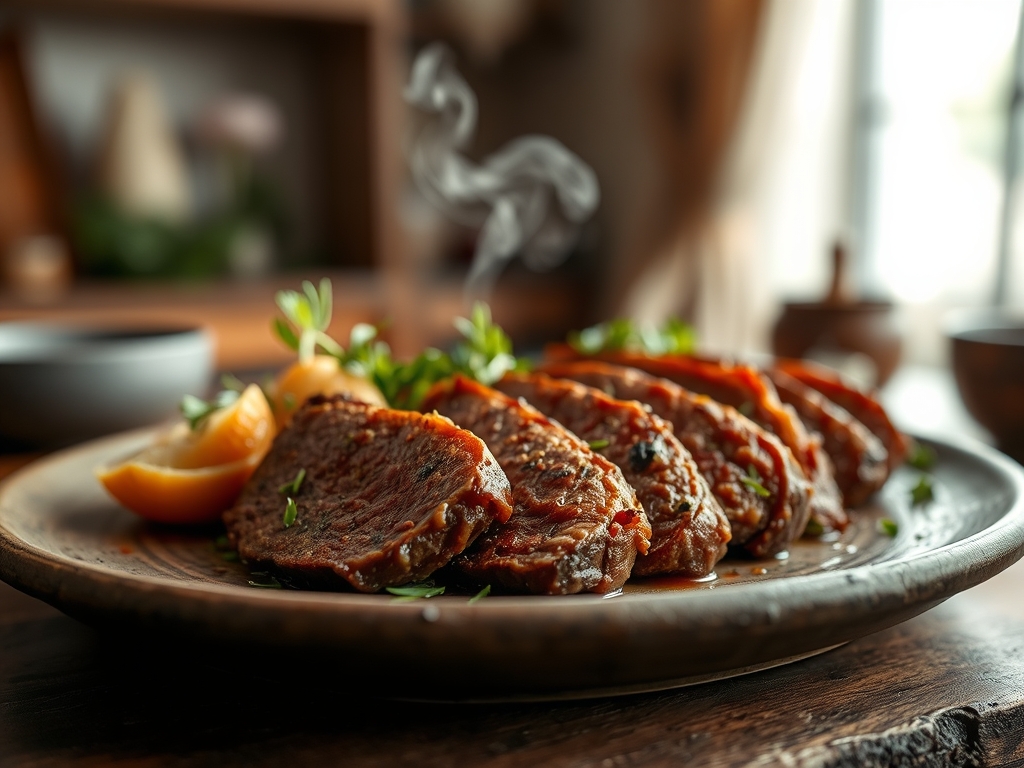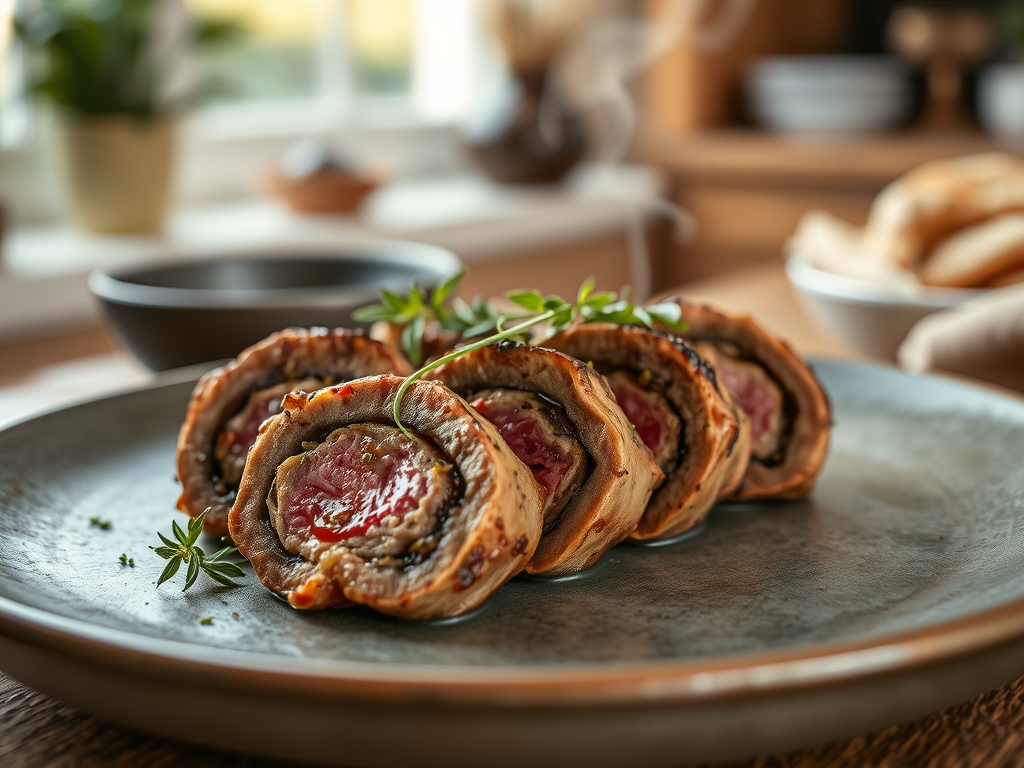
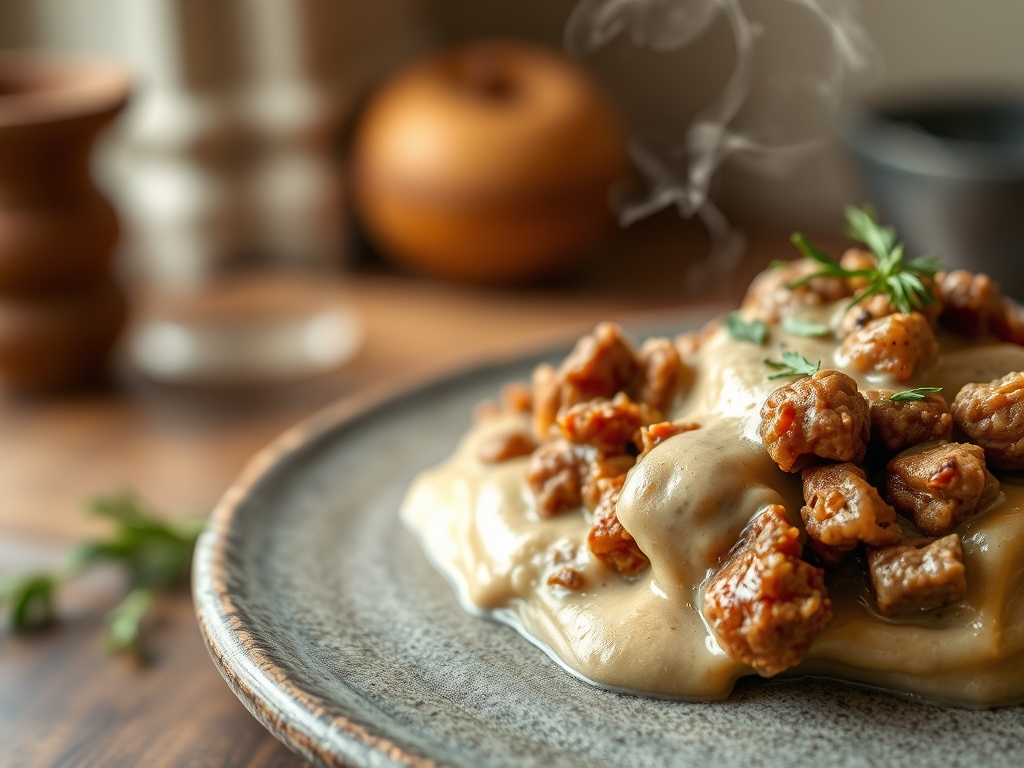
Picture the scene: a heavy-bottomed skillet sizzling on the stovetop, releasing that intoxicating aroma of browning proteins. We are diving deep into the ultimate comfort territory today with ground beef recipes with cream of chicken soup. It sounds like a retro secret, but the chemistry of combining savory beef with a velvety, poultry-based emulsion creates a flavor profile that is unmatched in depth and richness.
The magic happens when the iron-rich notes of the beef meet the silky, salt-forward profile of the cream of chicken. It is not just a shortcut; it is a structural foundation for some of the most satisfying bakes you will ever pull from an oven. We are talking about bubbling casseroles where the sauce clings to every curve of a noodle or grain of rice. Whether you are a seasoned home cook or just looking to feed a hungry crowd on a Tuesday, these ground beef recipes with cream of chicken soup offer a masterclass in texture and savory balance. Get your apron on, because we are about to turn humble pantry staples into a high-end culinary experience that feels like a warm hug for your soul.
The Gathers:
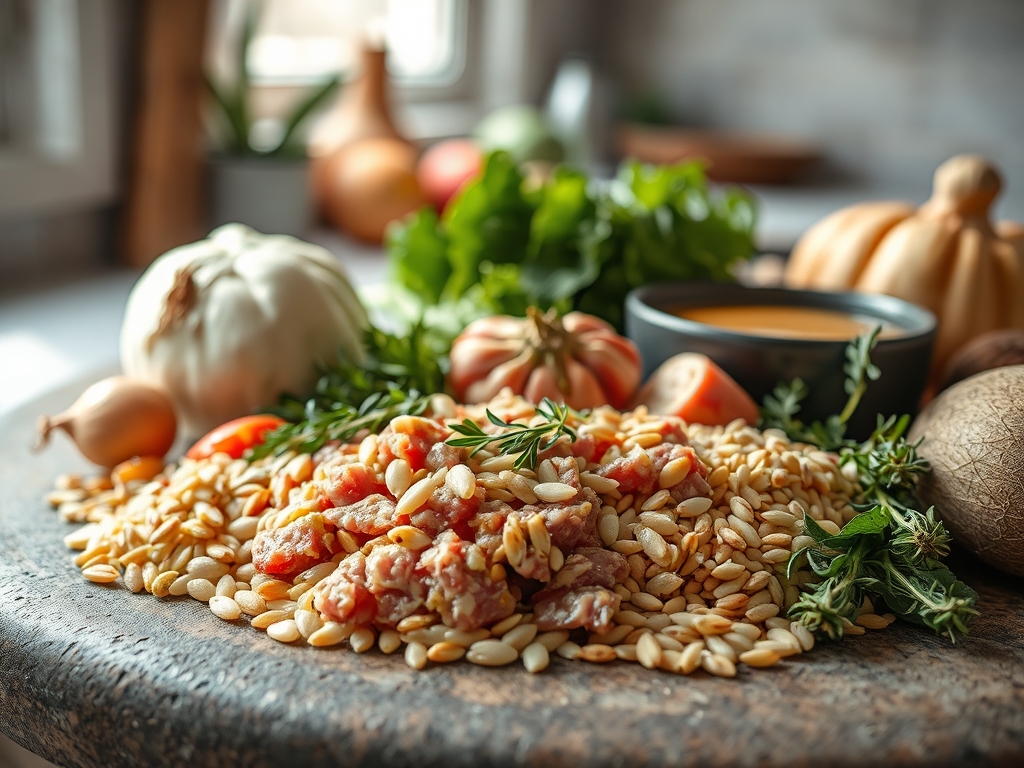
Before we ignite the burners, we must respect the mise-en-place. For these six bakes, your primary protein should be a high-quality ground chuck, ideally an 80/20 lean-to-fat ratio. This ensures enough lipid content to render out and create a flavorful base for your sauce without leaving the dish swimming in oil. You will also need several cans of condensed cream of chicken soup; look for brands that list real cream and chicken stock as primary ingredients to ensure a viscous, luxurious mouthfeel.
Your secondary aromatics are non-negotiable. Gather yellow onions for their high sugar content, which aids in caramelization, and garlic that you will process with a microplane to ensure even distribution of its pungent oils. For the "crunch" factor, keep panko breadcrumbs or crushed butter crackers nearby. If you want to elevate the profile, use a digital scale to measure out sharp cheddar or gruyere; precision here ensures the perfect melt-point.
Smart Substitutions:
If you find yourself out of cream of chicken, a cream of mushroom or celery soup works, though you will lose that specific poultry-driven "umami" lift. For a lighter version, swap half the beef for ground turkey or use a low-sodium soup base to control the salinity. If you are feeling bold, infuse your soup base with a splash of dry sherry or a teaspoon of Dijon mustard to add a piquant edge that cuts through the richness of the dairy.
The Clock:
Efficiency in the kitchen is all about "Chef's Flow." For these bakes, you are looking at a 15-minute active prep time and a 30 to 40-minute bake time. The goal is to synchronize your tasks so the oven is preheated to 375 degrees Fahrenheit exactly when your skillet work is done. While the beef is browning, use a bench scraper to clear your vegetable scraps and prep your baking dish. This "parallel processing" ensures that your kitchen stays clean and your dinner hits the table while the internal temperatures are still at their peak.
The Masterclass:
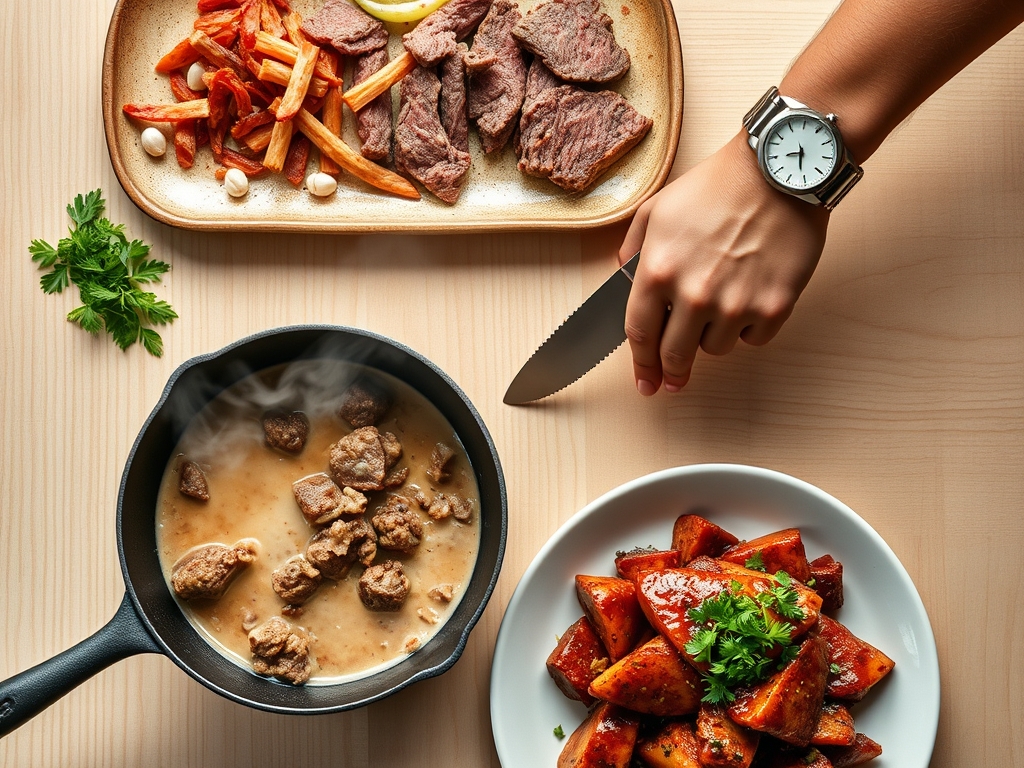
1. The Maillard Sear
Start by heating your heavy-bottomed skillet over medium-high heat. Add the ground beef but do not crowd the pan; you want to sear, not steam. Let the meat sit undisturbed for three minutes to develop a deep brown crust.
Pro Tip: This is the Maillard reaction, a chemical dance between amino acids and reducing sugars. It creates hundreds of different flavor compounds that give the beef its "meaty" essence. If the pan is too crowded, the moisture cannot escape, and you lose that crucial browning.
2. The Aromatic Infusion
Once the beef is mostly browned, add your diced onions and peppers. Use a wooden spoon or tongs to move the meat to the edges, allowing the vegetables to sauté in the center in the rendered beef fat.
Pro Tip: Cooking aromatics in the fat helps to extract fat-soluble flavor compounds that water-based liquids cannot reach. This creates a more complex flavor base for your soup to latch onto.
3. The Emulsion Bridge
Stir in your cream of chicken soup directly into the skillet. Use a whisk or a saucier if you are transferring the mixture to ensure the fat from the beef fully integrates with the creamy base.
Pro Tip: The starch in the condensed soup acts as an emulsifier. It prevents the fats from separating during the high-heat baking process, ensuring your casserole stays creamy rather than greasy.
4. The Texture Layering
Fold in your cooked pasta, rice, or potatoes. Ensure every piece is coated in the sauce. This is the moment to add your cheese, folding half into the mixture and saving the rest for the top.
Pro Tip: If using pasta, cook it to "under-al dente." The noodles will continue to absorb liquid in the oven through starch hydration, preventing them from becoming mushy during the final bake.
5. The Golden Finish
Transfer the mixture to a ceramic baking dish and top with your crunchy element. Bake at 375 degrees until the edges are bubbling and the top is a deep golden brown.
Pro Tip: Watch for "GBD" (Golden Brown and Delicious). This indicates that the sugars in the topping have caramelized and the cheese has undergone enzymatic browning, providing a textural contrast to the soft interior.
6. The Essential Rest
Remove the dish from the oven and let it sit for at least 10 minutes before serving. This is the hardest part, but it is the most important for the final structure.
Pro Tip: This allows for thermal carryover and lets the proteins and starches "set." If you cut into it too early, the sauce will be runny; waiting allows the sauce to thicken into its final, luscious state.
The Deep Dive:
When we look at the macro nutrition, these bakes are powerhouse meals. A standard serving provides a significant dose of protein from the beef and calcium from the dairy. However, they can be sodium-heavy. To balance this, serve with a bright, acidic side salad to cleanse the palate.
Dietary Swaps:
For a Gluten-Free version, use a GF-certified cream soup and swap pasta for cauliflower florets or GF-labeled noodles. For Keto enthusiasts, replace the rice or pasta with riced cabbage or zucchini; the fat content in the beef and cream soup fits well within ketogenic ratios. Vegan versions are trickier, requiring plant-based crumbles and a cashew-based "cream of chicken" substitute, but the flavor profile remains surprisingly similar if you use plenty of nutritional yeast.
The Fix-It:
- The Sauce is Too Thin: If your bake looks watery, it is likely because the vegetables released too much moisture. Next time, sauté them longer to evaporate that water, or stir in a tablespoon of cornstarch slurry before baking.
- The Beef is Tough: You likely over-handled the meat. When browning, break it into large chunks rather than a fine crumble to retain moisture.
- The Top is Burning: If the cheese browns too fast, tent the dish with foil. This reflects the radiant heat while allowing the internal temperature to continue rising.
Meal Prep Science:
These bakes are actually better on day two. As the dish cools, the flavors continue to marry and intensify. To reheat, add a splash of milk or broth to the portion and microwave at 70% power. This prevents the fats from breaking and keeps the sauce from becoming "oily."
The Wrap-Up:
There you have it! Mastering ground beef recipes with cream of chicken soup is all about understanding the interplay between fat, starch, and heat. These dishes are the ultimate canvas for your culinary creativity. Whether you add a kick of jalapeño or a sophisticated touch of truffle oil, you are now equipped with the technical knowledge to turn a simple casserole into a gourmet experience. Now, go forth and make your kitchen the most delicious place to be!
The Kitchen Table:
Can I use frozen ground beef for these recipes?
Yes, but ensure it is fully thawed in the refrigerator first. Excess moisture from ice crystals can prevent proper browning, so pat the meat dry with paper towels before hitting the hot skillet.
Why use cream of chicken instead of cream of mushroom?
Cream of chicken offers a more neutral, savory depth that complements the beef without the earthy, sometimes polarizing flavor of mushrooms. It acts as a savory "blank slate" for other seasonings.
How long can I store these bakes in the fridge?
Stored in an airtight container, these bakes will stay fresh for 3 to 4 days. The starch in the sauce helps maintain the texture, though you may need a splash of liquid when reheating.
Can I freeze these casseroles before baking?
Absolutely. Assemble the dish but skip the final bake. Wrap tightly in plastic and foil. Thaw in the fridge overnight before baking as directed, adding 10 minutes to the cook time.