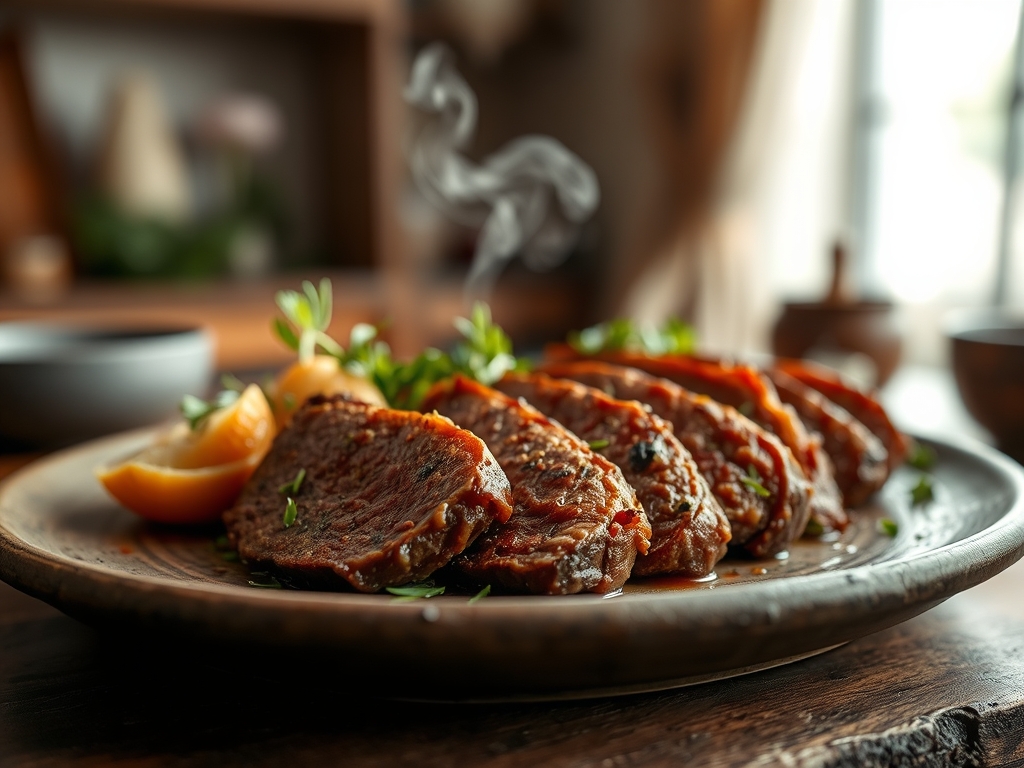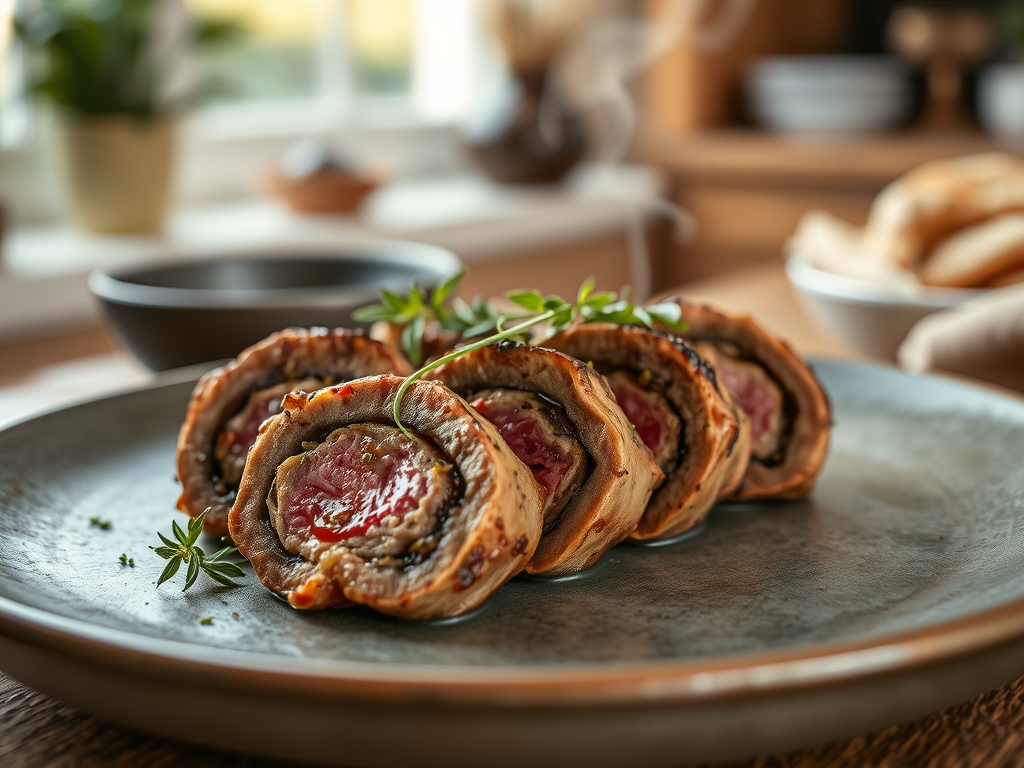
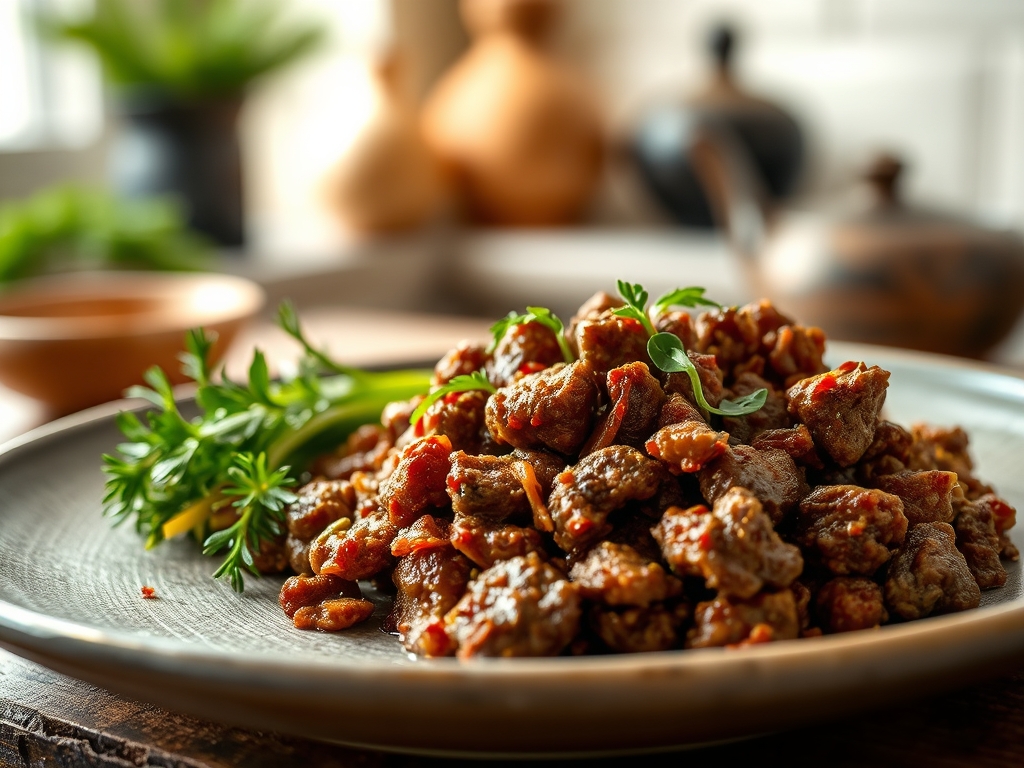
The scent of searing protein is the ultimate winter signal. When the temperature drops, your kitchen becomes a laboratory of comfort; a place where the Maillard reaction transforms humble ingredients into gold. We are diving into ten hearty ground beef recipes that go beyond basic chili. Think of this as your survival guide to the coldest months, where every bite is a calculated balance of fat, salt, and heat.
Winter cooking requires a specific kind of alchemy. We are looking for depth, richness, and that distinct mouthfeel that only comes from properly rendered fats. Whether you are whipping up a silky Bolognese or a spiced Shepherd's Pie, the goal is consistent: maximum flavor extraction. These hearty ground beef recipes are designed to soothe your soul while satisfying your inner scientist. Grab your favorite heavy-bottomed skillet and let's get to work.
The Gathers:
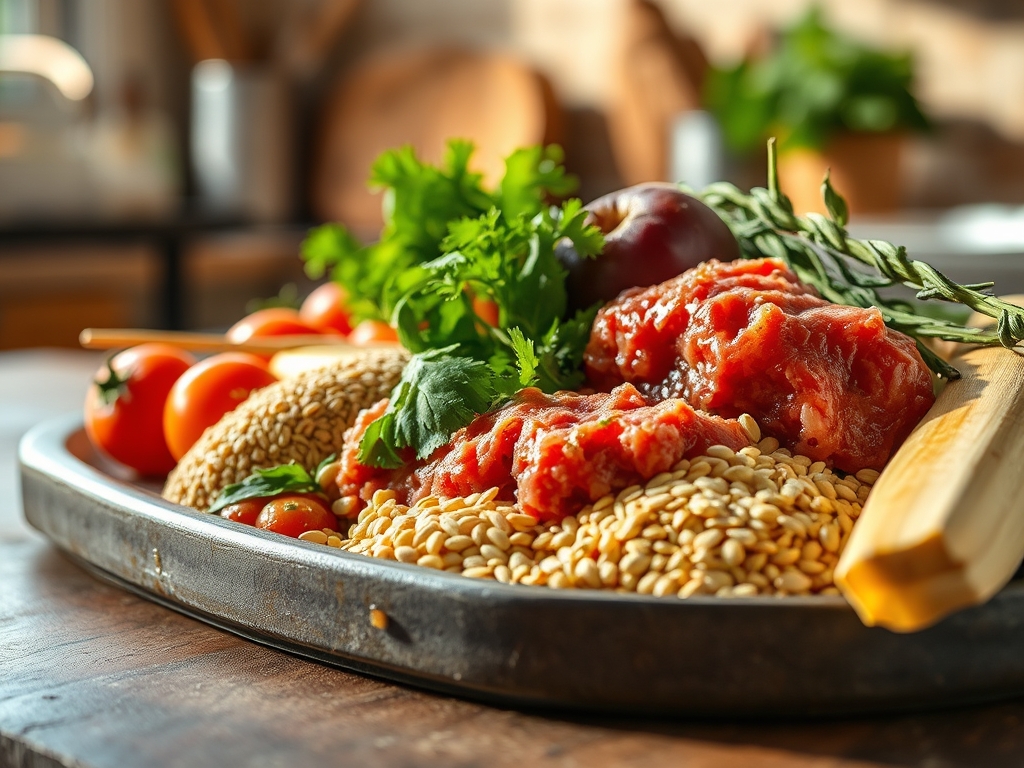
Before we ignite the burners, we must respect the mise-en-place. Your station should be a landscape of textures. Start with high-quality ground beef; ideally a 80/20 blend. The 20 percent fat content is non-negotiable for winter recipes because fat is the primary vehicle for flavor molecules. You will need aromatics: yellow onions for their high sugar content, garlic for those pungent organosulfur compounds, and carrots for a touch of glucose.
Your tool kit is just as vital. Keep a microplane ready for zest and hard cheeses; a bench scraper for moving diced aromatics; and a saucier for any liquid-heavy reductions. For the liquids, stock is king. Use a bone broth rich in gelatin to ensure a viscous sauce that coats the back of a spoon.
Smart Substitutions:
If you want to lighten the caloric load without sacrificing the umami profile, swap half the beef for finely minced cremini mushrooms. The mushrooms mimic the texture of meat while providing a massive boost of glutamates. For a dairy-free creaminess in your sauces, a splash of full-fat coconut milk or a cashew cream can provide the necessary lipids without the lactose.
The Clock
Efficiency in the kitchen is about managing "Chef's Flow." Most of these hearty ground beef recipes require a 15-minute prep phase and a 30 to 45-minute cook time. The secret to a professional result is the "passive cook." This is the time when the meat simmers and the connective tissues break down.
Plan your workflow by starting with the longest-running task. If you are making a beef-stuffed acorn squash, get the squash in the oven first. While the dry heat of the oven works on the vegetable's starch, you can focus on the enzymatic browning of the beef on the stovetop. This staggered approach ensures everything hits the table at the peak of its thermal cycle.
The Masterclass
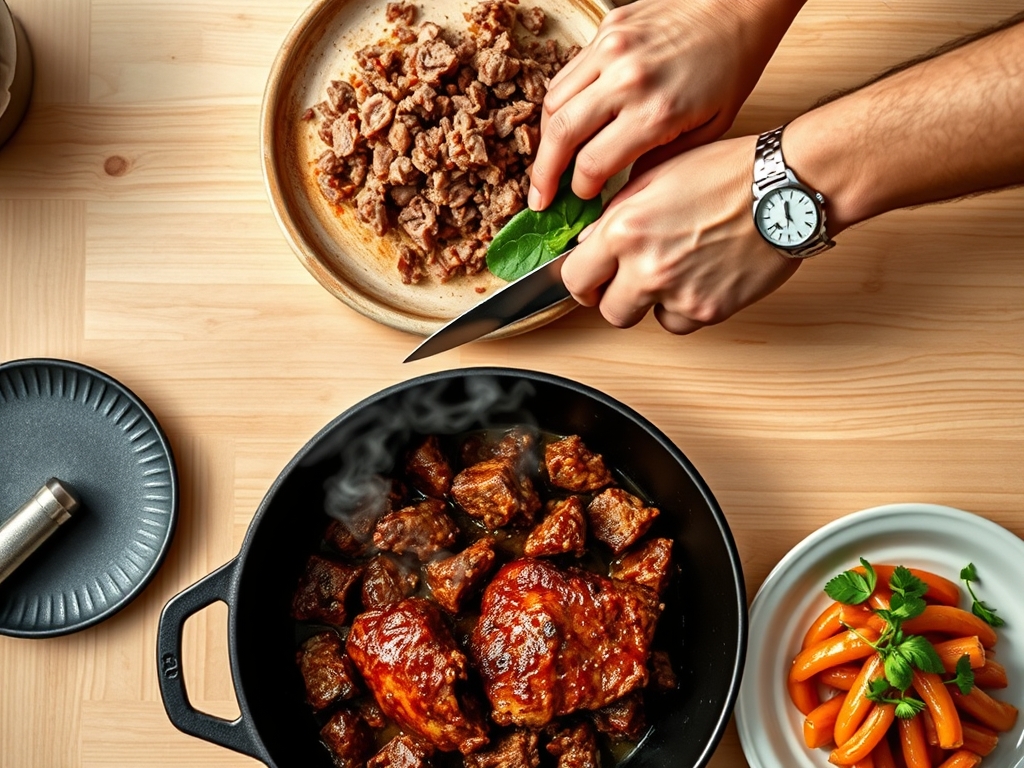
1. The Sear and Render
Place your heavy-bottomed skillet over medium-high heat. Add the beef in a single layer and do not touch it for three minutes. You are waiting for the Maillard reaction; a chemical dance between amino acids and reducing sugars that creates hundreds of flavor compounds.
Pro Tip: Avoid overcrowding the pan. If you add too much meat at once, the temperature drops and the meat boils in its own juices instead of searing. This prevents the formation of the fond, those delicious brown bits stuck to the pan.
2. Deglazing the Fond
Once the meat is browned and removed, you will see a dark crust on the bottom of the pan. Pour in a splash of dry red wine or beef stock. Use a wooden spoon to scrape the bottom. This process, called deglazing, incorporates those concentrated flavors back into your sauce.
Pro Tip: The alcohol in wine acts as a solvent, extracting flavor compounds that are not water-soluble. This creates a more complex, piquant profile in your finished dish.
3. Emulsifying the Sauce
When adding liquids or fats, you want to achieve a stable emulsion. If you are making a creamy beef pasta, add a splash of starchy pasta water to your sauce. The starches act as a stabilizer, binding the fats and liquids into a silky, uniform texture.
Pro Tip: Use a whisk to vigorously incorporate fats. This mechanical action breaks the fat into tiny droplets that stay suspended, preventing a greasy film from forming on top of your meal.
4. The Rest and Carryover
Never serve meat directly from the heat. Allow your beef mixtures to sit for five minutes before plating. During this time, thermal carryover continues to cook the center of the meat, while the muscle fibers relax and reabsorb the juices.
Pro Tip: If you plate too early, the juices will run out onto the dish, leaving the meat dry and the sauce watery. Patience is a technical requirement for quality.
The Deep Dive
Macro Nutrition:
A standard serving of these hearty ground beef recipes provides approximately 25 to 30 grams of protein. By utilizing lean-to-fat ratios and incorporating high-fiber vegetables, you can balance the caloric density. Ground beef is also an excellent source of Vitamin B12 and Zinc, which are essential for immune function during the winter months.
Dietary Swaps:
For a Keto version, replace pasta or potatoes with cauliflower rice or zoodles. To make these recipes Gluten-Free, ensure your thickeners are cornstarch or arrowroot powder rather than wheat flour. For a Vegan twist, use a pea-protein crumble and fortify the sauce with nutritional yeast to replicate the cheesy, savory depth.
The Fix-It:
- Too Salty: Do not add water; it dilutes the flavor. Instead, add an acid like lemon juice or vinegar. The acid distracts the palate from the sodium.
- Too Greasy: If your sauce has separated, use a bread crust to soak up excess oil from the surface, or add a pinch of mustard powder to help re-emulsify the fats.
- Bland Flavor: You likely missed the sear. Add a dash of Worcestershire sauce or soy sauce to inject instant umami and depth.
Meal Prep Science:
When reheating ground beef, use a low and slow method. High heat in a microwave causes the proteins to tighten and become rubbery. Instead, reheat in a covered pan with a tablespoon of water to create steam. This restores the moisture levels to "day-one" quality.
The Wrap-Up
Winter is the season for slow movements and deep flavors. By mastering the science of the sear and the art of the emulsion, you turn simple ground beef into a culinary masterpiece. These hearty ground beef recipes are more than just fuel; they are a celebration of kitchen chemistry. So, put on your favorite sweater, grab your tongs, and let the aroma of browning beef fill your home. You have the tools, the techniques, and the talent to make this the most delicious winter yet.
The Kitchen Table
How do I prevent ground beef from becoming gray?
Ensure your pan is smoking hot before adding the meat. Gray meat is a sign of steaming rather than searing. Pat the beef dry with paper towels to remove surface moisture, which allows the Maillard reaction to occur immediately.
What is the best way to drain excess fat?
Use a slotted spoon to move the cooked beef to a plate lined with paper towels. Alternatively, tilt the skillet and use a turkey baster to suction out the rendered fat without losing your flavorful aromatics or fond.
Can I freeze these hearty ground beef recipes?
Yes. Most beef-based stews and sauces freeze beautifully for up to three months. Ensure the dish is completely cool before sealing in an airtight container to prevent ice crystals and freezer burn from ruining the texture of the protein.
Why does my ground beef feel "gritty"?
Grittiness usually occurs when the meat is overcooked at too high a temperature for too long. This causes the protein fibers to shrink and harden. To fix this, simmer the beef in a liquid-based sauce to help soften the texture.