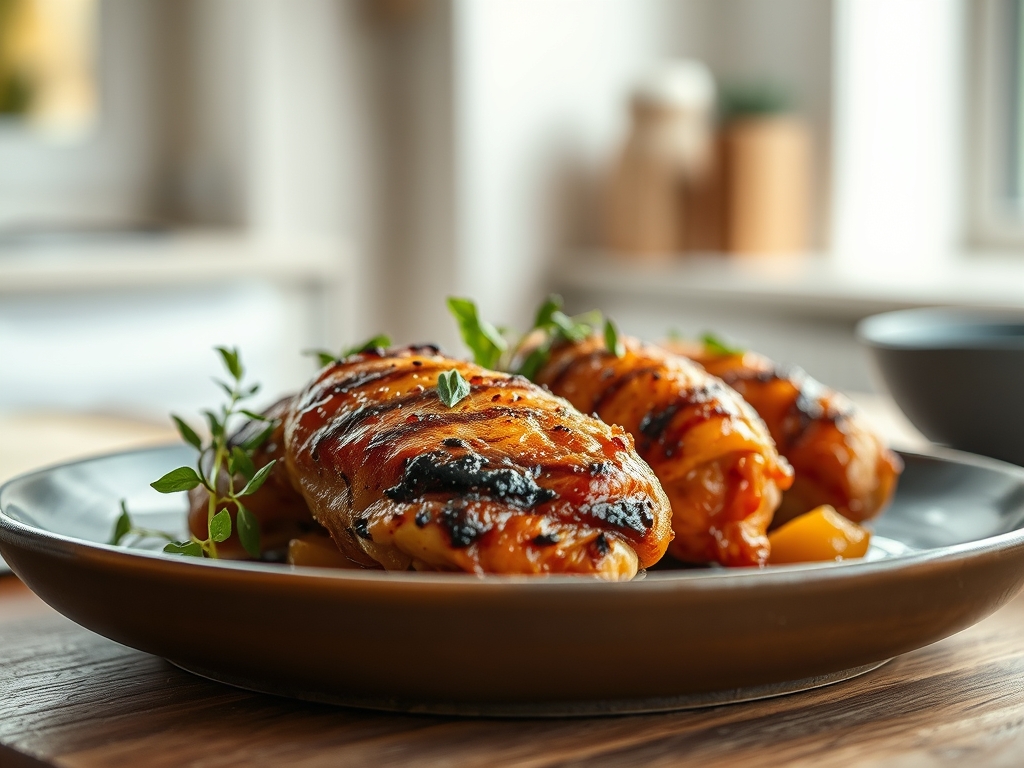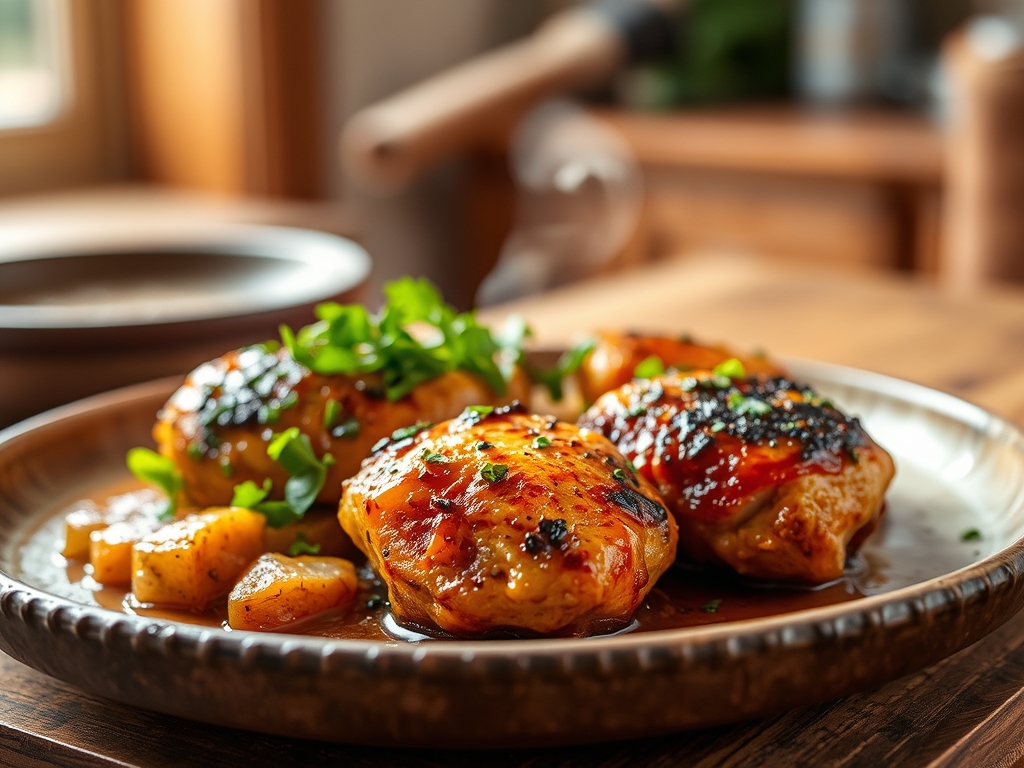
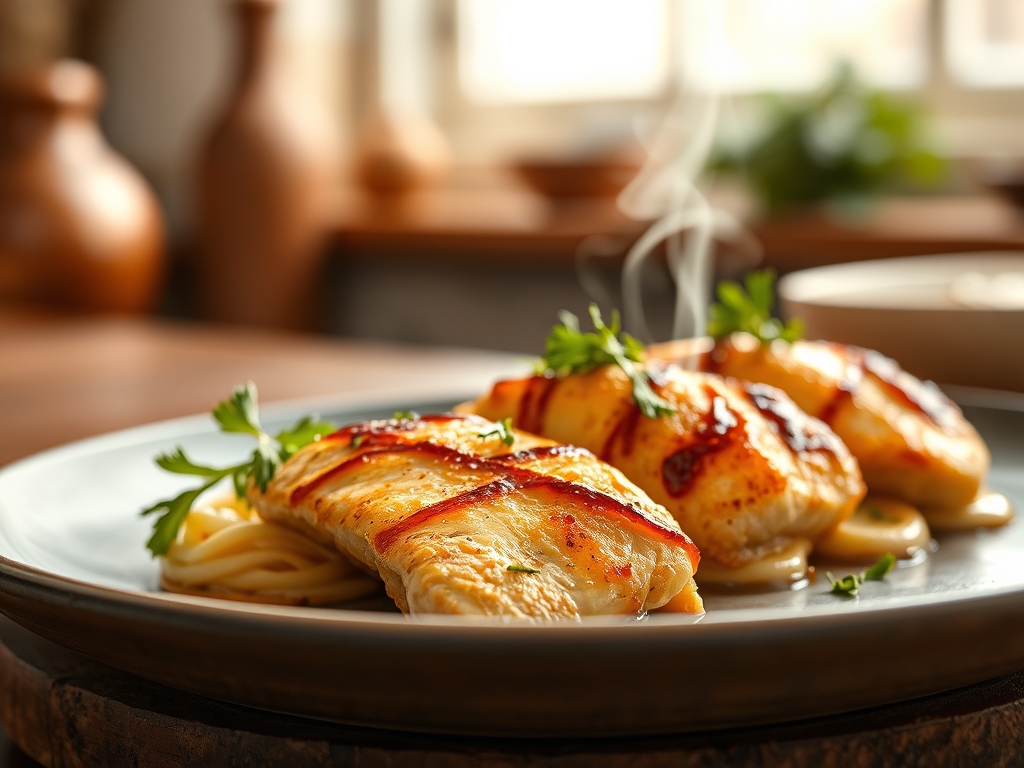
Close your eyes and imagine the scent of caramelized sugar colliding with the sharp, acidic bite of vinegar as it hits a searing hot pan. That is the magic of catalina chicken recipes. It is a sensory explosion where the vibrant, ruby-red dressing transforms from a humble condiment into a complex glaze that clings to every fiber of succulent poultry.
The secret lies in the balance of the piquant tomato base and the subtle infusion of onion and garlic powders. When these elements meet heat, they undergo a rapid transformation. The sugars begin to brown; the vinegar mellows into a fruity brightness; and the chicken proteins tighten just enough to trap the moisture inside. It is the ultimate weeknight hack that tastes like a high-end bistro creation. Whether you are craving a sticky slow-cooked thigh or a crisp, pan-seared breast, these recipes deliver a nostalgic yet sophisticated flavor profile that bridges the gap between sweet and savory perfectly.
We are moving beyond the basic dump-and-bake methods of the past. Today, we are treating our ingredients with professional respect. We are talking about achieving that perfect viscous coating that does not slide off the plate but rather coats your palate in a rich, velvety embrace. Grab your favorite heavy-bottomed skillet and let us get into the chemistry of the perfect glaze.
The Gathers:
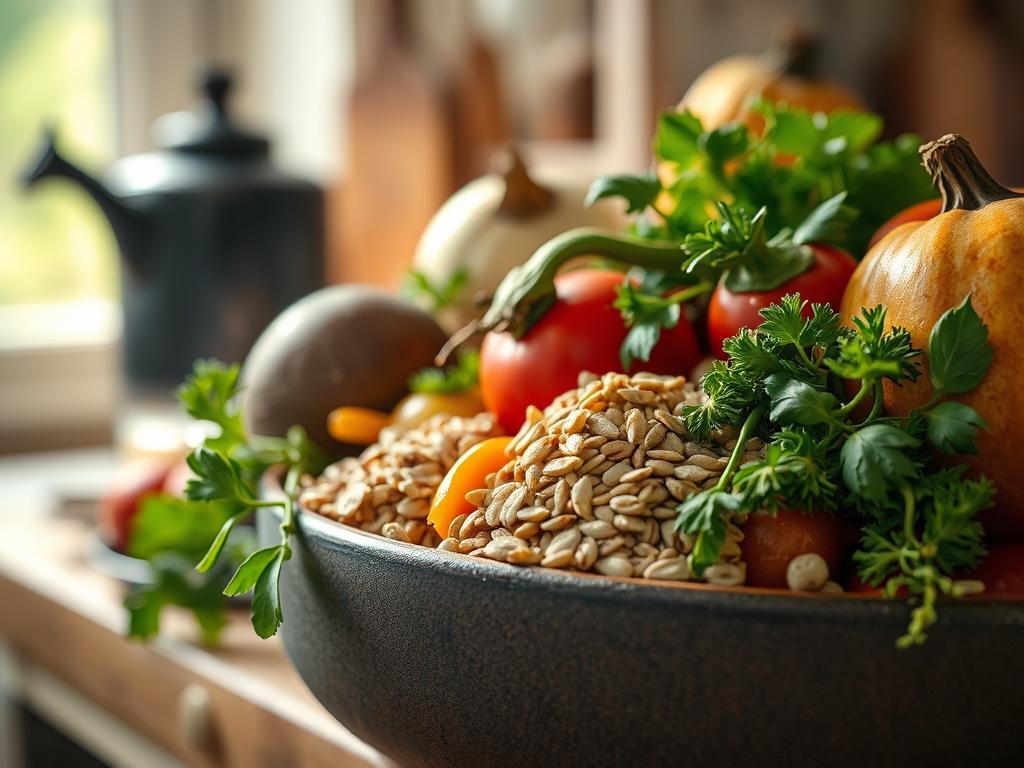
To execute world-class catalina chicken recipes, your mise-en-place must be precise. Start with high-quality chicken; I prefer organic thighs for their higher fat content, which allows the meat to remain tender during the high-heat reduction of the sauce. You will need a bottle of classic Catalina dressing, but do not stop there. We are going to aerate the sauce with a splash of apple cider vinegar and a teaspoon of smoked paprika to deepen the color and add a subtle wood-fired note.
Your toolkit is just as important as your pantry. Ensure you have a digital scale for precise protein portions and a microplane to zest a hint of fresh orange over the final dish; the citrus oils cut through the sugar beautifully. If you find your dressing is too thin, keep a small bowl of cornstarch ready to create a slurry.
Smart Substitutions: If you are watching your refined sugar intake, you can create a "faux-Catalina" by whisking together tomato paste, red wine vinegar, and monk fruit sweetener. For a spicy kick, swap the paprika for chipotle powder. If you are out of chicken, this glaze performs beautifully on firm tofu or even roasted cauliflower florets, provided you press the moisture out of them first to allow for better sauce adhesion.
The Clock:
In the professional world, we talk about "Chef's Flow." This is the sequence of operations that ensures nothing sits getting soggy while something else finishes. For most catalina chicken recipes, your active prep time is a mere 15 minutes. This involves trimming the silverskin from the chicken and whisking your sauce components in a saucier.
The cooking phase typically lasts 25 to 30 minutes for stovetop methods or up to 4 hours in a slow cooker. The key is the rest period. You must allow the chicken to rest for at least 5 to 7 minutes before slicing. This allows the internal juices to redistribute. If you cut too soon, the moisture escapes, and your sauce becomes watery rather than glossy. Total time from fridge to table is roughly 45 minutes; a perfect window for a weeknight masterpiece.
The Masterclass:
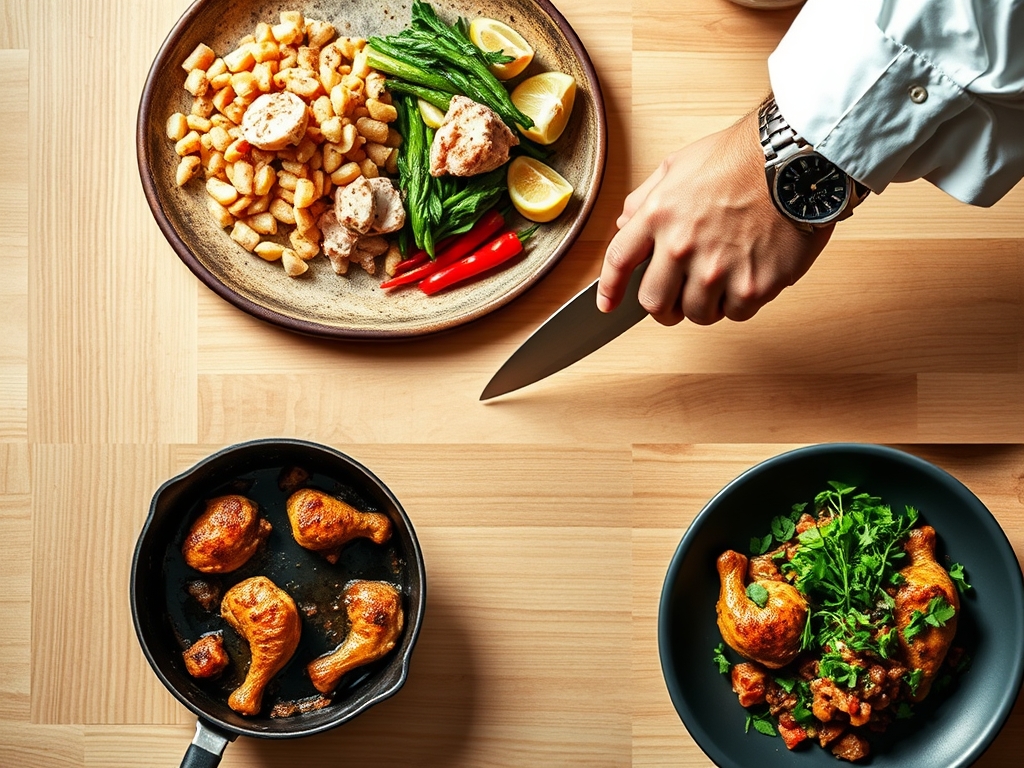
1. The Sear and Render
Pat your chicken bone-dry with paper towels. Heat a heavy-bottomed skillet over medium-high heat with a high-smoke-point oil like avocado oil. Place the chicken skin-side down and do not move it. You want to render the subcutaneous fat until the skin is golden and crisp.
Pro Tip: This stage utilizes the Maillard reaction, a chemical reaction between amino acids and reducing sugars that gives browned food its distinctive flavor. If the pan is too crowded, the chicken will steam instead of sear, so work in batches if necessary.
2. Deglaze and Infuse
Once the chicken is browned, remove it and pour off all but a tablespoon of fat. Add minced shallots and deglaze the pan with a splash of dry white wine or chicken stock. Use a wooden spoon to scrape up the fond; those brown bits are concentrated flavor gold.
Pro Tip: Deglazing is a thermal shock process that releases the caramelized proteins stuck to the pan. Incorporating these into your Catalina sauce adds a savory depth that balances the sweetness of the dressing.
3. The Emulsification
Lower the heat and pour in your Catalina dressing mixture. Use a whisk to incorporate the dressing with the pan juices. You are looking for a smooth, homogenous liquid. Return the chicken to the pan, nestling it into the sauce.
Pro Tip: To prevent the sauce from breaking, keep the temperature below a rolling boil. A gentle simmer ensures the fats and sugars stay emulsified, resulting in a silky texture rather than an oily one.
4. The Reduction
Simmer the chicken uncovered. This allows the water content in the sauce to evaporate, concentrating the flavors and increasing the viscosity. Use a spoon to frequently baste the chicken with the thickening glaze.
Pro Tip: This is the evaporative cooling phase. As the sauce thickens, the boiling point slightly rises. Keep a close eye on the bubbles; when they become large and "lazy," your glaze has reached the perfect sugar concentration.
5. The Thermal Finish
Use a digital thermometer to check the internal temperature. For breasts, pull them at 160 degrees Fahrenheit; for thighs, aim for 170. The temperature will continue to rise as the meat rests.
Pro Tip: This is known as carryover cooking. The residual heat on the surface of the meat travels inward even after it is removed from the heat source. Pulling the meat early prevents the proteins from becoming "stringy" or dry.
6. The Final Polish
Before serving, use a microplane to grate fresh ginger or citrus zest over the dish. Add a handful of chopped cilantro or scallions for a pop of color and a fresh, herbaceous finish that cuts through the richness.
Pro Tip: Adding fresh aromatics at the very end preserves their volatile oils, which would otherwise dissipate under prolonged heat. This provides a "high note" to the dish's flavor profile.
The Deep Dive:
When we look at the macro nutrition of catalina chicken recipes, we see a protein-heavy profile balanced by carbohydrates from the dressing's sugar content. A standard serving provides approximately 35 grams of protein and 15 grams of sugar. To make this Keto-friendly, use a sugar-free dressing and swap the cornstarch for a pinch of xanthan gum. For a vegan version, use "soy curls" or tempeh; both have excellent porous structures that absorb the sauce brilliantly.
The Fix-It:
- Sauce is too thin: Create a slurry with one teaspoon of cornstarch and one tablespoon of cold water. Whisk it in and boil for one minute to activate the starch.
- Chicken is tough: This usually means it was cooked too fast at too high a temperature. Next time, use a lower simmer and ensure you are using a digital thermometer to avoid overcooking.
- Glaze is too sweet: Balance the pH by adding a squeeze of fresh lime juice or a dash of soy sauce for umami depth.
For meal prep, store the chicken and sauce in airtight glass containers. When reheating, add a teaspoon of water before microwaving or heating on the stovetop. This creates steam that re-hydrates the proteins, ensuring "day-one" quality.
The Wrap-Up:
Mastering catalina chicken recipes is about more than just opening a bottle; it is about understanding the balance of acid, sugar, and heat. By using professional techniques like deglazing and monitoring thermal carryover, you transform a simple pantry staple into a culinary event. This dish is vibrant, bold, and incredibly satisfying. Now, go forth, grab your tongs, and turn your kitchen into the best bistro in town!
The Kitchen Table:
Can I make catalina chicken in a slow cooker?
Yes. Place the chicken in the slow cooker and pour the sauce over it. Cook on low for 4 to 6 hours. For a better texture, sear the chicken in a skillet before adding it to the pot.
What side dishes pair best with this chicken?
The sweet and tangy glaze pairs perfectly with neutral bases. Try jasmine rice, quinoa, or roasted fingerling potatoes. For greens, a charred broccoli or a crisp cucumber salad provides a refreshing textural contrast.
Is Catalina dressing the same as French dressing?
Not quite. While both are tomato-based, Catalina is typically thinner, redder, and sweeter. French dressing often contains more oil and sometimes creamy elements or different spices like celery seed that change the flavor profile.
How long does leftover catalina chicken last?
When stored in an airtight container in the refrigerator, it will stay fresh for up to 4 days. The flavors often deepen overnight, making the leftovers even more delicious the next day for lunch.