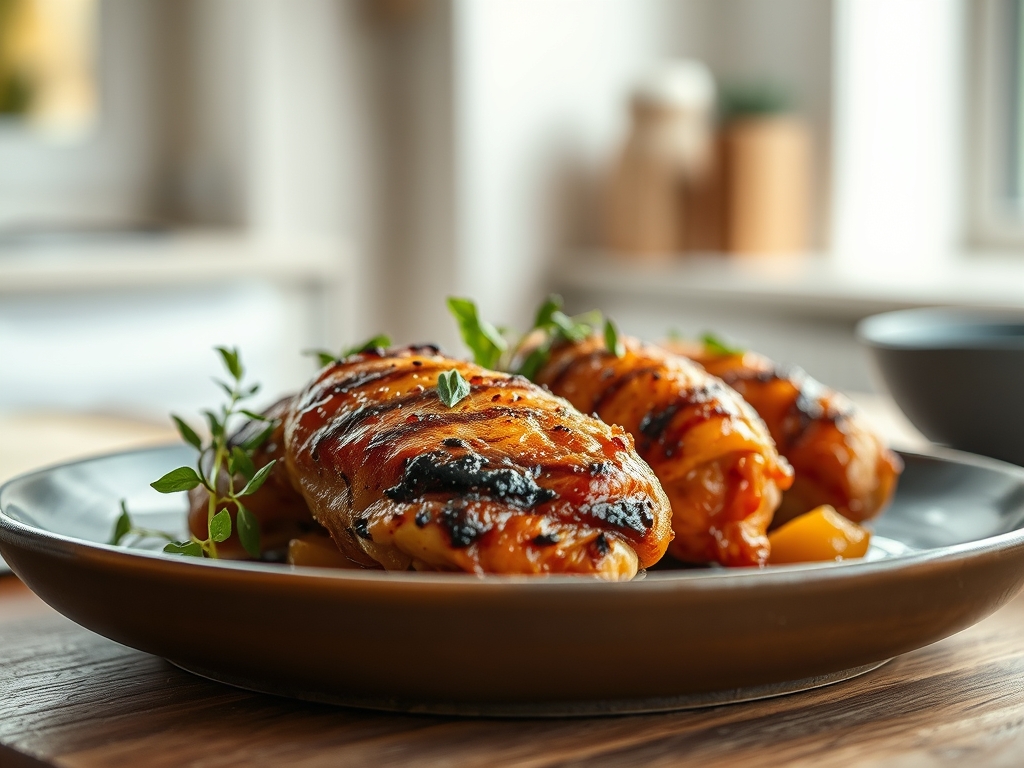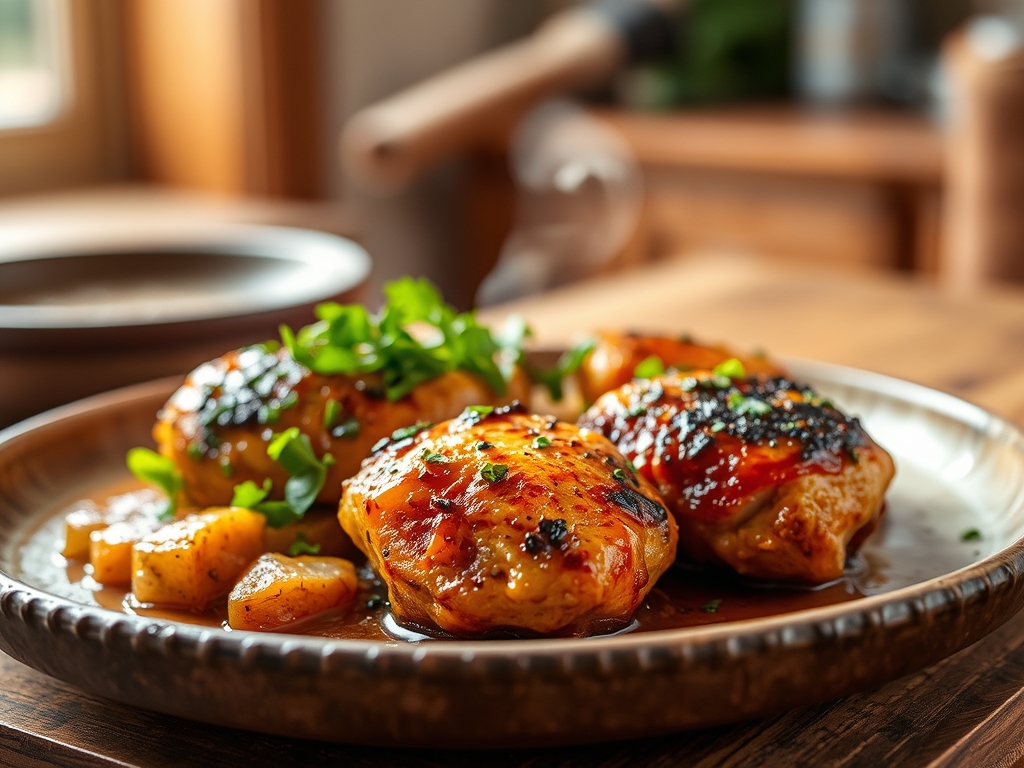
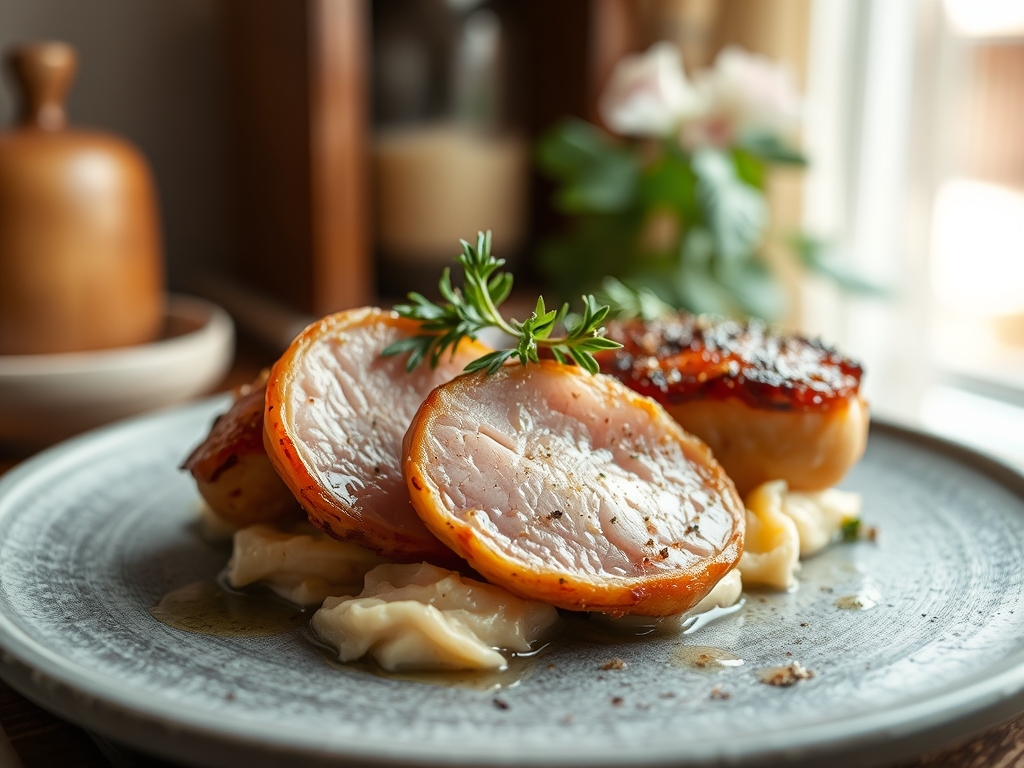
Imagine the scent of salt-cured pork belly mingling with the delicate, savory aroma of roasting poultry. It is the ultimate culinary power couple. When you dive into the world of ham and chicken recipes, you are playing with a complex spectrum of textures and salt profiles. Whether it is a silky Cordon Bleu or a rustic jambalaya, this duo provides a structural integrity that single-protein dishes often lack.
The secret lies in the contrast. Ham offers a dense, cured umami punch that acts as a seasoning agent for the milder, more porous chicken breast or thigh. By layering these proteins, you create a self-basting environment where the rendered fat from the ham infuses the chicken with moisture. This is not just cooking; it is an architectural feat of flavor. We are moving beyond the basic sandwich and into the realm of high-density savory profiles that will make your kitchen smell like a five-star brasserie.
The Gathers:
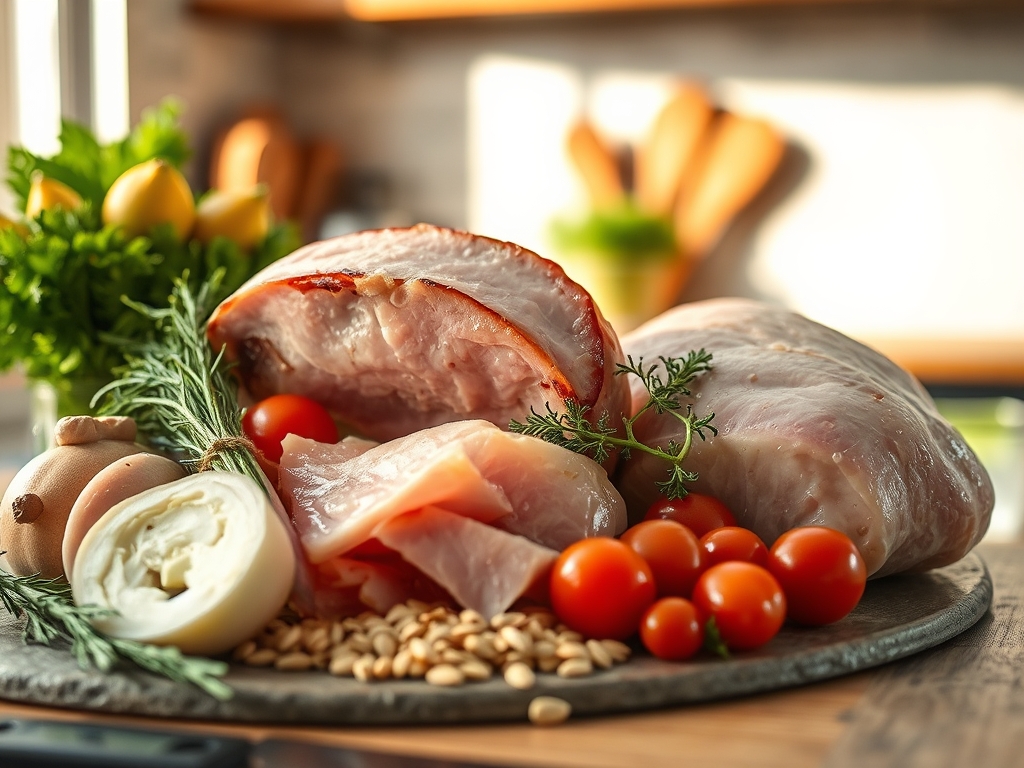
To master these ham and chicken recipes, your mise-en-place must be precise. Start with your proteins. You want high-quality deli-sliced Black Forest ham for wrapping, or thick-cut serrano for dicing into stews. For the chicken, air-chilled breasts or thighs are superior because they lack the excess water weight that can ruin a sear.
Your secondary players include a viscous heavy cream, sharp Gruyere or Swiss cheese, and a piquant Dijon mustard to cut through the richness. You will need fresh aromatics like shallots and thyme, along with a high-smoke-point fat like clarified butter.
Smart Substitutions:
If you are looking to lighten the profile, swap the heavy cream for a cashew-based cream to maintain that velvet mouthfeel without the dairy. For the ham, a smoky turkey bacon or even a salt-cured sun-dried tomato can mimic that savory depth. If you find yourself without shallots, use the white parts of green onions for a similar delicate bite. Always use a digital scale to measure your proteins to ensure even cooking times across the board.
The Clock
Efficiency in the kitchen is all about the Chef's Flow. For most ham and chicken recipes, you are looking at a total time of 45 to 60 minutes. This includes a 20-minute prep window where you handle your knife work and a 30-minute active cook time.
The flow begins with the "Cold Prep": slicing your ham and pounding your chicken to a uniform thickness using a meat mallet. This ensures simultaneous thermal completion. Next is the "Searing Phase," where the Maillard reaction occurs. Finally, the "Resting Phase" is non-negotiable. Allowing your meat to rest for at least five to seven minutes allows the muscle fibers to relax and reabsorb the internal juices; otherwise, all that hard-earned flavor will end up on your cutting board.
The Masterclass
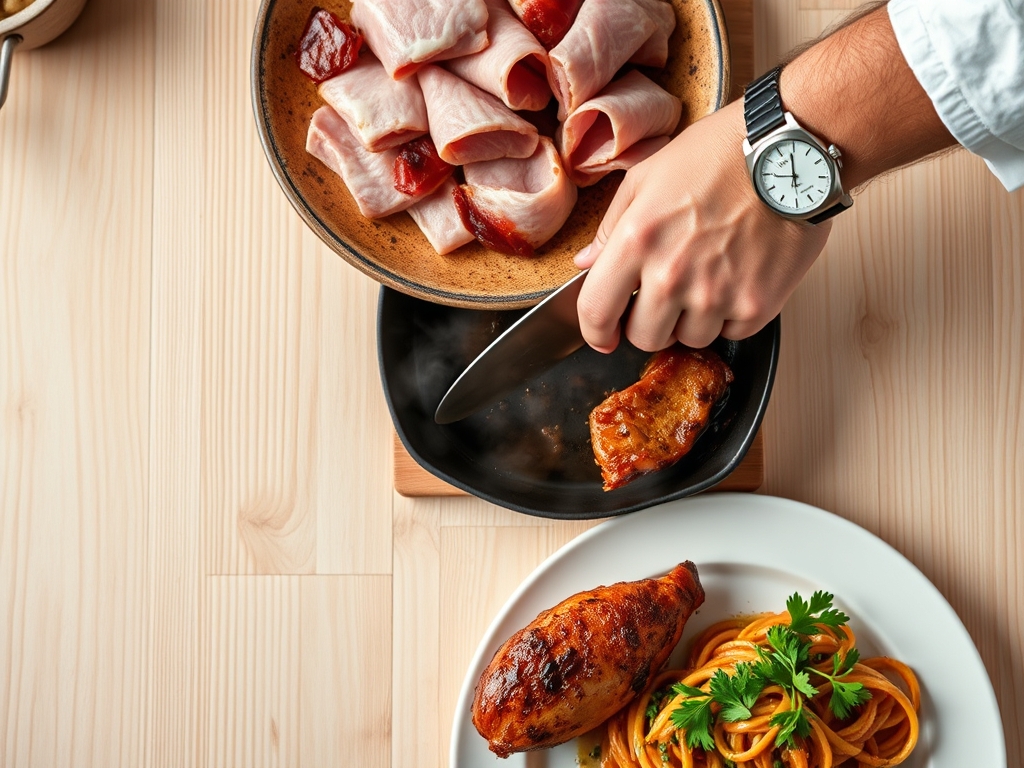
1. The Prep and Flatten
Start by placing your chicken breasts between sheets of plastic wrap. Use a meat mallet to pound them to an even half-inch thickness. This creates a uniform surface area for the ham to adhere to and ensures the chicken does not dry out while waiting for the center to cook.
Pro Tip: This physical manipulation breaks down the collagen fibers in the chicken. By tenderizing the meat, you ensure a buttery texture that mirrors the soft, cured nature of the ham.
2. Layering the Umami
Lay a slice of ham over the chicken, followed by a thin layer of cheese. Roll the chicken tightly, or if you are making a skillet bake, simply layer them. Use a microplane to zest a bit of lemon over the ham before rolling; the acidity will brighten the heavy fats.
Pro Tip: This is called "interstitial flavoring." The salt from the ham will migrate into the chicken via osmosis during the cooking process, seasoning the poultry from the inside out.
3. The Sear
Heat a heavy-bottomed skillet over medium-high heat with a splash of oil. Place the chicken seam-side down. Do not move it for at least three minutes. You want a deep, golden-brown crust to form. Use tongs to flip the pieces gently once they release naturally from the pan.
Pro Tip: This is the Maillard reaction in action. The amino acids and reducing sugars react under high heat to create hundreds of different flavor compounds that give the dish its characteristic "roasted" taste.
4. Deglazing the Fond
Once the meat is cooked through, remove it from the pan. You will see brown bits stuck to the bottom; this is "fond," or liquid gold. Pour in a splash of dry white wine or chicken stock and use a bench scraper or wooden spoon to loosen those bits.
Pro Tip: Deglazing creates an emulsion of fats and liquids. The alcohol in the wine acts as a solvent, pulling out flavor molecules that are not water-soluble, resulting in a more complex sauce.
5. Finishing the Saucier
Lower the heat and whisk in a tablespoon of cold butter or a splash of cream into your saucier. Stir constantly until the sauce is glossy and coats the back of a spoon. Return the chicken to the pan for one minute to glaze.
Pro Tip: This is the "Monte au Beurre" technique. The cold butter creates a stable emulsion with the hot liquid, providing a luxurious, viscous finish without the need for flour-based thickeners.
The Deep Dive
When we look at the macro profile of ham and chicken recipes, we are seeing a protein powerhouse. A standard serving offers roughly 35 grams of protein with a moderate fat content depending on your cheese choice. It is naturally low in carbohydrates, making it a staple for those following a ketogenic lifestyle.
Dietary Swaps:
For a Keto version, skip the flour dredging and use crushed pork rinds for a crunch. For Gluten-Free needs, ensure your ham is certified GF, as some cures contain grain-based additives. For a Vegan twist, use seitan cutlets and a smoky "facon" made from rice paper or mushrooms, finished with a nutritional yeast cream sauce.
The Fix-It:
- Dry Chicken: If the meat is overcooked, slice it thinly and submerge it in the warm pan sauce for two minutes to rehydrate the fibers.
- Soggy Ham: If the ham lacks texture, try searing the ham slices separately in the skillet before wrapping the chicken to render the fat and crisp the edges.
- Broken Sauce: If your cream sauce separates, whisk in a teaspoon of hot water or a squeeze of lemon juice vigorously to re-emulsify the fats.
Meal Prep:
To maintain "day-one" quality, store the sauce and meat separately. When reheating, use a damp paper towel over the chicken in the microwave to create a steam chamber. This prevents the proteins from becoming rubbery. Alternatively, reheat in a covered skillet over low heat with a tablespoon of water to maintain moisture.
The Wrap-Up
Mastering ham and chicken recipes is about more than just throwing two meats in a pan. It is an exploration of salt, fat, and thermal control. By understanding the science of the Maillard reaction and the beauty of a perfect deglaze, you transform simple ingredients into a sophisticated meal. Now, grab your heavy-bottomed skillet and get to work; your kitchen is about to become the most popular spot in the house!
The Kitchen Table
Can I use leftover holiday ham for these recipes?
Yes. Leftover ham is excellent for dicing into chicken pot pies or pasta bakes. Since it is already cooked, add it toward the end of the process to prevent it from becoming overly tough or salty.
What is the best way to keep the chicken moist?
Use a meat thermometer to pull the chicken at 160 degrees Fahrenheit. The thermal carryover will bring it to the safe 165-degree mark while it rests, ensuring the juices stay locked inside the muscle fibers.
Why does my cheese always leak out of the chicken?
Ensure you are using a high-viscosity cheese like Gruyere and securing the chicken with toothpicks. Pounding the chicken to a uniform thickness also allows for a tighter roll, which physically traps the melting cheese inside.
How do I prevent the ham from being too salty?
If using a very salty cure like prosciutto, skip the additional salt in your chicken seasoning. Balance the dish with acidic components like lemon juice or white wine to neutralize the perception of sodium on the palate.