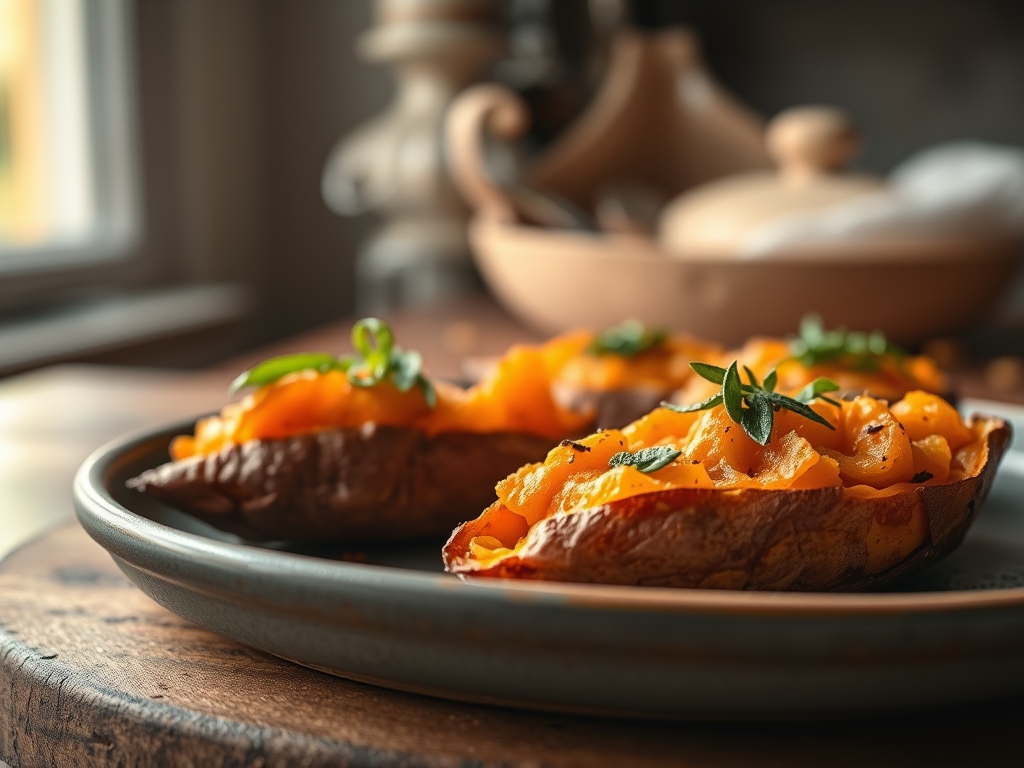
Imagine a scent so thick and sugary it feels like a physical embrace. That is the magic of a properly caramelized tuber. When you dive into the world of vegan baked sweet potato recipes, you are not just cooking dinner; you are managing a complex series of chemical reactions that turn a starchy root into a velvet masterpiece. We are moving beyond the basic "stab it with a fork and hope for the best" method. Today, we are mastering the art of the perfect bake, where the skin shatters like parchment and the interior achieves a custard-like consistency without a drop of dairy.
The secret to elevating vegan baked sweet potato recipes lies in understanding the Maillard reaction. This is the chemical dance between amino acids and reducing sugars that creates that signature deep, toasted flavor profile. By the time we are done, your kitchen will smell like a high-end patisserie, and you will have eight distinct ways to transform this humble vegetable into a gourmet centerpiece. Grab your favorite apron and a glass of something sparkling. We are about to turn your oven into a laboratory of deliciousness.
The Gathers:
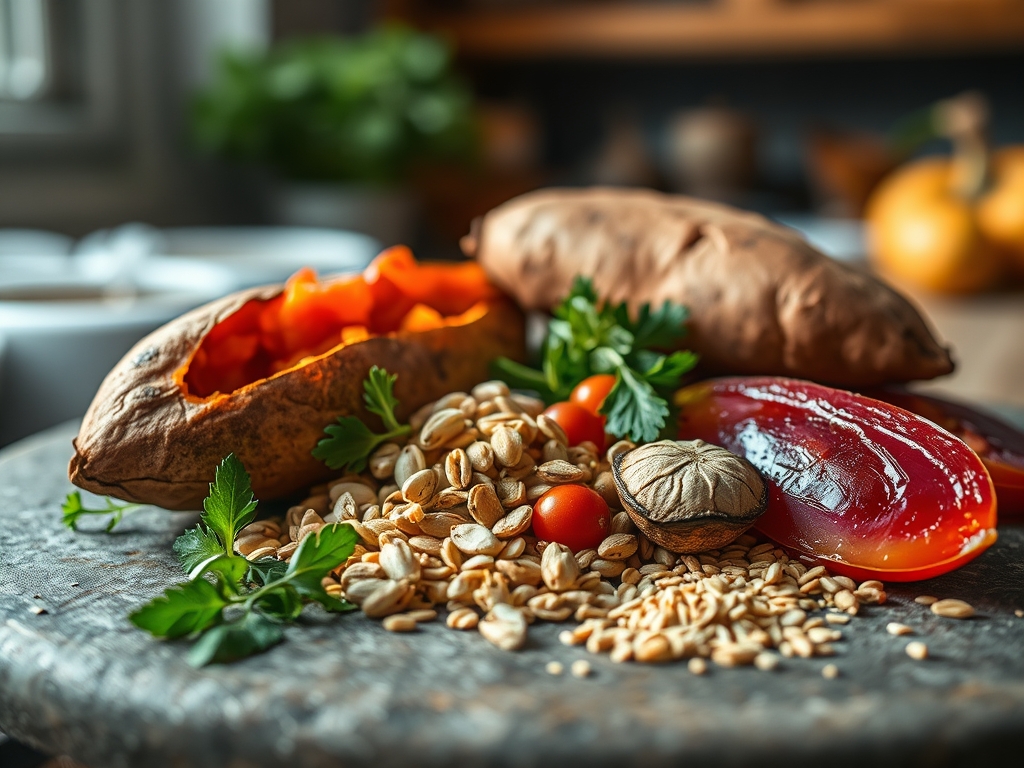
Setting up your mise-en-place is the difference between a chaotic kitchen and a professional flow. For these vegan baked sweet potato recipes, you need high-moisture Garnet or Jewel varieties. Their high sugar content ensures a superior caramelization compared to the starchier, pale-fleshed Hannah potatoes. You will also need a high-smoke-point fat. Avocado oil is my go-to because it remains stable at 450 degrees Fahrenheit, allowing the skin to crisp without developing bitter, oxidized notes.
Your toolkit is just as vital as your ingredients. Ensure you have a digital scale for precision, a heavy-bottomed baking sheet to prevent warping, and a microplane for zesting aromatics. For the fillings, we are looking for a balance of textures: viscous cashew creams, piquant pickled onions, and crunchy toasted pepitas.
Smart Substitutions: If you are avoiding nuts, sunflower seed butter creates an incredible savory "satay" base when thinned with lime juice. Instead of honey, use dark maple syrup or agave to maintain the vegan integrity while adding a complex, woody sweetness that complements the potato's earthiness.
The Clock:
Efficiency in the kitchen is about managing your "Chef's Flow." The total time investment for these recipes is approximately 65 minutes. Preparation takes a brisk 10 minutes; this involves scrubbing the skins with a stiff brush to remove grit and patting them bone-dry. Moisture is the enemy of a crisp exterior.
The active baking phase requires 45 to 55 minutes at 425 degrees Fahrenheit. While the potatoes are in their thermal bath, use this 45-minute window to prepare your eight "hack" toppings. This "staggered prep" ensures that the moment the potatoes emerge from the oven, you are ready to assemble. Do not rush the cooling process. A five-minute rest allows the internal steam to redistribute, ensuring every bite is consistently moist.
The Masterclass:
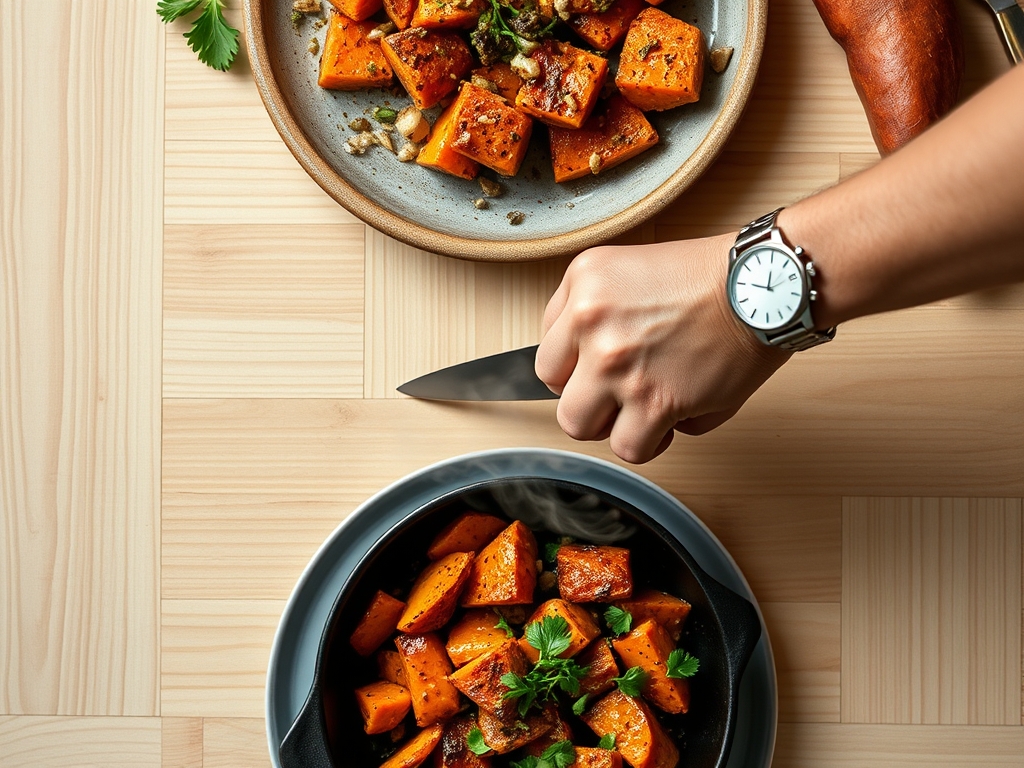
1. The Surface Prep
Scrub the potatoes and dry them thoroughly. Use a tongs to dip each potato into a bowl of salted avocado oil, ensuring every millimeter of the skin is coated. This creates a conductive layer that accelerates heat transfer.
Pro Tip: This technique utilizes conduction to heat the skin faster than the air alone, preventing the interior from drying out before the exterior is crisp.
2. The Strategic Piercing
Use a fork to prick the skin only four or five times. You want to allow just enough steam to escape to prevent an explosion, but not so much that the interior loses its creamy density.
Pro Tip: Limiting the puncture sites creates a pressurized environment inside the skin, which mimics the effects of a pressure cooker, breaking down starches into maltose more efficiently.
3. The High-Heat Roast
Place your potatoes directly on a wire rack set over a baking sheet. This allows 360-degree air circulation, ensuring no "soggy bottoms." Roast at 425 degrees until the internal temperature reaches 205 degrees Fahrenheit.
Pro Tip: Achieving a high internal temperature triggers starch gelatinization, where starch granules swell and burst, creating that sought-after pudding-like texture.
4. The Slice and Fluff
Once removed from the oven, use a bench scraper or sharp knife to slice down the center. Immediately use a fork to aerate the flesh, mashing it slightly while it is still piping hot.
Pro Tip: This prevents retrogradation, a process where starches recrystallize as they cool, which can lead to a grainy or tough texture if not fluffed while hot.
5. The Umami Bomb Hack
For your first hack, drizzle a mixture of white miso and melted vegan butter into the fluffed interior. The fermented notes of the miso provide a savory backbone that cuts through the sugar.
Pro Tip: Miso contains protease enzymes that continue to break down proteins on the palate, enhancing the "meaty" feel of the vegetable.
6. The Mediterranean Fold
Stuff the cavity with chickpeas, chopped kale, and a heavy drizzle of tahini. Use your saucier to warm the tahini with a splash of lemon juice first to ensure it is perfectly viscous.
Pro Tip: The fat in the tahini acts as an emulsifier, helping the lemon juice and potato starches bind together for a smoother mouthfeel.
7. The Spicy Buffalo Kick
Toss roasted cauliflower florets in frank's red hot and vegan ranch. Top the potato with this mixture for a high-fiber, low-calorie flavor explosion.
Pro Tip: Capsaicin in the hot sauce triggers thermogenesis, which can slightly increase your metabolic rate while providing a sharp contrast to the sweet potato.
8. The Dessert Transformation
Top with almond butter, toasted coconut, and a pinch of flaky sea salt. This turns your potato into a nutrient-dense dessert that satisfies the most intense sugar cravings.
Pro Tip: Adding sea salt at the end provides a flavor bridge, intensifying the perception of sweetness without adding extra sugar.
The Deep Dive:
When we look at the macro nutrition, sweet potatoes are a powerhouse. They are packed with complex carbohydrates and Vitamin A. To keep these vegan baked sweet potato recipes balanced, always pair your potato with a protein source like black beans or hemp seeds. If you are following a Keto lifestyle, you might swap the sweet potato for a lower-carb cauliflower mash, though the flavor profile will shift significantly. For my Gluten-Free friends, this is your holy grail meal; it is naturally wheat-free and incredibly satisfying.
The Fix-It:
- Soggy Skin: This happens when you wrap the potato in foil. Foil traps steam, which poaches the skin instead of roasting it. Skip the foil for a crisp finish.
- Hard Centers: You likely pulled them too early. Use a digital thermometer; if it is not 205 degrees, it is not done.
- Burnt Bottoms: Your oven rack is too low. Move it to the center position to avoid intense radiant heat from the bottom element.
For meal prep, reheating is a science. Avoid the microwave, which turns the skin to rubber. Instead, use an air fryer at 350 degrees for five minutes. This restores the "day-one" crunch by rapidly evaporating any surface moisture that accumulated in the fridge.
The Wrap-Up:
Mastering vegan baked sweet potato recipes is about more than just a meal; it is about reclaiming the joy of simple, whole-food cooking with a scientific edge. By focusing on surface moisture, internal temperature, and the perfect balance of umami and acid, you turn a basic root vegetable into a culinary event. Whether you are prepping for a busy week or hosting a cozy dinner, these eight hacks ensure you never have a boring bite. Now, go forth and roast with confidence!
The Kitchen Table:
How do I get the skin extra crispy?
Always pat the potato dry after washing. Coat the skin in a high-smoke-point oil like avocado oil and bake directly on a wire rack. This allows hot air to circulate entirely around the vegetable, preventing steam buildup.
Can I bake sweet potatoes ahead of time?
Yes, you can roast them up to four days in advance. To maintain quality, store them in an airtight container. Reheat in an oven or air fryer at 350 degrees to crisp the skin back up before serving.
Why is my sweet potato oozing syrup?
That "syrup" is actually concentrated maltose. It occurs when the potato's enzymes break down starches during a slow, high-heat roast. It is a sign of a perfectly caramelized, sweet interior and is highly desirable for flavor.
What is the best potato variety for baking?
Choose Garnet or Jewel sweet potatoes. They have a higher moisture and sugar content than the starchy, white-fleshed varieties. This results in a much creamier, "spoonable" texture once the roasting process is complete.