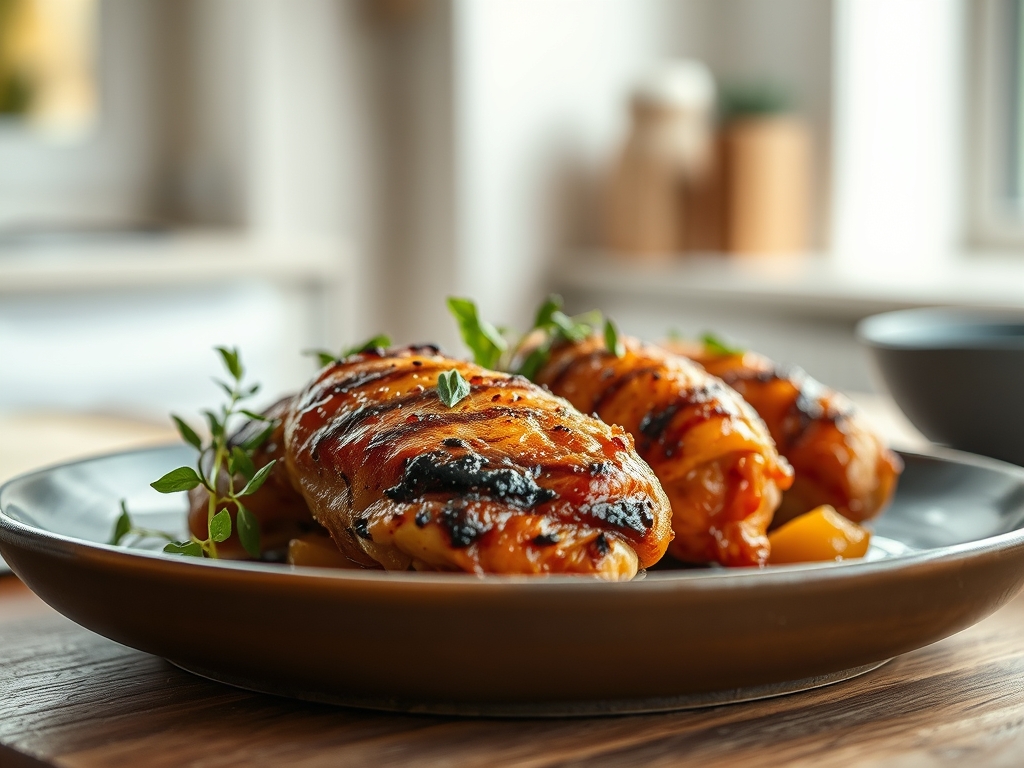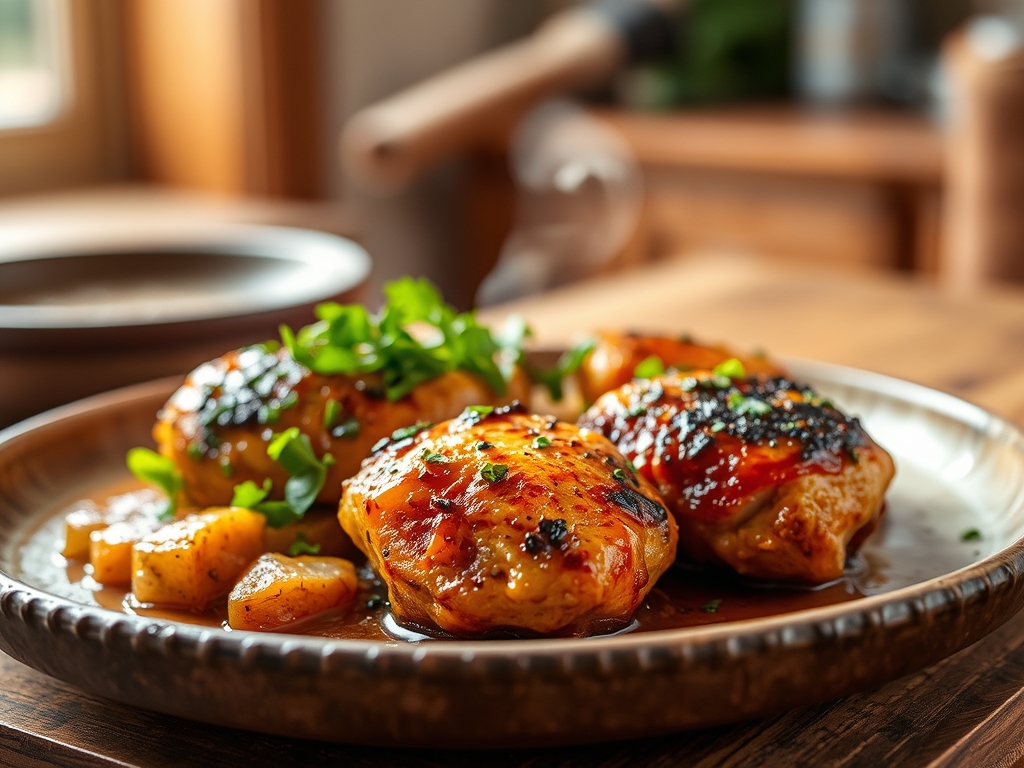
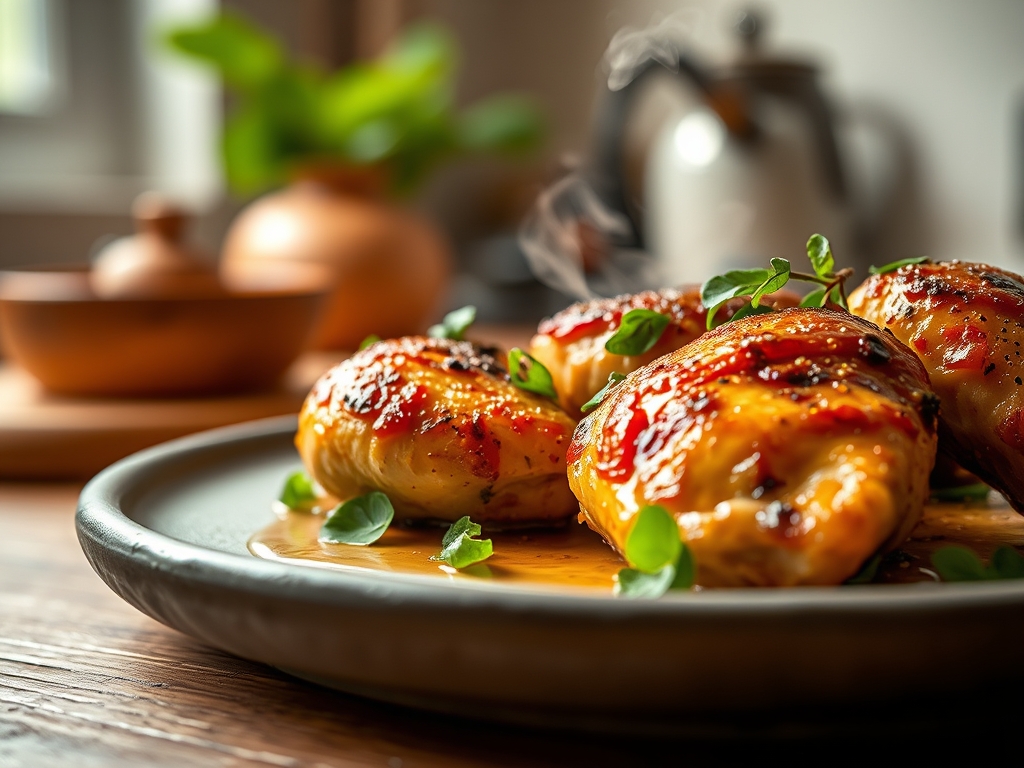
Picture the sizzle of a heavy-bottomed stainless steel skillet as cold protein hits shimmering oil. That immediate, intoxicating aroma of searing poultry is the hallmark of the best hellofresh chicken recipes, bridging the gap between frantic weeknight chaos and a curated culinary experience. We are not just making dinner; we are engineering a sensory event that balances piquant acids with rich, rendered fats. Whether you are craving a zesty citrus glaze or a velvety cream sauce, these dishes rely on the fundamental laws of thermodynamics and flavor layering to turn a simple chicken breast into a masterpiece of texture and taste.
The beauty of these recreations lies in the precision. By understanding how heat interacts with amino acids, you can achieve that elusive golden-brown crust while maintaining a juicy, tender interior. We are going to dive deep into the mechanics of the kitchen, using professional-grade techniques to elevate your home cooking. Grab your favorite apron and clear your workspace. We are about to transform your kitchen into a high-end bistro, one perfectly deglazed pan at a time. This is about more than just following a card; it is about mastering the art of the sear.
The Gathers:
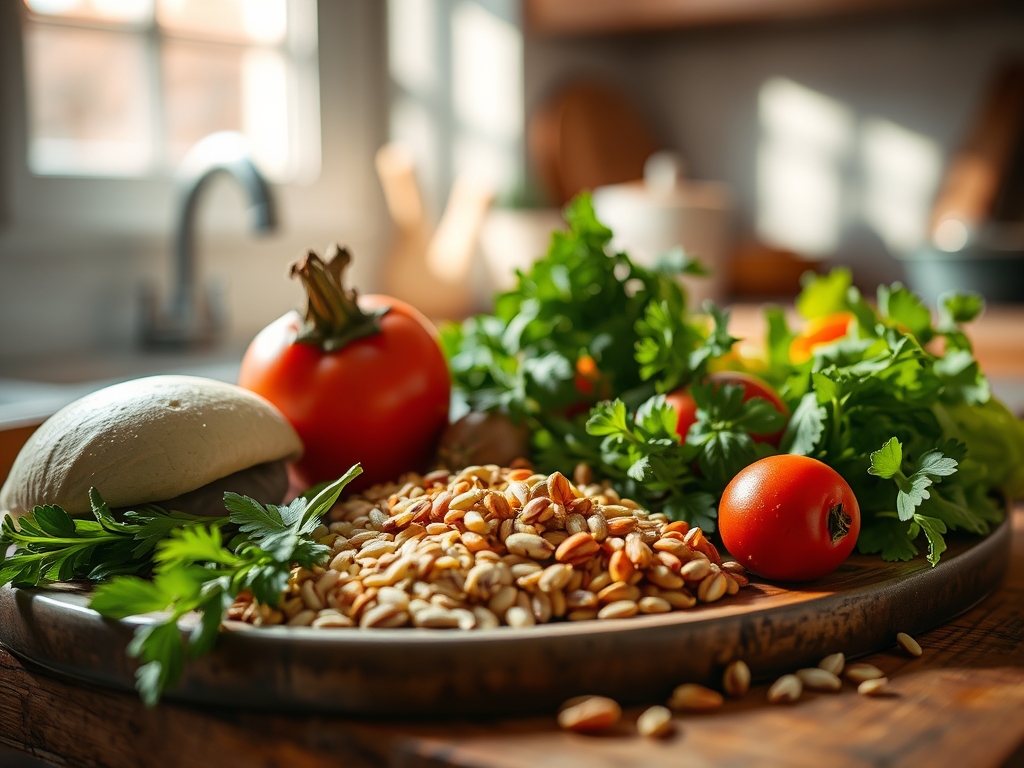
To replicate the iconic hellofresh chicken recipes, your mise-en-place must be impeccable. Start with high-quality chicken breasts or thighs, ensuring they are patted dry with paper towels to remove surface moisture. This is critical; water is the enemy of the Maillard reaction. You will need a selection of aromatics: fresh garlic cloves, shallots for a delicate sweetness, and scallions to provide both a sharp bite and a vibrant garnish.
Your pantry staples should include a viscous balsamic glaze, a high-smoke-point oil like avocado or grapeseed, and unsalted butter for finishing sauces. For the textural elements, gather panko breadcrumbs, which offer a larger surface area for crunch compared to standard crumbs. A microplane is essential here for zesting citrus and finely grating hard cheeses like Parmesan, ensuring they melt into a seamless, aerated coating.
Smart Substitutions:
If you are looking to lighten the profile, swap heavy cream for full-fat Greek yogurt to maintain a creamy mouthfeel with an added probiotic tang. For those avoiding gluten, almond flour mixed with nutritional yeast provides a savory, nutty crust that mimics the crunch of traditional breading. If shallots are unavailable, the white base of a leek offers a similar sophisticated sweetness without the aggression of a standard yellow onion.
The Clock:
Mastering the "Chef's Flow" is about overlapping tasks to maximize efficiency. Total active prep time for these dishes generally clocks in at 15 minutes, with a total cook time of 20 to 25 minutes. While your oven preheats to a steady 425 degrees Fahrenheit, you should be focused on your knife work. Use a sharp chef knife to slice aromatics while the chicken rests at room temperature; this reduces the thermal shock when the meat hits the pan.
The rhythm should be: Prep, Sear, Roast, and Sauce. While the chicken finishes in the oven, use those precious minutes to deglaze your skillet and build your pan sauce. This overlap ensures that the meat rests for the mandatory five minutes before slicing, allowing the internal juices to redistribute and thicken through capillary action.
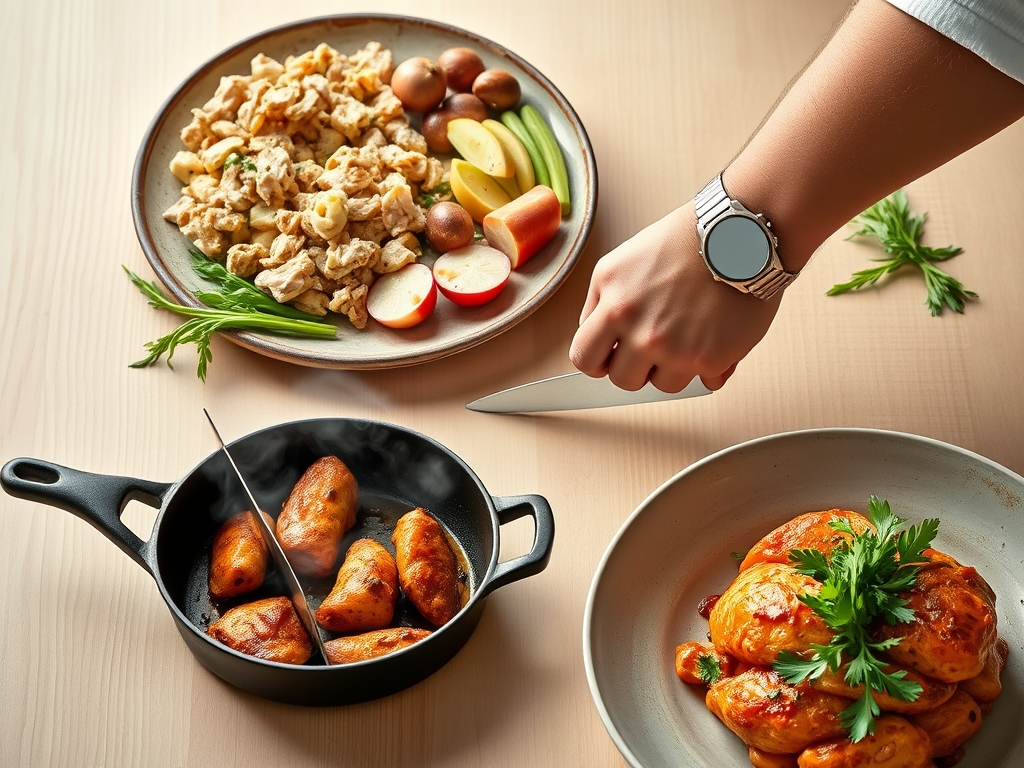
The Masterclass:
1. The Critical Sear
Heat your heavy-bottomed skillet over medium-high heat until the oil ripples. Place the seasoned chicken skin-side down (or the smooth side for breasts) and leave it alone. Resisting the urge to move the meat allows for enzymatic browning, creating a complex flavor profile.
Pro Tip: This is the Maillard reaction in action. If the meat sticks, it is not ready to flip. The proteins will naturally release from the pan once a sufficient crust has formed.
2. The Oven Transition
Transfer the skillet directly into the oven or move the chicken to a preheated baking sheet. This indirect heat ensures the center reaches a safe 165 degrees Fahrenheit without burning the exterior.
Pro Tip: Use a digital scale or meat thermometer to pull the chicken at 160 degrees. Thermal carryover will raise the temperature the final five degrees while the meat rests, preventing dryness.
3. The Deglaze and Emulsify
Once the chicken is removed, place the skillet back on the burner. Pour in a liquid like chicken stock, wine, or citrus juice. Use a whisk or wooden spoon to scrape up the fond, those brown bits stuck to the bottom.
Pro Tip: Deglazing captures concentrated flavor molecules. Finish the sauce by whisking in cold butter off the heat to create a stable emulsion that coats the back of a spoon.
4. The Aromatic Infusion
In the final stages of your sauce, add fresh herbs like thyme, parsley, or chives. This preserves the volatile oils that give herbs their bright, fresh scent, which would otherwise dissipate under high heat.
Pro Tip: High heat destroys delicate aromatic compounds. Adding herbs at the very end ensures the olfactory impact is maximized when the dish hits the table.
The Deep Dive:
When analyzing the nutrition of hellofresh chicken recipes, most servings hover between 600 and 800 calories. The balance is usually 35 percent protein, 40 percent complex carbohydrates, and 25 percent healthy fats. To make these Keto-friendly, simply replace the potato or rice side with roasted cauliflower or zoodles. For a vegan twist, firm tofu or seitan can be treated with the exact same searing and glazing techniques used for the poultry.
The Fix-It:
- Rubbery Chicken: This usually happens from overcrowding the pan, which causes the meat to steam in its own moisture. Fix: Use a larger pan or cook in batches.
- Broken Sauce: If your cream sauce separates, it is likely too hot. Fix: Remove from heat and whisk in a teaspoon of warm water or a splash of heavy cream to re-emulsify the fats.
- Bland Profile: If the dish lacks "pop," it needs acid. Fix: A squeeze of fresh lemon or a teaspoon of white wine vinegar will brighten the heavy fats and salts.
Meal Prep Science:
To reheat chicken without it becoming "rubbery," avoid the microwave. Use a low-heat oven (300 degrees) with a splash of water in the pan, covered with foil. This creates a gentle steam environment that rehydrates the protein fibers rather than toughening them.
The Wrap-Up:
There is a genuine thrill in mastering the techniques that make hellofresh chicken recipes so addictive. By focusing on the science of the sear and the chemistry of a perfect pan sauce, you have upgraded your kitchen skills from basic assembly to professional execution. Cooking is an experiment where you get to eat the results; so keep your pans hot, your knives sharp, and your curiosity peaked. You have officially turned a weeknight necessity into a culinary triumph!
The Kitchen Table:
How do I get the chicken extra crispy?
Pat the chicken extremely dry with paper towels. Use a mixture of oil and butter in a preheated heavy-bottomed skillet. Avoid moving the chicken for at least four minutes to allow the crust to fully develop and release naturally.
Can I use chicken thighs instead of breasts?
Absolutely. Thighs contain more connective tissue and fat, making them more forgiving and flavorful. Increase the oven time by 5 to 7 minutes to ensure the dark meat reaches an internal temperature of 175 degrees for optimal texture.
Why is my pan sauce always thin?
You likely did not reduce the liquid enough or missed the emulsification step. Simmer the liquid until it reduces by half, then whisk in cold butter cubes one at a time off the heat to create a thick, glossy coating.
What is the best way to store leftovers?
Store chicken and sauce in an airtight glass container for up to three days. Keep the sauce separate if possible to prevent the chicken from becoming soggy. Reheat gently using indirect heat to preserve the moisture levels.