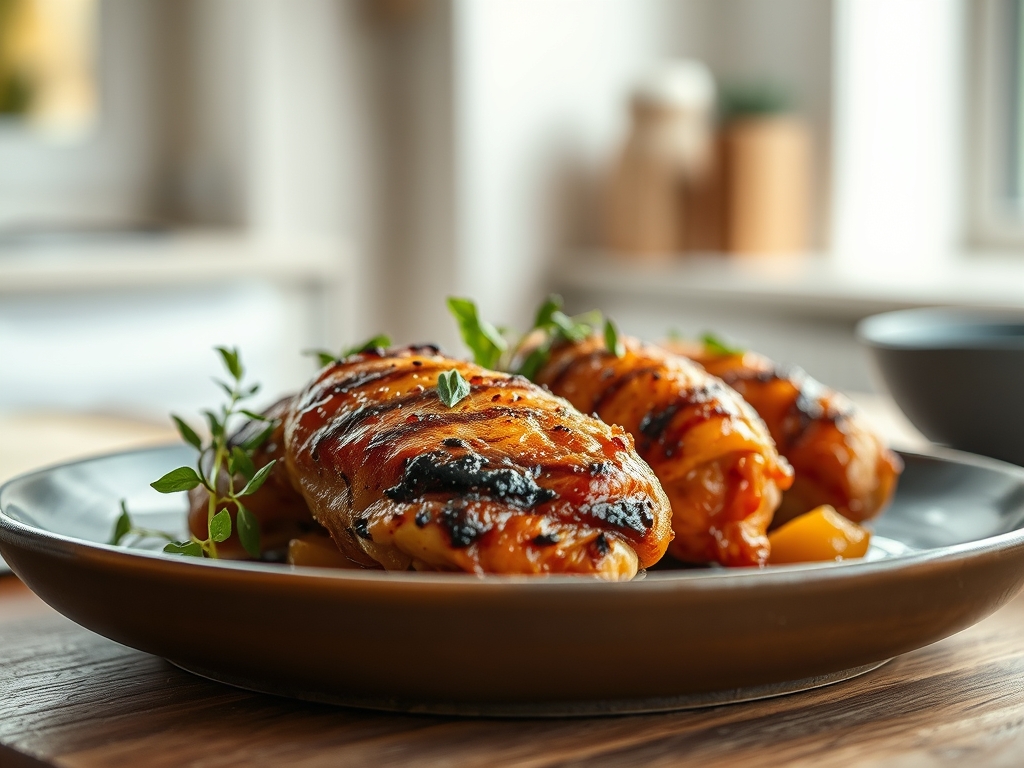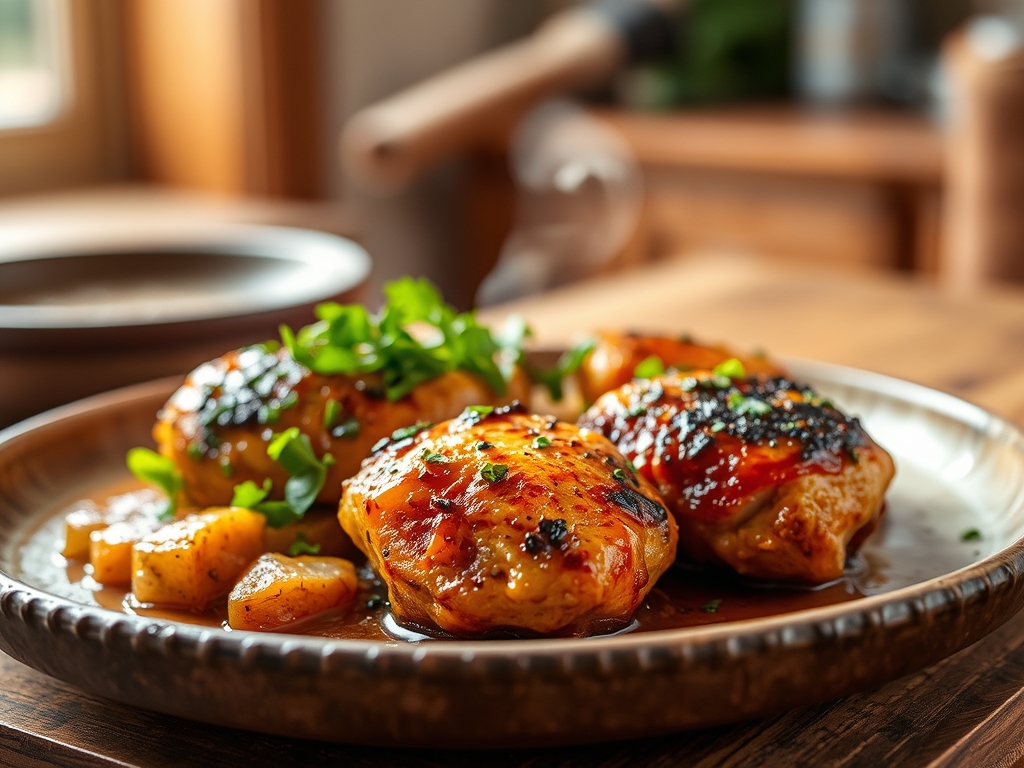
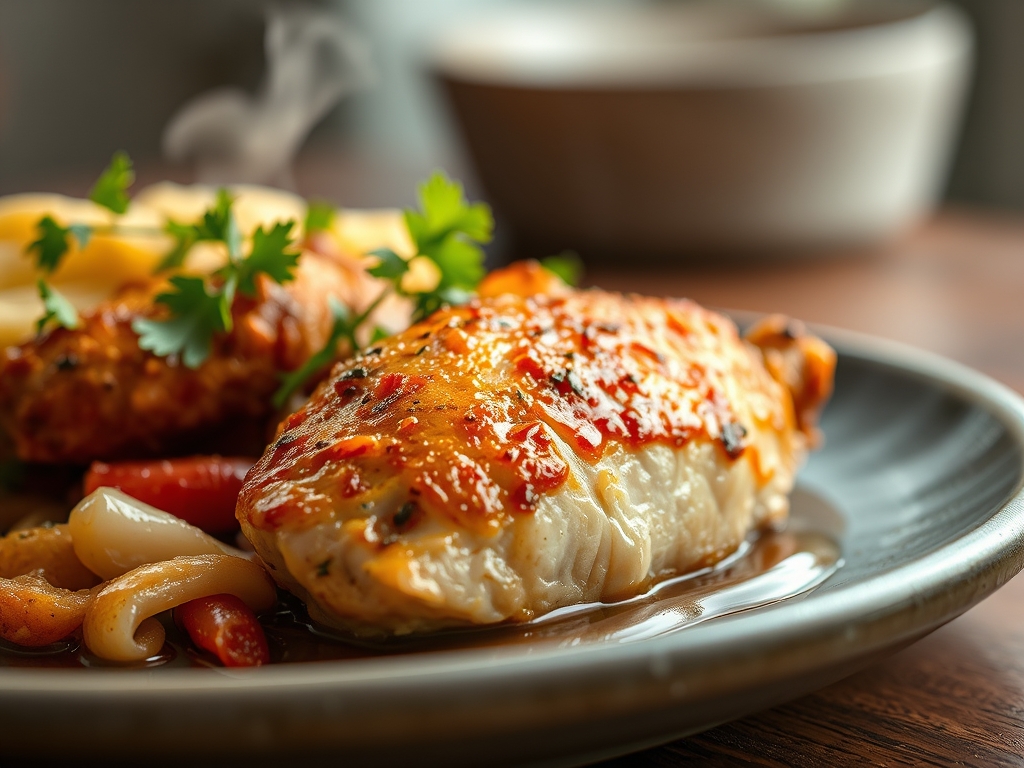
Listen to that sound. It is the rhythmic, aggressive sizzle of cold poultry hitting a seasoned cast iron skillet; a sound that signals the start of the most comforting meal on the planet. When we talk about southern chicken recipes, we are not just talking about food. We are talking about a technical mastery of heat, fat, and flour that transforms humble ingredients into gold. This is chemistry in a heavy-bottomed skillet. It is the science of the Maillard reaction meeting the soul of a Sunday afternoon. Whether you are craving the crunch of traditional fried chicken or the silky texture of a slow-simmered fricassee, these dishes rely on precise thermal control and moisture management. We are going to dive deep into the molecular magic that makes these ten recipes legendary. Grab your apron; we are about to turn your kitchen into a temple of crispy, juicy perfection.
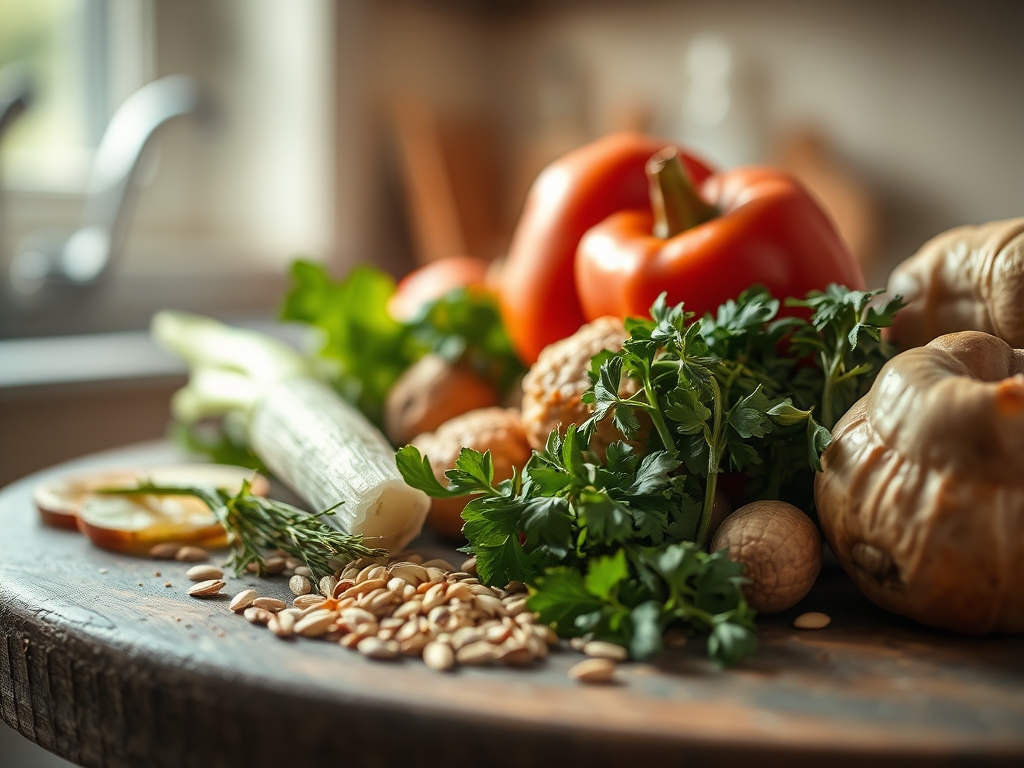
The Gathers:
Setting your stage, or mise-en-place, is the difference between a frantic kitchen and a rhythmic flow. You will need a high-quality digital scale to measure your flour and cornstarch. Volumetric measuring is too inconsistent for the perfect dredge. Your pantry should boast high-smoke-point fats like peanut oil or lard; these allow for high-temperature frying without the oil breaking down into acrid compounds. For the aromatics, gather fresh thyme, rosemary, and plenty of piquant cayenne pepper.
Smart Substitutions: If you find yourself without buttermilk, do not panic. You can create a functional acidic analog by adding one tablespoon of lemon juice to a cup of whole milk. This triggers the denaturation of milk proteins, mimicking the viscous texture and tangy profile of real buttermilk. If you are avoiding gluten, a 50/50 blend of white rice flour and cornstarch creates an incredibly light, aerated crust that stays crisp longer than traditional wheat flour due to its lower protein content.
The Clock
Efficiency in the kitchen is all about the Chef's Flow. For these southern chicken recipes, expect a preparation time of roughly 30 to 45 minutes. This includes the crucial step of "tempering" your meat; letting the chicken sit at room temperature for 20 minutes so the muscle fibers do not seize up when they hit the heat.
The cooking time varies by method. Pan-frying takes 12 to 15 minutes per batch, while a smothered chicken or a slow-cooked stew will require 45 to 60 minutes to allow the connective tissues (collagen) to gelatinize and become tender. Total time commitment is usually around 90 minutes. Always build in a 10-minute resting period at the end. This allows the internal juices to redistribute, ensuring every bite is succulent rather than dry.
The Masterclass
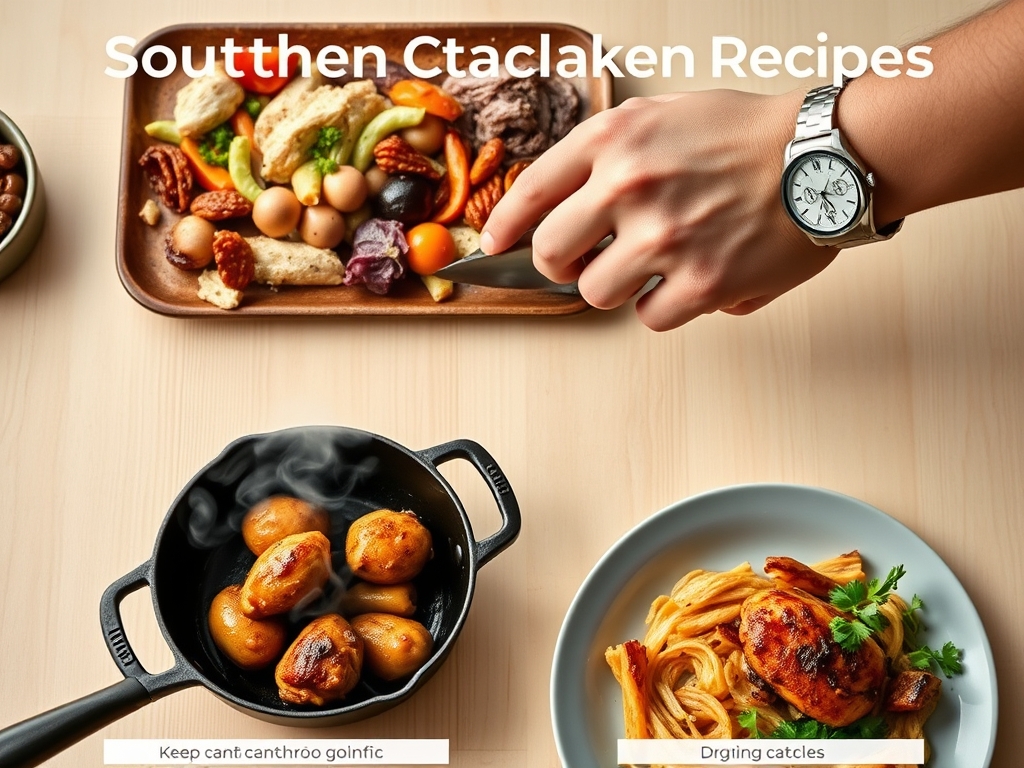
1. The Brine and Infusion
Submerge your chicken in a 5 percent salt-to-water solution (a basic brine) for at least four hours. This process uses osmosis to pull moisture into the cells. Use a large stainless steel bowl to avoid any metallic reactivity with the brine.
Pro Tip: Adding sugar to your brine enhances the Maillard reaction during cooking. This chemical interaction between amino acids and reducing sugars creates that deep, savory "browned" flavor profile.
2. The Dredge and Aeration
Whisk your dry ingredients (flour, cornstarch, and spices) vigorously to aerate the mixture. This ensures the coating is light and avoids a "leaden" crust. Use a shallow glass dish for the dredge to ensure even coverage.
Pro Tip: Let the dredged chicken sit on a wire cooling rack for 15 minutes before frying. This allows the flour to hydrate and form a "glue" with the proteins, preventing the breading from falling off in the pan.
3. Thermal Management
Heat your oil in a heavy-bottomed skillet to exactly 350 degrees Fahrenheit. Use an infrared thermometer or a clip-on probe to monitor the temperature. When you add the chicken, the temperature will drop; you must adjust the flame to maintain a steady heat.
Pro Tip: Do not overcrowd the pan. Overcrowding leads to a massive temperature drop, causing the chicken to steam rather than fry. This results in greasy, oil-soaked skin instead of a crisp exterior.
4. The Render and Sear
For recipes like smothered chicken, start by searing the skin side down to render the subcutaneous fat. Use a pair of sturdy stainless steel tongs to flip the pieces without piercing the meat and losing precious juices.
Pro Tip: Fat is a flavor conductor. By rendering the chicken fat first, you create a savory base for your gravy, utilizing the natural lipids to carry the fat-soluble compounds of your spices.
5. The Deglaze and Emulsification
After browning, remove the chicken and use a wooden spoon to scrape the "fond" (the brown bits) from the bottom of the pan. Add your liquid (stock or wine) to deglaze the surface.
Pro Tip: The fond is concentrated flavor. When you deglaze, you are dissolving those caramelized proteins back into the sauce. Whisk in a cold pat of butter at the end to create a glossy, stable emulsion.
The Deep Dive
When we look at the macro nutrition of southern chicken recipes, we are looking at a high-protein, high-fat profile. A standard serving of fried chicken contains roughly 30 grams of protein and 20 grams of fat. To lighten the load, you can opt for an air-fryer method, which uses convection to mimic the frying process with 80 percent less oil.
Dietary Swaps: For a Keto-friendly version, swap the flour for crushed pork rinds or almond flour. This provides the necessary "crunch" without the carbohydrate load. For a vegan "chicken" substitute, use pressed extra-firm tofu or seitan. Both have the structural integrity to withstand a heavy dredge and high-heat frying.
The Fix-It:
- Soggy Crust: This usually means your oil temperature was too low. Fix it by ensuring the oil returns to 350 degrees between batches.
- Raw at the Bone: If the outside is dark but the inside is raw, use "thermal carryover." Place the chicken in a 300-degree oven for 10 minutes to finish the interior without burning the crust.
- Broken Gravy: If your gravy separates, it means the fat and liquid have uncoupled. Fix this by whisking in a tablespoon of heavy cream or a slurry of cornstarch and cold water to re-emulsify the sauce.
Meal Prep and Reheating: To maintain "day-one" quality, never use a microwave. The microwave excites water molecules, turning the crust into a rubbery mess. Instead, reheat chicken in a 350-degree oven on a wire rack. This allows hot air to circulate around the entire piece, re-crisping the skin while gently warming the center.
The Wrap-Up
Mastering southern chicken recipes is about more than just following a list of ingredients. It is about understanding the physics of heat and the chemistry of flavor. From the initial brine to the final rest, every step serves a scientific purpose. When you use the right tools, like a heavy-bottomed skillet and a digital scale, you take the guesswork out of the process. You are now equipped to create chicken that is structurally sound, aromatically complex, and undeniably delicious. Go ahead and get that oil shimmering; your kitchen is ready for a masterpiece.
The Kitchen Table
How do I keep the breading from falling off my chicken?
Allow the dredged chicken to rest on a wire rack for 15 minutes before frying. This lets the flour hydrate and bond to the proteins, creating a stable "skin" that adheres firmly during the high-heat frying process.
What is the best oil for frying southern chicken?
Use oils with a high smoke point, such as peanut, canola, or grapeseed oil. These fats can withstand the 350-degree heat required for a crisp crust without breaking down into bitter, scorched compounds that ruin the flavor.
Can I make southern fried chicken in an air fryer?
Yes. Lightly spray the breaded chicken with oil and cook at 400 degrees. The air fryer uses high-velocity convection to mimic the Maillard reaction, though the texture will be slightly more "baked" than traditional deep-fried versions.
Why is buttermilk used in so many southern chicken recipes?
Buttermilk is acidic, which helps tenderize the meat by breaking down tough muscle fibers. Its viscous texture also acts as a superior binder, ensuring the flour dredge sticks to the chicken for a thicker, crunchier crust.
How do I know when the chicken is safely cooked?
Use a digital meat thermometer to check the thickest part of the thigh. It should read 165 degrees Fahrenheit. This ensures all pathogens are destroyed while the meat remains juicy due to proper protein denaturation.