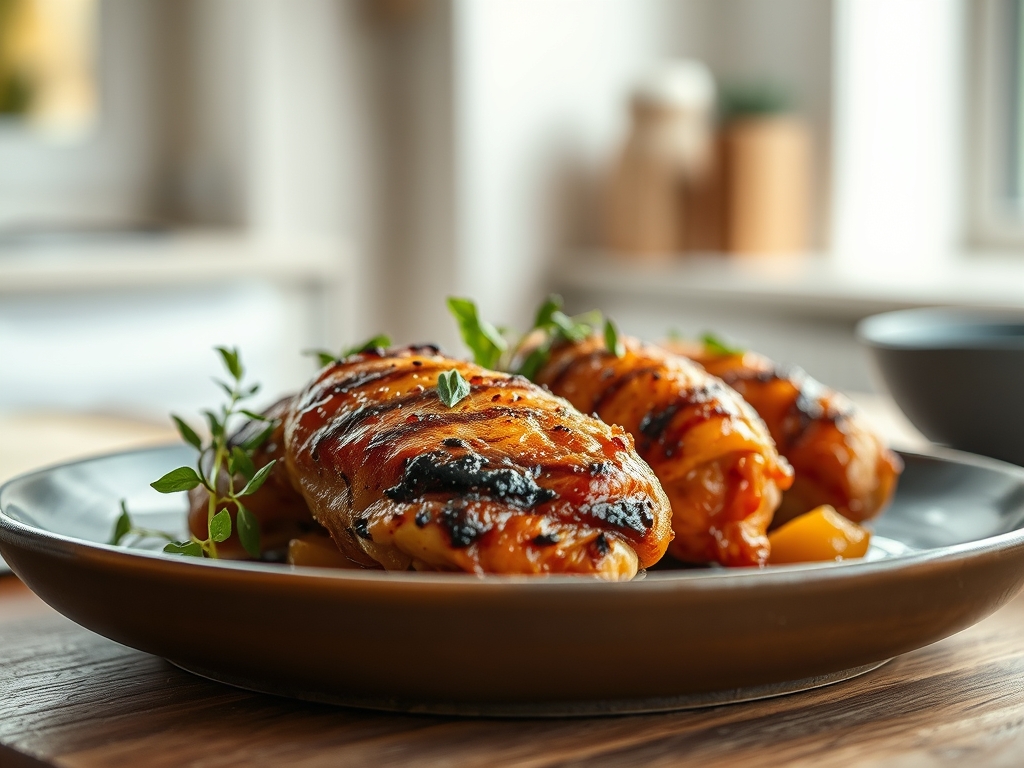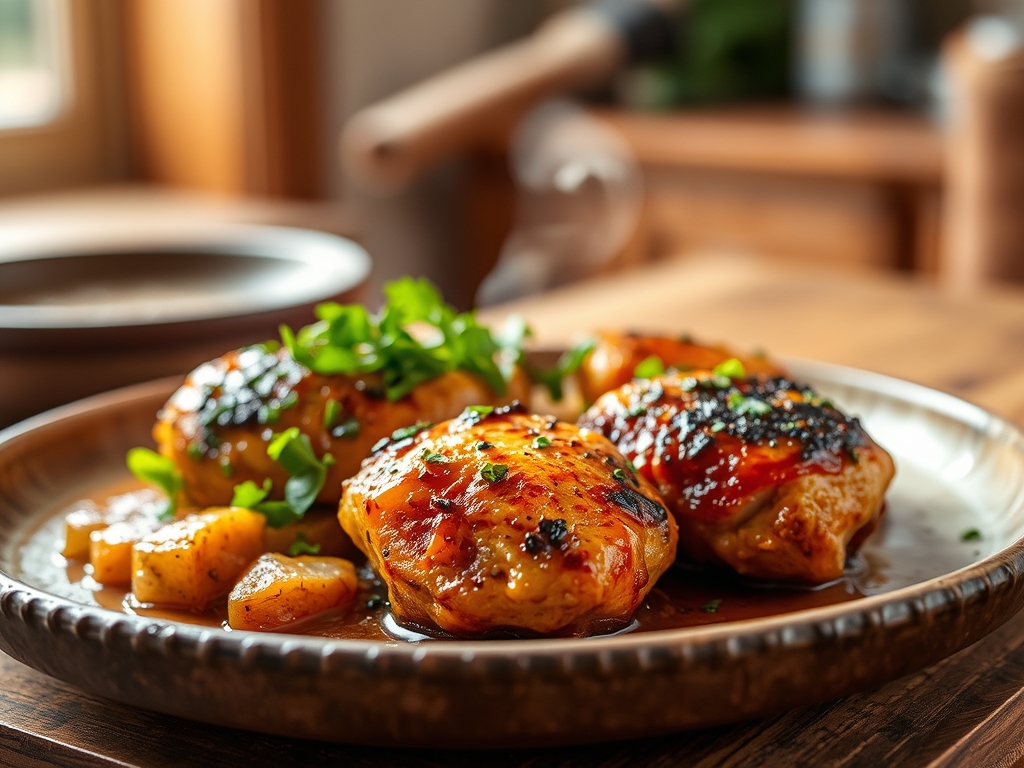
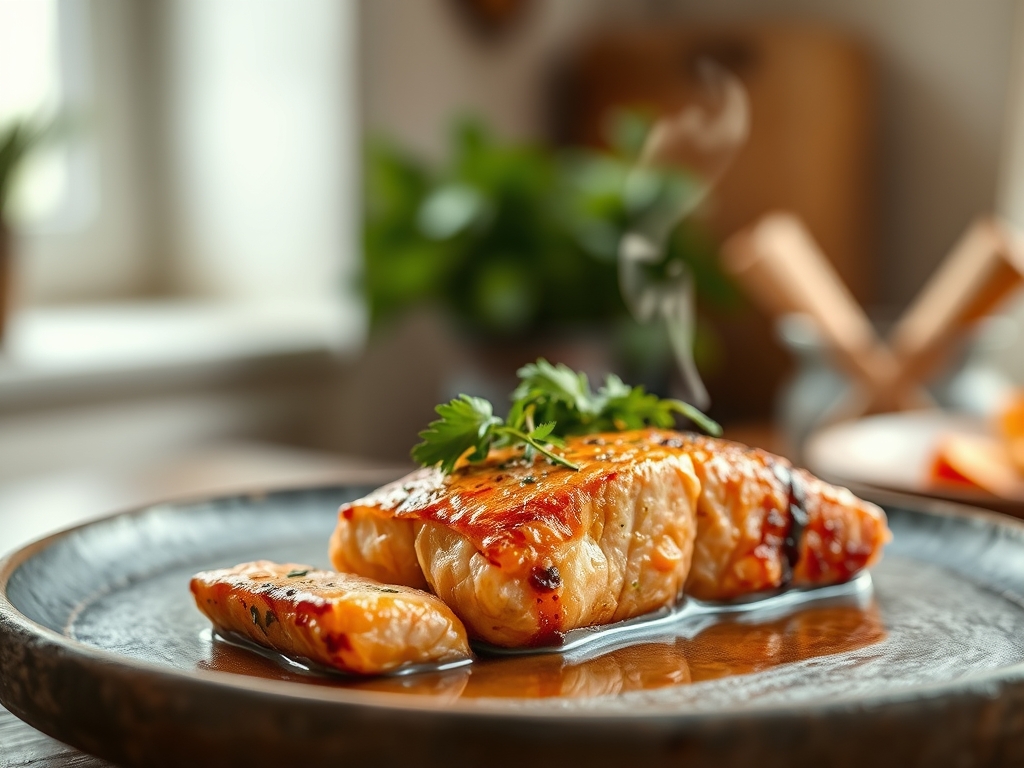
Imagine the sharp, citrusy bite of fresh lime colliding with the fatty, buttery richness of a perfectly seared Atlantic fillet. That is the magic of cuban salmon recipes; a culinary intersection where Caribbean acidity meets the deep omega-3 profile of the sea. We are not just cooking dinner tonight; we are engineering a flavor profile that balances the piquant zip of garlic with the earthy warmth of cumin. When you slide that tray into the oven, the kitchen transforms. The air fills with the scent of caramelized citrus and charred herbs, a sensory invitation that promises a meal both sophisticated and soul-warming. This is about more than just protein. It is about the chemistry of the crust and the tender, flaking interior that defines a masterclass roast. Whether you are hosting a vibrant dinner party or looking for a weeknight upgrade, these bold roasts provide a high-octane flavor experience that refuses to be boring. Grab your apron and your favorite heavy-bottomed skillet; we are about to redefine what salmon can do.
The Gathers:
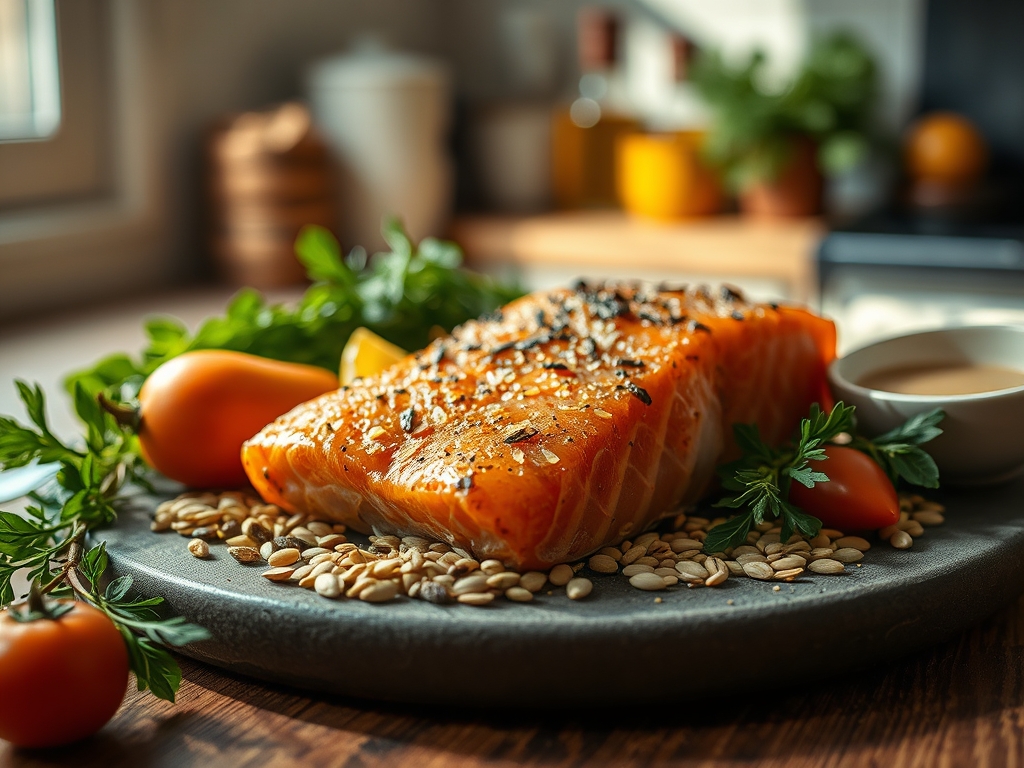
To execute these cuban salmon recipes with precision, your mise-en-place must be impeccable. Start with high-quality salmon fillets, preferably center-cut for uniform thickness. You will need a microplane to harvest the zest from limes and oranges without hitting the bitter white pith. The marinade requires a base of extra virgin olive oil, which acts as a viscous carrier for fat-soluble aromatics like dried oregano and smoked paprika. Fresh garlic is non-negotiable; use a garlic press or the flat side of a chef knife to create a paste that will infuse the oil thoroughly.
For the "Smart Substitutions," if you cannot find sour oranges (Naranja Agria), create a 2:1 ratio of lime juice to orange juice to mimic that specific tropical acidity. If you are watching your sodium, swap traditional sea salt for a pinch of potassium chloride or increase the toasted cumin to provide a savory "perceived saltiness." For those who prefer a deeper sweetness, a teaspoon of honey or agave nectar will help the surface of the fish render and caramelize more effectively under the broiler.
The Clock
Efficiency in the kitchen is all about the "Chef's Flow." For these cuban salmon recipes, expect a total time of 35 minutes. Prep takes roughly 15 minutes, which includes the zesting, juicing, and portioning of the fish. The actual roasting time is a swift 12 to 15 minutes depending on the thickness of your fillets.
The "Chef's Flow" dictates that you prepare your marinade first. This allows the dried spices to rehydrate in the citrus juices while you prep your side dishes. Never cook salmon straight from the refrigerator. Let the fillets sit at room temperature for 10 minutes before roasting; this ensures the center reaches the target temperature without the exterior becoming overcooked and dry.
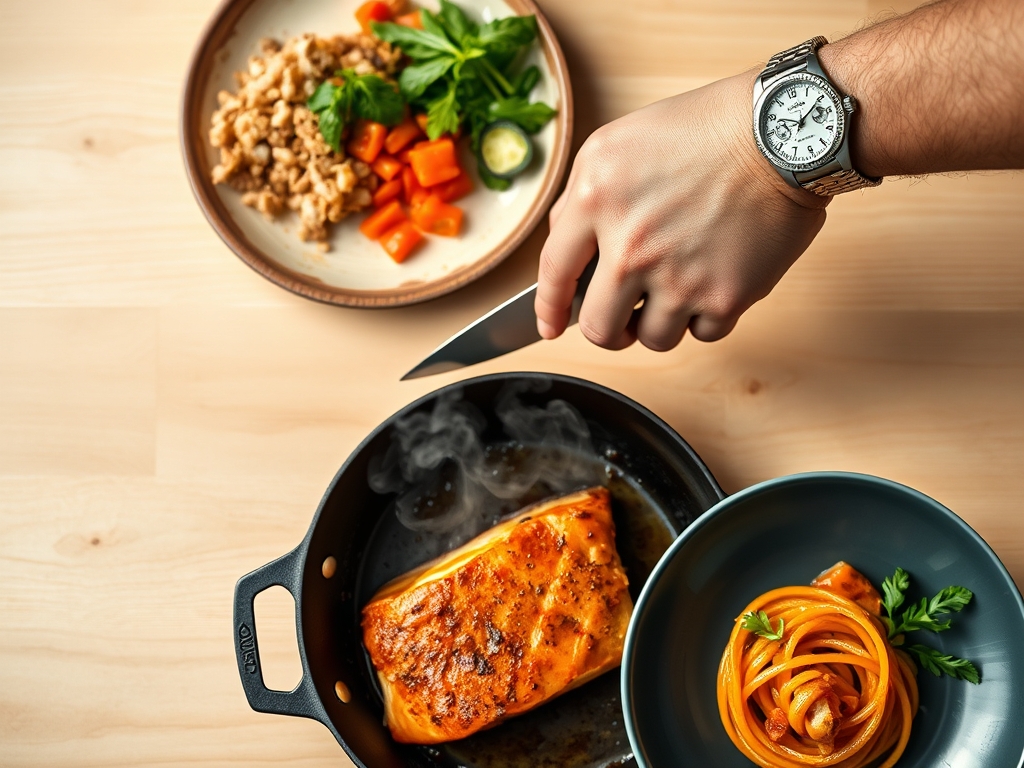
The Masterclass
1. Prepare the Citrus Mojo Base
In a small saucier or glass bowl, whisk together lime juice, orange juice, minced garlic, cumin, oregano, and olive oil. Ensure the mixture is well-emulsified so the fats and acids do not separate during the coating process.
Pro Tip: This step utilizes acidic denaturation. The citrus juices begin to break down the protein structures on the surface of the fish, allowing the spices to penetrate deeper into the flesh for a more intense flavor profile.
2. Pat the Salmon Dry
Use a lint-free paper towel to remove every trace of moisture from the skin and surface of the salmon. A dry surface is the only way to achieve a professional-grade sear or roast.
Pro Tip: Moisture is the enemy of the Maillard reaction. If the surface is wet, the thermal energy will be spent evaporating water rather than browning the proteins, resulting in gray, steamed fish instead of a golden crust.
3. Apply the Rub and Marinade
Place your fillets on a parchment-lined baking sheet. Generously brush the Mojo mixture over the top and sides. If you are using a dry spice rub, use your fingers to press the spices into the flesh to ensure they adhere during the roast.
Pro Tip: Using a silicone pastry brush ensures even distribution without tearing the delicate muscle fibers of the fish. This creates a uniform barrier that traps internal moisture.
4. The High-Heat Roast
Slide the tray into an oven preheated to 400 degrees Fahrenheit. Position the rack in the upper third of the oven to take advantage of the intense radiant heat.
Pro Tip: High-heat roasting triggers lipid oxidation in the healthy fats of the salmon, which creates those complex, savory aromas we associate with gourmet cooking. It also ensures the skin becomes crisp rather than rubbery.
5. Monitor the Internal Temperature
Use a digital scale or, more importantly, an instant-read thermometer to check the thickest part of the fillet. You are looking for 130 to 135 degrees Fahrenheit for a perfect medium-rare to medium finish.
Pro Tip: Remember thermal carryover. The internal temperature will continue to rise by 5 degrees after you remove the fish from the oven. Pulling it early prevents the albumin (the white protein) from leaking out and drying the fish.
6. The Rest and Finish
Transfer the salmon to a warm platter using a wide offset spatula. Let it rest for three minutes before serving. Garnish with fresh cilantro and a final squeeze of lime juice to brighten the fats.
Pro Tip: Resting allows the muscle fibers to reabsorb the juices that were pushed to the center during cooking. This results in a flake that is succulent and tender throughout.
The Deep Dive
From a macro perspective, cuban salmon recipes are a nutritional powerhouse. A standard 6-ounce serving provides roughly 34 grams of high-quality protein and 20 grams of healthy fats, primarily Omega-3 fatty acids. This makes it an ideal choice for Keto and Paleo lifestyles. For a Vegan swap, use the same Mojo marinade on thick slabs of cauliflower or firm tofu. For a Gluten-Free guarantee, ensure your dried spices are certified and not processed in a facility with wheat.
"The Fix-It" section covers common hurdles. If your salmon is sticking to the pan, you likely didn't let the pan get hot enough or the skin was too wet; use a bench scraper to gently lift it next time. If the garlic tastes bitter, it may have burned under the broiler; try tucking the garlic under the fillet or mixing it more thoroughly into the oil. If the fish is "mushy," it was likely over-marinated in the citrus; never let salmon sit in Mojo for more than 30 minutes.
For meal prep, reheating is a science. Avoid the microwave, which turns salmon into rubber. Instead, place the leftover fillet in a covered pan with a splash of water over low heat. This creates a steam-convection environment that restores "day-one" moisture without overcooking the delicate fats.
The Wrap-Up
Mastering cuban salmon recipes is like adding a vibrant, tropical tool to your culinary belt. It is a celebration of bold flavors, scientific precision, and the joy of a perfectly cooked meal. By understanding the chemistry of the Maillard reaction and the importance of thermal carryover, you have moved beyond being a follower of recipes to being a true creator in the kitchen. Now, pour yourself a glass of crisp white wine, set the table, and enjoy the fruits of your labor. Your kitchen has never smelled this good.
The Kitchen Table
How do I prevent the white stuff from appearing on salmon?
That white substance is albumin. To minimize it, do not overcook the fish. Brining the salmon in a basic salt solution for ten minutes before roasting also helps coagulate the proteins so they stay inside the muscle fibers.
Can I use frozen salmon for these recipes?
Yes, but ensure it is completely thawed and patted dry. Frozen salmon often contains extra moisture, so you must be extra diligent with the drying process to ensure the spices adhere and the skin crisps properly during roasting.
What is the best way to store leftovers?
Store roasted salmon in an airtight glass container for up to three days. To maintain the best texture, keep the extra Mojo sauce in a separate container and drizzle it over the fish just before reheating to restore moisture.
What side dishes pair best with Cuban salmon?
Traditional pairings include black beans and rice (Moros y Cristianos) or garlicky sautéed kale. The acidity of the salmon also pairs beautifully with roasted sweet potatoes or a crisp jicama slaw to balance the rich fats of the fish.