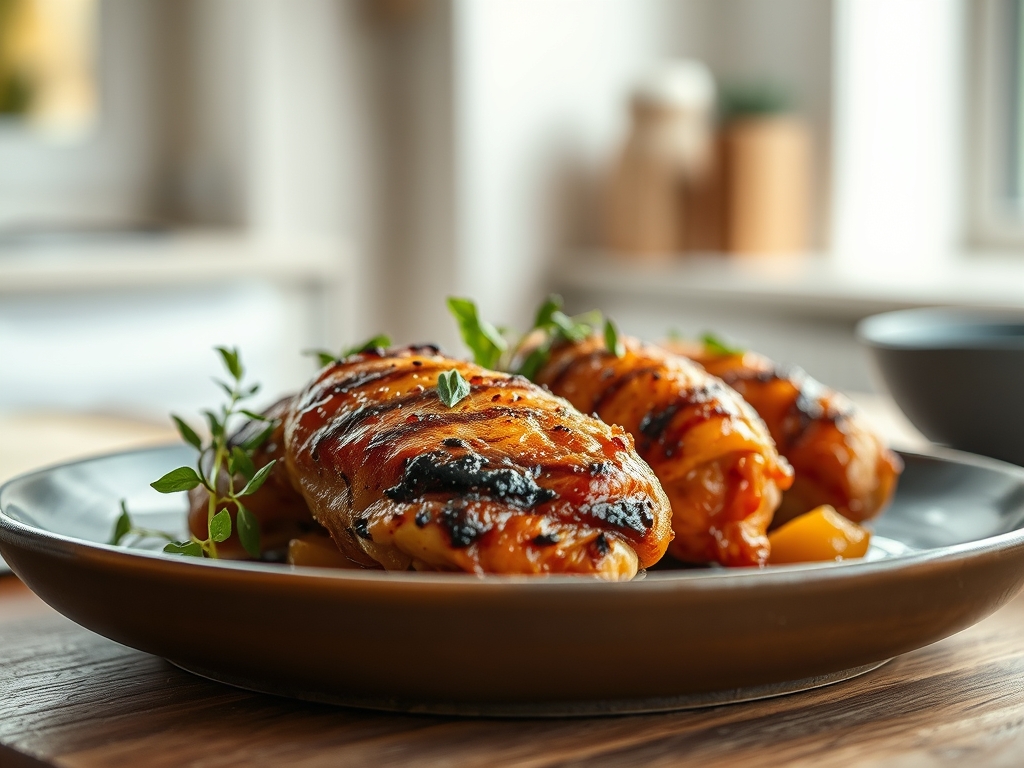
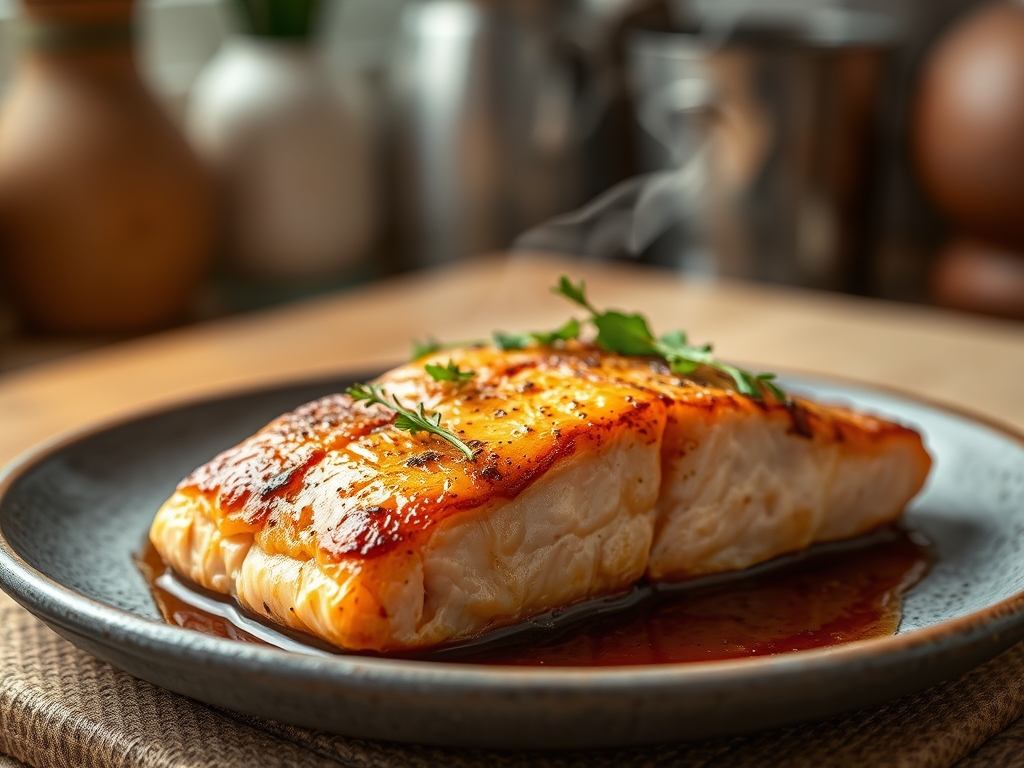
Picture this: the sun is dipping below the horizon, the air is thick with the scent of charcoal, and you are standing over the grill with a glass of chilled Rose. You are not just cooking; you are orchestrating a masterpiece of heat and protein. When searching for easy salmon recipes for bbq, most people settle for dry, flaky tragedy. Not you. Today, we are mastering the art of the perfect sear, the buttery interior, and that elusive crispy skin that shatters like glass under your fork. We are diving into the molecular magic that turns a simple fillet into a high-end bistro experience right in your backyard.
To achieve this, we must respect the fish. Salmon is a delicate powerhouse of omega-3 fatty acids and vibrant pigments like astaxanthin. It requires a gentle touch but a firm understanding of thermodynamics. We are going to explore how to manipulate surface moisture and radiant heat to ensure your dinner is the talk of the neighborhood. Forget everything you thought you knew about "grilling fish." We are moving beyond the basic foil packet into the realm of professional culinary styling where texture is king and flavor is absolute.
The Gathers:
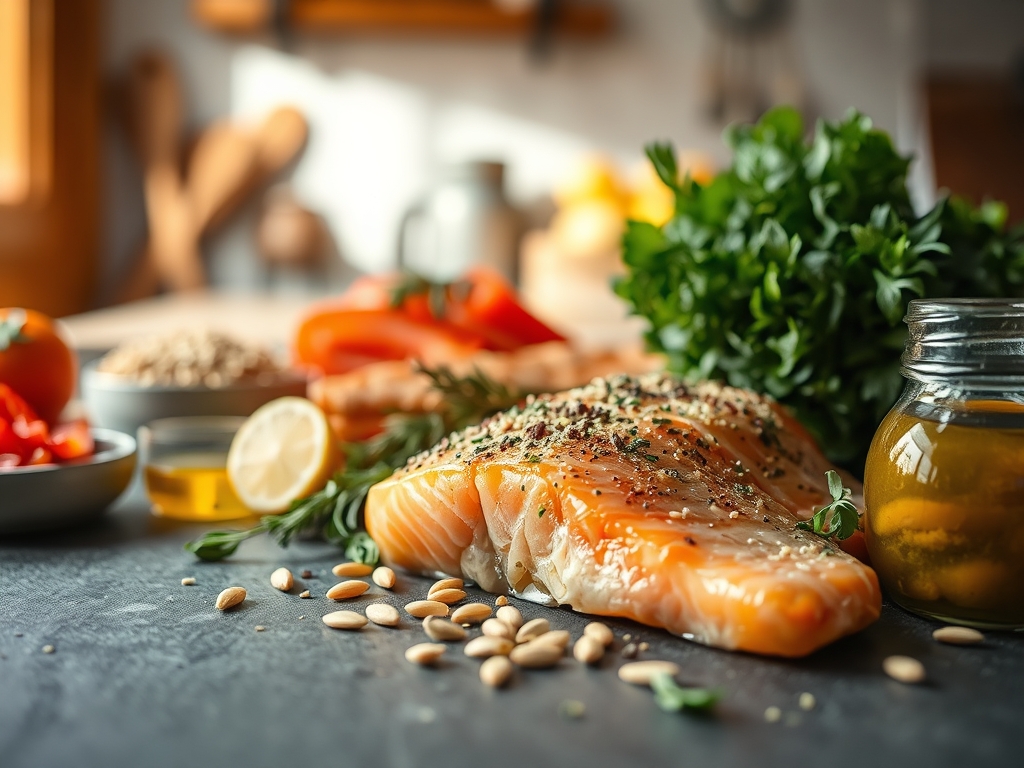
Before we strike a single match, we must assemble our arsenal. Start with high-quality, center-cut fillets. Look for deep coloration and firm flesh that springs back when touched. You will need a microplane for zesting citrus, a digital scale to ensure even portioning, and a saucier to whisk together your glaze.
Our flavor profile relies on a viscous marinade of honey, soy sauce, and toasted sesame oil. The sugars in the honey are essential for the Maillard reaction, while the soy provides a piquant depth. You will also need fresh ginger, garlic, and scallions to infuse the oil. For the "Smart Substitutions," if you are avoiding soy, coconut aminos offer a similar umami profile with a lower glycemic index. If honey is too sweet, a splash of maple syrup provides a woody complexity that pairs beautifully with smoke.
Ensure your salmon is at room temperature before it hits the grates. Cold fish shocks the hot metal, leading to sticking and uneven cooking. Use a bench scraper to clean your prep surface and a high-smoke-point oil like avocado or grapeseed to coat the skin. This creates a hydrophobic barrier that prevents the delicate proteins from bonding to the grill.
The Clock
The "Chef's Flow" is all about timing. Total prep time is 15 minutes, which includes the meticulous task of removing pin bones with tweezers and patting the skin bone-dry. The salmon requires a 20-minute rest in the marinade to allow the salt to penetrate the muscle fibers via osmosis.
The actual cook time is remarkably fast: 6 to 8 minutes total. You will spend 4 minutes on the skin side to render the subcutaneous fat and 2 to 3 minutes on the flesh side to reach a perfect medium-rare. Factor in a 5-minute rest period post-grill. This allows the internal juices to redistribute, ensuring every bite is succulent rather than leaking out onto the plate.
The Masterclass
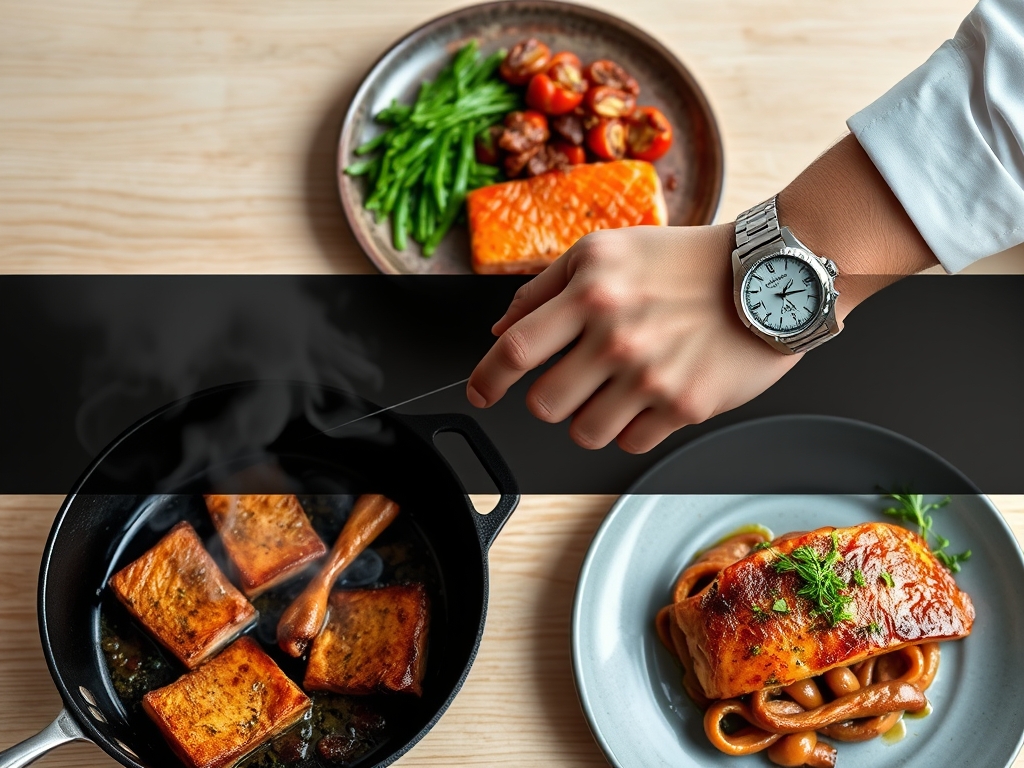
1. The Desiccation Ritual
Use a paper towel to press every ounce of moisture from the skin. Moisture is the enemy of crispiness; if the surface is wet, the energy of the grill will be spent evaporating water rather than browning the fish.
Pro Tip: This is known as preventing "evaporative cooling." By removing water, you allow the surface temperature to rise rapidly above 300 degrees Fahrenheit, triggering the Maillard reaction for a savory, browned crust.
2. The Acid Balance
Whisk your marinade in a saucier until the honey is fully incorporated. Do not add lemon juice yet; save the acid for the very end.
Pro Tip: Acid denatures proteins, essentially "cooking" the fish like a ceviche. Adding it too early results in a mushy, chalky texture. Wait until the final 60 seconds of cooking to apply acidic glazes.
3. The Heat Zone Setup
Create a two-zone fire on your grill. One side should be screaming hot for the initial sear, while the other remains at a moderate temperature for gentle finishing.
Pro Tip: This manages thermal carryover. Salmon continues to cook after it leaves the heat. Pulling it at 125 degrees Fahrenheit ensures it reaches the ideal 130 degrees during the rest period.
4. The Oil Application
Brush the grill grates with a rolled-up paper towel dipped in oil. Use long tongs to keep your hands away from the heat.
Pro Tip: This creates a "seasoned" surface similar to a cast-iron skillet. The oil fills the microscopic pores of the metal, creating a smooth plane that the fish can slide across.
5. The Skin-Down Commitment
Place the salmon skin-side down on the hottest part of the grill. Do not touch it. Do not move it. Let the heat work its magic for at least three minutes.
Pro Tip: This allows the collagen in the skin to gelatinize and then dehydrate into a crisp wafer. Moving it too early causes the protein to tear.
6. The Flip and Glaze
Once the skin releases naturally from the grates, use a wide spatula to flip. Brush the charred skin with your prepared glaze.
Pro Tip: The heat from the fish will aerate the aromatics in the glaze, releasing essential oils from the ginger and garlic directly into the crust.
7. The Final Rest
Move the fillets to the cool side of the grill for the final minute, then transfer to a warm platter.
Pro Tip: Resting allows the muscle fibers, which tightened during cooking, to relax. This keeps the moisture trapped inside the cells, ensuring a buttery mouthfeel.
The Deep Dive
From a macro perspective, salmon is a nutritional titan. A 6-ounce portion provides roughly 34 grams of protein and 22 grams of healthy fats. For those following a Keto lifestyle, this recipe is naturally low-carb. To make it Vegan, you can apply these same grilling techniques to thick slabs of "watermelon steak" or extra-firm tofu, though the cook times will vary. For Gluten-Free guests, always ensure your soy sauce is substituted with tamari.
If you run into trouble, don't panic. If the fish is sticking, it likely hasn't finished searing; give it another thirty seconds. If you see white "goop" (albumin) seeping out, you are overcooking it. The heat is forcing the protein to contract too tightly, squeezing out the liquid. Fix this by moving the fish to a cooler zone immediately. If the skin isn't crispy, you can finish it under a broiler for 60 seconds once indoors.
For meal prep, reheating salmon is a science. Avoid the microwave, which turns the fats rancid and the texture rubbery. Instead, place the fillet in a covered pan with a tablespoon of water over low heat. This "steams" the fish back to life without sacrificing the delicate internal structure.
The Wrap-Up
Mastering easy salmon recipes for bbq is about more than just following a list; it is about understanding the dance between fire and fish. By focusing on moisture control, heat zones, and the chemistry of the Maillard reaction, you have transformed a simple weeknight meal into a gourmet event. Your backyard is now the hottest ticket in town. So, grab those tongs, fire up the coals, and let the sizzle begin!
The Kitchen Table
How do I stop salmon from sticking to the grill?
Ensure the grill is preheated and the salmon skin is bone-dry. Rub the grates with a high-smoke-point oil right before placing the fish. Do not attempt to flip the fillet until the skin naturally releases from the metal.
What is the best temperature for grilled salmon?
For a succulent, buttery texture, aim for an internal temperature of 125 to 130 degrees Fahrenheit. Use a digital thermometer to check the thickest part of the fillet. Remember that carryover cooking will raise the temperature during the rest.
Should I grill salmon with the lid open or closed?
Grill with the lid closed to create a convection effect. This ensures the top of the fish cooks evenly while the skin crisps on the bottom. It also helps trap smoke, adding a deeper flavor profile to the protein.
Can I use frozen salmon for the BBQ?
Yes, but it must be completely thawed and patted dry. Frozen fish often releases more moisture, so the desiccation step is even more critical. Thaw slowly in the refrigerator overnight for the best structural integrity and flavor retention.