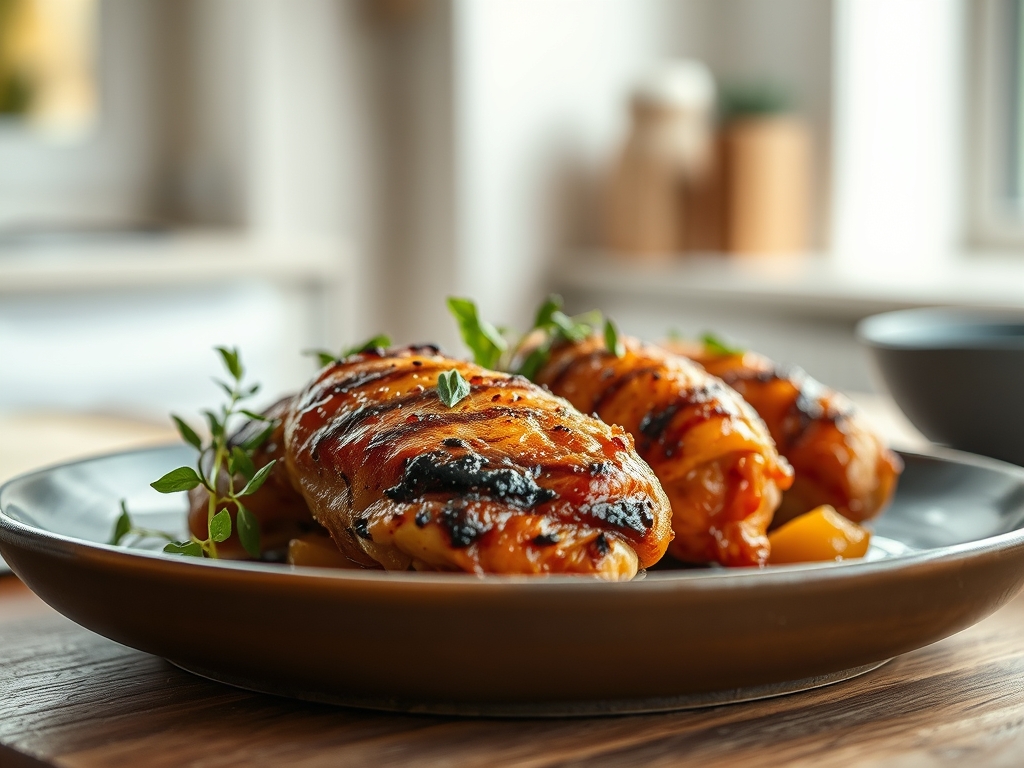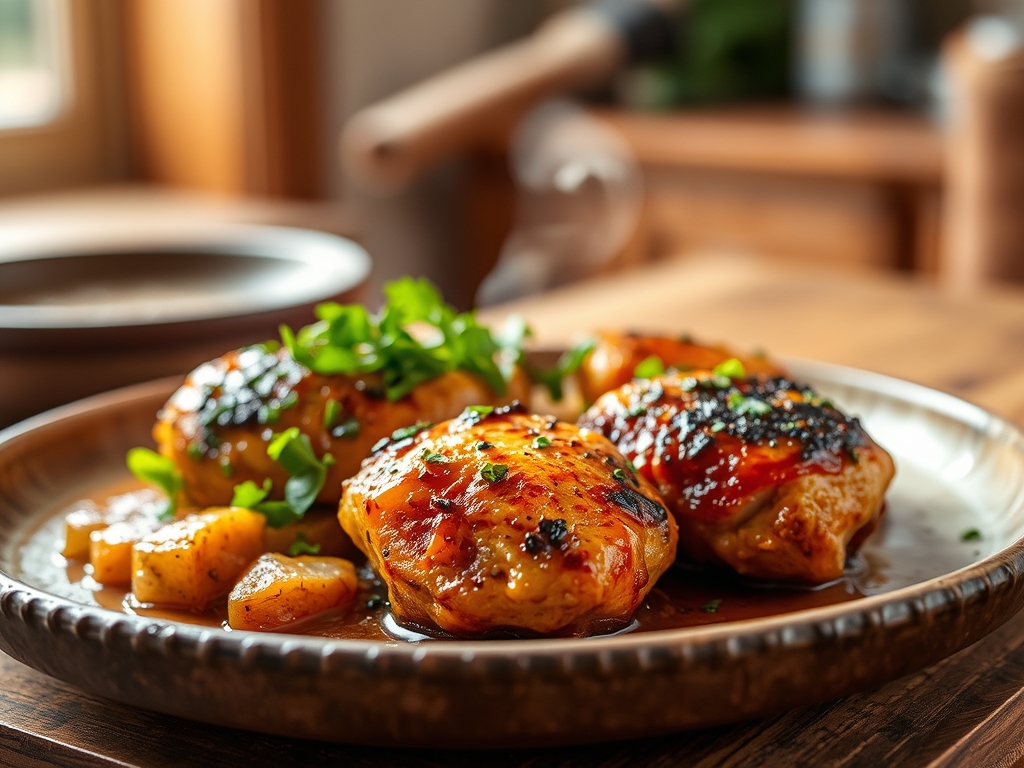
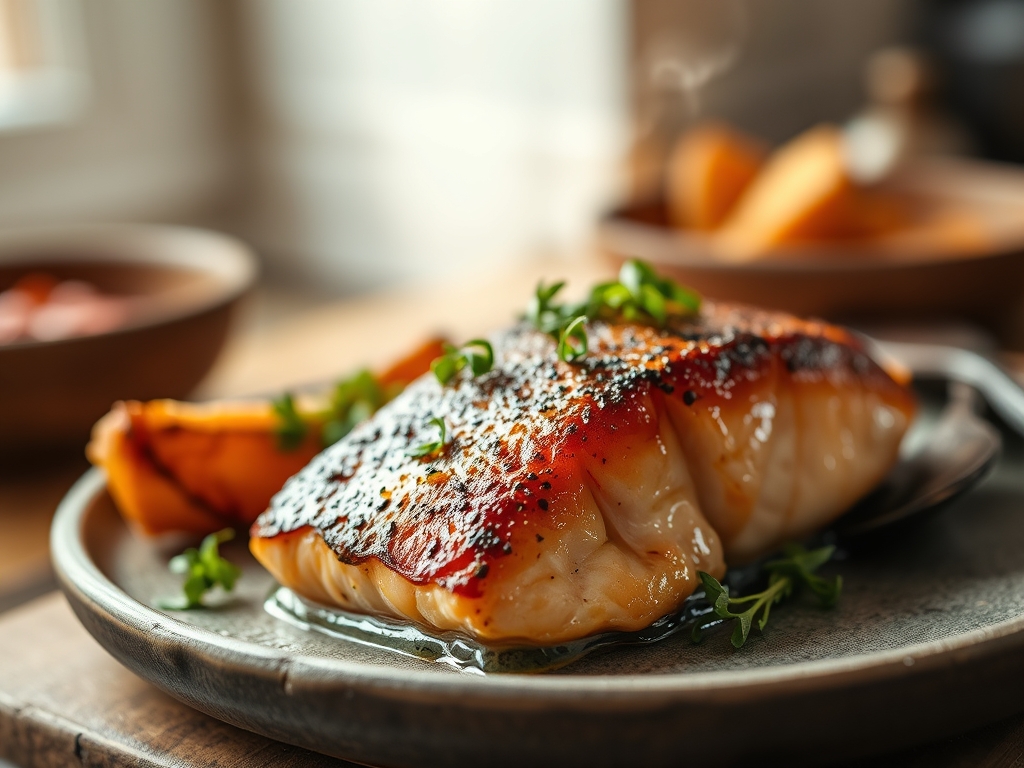
Imagine a fillet so perfectly seared that the skin shatters like parchment paper, giving way to a center that is buttery, translucent, and just barely warm. This is the sensory peak of salmon recipes alton brown enthusiasts live for; it is a masterclass in heat management and protein structure. When we talk about salmon, we are not just talking about dinner. We are talking about an oily, cold water fish packed with long chain omega 3 fatty acids and a connective tissue structure that demands respect. If you treat it like a steak, it will punish you with a chalky, dry interior. If you treat it with the scientific precision of a lab technician, it becomes the most luxurious meal in your repertoire. We are going to harness the power of thermal conductivity and the Maillard reaction to transform a raw slab of pink flesh into a culinary masterpiece. Grab your favorite heavy bottomed skillet and a reliable digital scale; we are going to dive deep into the chemistry of the sea.
The Gathers:
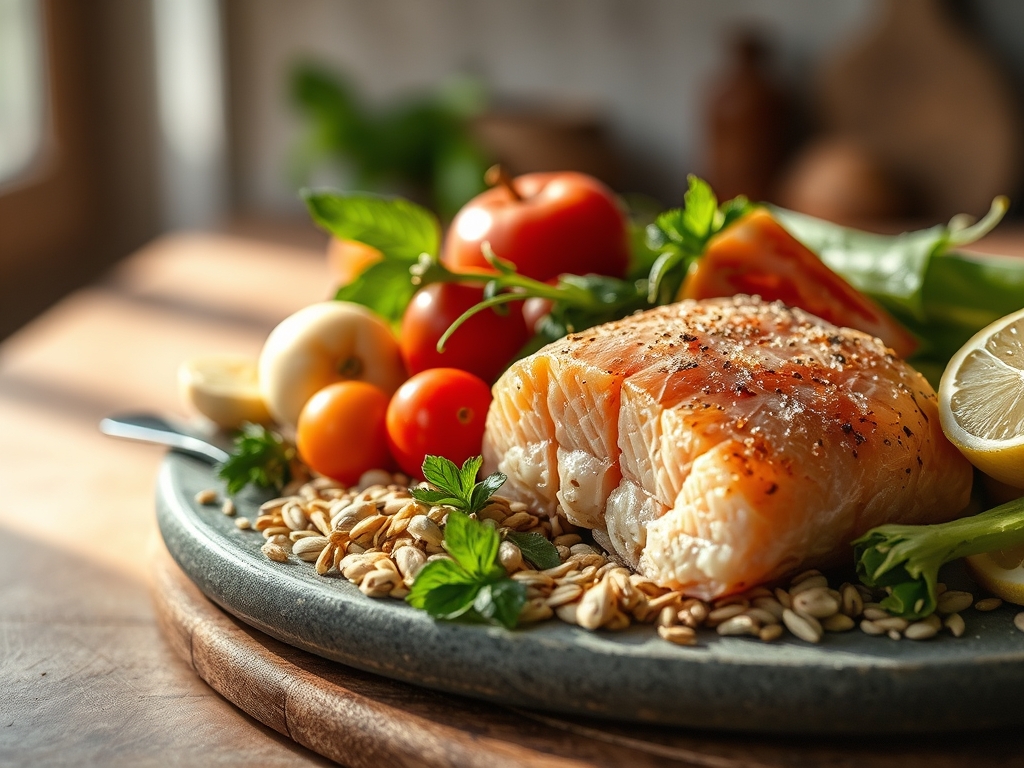
To achieve the results seen in the professional culinary world, your mise en place must be impeccable. We start with the star: a high quality, wild caught Coho or King salmon fillet. Look for a vibrant, viscous sheen on the flesh and a firm bounce when pressed. You will also need kosher salt; the large grains allow for better tactile control and even distribution compared to fine table salt. For the fat, we use a high smoke point oil like grapeseed or avocado oil to ensure we do not reach the acrid point of carbonization before the skin is crisp.
Fresh aromatics are non negotiable. You will need a head of garlic to crush for infusion, a handful of woody thyme sprigs, and a lemon. Use a microplane to harvest the zest without hitting the bitter white pith. If you want to elevate the piquant notes, gather some capers and a splash of dry white wine to deglaze the pan later.
Smart Substitutions: If you cannot find fresh salmon, high quality frozen fillets work if thawed slowly in the refrigerator to prevent cell wall rupture. For a vegan alternative that mimics the fatty mouthfeel, thick cut "steaks" of cauliflower can be treated with the same searing technique, though the protein coagulation will obviously differ. If you lack grapeseed oil, clarified butter (ghee) is an excellent substitute because the milk solids have been removed, raising the smoke point significantly.
The Clock: Precision Timing
The "Chef's Flow" is all about overlapping tasks to ensure nothing sits under a heat lamp. Total preparation time is approximately 15 minutes, which includes the crucial step of "tempering" the fish. Cooking time is remarkably short; usually 6 to 8 minutes depending on the thickness of the fillet.
The flow begins with the salt. By salting the fish 15 minutes before it hits the pan, you allow the salt to dissolve into a brine that is reabsorbed into the muscle fibers, seasoning the fish deeply. While the fish tempers, you prep your aromatics. The goal is to have the pan, the oil, and the fish reach their thermal peak simultaneously. Remember, salmon continues to cook after it leaves the heat; this is known as thermal carryover. If you pull it at 125 degrees Fahrenheit, it will rest up to a perfect, silken 130 degrees.
The Masterclass:
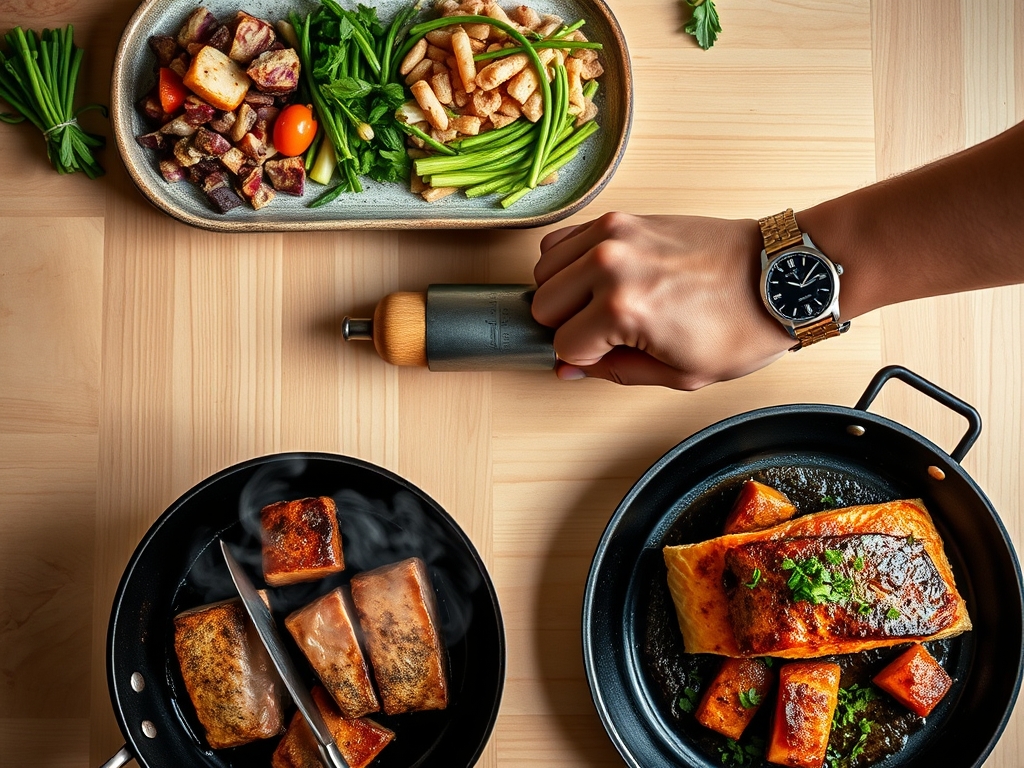
1. The Desiccation Ritual
Use a paper towel to pat the salmon skin until it is bone dry. Moisture is the enemy of the Maillard reaction; if the skin is damp, the energy of the pan will be wasted evaporating water rather than browning the surface.
Pro Tip: This is about latent heat of vaporization. By removing surface water, you ensure the pan's energy immediately begins to render the subcutaneous fat, leading to a crispier texture.
2. The Cold Start Hybrid
Place your heavy-bottomed skillet over medium high heat. Add just enough oil to coat the bottom. Wait for the oil to shimmer and show slight wisps of smoke. This indicates the oil has reached a low viscosity and is ready to conduct heat efficiently.
Pro Tip: Using a heavy pan like cast iron provides high thermal mass, meaning the temperature wont drop drastically when the cold fish hits the surface.
3. The Press and Hold
Lay the salmon skin side down. Immediately use a flexible fish spatula to press the fillet firmly against the pan for 30 seconds. This prevents the skin from curling as the proteins contract under sudden heat.
Pro Tip: Protein denaturation causes fibers to shrink. By applying physical pressure, you ensure maximum surface contact for an even, golden brown crust.
4. The Aromatic Infusion
Once the skin is crisp and the flesh has turned opaque halfway up the side, add your crushed garlic and thyme. Tilt the pan and use a large spoon to infuse the hot oil over the top of the fish.
Pro Tip: This technique, known as arroser, uses the flavored fat to gently cook the top of the fish without the harsh direct heat of the pan, maintaining a delicate texture.
5. The Final Flip
Flip the fish and cook for a mere 30 to 60 seconds on the flesh side. This is just to set the proteins on the surface. Remove the fish immediately and place it on a wire rack rather than a flat plate.
Pro Tip: Placing the fish on a rack prevents steam from being trapped under the skin, which would otherwise turn your crispy masterpiece into a soggy mess.
The Deep Dive:
From a macro nutrition perspective, this preparation is a powerhouse. A 6 ounce portion typically yields 34 grams of high quality protein and roughly 20 grams of healthy fats. It is naturally gluten free and fits perfectly into a Keto or Paleo lifestyle. For those following a low fat diet, you can reduce the oil, though you will sacrifice some of the textural contrast in the skin.
The Fix-It: Common Pitfalls
- The White Gunk: If you see white "beads" (albumin) pushing out of the fish, you have used too much heat too fast. The muscle fibers contracted so violently they squeezed out the internal moisture. Fix: Lower your heat next time and pull the fish sooner.
- Sticking Skin: This usually happens if the pan wasn't hot enough or was "green" (unseasoned). Fix: Use a bench scraper to gently nudge the fish; if it doesn't release, it is not done searing.
- Raw Middle: If the skin is burning but the center is cold, your heat is too high. Fix: Finish the salmon in a 300 degree oven for two minutes to allow gentle heat penetration.
Meal Prep and Reheating:
Reheating salmon is a delicate science. Avoid the microwave, which vibrates water molecules and turns the fats rancid. Instead, use a low oven (275 degrees) with a splash of water and a cover to create a gentle steam environment. This preserves the moisture and prevents the "fishy" odor caused by oxidized lipids.
The Wrap-Up:
Mastering salmon recipes alton brown style is a rite of passage for any home cook who wants to bridge the gap between "making food" and "culinary art." It is all about the harmony of heat, the chemistry of the skin, and the patience to let the ingredients speak. When you hear that sizzle and smell the garlic infusing into the rendered fat, you will know you have graduated to a new level of kitchen confidence. Now, go forth, grab your tongs, and sear with authority!
The Kitchen Table:
How do I stop salmon from sticking to the pan?
Ensure the pan is preheated until the oil shimmers and the fish skin is completely dry. Use a flexible metal spatula to press the fish down initially, then leave it undisturbed until the proteins naturally release from the surface.
What is the white stuff coming out of my salmon?
That is albumin, a liquid protein that coagulates when the fish is cooked too quickly or to an internal temperature that is too high. To prevent it, use lower heat and aim for a medium rare internal finish.
Should I leave the skin on when cooking salmon?
Yes, the skin acts as a protective thermal barrier, preventing the delicate flesh from overcooking. It also contains a high concentration of omega 3 fatty acids and provides a delicious, crispy textural contrast when rendered properly.
How can I tell if salmon is done without a thermometer?
Gently press the side of the fillet with a fork or finger. If the flakes begin to separate (the "flake test") and the center is slightly translucent rather than opaque, the salmon is perfectly cooked and ready to rest.