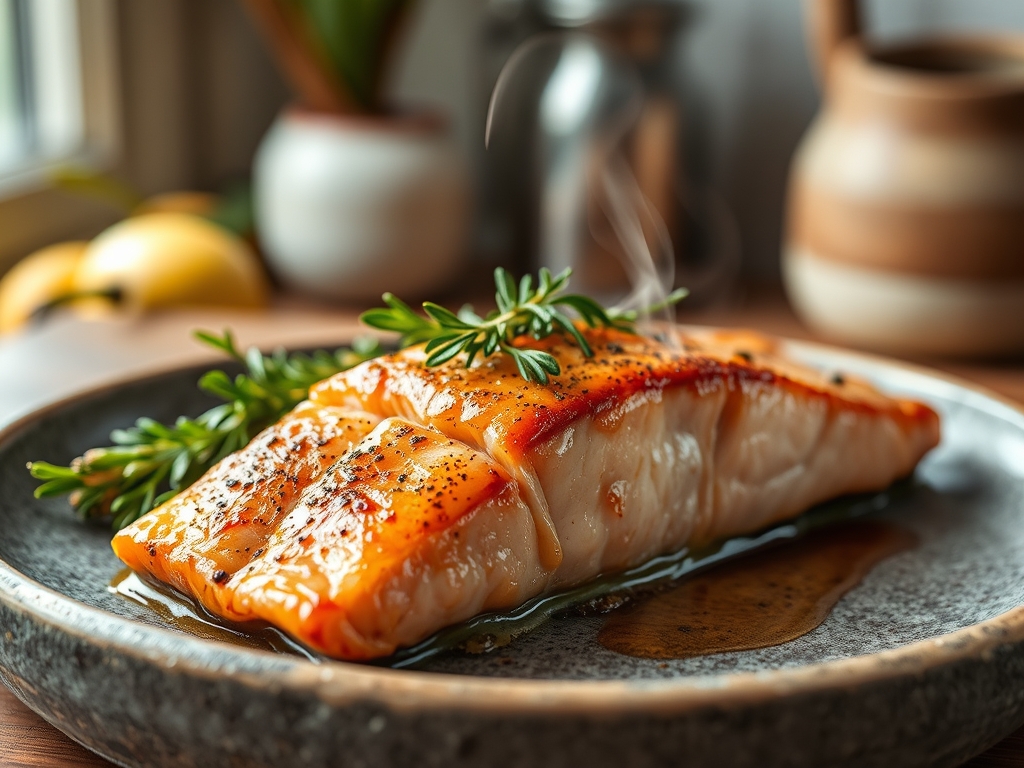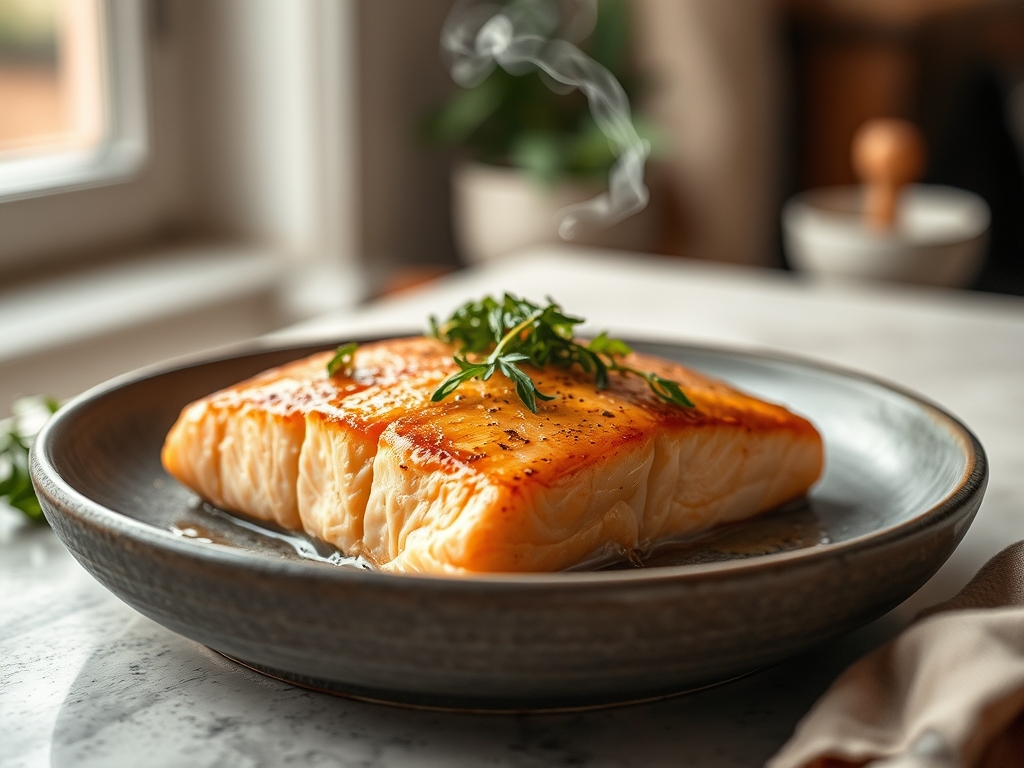
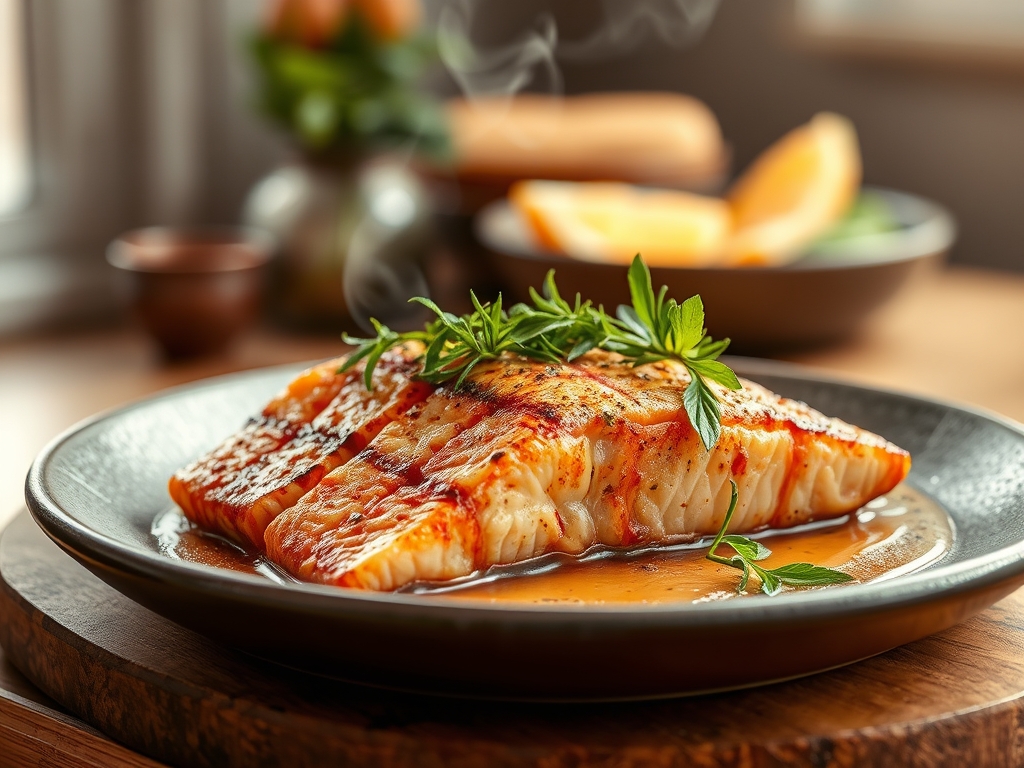
The scent of searing fat hitting a heavy-bottomed skillet is the universal siren song of a kitchen in motion. We have all mastered the basic lemon-butter fillet; however, the world of unusual salmon recipes offers a playground of molecular magic that transforms this pink protein into a gastronomic masterpiece. Forget the predictable; we are diving into the chemistry of flavor.
Imagine a crust so crisp it shatters like glass, or a glaze that uses coffee and miso to create a savory depth you never knew existed. Salmon is a fatty, robust canvas that can handle aggressive heat and complex acids. By understanding how the lipids in the fish interact with heat and salt, we can elevate a simple Tuesday dinner into a five-star experience. We are going to explore nine secrets that defy tradition, utilizing every tool from the microplane to the saucier to achieve culinary perfection. Let us get our hands dirty and our palates refined.
The Gathers:
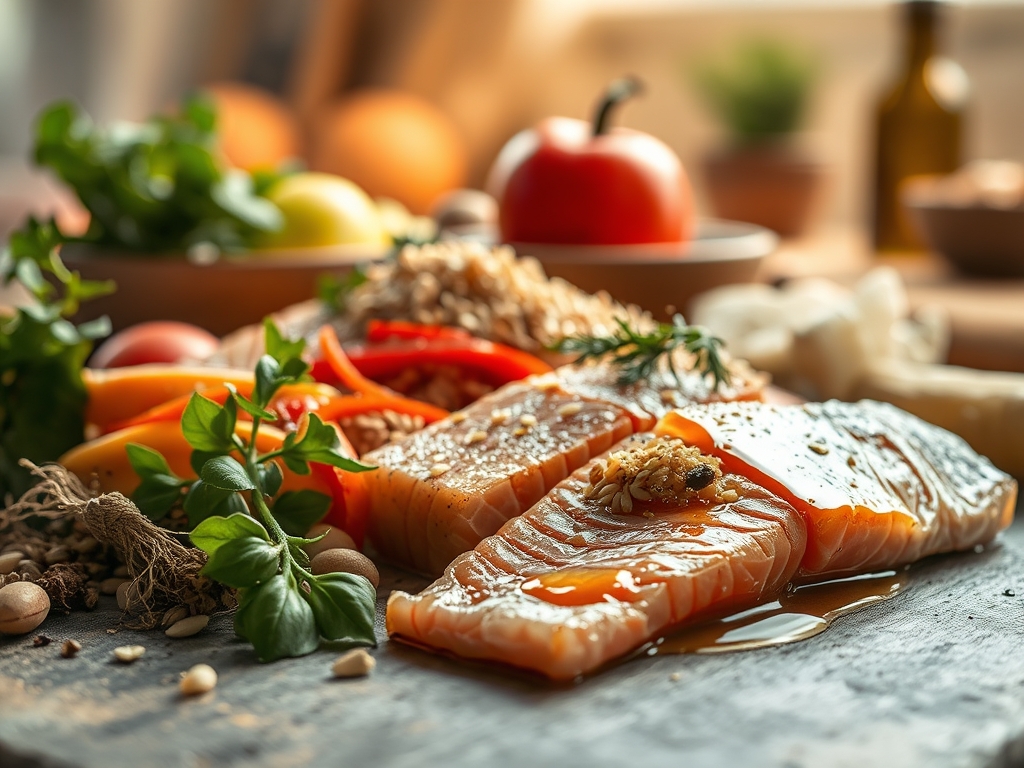
To execute these unusual salmon recipes, your mise-en-place must be precise. We start with the star: center-cut Atlantic or King salmon. Look for deep pigmentation, which indicates a high concentration of astaxanthin, a powerful antioxidant. You will need a high-smoke-point oil like avocado or grapeseed to facilitate the Maillard reaction without scorching.
Our flavor profile relies on viscous liquids and piquant aromatics. Gather white miso paste, espresso powder, Grade A maple syrup, and fresh ginger. For the textural elements, we use toasted black sesame seeds and panko breadcrumbs. Your tool kit is essential here. Ensure you have a sharp chef's knife for clean cuts, a digital scale for precise seasoning, and a microplane for zesting citrus and grating ginger into a fine pulp.
Smart Substitutions: If you are avoiding soy, coconut aminos offer a similar umami profile with a lower glycemic index. For those who find salmon too oily, a splash of apple cider vinegar or a squeeze of charred lime will provide the necessary acid to cut through the richness. If you lack a heavy-bottomed skillet, a cast-iron pan is your best friend for heat retention.
The Clock
Efficiency in the kitchen is about the Chef's Flow. This is the art of overlapping tasks so that no second is wasted. Total preparation time for these techniques is roughly 15 minutes, with active cooking time ranging from 6 to 12 minutes depending on the thickness of the fillet.
Start by tempering your fish. Taking the salmon out of the refrigerator 20 minutes before cooking ensures the interior reaches the target temperature without overcooking the exterior. While the fish tempers, prepare your glazes and aromatics. The "Flow" means your pan is preheating while you pat the skin bone-dry. A dry surface is the only way to achieve a truly crisp skin; moisture is the enemy of the sear.
The Masterclass
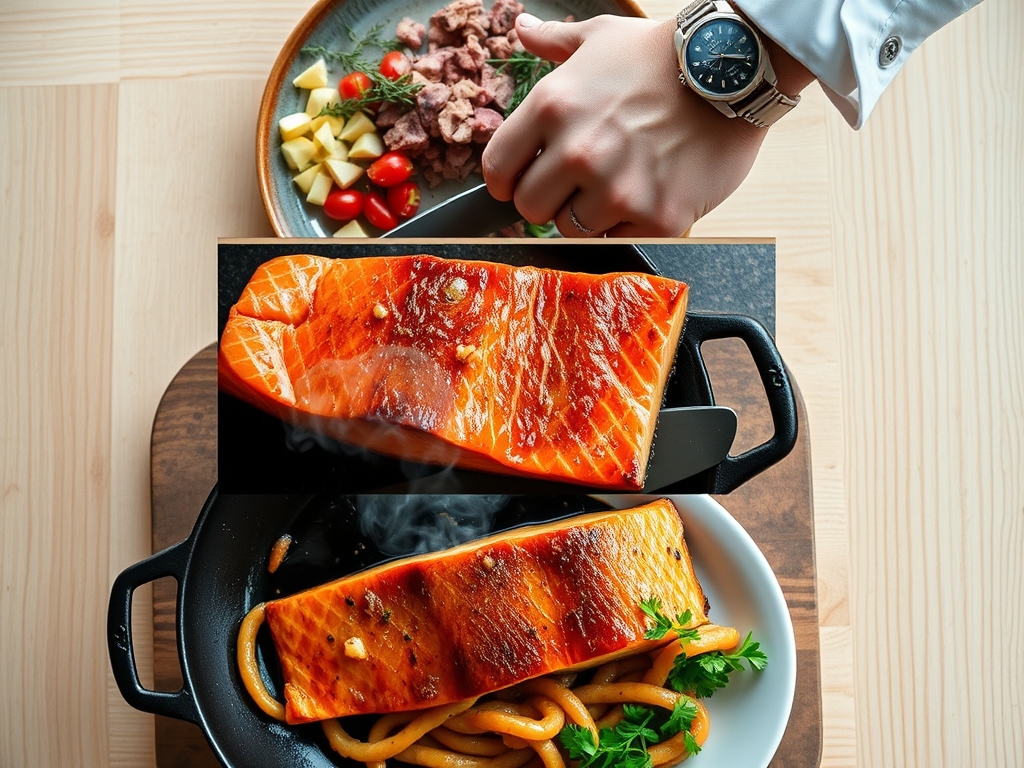
1. The Dry Brine Technique
Generously coat the flesh side of the salmon with a mixture of kosher salt and a pinch of sugar. Let it sit for 10 minutes, then rinse and pat dry. This process seasons the fish deeply and tightens the protein structure.
Pro Tip: This is known as denaturation. The salt breaks down some of the tightly wound proteins, allowing them to retain more moisture during the cooking process, preventing the "white stuff" (albumin) from leaking out.
2. The Cold Pan Start
Place the salmon skin-side down in a cold, heavy-bottomed skillet with a teaspoon of oil. Turn the heat to medium-high and press down firmly with a flexible fish spatula for the first 60 seconds.
Pro Tip: Starting in a cold pan allows the subcutaneous fat to render slowly. This prevents the skin from shrinking too quickly and curling, resulting in an even, potato-chip-like crunch.
3. Infusing with Aromatics
Once you flip the fish, add a knob of unsalted butter, smashed garlic cloves, and thyme sprigs to the pan. Use a large spoon to continuously baste the hot, bubbling butter over the cooked side of the fish.
Pro Tip: This is butter-basting. The milk solids in the butter undergo enzymatic browning, creating a nutty aroma (beurre noisette) that permeates the fish while keeping the top moist.
4. The Espresso Miso Glaze
In a small saucier, whisk together miso, a shot of espresso, and honey. Reduce over low heat until it becomes a thick, dark syrup. Brush this onto the salmon during the final 30 seconds of cooking.
Pro Tip: The acidity in the coffee acts as a tenderizer, while the complex sugars in the miso caramelize instantly under heat, creating a deep, savory crust.
5. Using the Microplane for Texture
After plating, use your microplane to grate frozen horseradish or cured egg yolk directly over the warm fillet. This adds a "snow" of intense flavor that melts on the tongue.
Pro Tip: Grating frozen ingredients increases the surface area, allowing the volatile flavor compounds to aerate and hit your olfactory receptors more effectively.
6. The Deglaze Finish
Remove the fish from the pan and immediately pour in a splash of dry vermouth or white wine. Use a wooden spoon to scrape up the browned bits (fond) from the bottom.
Pro Tip: Deglazing captures the concentrated flavors left in the pan. This liquid can be whisked with a bit of cold butter to create a pan sauce that ties the entire dish together.
7. Thermal Carryover Management
Remove the salmon from the heat when the internal temperature reaches 125 degrees Fahrenheit for medium-rare. Let it rest on a warm plate for three minutes before serving.
Pro Tip: This accounts for thermal carryover. The residual heat continues to cook the center of the fish even after it leaves the pan, bringing it to a perfect 130 to 135 degrees.
8. The Citrus Steam
If baking, place the salmon on a bed of thinly sliced lemons and oranges. Cover the tray tightly with parchment paper or foil to create a sealed environment.
Pro Tip: This creates a pressurized steam chamber. The essential oils from the citrus skins infuse the flesh, while the moisture prevents the delicate fats from oxidizing.
9. The Torch Finish
For an unusual twist, use a kitchen torch to lightly char the top of a raw, marinated fillet before a quick sear. This provides a smoky, "aburi" style finish common in high-end sushi.
Pro Tip: The intense, localized heat triggers the Maillard reaction instantly without raising the internal temperature of the fish, maintaining a buttery, raw center.
The Deep Dive
Salmon is a nutritional powerhouse, boasting high levels of Omega-3 fatty acids (EPA and DHA), which are essential for brain health and reducing inflammation. A standard 6-ounce serving provides roughly 34 grams of high-quality protein and significant doses of Vitamin B12 and Selenium.
Dietary Swaps: For a Vegan alternative, use thick-cut "steaks" of King Oyster mushrooms or marinated watermelon, though the cooking times will vary. For Keto enthusiasts, replace the honey in glazes with monk fruit sweetener. This recipe is naturally Gluten-Free as long as you use tamari instead of standard soy sauce.
The Fix-It:
- Skin sticking to the pan: This usually means the pan wasn't hot enough or you tried to flip too early. Wait for the protein to naturally release from the surface.
- Albumin (white gunk) appearing: This is a sign of overcooking or cooking at too high a temperature too fast. Lower your heat and use the dry brine method.
- Soggy skin: Ensure the skin is bone-dry before it hits the oil. Use a bench scraper to remove any excess moisture from the surface of your cutting board.
Meal Prep: To reheat salmon without it becoming rubbery, avoid the microwave. Instead, place it in a 275-degree oven with a tablespoon of water and cover it with foil. This gently rehydrates the proteins using low-temperature steam.
The Wrap-Up
Mastering unusual salmon recipes is about more than just following a list of steps; it is about respecting the science of the ingredients. By manipulating temperature, moisture, and acidity, you can transform a standard fillet into something extraordinary. Whether you are using a kitchen torch for that smoky finish or a saucier to craft a miso-espresso glaze, these techniques will make you the authority in your own kitchen. Now, grab your tongs and get searing.
The Kitchen Table
How do I get the skin extra crispy?
The secret is moisture removal. Pat the skin with paper towels until it is bone-dry. Start in a cold pan and use a weight or spatula to ensure the skin has full contact with the heated surface.
Why does my salmon have white stuff on it?
That white substance is albumin, a protein that pushes to the surface when the muscle fibers contract too quickly. To prevent this, cook the fish at a lower temperature or use a salt brine.
Can I cook salmon from frozen?
It is possible but not recommended for these techniques. Thawing allows for even heat distribution. If you must, use the "steam-bake" method to ensure the center cooks through without burning the exterior.
What is the best way to tell if salmon is done?
Use a digital thermometer to check for an internal temperature of 125 to 130 degrees Fahrenheit. Alternatively, the flesh should flake easily with a fork and appear opaque rather than translucent.
Is it safe to eat salmon skin?
Yes, and it is delicious! The skin contains the highest concentration of Omega-3s. When cooked properly using the cold-pan method, it becomes a savory, crispy highlight of the dish.