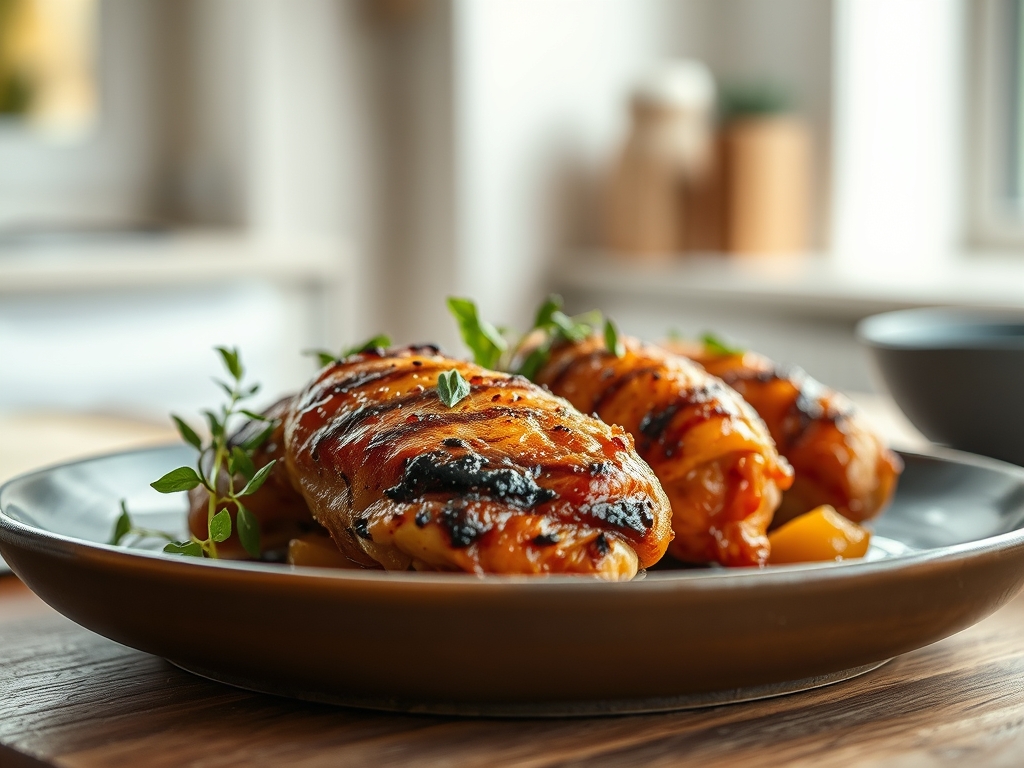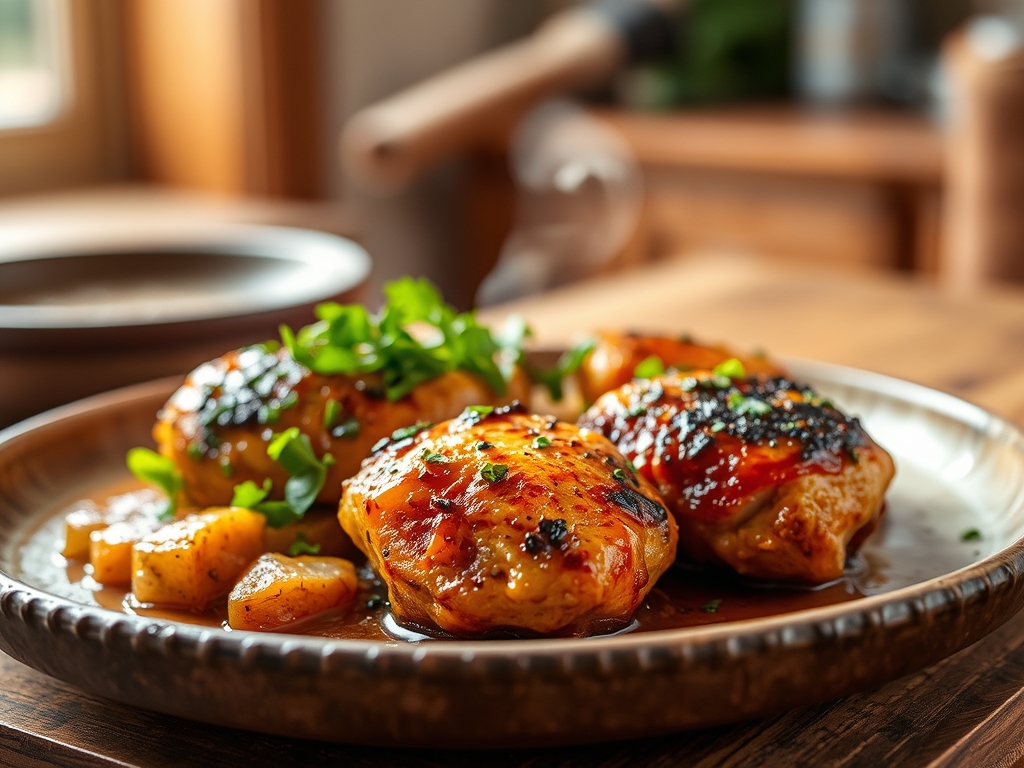
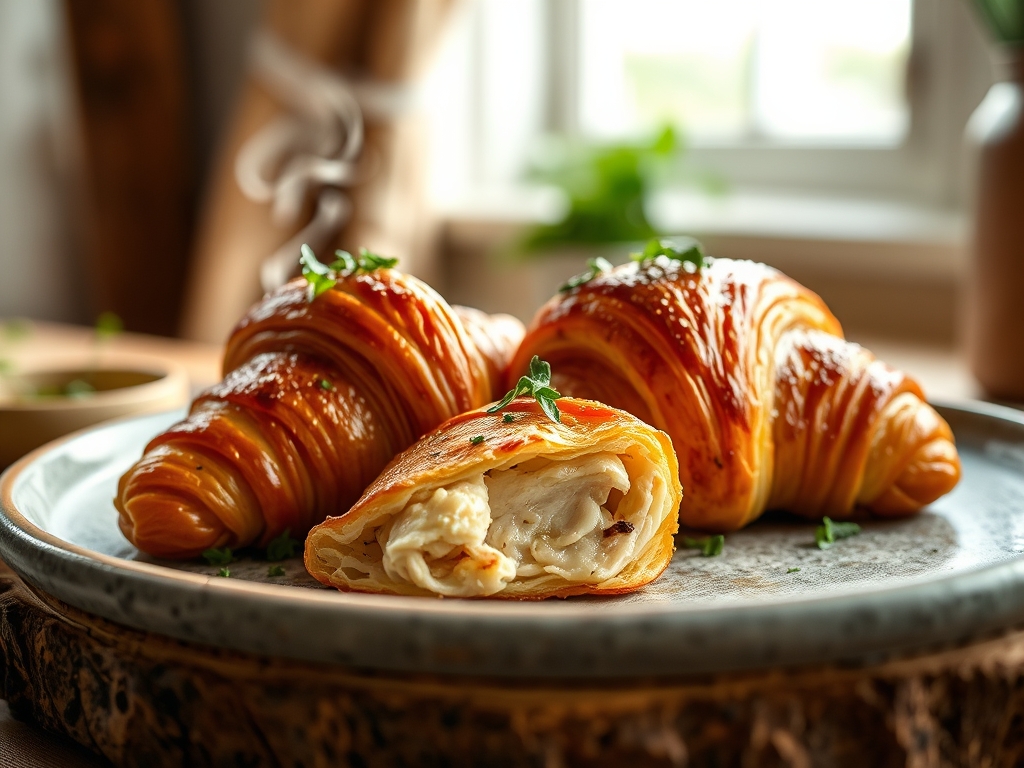
Imagine the sound of a thousand microscopic glass shards shattering at once. That is the auditory signature of a perfect puff pastry crust yielding to your teeth. When you marry that ethereal, butter-laminated crunch with the savory, succulent depth of roasted poultry, you are not just making dinner; you are conducting a masterclass in texture. These croissant chicken recipes represent the ultimate culinary crossover event. We are taking the high-fat, high-reward architecture of French patisserie and anchoring it with protein-heavy comfort. Whether you are folding shredded thighs into a creamy Dijon filling or wrapping whole breasts in a golden, crescent-shaped embrace, the goal is total sensory saturation. We are looking for that specific point where the rendered chicken fat meets the melting butter layers, creating a localized steam environment that keeps the meat impossibly tender while the exterior achieves a deep, mahogany Maillard reaction. It is time to move past the soggy sandwiches of yesteryear and embrace the sophisticated, flaky potential of these croissant chicken recipes.
The Gathers:
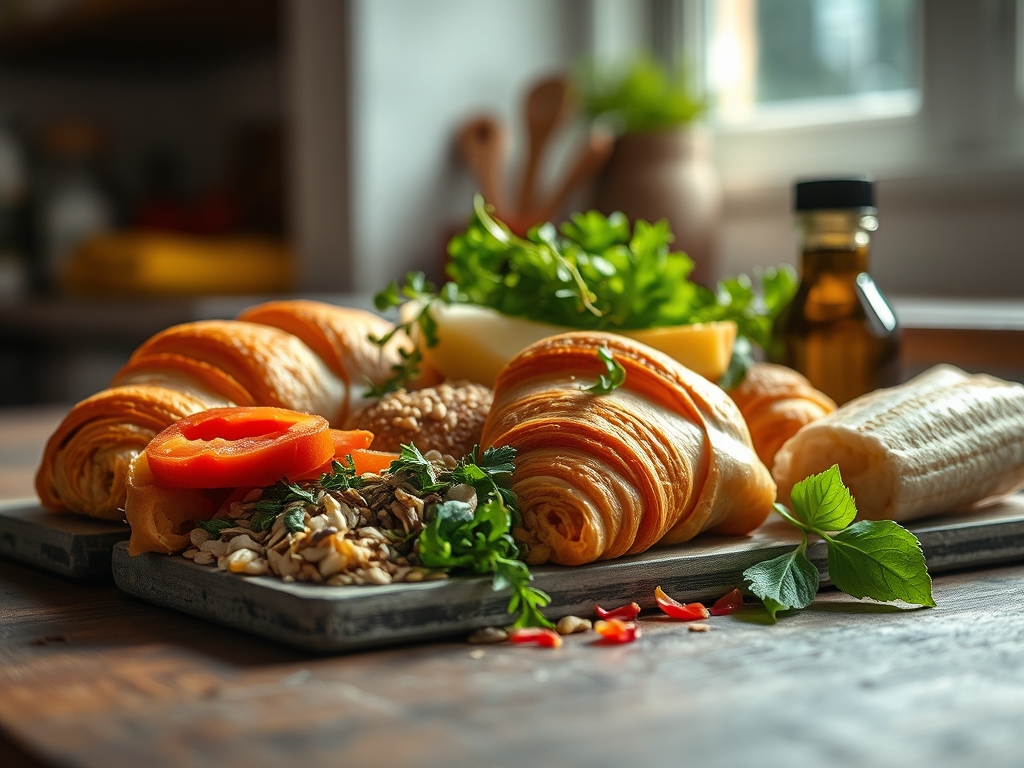
To execute these croissant chicken recipes with precision, your mise-en-place must be a study in temperature control. Start with your protein: organic chicken breasts or thighs, pat dry to ensure optimal browning. You will need a high-quality butter-based crescent dough; look for brands that specify "all butter" to ensure the lamination does not fail under high heat. For the aromatics, reach for fresh tarragon and chives to provide a piquant counterpoint to the rich fats. You will also need a viscous binding agent like Greek yogurt or a classic Bechamel sauce to keep the interior moist.
Smart Substitutions: If you are avoiding traditional dairy, a high-fat coconut cream can mimic the mouthfeel of heavy cream in your fillings. For a lighter take, swap the puff pastry for a phyllo dough brushed with olive oil, though you will lose the signature "heft" of the croissant. If you find yourself without fresh herbs, a concentrated pesto or a dash of celery seed can provide that necessary earthy backbone. Always keep a microplane nearby to zest lemon over your chicken; the citric acid cuts through the lipid-heavy pastry perfectly.
The Clock: Master of the Kitchen Flow
Efficiency in the kitchen is about managing thermal momentum. For most croissant chicken recipes, you are looking at a 15-minute preparation window and a 20-to-25-minute bake time. The "Chef's Flow" dictates that you prepare your cold filling first and let it chill in the refrigerator while the oven preheats. This ensures that when the cold dough hits the hot air, the water in the butter vaporizes instantly, creating those coveted airy pockets. Total time from bench scraper to table is roughly 45 minutes, making this a high-yield strategy for busy weeknights or impressive brunches.
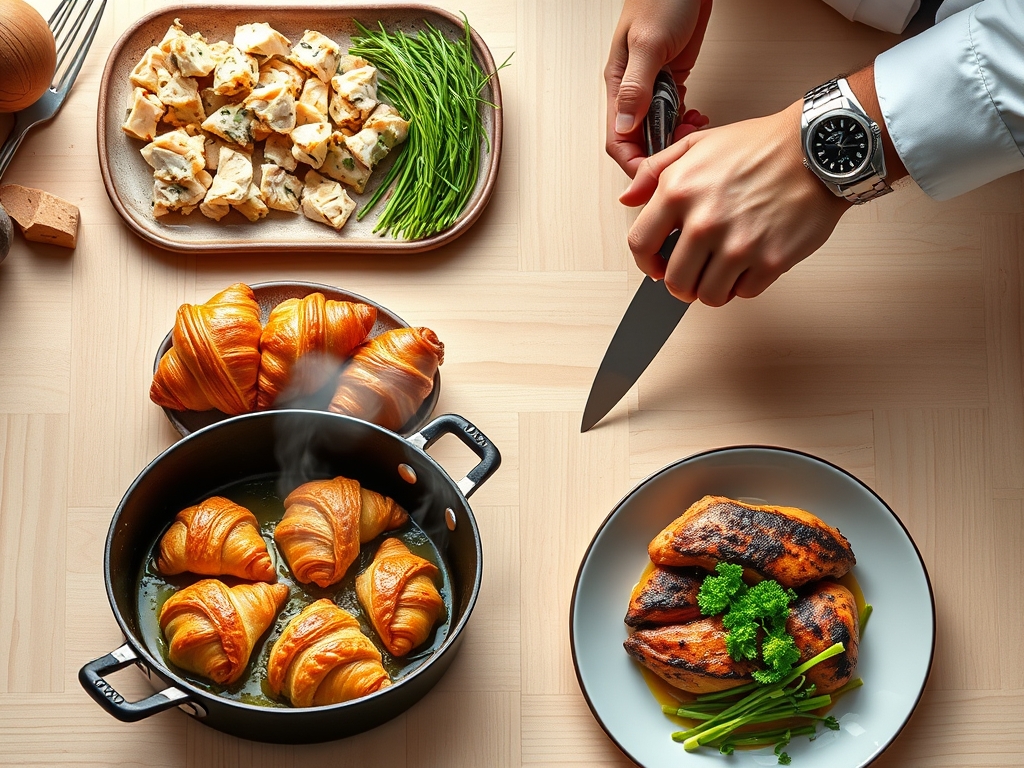
The Masterclass
1. The Sear and Render
Begin by seasoning your chicken aggressively with kosher salt. Heat a heavy-bottomed skillet over medium-high heat. Add a high-smoke-point oil and sear the chicken until a golden crust forms. You are not cooking it through yet; you are simply initiating the Maillard reaction to lock in flavor.
Pro Tip: This is called partial cooking. By searing first, you ensure the chicken reaches a safe internal temperature at the exact moment the pastry turns golden. This avoids the "raw dough center" syndrome.
2. The Aromatics Infusion
Remove the chicken and deglaze the pan with a splash of dry white wine or chicken stock. Use a wooden spoon to scrape up the fond (those brown bits on the bottom). Add minced shallots and garlic, sautéing until translucent and fragrant.
Pro Tip: Deglazing captures the concentrated proteins and sugars left in the pan. This creates a complex flavor profile that permeates the filling, preventing the chicken from tasting "one-note."
3. The Binding Emulsion
In a small saucier, whisk together your cream base, herbs, and the deglazed pan juices. Stir until the mixture is thick enough to coat the back of a spoon. Fold in your seared chicken pieces and let the mixture cool slightly.
Pro Tip: Never wrap hot filling in cold dough. The heat will melt the fat in the pastry prematurely, destroying the layers and resulting in a greasy, flat crust instead of a flaky one.
4. The Lamination Wrap
Unroll your dough on a cool surface. If the dough feels tacky, use a digital scale to weigh out consistent portions of filling. Place the filling at the wide end of the dough triangle and roll toward the point, tucking the edges to seal.
Pro Tip: This is the "Steam Pocket" principle. Sealing the edges creates a pressurized environment inside the pastry, which poaches the chicken in its own juices and aromatics.
5. The Egg Wash Glaze
Whisk one egg with a teaspoon of water and brush it liberally over the top of each croissant. Sprinkle with flaky sea salt or cracked black pepper for visual and textural contrast.
Pro Tip: The proteins in the egg wash undergo enzymatic browning more rapidly than the dough alone. This produces that professional, high-gloss mahogany finish seen in high-end bakeries.
6. The Thermal Finish
Place the tray in the center of the oven. Rotate the pan halfway through the bake to ensure even heat distribution. Bake until the internal temperature of the chicken reaches 165 degrees Fahrenheit.
Pro Tip: Use a digital probe thermometer. Thermal carryover will cause the internal temperature to rise by about 5 degrees after you remove it from the oven, so pulling at 160 degrees is often the secret to juiciness.
7. The Rest and Aerate
Transfer the finished croissants to a wire cooling rack immediately. Do not leave them on the hot baking sheet, as the bottoms will continue to cook and become tough.
Pro Tip: Elevating the croissants on a rack allows air to circulate around the entire pastry. This prevents steam from being trapped underneath, which would otherwise turn your crisp bottom crust soggy.
The Deep Dive
Macro Nutrition: A standard serving of these croissant chicken recipes provides approximately 350-450 calories. You are looking at a robust 20g of protein balanced by 22g of fats and 30g of carbohydrates. To optimize the nutrient profile, serve with a bitter green salad to aid digestion of the high fat content.
Dietary Swaps: For a Keto-friendly version, replace the pastry with a cabbage leaf wrap or a fat-head dough made of mozzarella and almond flour. For a Vegan twist, use pulled jackfruit or oyster mushrooms in place of chicken, and a vegan-certified puff pastry which usually replaces butter with vegetable oils.
The Fix-It:
- Soggy Bottoms: Your filling was too wet. Next time, reduce your sauce further or add a thin layer of breadcrumbs on the dough before adding the chicken to act as a moisture barrier.
- Dough Not Rising: The dough got too warm. If the butter melts before it hits the oven, you lose the lift. Pop the assembled croissants in the freezer for 10 minutes before baking.
- Dry Chicken: You overcooked the protein during the initial sear. Keep the sear brief; the goal is color, not completion.
Meal Prep & Reheating: To maintain "day-one" quality, never use a microwave. The microwave agitates water molecules, which turns the pastry rubbery. Instead, use an air fryer or toaster oven at 350 degrees for 5 minutes. This re-activates the fats and restores the crisp architecture of the layers.
The Wrap-Up
Mastering croissant chicken recipes is about respecting the chemistry of fat and flour. When you treat the pastry as a precision-engineered vessel for savory, herb-infused chicken, you elevate a simple meal into a culinary event. Remember to keep your ingredients cold, your oven hot, and your seasonings bold. Now, go forth and shatter some crusts!
The Kitchen Table
Can I use canned chicken for these recipes?
Yes, but ensure you drain and pat the chicken completely dry. Canned chicken has high moisture content, which can lead to a soggy pastry. Season it heavily with fresh herbs to compensate for the muted flavor of processed poultry.
How do I prevent the filling from leaking out?
Do not overfill the dough. Leave a half-inch border around the edges and pinch the seams firmly. Using an egg wash act as a "culinary glue" to help the dough layers bond together during the initial stages of baking.
What is the best way to store leftovers?
Store them in an airtight container in the refrigerator for up to three days. Place a paper towel inside the container to absorb excess moisture. Always reheat in an oven to maintain the structural integrity of the flaky pastry layers.
Can I freeze these before baking?
Absolutely. Assemble the croissants, place them on a baking sheet to flash-freeze, then transfer to a freezer bag. Bake directly from frozen, adding about 8 to 10 minutes to the total cook time to ensure the center reaches temperature.