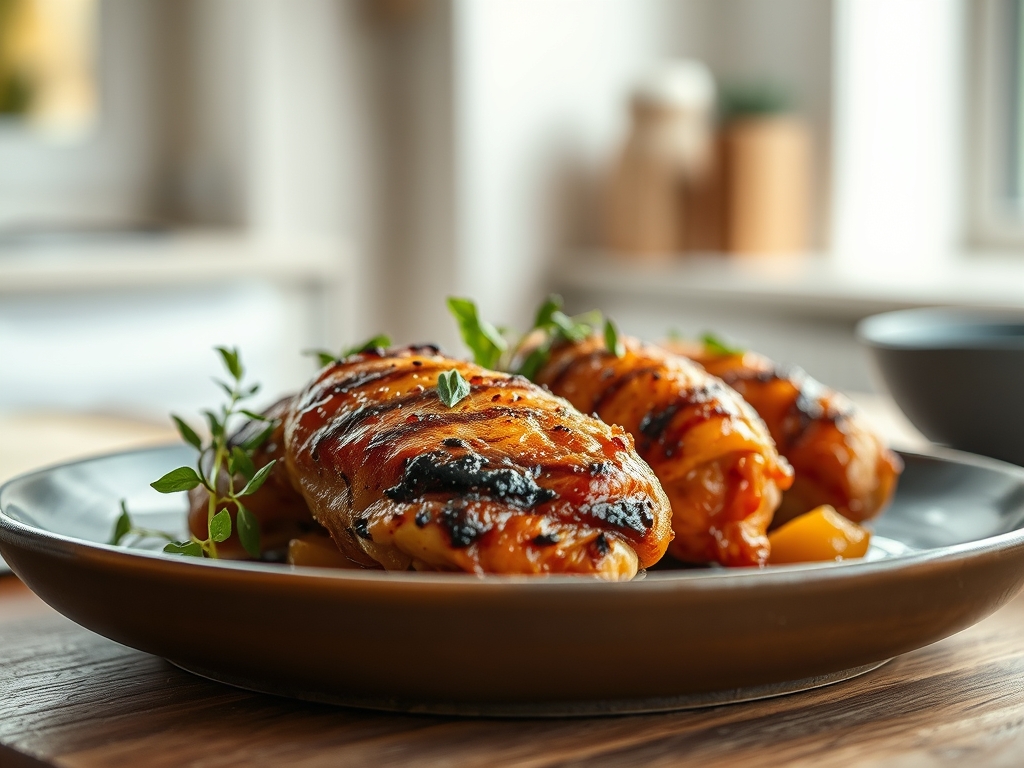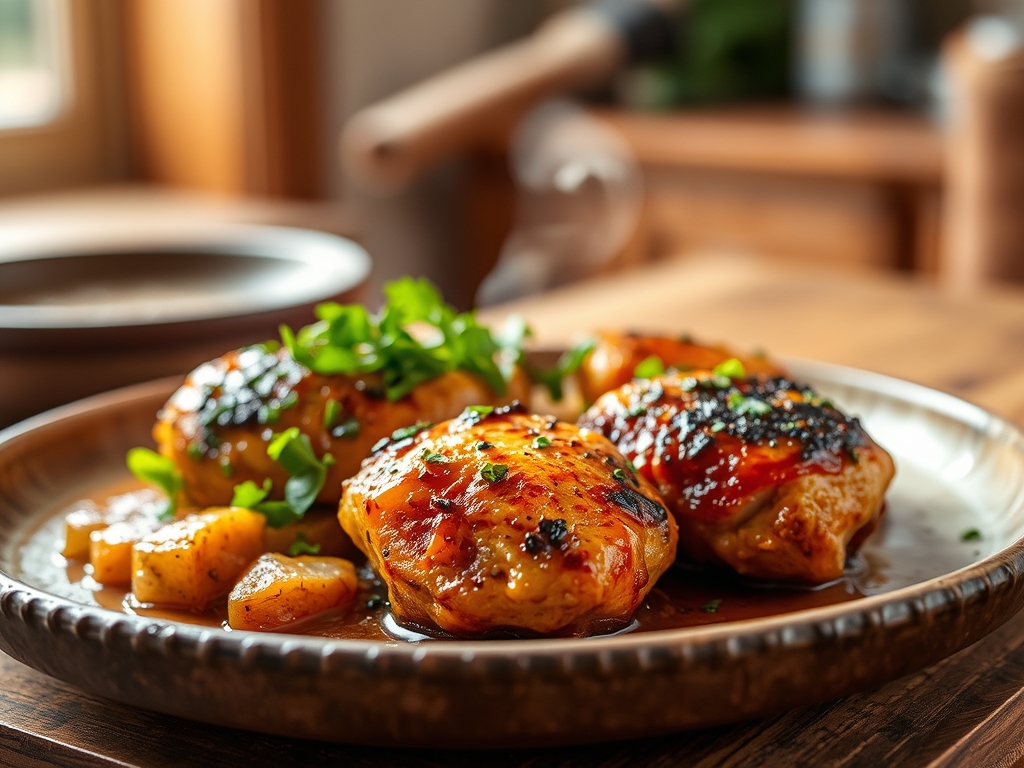
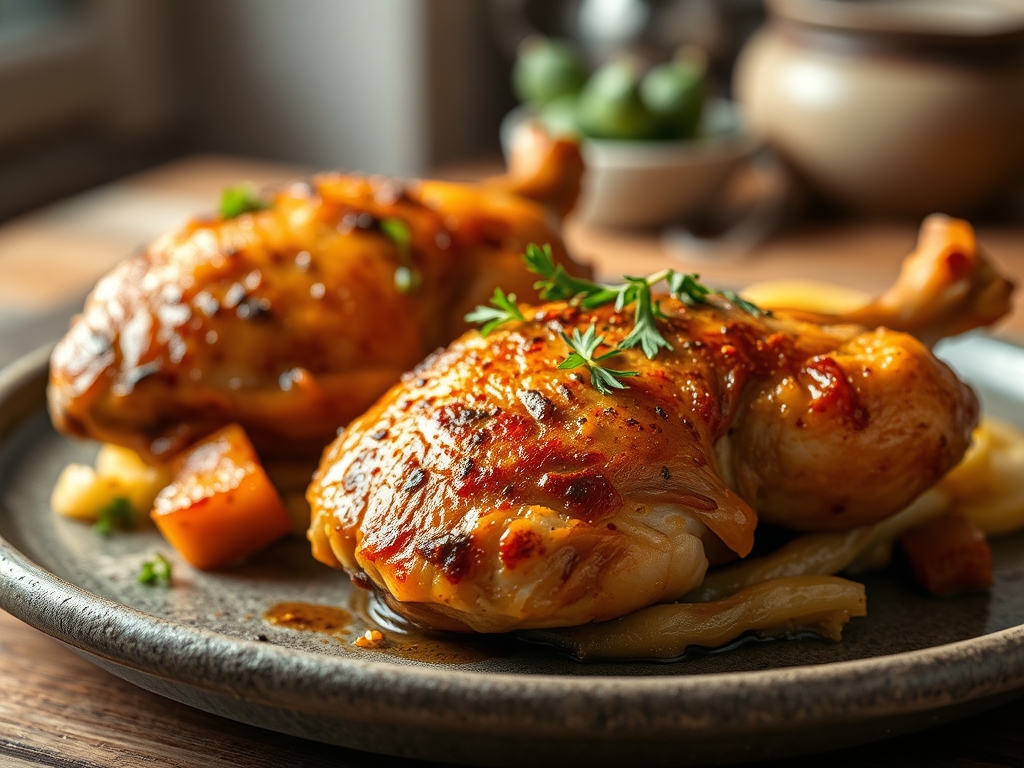
Imagine the scent of toasted cumin and searing protein wafting through your kitchen on a frantic Tuesday evening. You are not hovering over a stove in a panic; instead, you are pouring a glass of wine while your oven does the heavy lifting. Mastering make ahead chicken recipes is the ultimate culinary power move. It transforms your refrigerator into a curated gallery of ready-to-heat masterpieces. We are moving beyond the dry, rubbery meal prep of the past. We are embracing the science of moisture retention and flavor infusion to ensure that your Wednesday dinner tastes even better than it did on Sunday.
The secret lies in understanding how muscle fibers react to cold storage and acidic marinades. When we prep chicken in advance, we are not just saving time; we are allowing for deep enzymatic breakdown that results in a more tender bite. Whether you are craving a piquant lemon-herb roast or a viscous, creamy coconut curry, these strategies ensure your poultry remains succulent. By the end of this guide, you will have seven distinct flavor profiles ready to deploy at a moment's notice.
The Gathers:
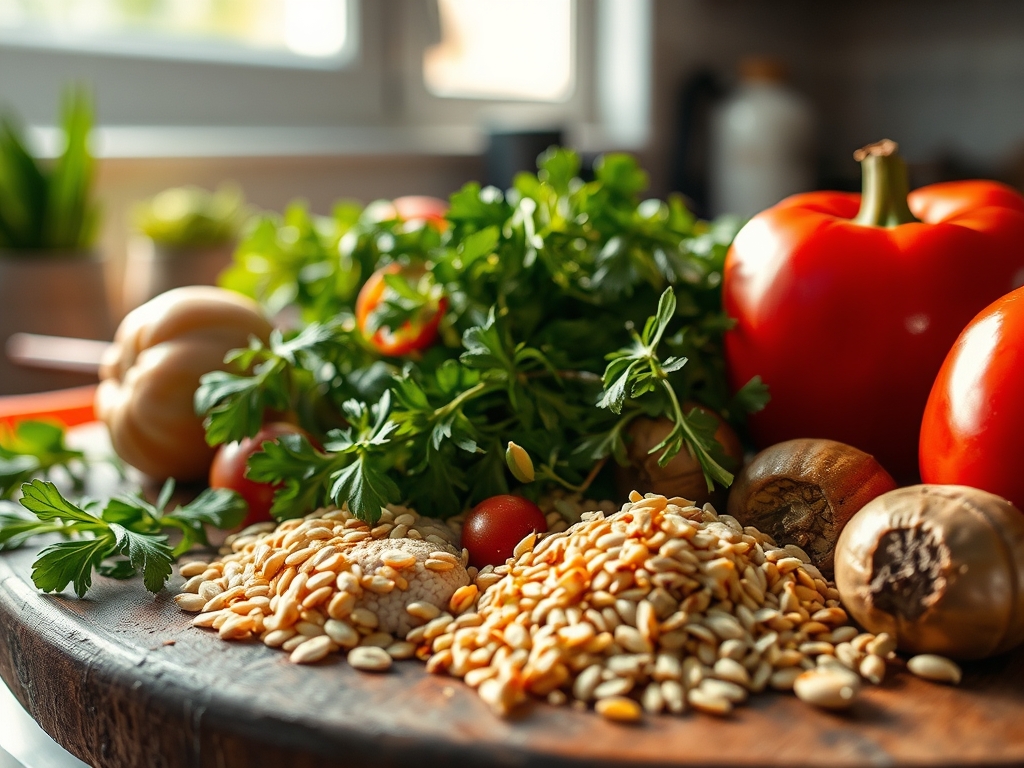
Before we ignite the burners, we must assemble our mise-en-place with clinical precision. You will need high-quality poultry; preferably air-chilled thighs which contain more connective tissue and fat than breasts. This higher lipid content prevents the meat from drying out during the reheating process. Gather your aromatics: fresh cloves of garlic, ginger roots, and shallots. Use a microplane to grate these into a fine paste; this increases the surface area and allows the volatile oils to infuse the marinade more effectively.
You will also need a variety of acids like rice vinegar, lime juice, or dry white wine to denature the proteins. For fats, choose oils with high smoke points like avocado or grapeseed oil. Smart Substitutions are your best friend here. If you lack buttermilk for a tenderizing soak, use Greek yogurt thinned with a splash of milk. If you are out of honey to balance the salt, use maple syrup or even a pinch of brown sugar to facilitate the Maillard reaction during the final sear. Always use a digital scale to measure your spices; consistency is the hallmark of a professional kitchen.
The Clock
The "Chef's Flow" is all about overlapping tasks to maximize efficiency. Total active prep time for all seven recipes is approximately ninety minutes. You will spend the first twenty minutes dicing and slicing using a sharp chef's knife and a bench scraper to clear your board. The next thirty minutes are dedicated to the "marination station," where you bag and label your proteins.
The final forty minutes involve the initial par-cooking or browning. By searing the chicken now, you develop complex flavor compounds that will persist through refrigeration. Most of these make ahead chicken recipes require a "finish" time of only fifteen minutes when you are ready to eat. This flow ensures you aren't doing any heavy cleaning on weeknights. You are simply executing the final thermal stage.
The Masterclass
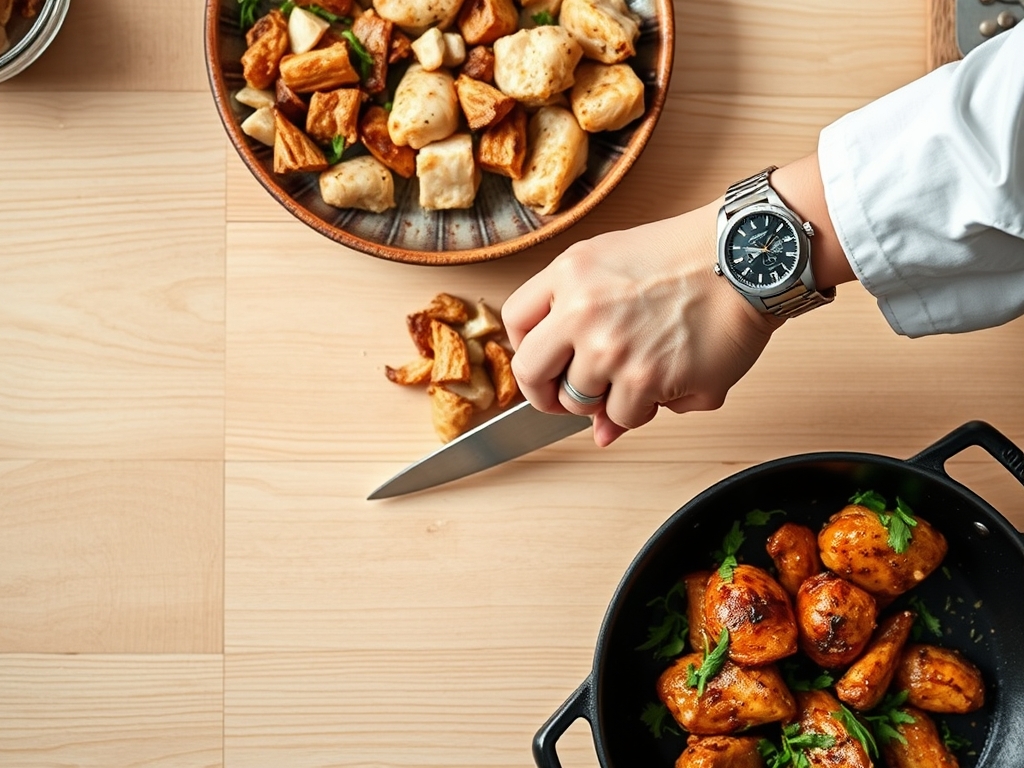
1. The Strategic Sear
Begin by patting your chicken bone-dry with paper towels. Moisture is the enemy of the crust. Heat a heavy-bottomed skillet until the oil shimmers. Lay the chicken away from you to avoid splashes. Do not crowd the pan; this drops the temperature and causes the meat to steam rather than sear.
Pro Tip: This stage initiates enzymatic browning. By creating a crust now, you lock in the juices. The crust acts as a structural barrier that prevents the interior from becoming "mushy" during the storage phase.
2. Deglazing the Fond
Once you remove the chicken, you will see brown bits stuck to the bottom of the pan. This is called "fond." Pour in a splash of stock or wine and use a wooden spoon to scrape it up. This liquid is liquid gold; it contains concentrated umami.
Pro Tip: Deglazing uses solvent extraction to pull flavor from the caramelized proteins. Incorporating this liquid into your storage containers ensures the chicken stays bathed in a flavorful, moist environment.
3. The Cooling Protocol
Never put hot chicken directly into the fridge. This creates condensation inside the container, which leads to soggy skin and a breeding ground for bacteria. Spread the cooked pieces on a wire rack over a sheet pan to allow air to circulate.
Pro Tip: This prevents thermal carryover from overcooking the center of the meat. Rapid cooling via airflow preserves the integrity of the muscle fibers, keeping them "snappy" rather than stringy.
4. Emulsifying the Sauces
For recipes involving creamy elements, use a saucier to whisk together your fats and liquids. If you are making a satay or a garlic cream sauce, ensure the mixture is fully emulsified before adding it to the chicken.
Pro Tip: A stable emulsion prevents the sauce from "breaking" or separating into oil and water when you reheat it. Adding a touch of mustard or lecithin can help hold the bond.
5. Vacuum Sealing or Airtight Storage
Use high-quality silicone bags or glass containers with locking lids. Remove as much air as possible. Air is the primary cause of oxidation, which leads to that "leftover" taste often associated with poultry.
Pro Tip: Reducing oxygen exposure slows down lipid oxidation. This chemical reaction is what creates off-flavors. By sealing tightly, you keep the fats tasting fresh and sweet.
6. The Labeling System
Use masking tape and a permanent marker. Write the date, the flavor profile, and the final cooking instructions (e.g., "400F for 12 mins"). It sounds "extra," but your future self will thank you when you aren't playing "fridge roulette."
Pro Tip: Organization reduces decision fatigue. Knowing exactly how to finish the dish ensures you don't accidentally overcook it in a moment of hesitation.
7. The Final Flash
When it is time to eat, use tongs to place the chicken in a hot pan or oven. You aren't "cooking" it again; you are simply "flashing" it to bring it back to service temperature.
Pro Tip: Reheating should be fast and intense. This creates a "second sear" that refreshes the texture without drying out the interior.
The Deep Dive
From a macro nutrition perspective, chicken is a lean protein powerhouse. A standard four-ounce serving provides roughly 25 to 30 grams of protein. By controlling the oils and sugars in your make ahead chicken recipes, you keep the caloric density low while the satiety remains high. For Keto followers, double down on the skin-on thighs and butter-based sauces. For a Vegan swap, these same marinades work beautifully on extra-firm tofu or seitan; just reduce the marination time as plant proteins are more porous.
If you encounter "The Fix-It" scenarios, do not panic. If your chicken is too salty, add an acid like lemon juice or a dollop of unsweetened yogurt to mask the sodium. If the meat feels "rubbery," it was likely overcooked in the first phase; slice it thinly and serve it in a warm broth to rehydrate the fibers. If the sauce has separated, whisk in a teaspoon of warm water or heavy cream to re-emulsify the fats.
Reheating is a science. Avoid the microwave if possible; it vibrates water molecules so violently that it tears the protein structures, resulting in a "leathery" texture. Instead, use an air fryer or a covered skillet with a tablespoon of water to create a steam-convection environment. This mimics the "day-one" quality of a fresh roast.
The Wrap-Up
You are now officially a master of the meal prep universe. These make ahead chicken recipes are your secret weapon for a high-performance lifestyle. By understanding the chemistry of the sear and the physics of cooling, you have elevated a simple weeknight chore into a culinary art form. Go forth, fill your fridge with piquant aromas, and reclaim your evenings. Your kitchen is no longer a place of stress; it is a laboratory of delicious efficiency.
The Kitchen Table
How long does make ahead chicken stay fresh?
Cooked chicken safely lasts three to four days in the refrigerator. For longer storage, freeze your prepped meals for up to three months. Always ensure your fridge is set below 40 degrees Fahrenheit to inhibit bacterial growth.
Can I freeze chicken in the marinade?
Yes, this is a pro-level move. As the chicken thaws, the marinade penetrates the meat deeply. This "thaw-marination" technique saves time and results in incredibly tender protein. Just ensure the bag is leak-proof to avoid messes.
What is the best way to reheat chicken without drying it out?
Use an air fryer at 350 degrees for five minutes or a skillet with a lid. Adding a splash of water or stock creates steam, which protects the moisture levels while the exterior regains its crispness. Avoid high microwave settings.
Why does my reheated chicken sometimes taste "off"?
This is caused by lipid oxidation. To prevent this, ensure your chicken is cooled quickly and stored in an airtight container with minimal headspace. Using fresh spices and high-quality oils also helps maintain a clean, vibrant flavor profile.