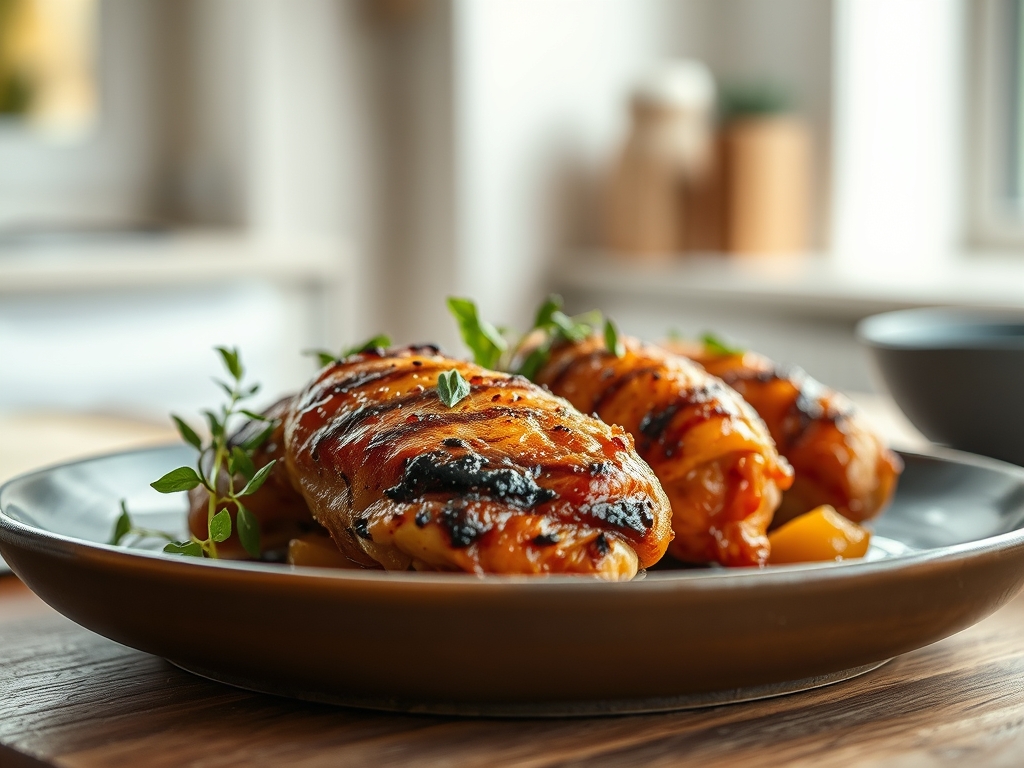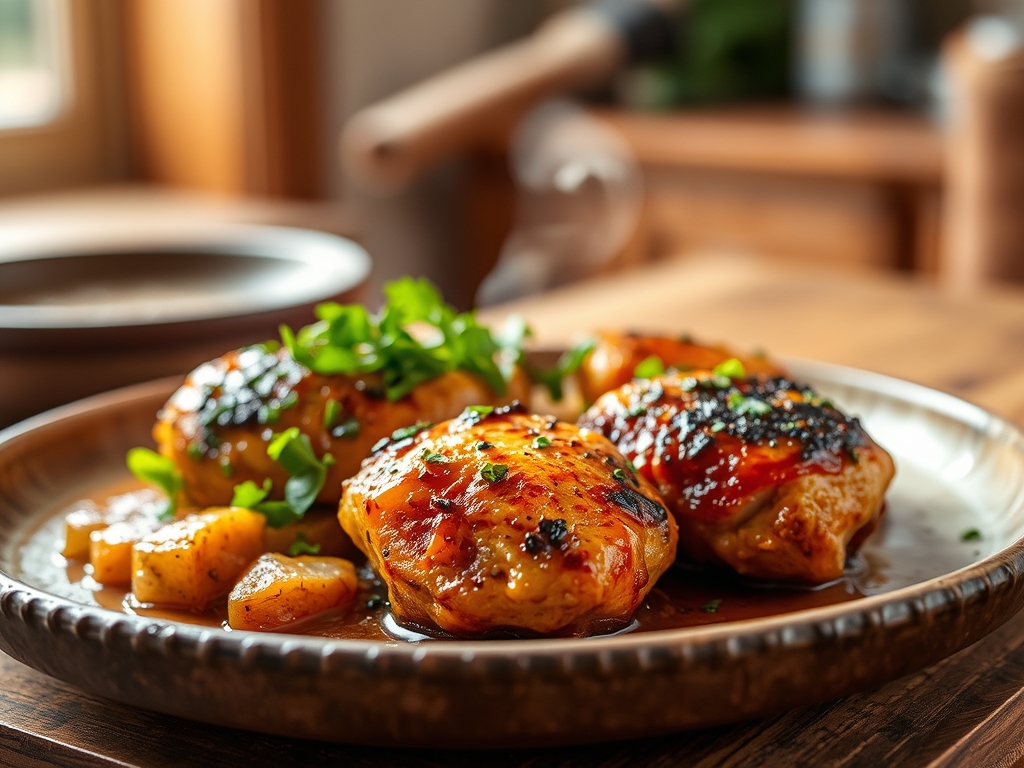
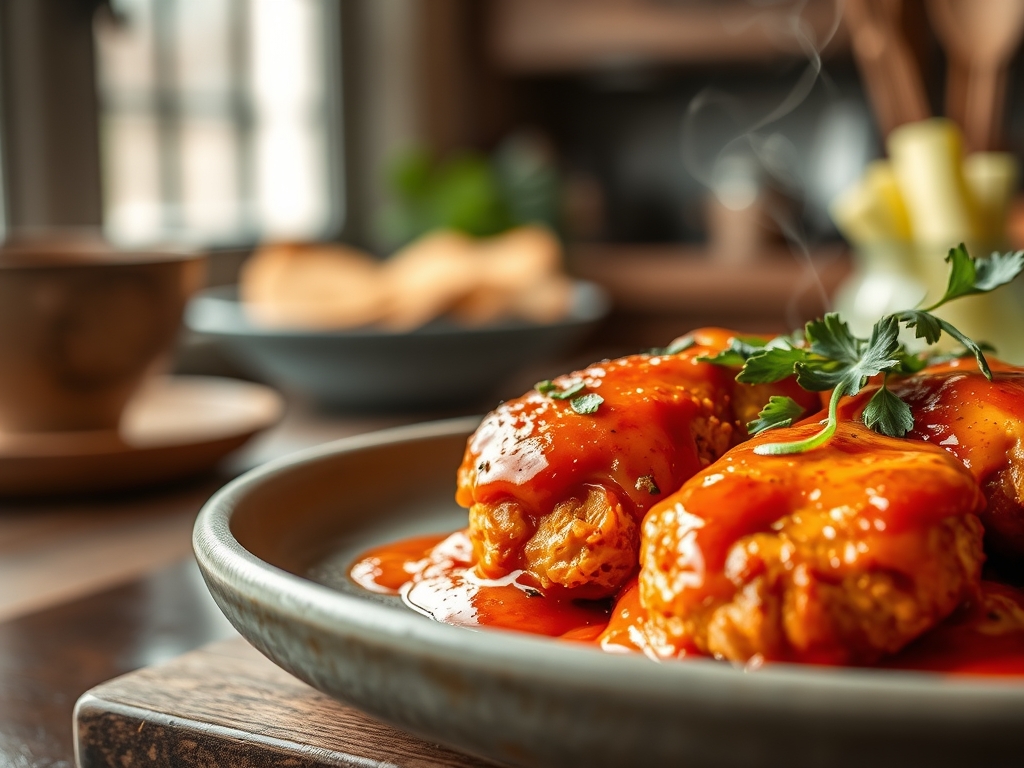
Picture the scene: a heavy-bottomed skillet sizzling on the range while the piquant aroma of aged cayenne and clarified butter fills the air. We are not just making dinner; we are engineering a masterpiece of heat and creaminess. Finding buffalo chicken recipes easy enough for a Tuesday but sophisticated enough for a Saturday is the ultimate culinary holy grail. Whether you are tossing shredded poultry in a viscous glaze or baking it into a bubbly dip, the goal is always that perfect balance of acidity and fat. Today, we are breaking down the molecular magic that makes this flavor profile a global obsession. Get ready to transform basic pantry staples into a high-octane feast that will have your friends begging for the secret sauce.
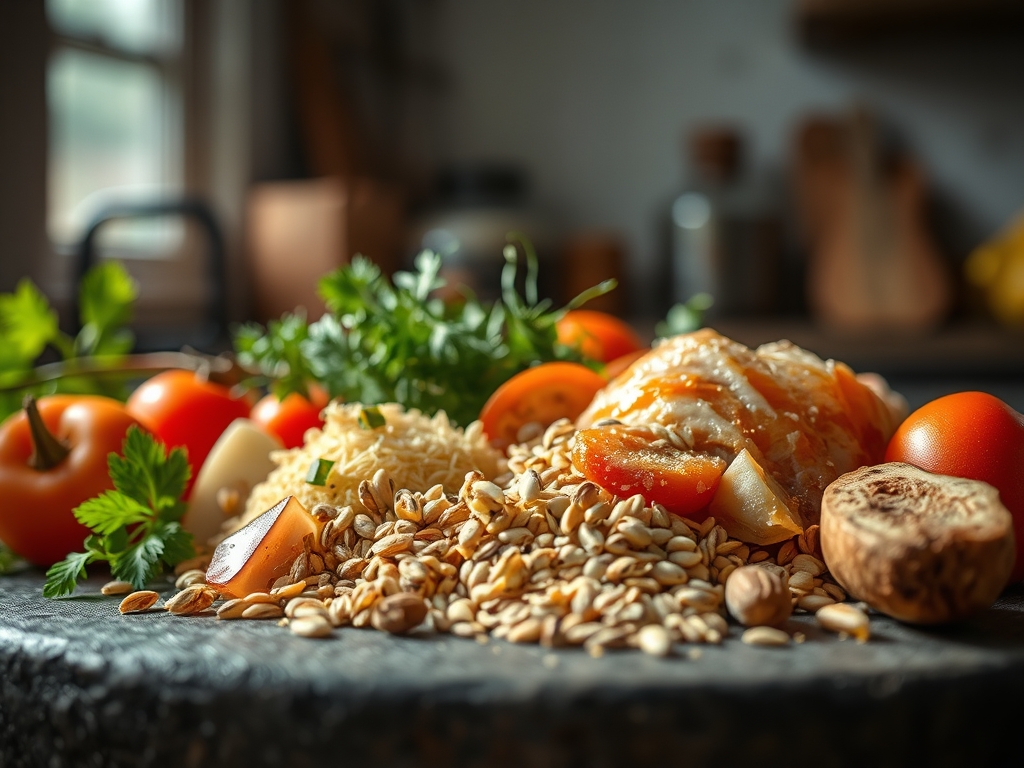
The Gathers:
To achieve professional results, your mise-en-place must be precise. Start with high-quality chicken breast or thighs; thighs are preferable if you want to render more intramuscular fat for a silkier mouthfeel. You will need a premium hot sauce where the first ingredient is aged peppers, not water. Grab your digital scale to measure out 225 grams of cream cheese and 115 grams of unsalted butter. The butter acts as a tempering agent, mellowing the capsaicin while providing a glossy sheen to your sauce.
For the aromatics, use a microplane to grate fresh garlic into a fine paste. This increases the surface area, allowing the garlic to infuse the fat without leaving behind gritty chunks. Do not forget the acid; a splash of white distilled vinegar or a squeeze of fresh lemon juice is essential to brighten the heavy fats.
Smart Substitutions:
If you are looking to lighten the caloric load, swap half of the cream cheese for Greek yogurt. The lactic acid in the yogurt provides a similar tang while maintaining a thick consistency. For a dairy-free version, use an avocado oil-based mayonnaise and nutritional yeast to replicate that savory, umami-rich "cheese" profile. If you find yourself out of butter, a neutral oil mixed with a pinch of lecithin can help you emulsify the sauce into a stable, velvety coating.
The Clock
Efficiency in the kitchen is all about "Chef's Flow." This refers to the logical sequencing of tasks to minimize downtime. For most buffalo chicken recipes easy prep, you are looking at a 15-minute active prep window and a 20-minute cook time.
Start by preheating your oven or heating your heavy-bottomed skillet. While the hardware reaches the target temperature, handle all knife work. Use a bench scraper to quickly clear your board of chopped celery or scallions. By the time your chicken is cooked and resting, your sauce should be simmering in a saucier. This synchronized timing ensures that the chicken is at its peak internal temperature just as the sauce reaches its ideal viscous state.
The Masterclass
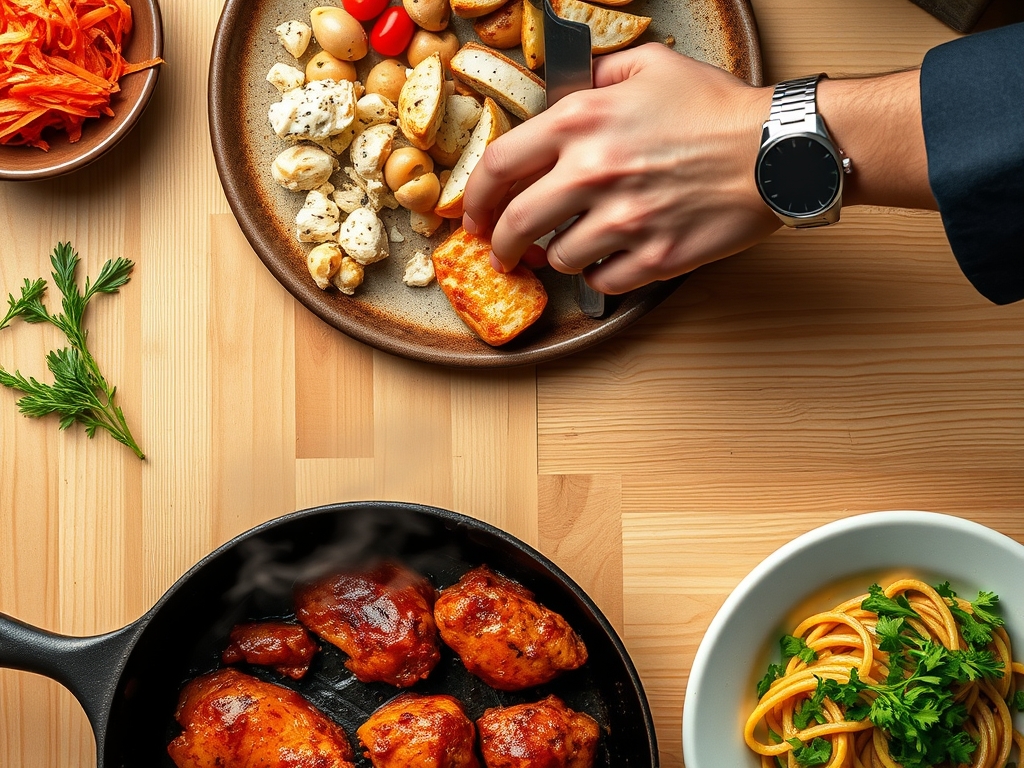
1. The Sear and Render
Place your seasoned chicken in a hot skillet with a high-smoke-point oil. Do not crowd the pan; this leads to steaming rather than browning.
Pro Tip: This stage relies on the Maillard reaction, a chemical reaction between amino acids and reducing sugars that creates complex flavors and a golden-brown crust. Ensure the meat is dry before it hits the pan to maximize this effect.
2. The Shred and Rest
Once the chicken reaches an internal temperature of 160 degrees Fahrenheit, remove it from the heat. Use two forks or a stand mixer with the paddle attachment to shred the meat while it is still warm.
Pro Tip: Thermal carryover will continue to cook the chicken after it is removed from the heat, bringing it to the safe 165-degree mark. Shredding while warm allows the muscle fibers to separate easily without toughening.
3. The Sauce Emulsification
In a saucier, whisk together your hot sauce and cold butter cubes over low heat. The goal is a permanent emulsion where the fat and water-based sauce stay bonded.
Pro Tip: Cold butter is key. Adding cold fat to a warm liquid allows the milk solids to slowly incorporate, creating a stable emulsion that won't "break" or become oily.
4. The Flavor Infusion
Fold your shredded chicken into the sauce, ensuring every strand is coated. If you are making a dip, this is when you fold in your cheeses using a silicone spatula.
Pro Tip: Use a technique called osmosis by letting the chicken sit in the sauce for five minutes. The salt and spices will penetrate the meat fibers, seasoning the dish from the inside out.
5. The Aeration and Bake
If your recipe requires baking, spread the mixture into a ceramic dish. Use a spoon to create "peaks" on the surface.
Pro Tip: These peaks increase the surface area exposed to the oven's dry heat, encouraging enzymatic browning and creating crispy, caramelized bits that contrast with the creamy interior.
6. The Cool Down
Let the dish sit for five to ten minutes before serving. This is the hardest part, but the most crucial for texture.
Pro Tip: Allowing the dish to rest lets the proteins and fats re-solidify slightly. This prevents the sauce from being too runny and ensures every bite holds its shape on a cracker or celery stick.
The Deep Dive
When we look at the macro nutrition, buffalo chicken is a protein powerhouse. A standard serving provides roughly 25 grams of protein, though the fat content can climb quickly due to the butter and cheese. To keep it Keto-friendly, simply omit any breading or flour-based thickeners. For a Vegan twist, roasted cauliflower or oyster mushrooms provide a fantastic fibrous texture that mimics chicken, while cashew cream serves as a decadent base for the sauce.
The Fix-It: Troubleshooting Your Buffalo Masterpiece
- The Sauce is Greasy: This means your emulsion broke. Fix it by whisking in a teaspoon of warm water or a splash of heavy cream to re-bind the fats.
- The Chicken is Dry: You likely bypassed the resting phase. Next time, pull the chicken at 160 degrees. To fix a dry batch, add a tablespoon of chicken bone broth to the sauce for extra moisture.
- Too Much Heat: If the capsaicin is overwhelming, add honey or brown sugar. The sugar molecules compete for the same receptors on your tongue, effectively "muting" the burn.
Meal Prep and Reheating Science
To maintain "day-one" quality, store your buffalo chicken in an airtight glass container. When reheating, avoid the microwave if possible; it vibrates water molecules too violently, which can cause the fats to separate. Instead, use a low oven or a small saucepan. If the sauce looks thick, add a tiny splash of milk to restore the original viscosity.
The Wrap-Up
Mastering buffalo chicken recipes easy style is about understanding the intersection of heat, fat, and acid. When you respect the science of the emulsion and the timing of the Maillard reaction, you elevate a simple comfort food into a gourmet experience. Use your tongs with confidence, keep your digital scale handy, and never underestimate the power of a perfectly balanced sauce. Now, go forth and dominate your next potluck with the boldest, creamiest buffalo chicken your kitchen has ever seen!
The Kitchen Table
How do I stop my buffalo sauce from separating?
Whisk cold butter into your warm hot sauce slowly over low heat. This creates a stable emulsion. If it separates, add a teaspoon of warm water and whisk vigorously to bring the fats and liquids back together.
What is the best chicken cut for buffalo recipes?
Boneless, skinless chicken thighs are superior for flavor and moisture. They contain more fat than breasts, which helps the meat stay tender during the high-heat cooking and shredding process required for most buffalo chicken recipes easy.
Can I make buffalo chicken in a slow cooker?
Yes, place chicken and sauce in the slow cooker on low for 4 to 6 hours. However, add dairy elements like cream cheese or ranch dressing during the last 30 minutes to prevent the proteins from curdling.
How do I make my buffalo chicken extra crispy?
Pat the chicken completely dry with paper towels before cooking. Dusting the skin lightly with baking powder before roasting or frying creates tiny air bubbles, which increases surface area for a shattered-glass crunch.