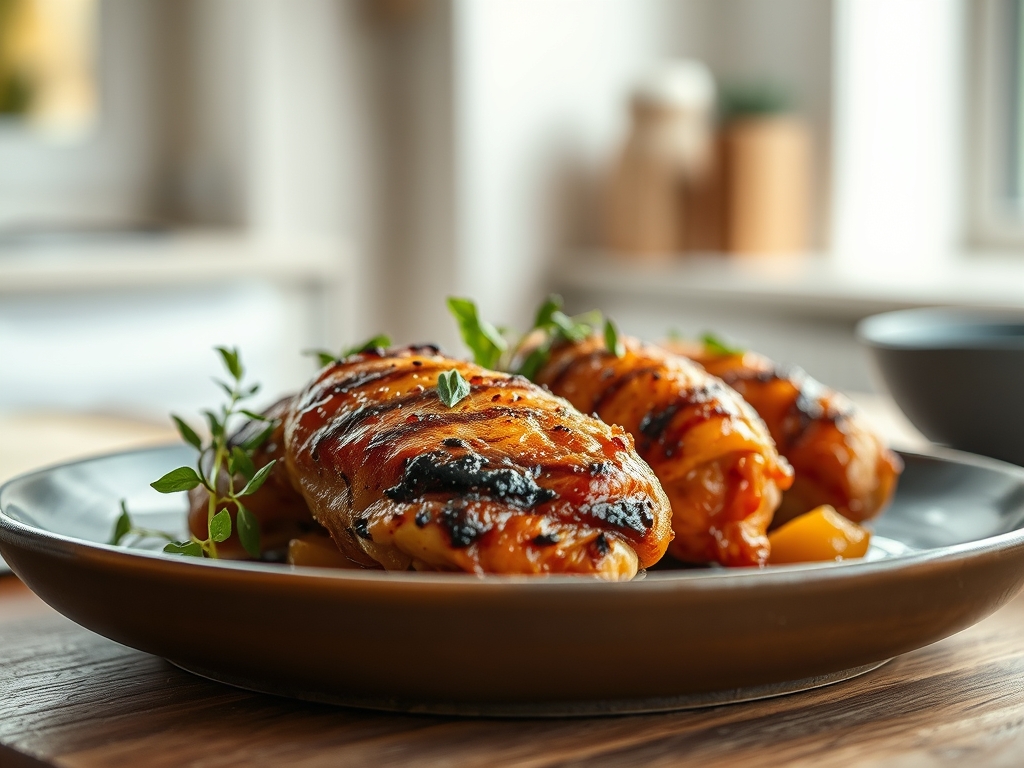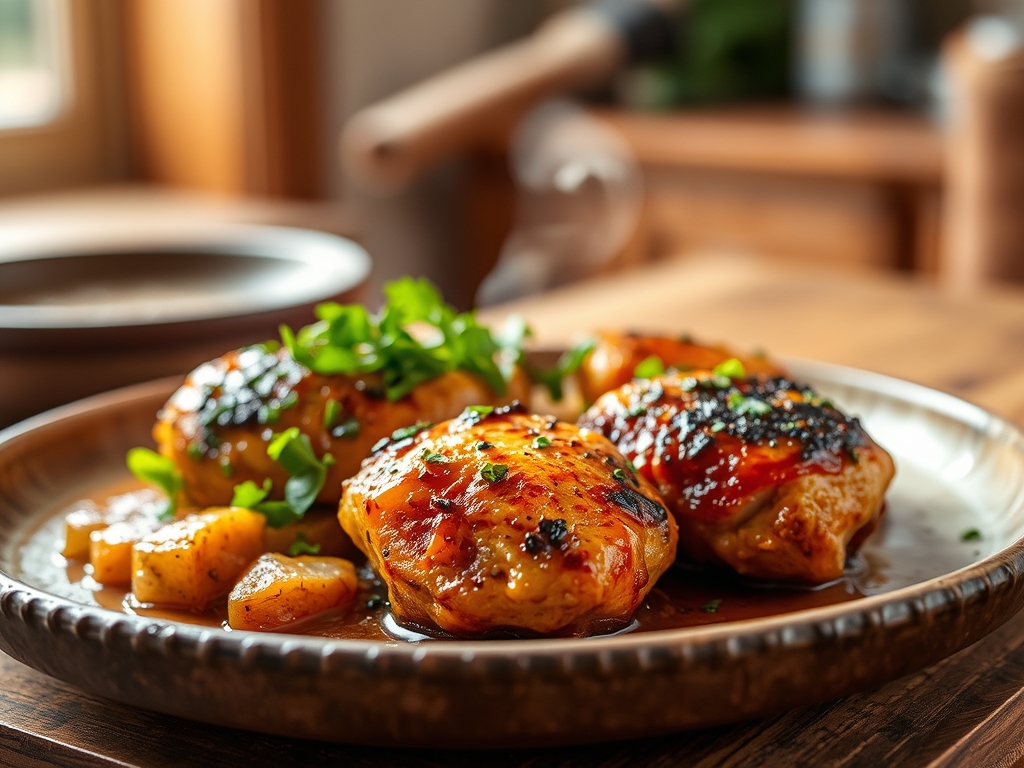
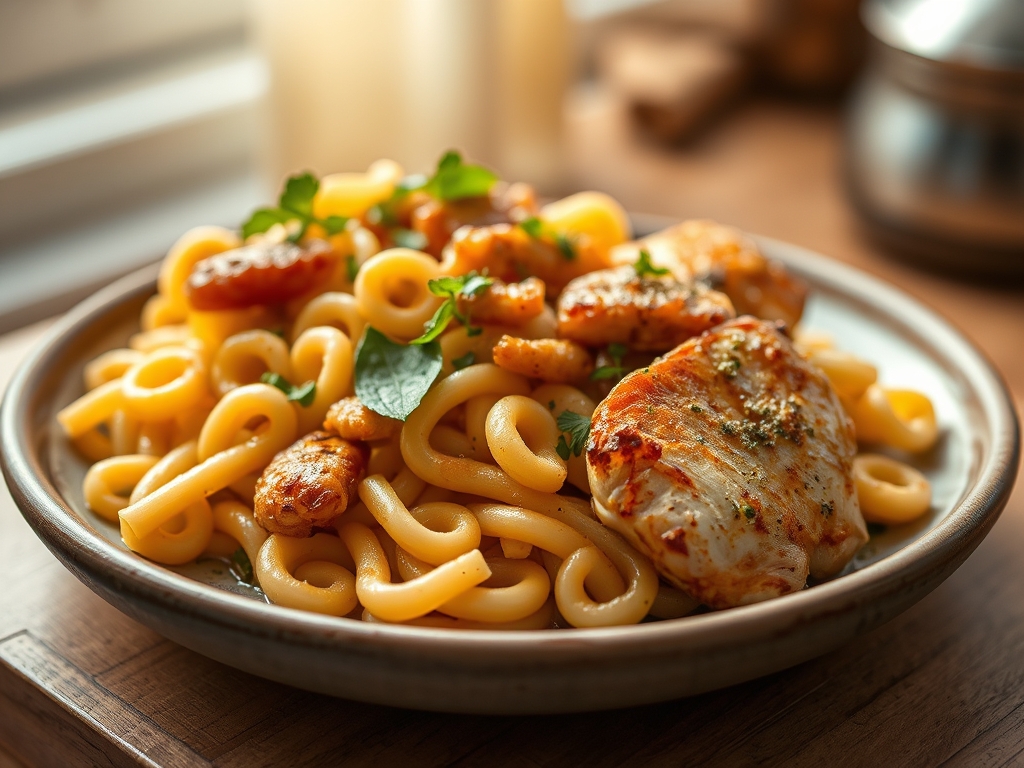
Imagine a Tuesday night where the kitchen smells like a high-end trattoria; the air is thick with the scent of toasted garlic and searing poultry. Finding the perfect rotini pasta and chicken recipes is about more than just a quick dinner. It is about the architecture of the noodle. Those tight, corkscrew spirals are engineered to trap viscous sauces in every crevice, ensuring each bite is a balanced explosion of texture and flavor.
The beauty of rotini pasta and chicken recipes lies in the contrast between the springy, al dente pasta and the succulent, Maillard-browned protein. It is a culinary marriage of convenience and sophistication. Whether you are tossing them in a bright lemon-butter emulsion or a heavy, velvet-like Alfredo, the rotini acts as a structural vessel. It holds onto the liquid gold of your pan sauce better than any flat noodle ever could. We are not just boiling water here; we are orchestrating a symphony of carbohydrates and amino acids to create a meal that feels like a warm hug but tastes like a professional masterpiece.
The Gathers:
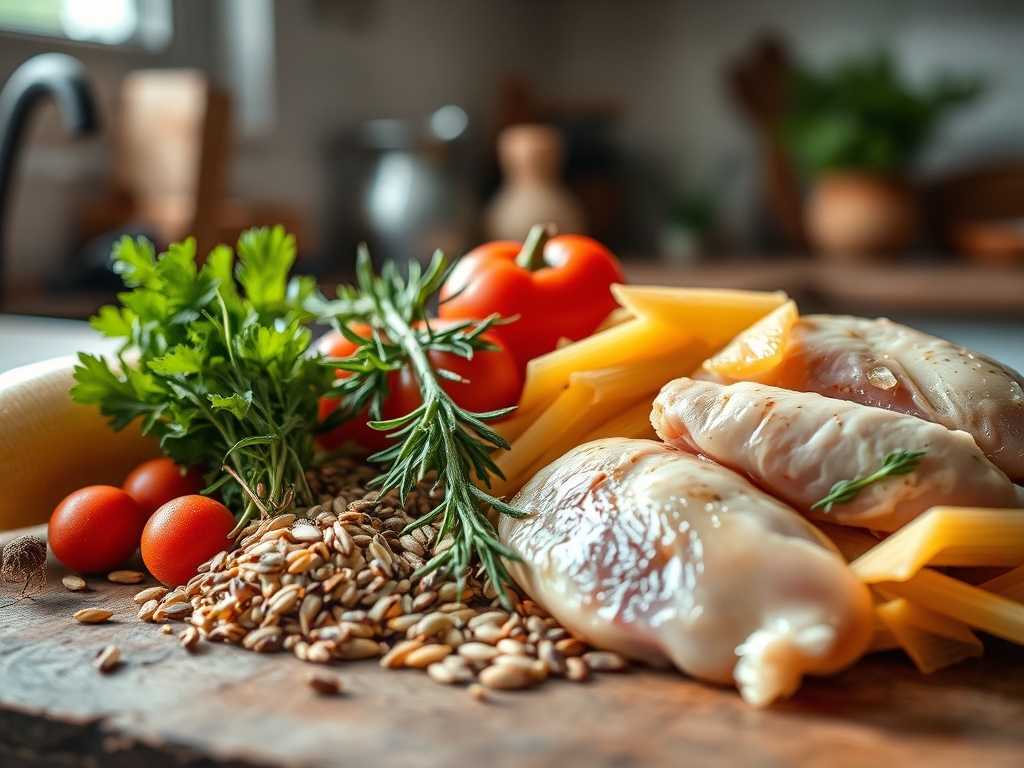
To execute these dishes with precision, your mise-en-place must be impeccable. We start with the chicken, preferably organic breasts or thighs. Use a digital scale to ensure uniform portions; this guarantees even cooking times across the board. You will need high-quality rotini, ideally bronze-cut, which has a rougher surface area to better grab your sauce.
Your aromatics are the soul of the dish. Have your garlic, shallots, and fresh herbs ready. Use a microplane to zest lemons and grate hard cheeses like Parmigiano-Reggiano into a fine, snowy powder that melts instantly. For the fats, keep both high-smoke-point oils and unsalted European-style butter on hand.
Smart Substitutions:
If you are looking to pivot, swap the chicken for pan-seared chickpeas to maintain protein density. For a gluten-free profile, red lentil rotini offers a sturdy structural integrity that does not turn to mush in boiling water. If you lack fresh cream, a dollop of Greek yogurt can provide that necessary lactic acidity, though you must whisk it in off the heat to prevent curdling.
The Clock: Mastering the Flow
Efficiency in the kitchen is about "Chef's Flow," the art of overlapping tasks so no heat is wasted. Expect a total time of 30 to 40 minutes for most rotini pasta and chicken recipes.
- The Prep (10 Minutes): Slice your chicken into uniform bite-sized pieces and mince your aromatics.
- The Boil (10-12 Minutes): Get your water to a rolling boil. Remember, the water should be as salty as the sea to season the pasta from the inside out.
- The Sear and Sauce (15 Minutes): While the pasta dances in the pot, render the fat from your chicken in a heavy-bottomed skillet.
The goal is to have the pasta reach al dente exactly when the sauce is finishing its reduction. This synchronization ensures the starch is still active when the two components meet.
The Masterclass:
1. The Sear and Fond Development
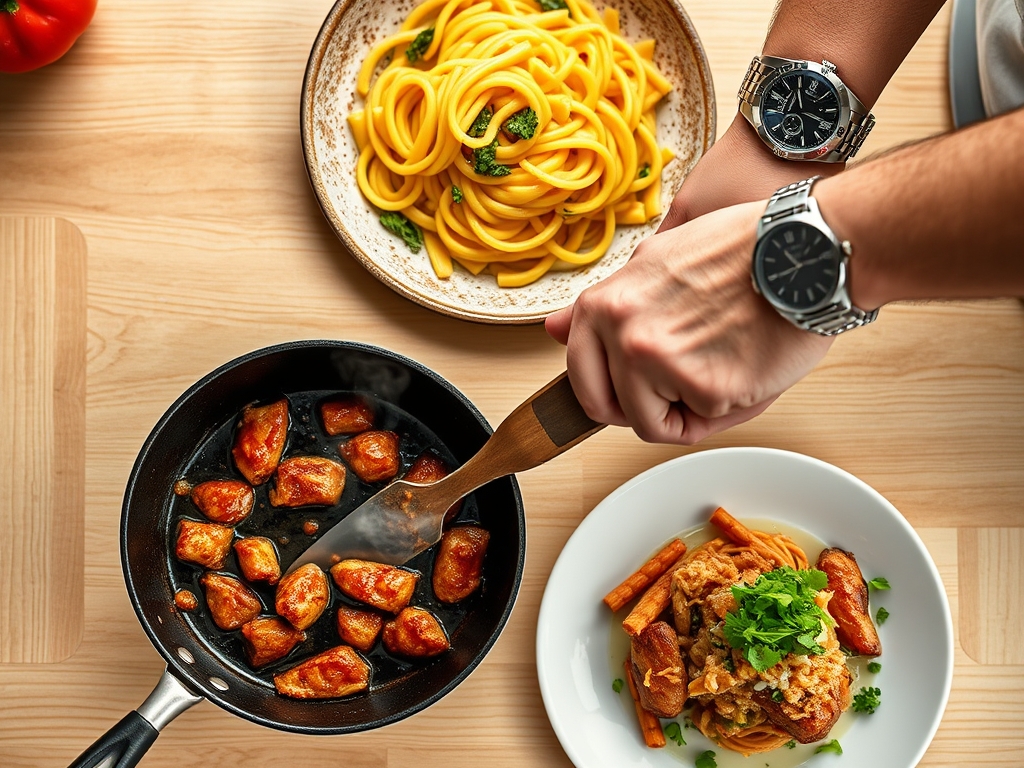
Place your seasoned chicken into a shimmering heavy-bottomed skillet. Do not crowd the pan; overcrowding drops the temperature and causes the meat to steam rather than sear. Use tongs to flip the pieces once a golden-brown crust forms.
Pro Tip: This browning is the Maillard reaction, a chemical reaction between amino acids and reducing sugars that creates hundreds of different flavor compounds. The brown bits stuck to the pan, called the fond, are the foundation of your sauce.
2. The Deglaze and Emulsion
Once the chicken is cooked through, remove it and set it aside. Pour in a splash of dry white wine or chicken stock. Use a silicone spatula to scrape up the fond. Add your aromatics and a knob of butter, whisking vigorously.
Pro Tip: You are creating an emulsion, a stable mixture of two liquids that usually do not mix, like oil and water. The agitation helps the fat molecules disperse evenly into the liquid, creating a silky mouthfeel.
3. The Pasta Integration
Transfer the rotini directly from the boiling water into the skillet using a spider strainer. Do not drain the pasta water yet. Toss the noodles in the sauce, adding a splash of the starchy pasta water as needed.
Pro Tip: Pasta water contains released starches that act as a binding agent. This liquid gold helps the sauce adhere to the corkscrew shape of the rotini, preventing the sauce from pooling at the bottom of the bowl.
4. The Final Infusion
Return the chicken to the pan along with fresh herbs and your microplaned cheese. Toss over low heat for sixty seconds.
Pro Tip: This final minute allows for thermal carryover, where the chicken finishes cooking gently in the residual heat of the sauce, ensuring it remains succulent rather than rubbery.
The Deep Dive:
From a macro perspective, rotini pasta and chicken recipes are a powerhouse of balanced nutrition. You get complex carbohydrates for sustained energy and lean protein for muscle repair. To make this keto-friendly, replace the rotini with cauliflower florets or konjac noodles. For a vegan twist, use seitan "chicken" strips and a cashew-based cream sauce.
The Fix-It: Common Pitfalls
- The Sauce is Too Thin: If your sauce is watery, whisk in a "beurre manie" (equal parts flour and butter mashed together). The flour particles will swell and thicken the liquid instantly.
- Rubbery Chicken: This usually happens from overcooking. Use a digital thermometer to pull the chicken at 160 degrees Fahrenheit; it will reach the safe 165 mark through carryover cooking.
- Sticky Pasta: Never add oil to your pasta water. It coats the noodles and prevents the sauce from sticking. Just use plenty of water and stir frequently.
Meal Prep Science:
When reheating, the starch in the pasta often absorbs the remaining moisture, leaving it dry. To restore "day-one" quality, add a tablespoon of water or milk before microwaving. This creates steam that re-hydrates the starch granules, softening the noodle without making it soggy.
The Wrap-Up:
You are now officially equipped to dominate the kitchen with these rotini pasta and chicken recipes. By understanding the chemistry of the emulsion and the importance of the Maillard reaction, you have elevated a simple weeknight staple into a gourmet experience. Grab your saucier, find your favorite corkscrew noodles, and start creating. Your dinner table is about to become the most popular spot in the house!
The Kitchen Table:
How do I keep chicken from getting dry in pasta?
Sear the chicken quickly over high heat to develop a crust, then remove it. Only return the chicken to the pan during the final minute of sauce assembly to finish cooking via gentle residual heat.
What is the best way to salt pasta water?
Add approximately one tablespoon of kosher salt per four quarts of water. The water should taste distinctly salty; this is your only chance to season the interior of the rotini noodle itself.
Can I use frozen chicken for these recipes?
Yes, but you must thaw it completely in the refrigerator first. Pat the chicken dry with paper towels before cooking to ensure you get a proper sear rather than steaming the meat.
Why does my cheese sauce always clump?
Clumping occurs when cheese is added to a boiling liquid, causing the proteins to tighten. Remove the skillet from the heat source and stir in finely grated cheese gradually for a smooth melt.