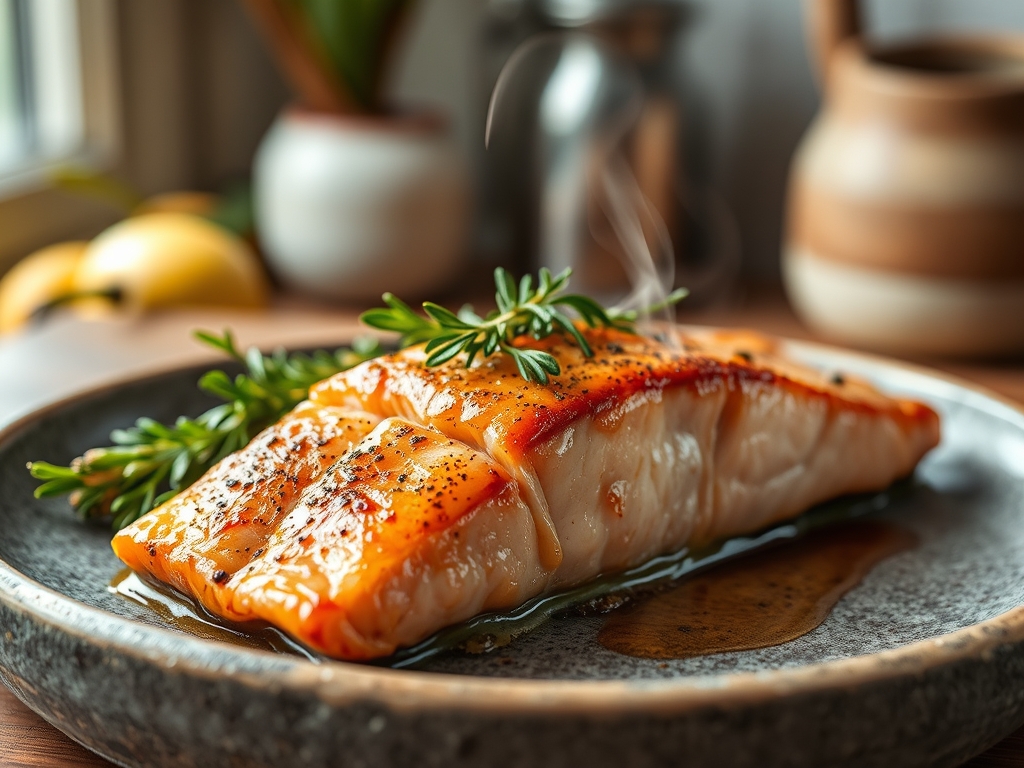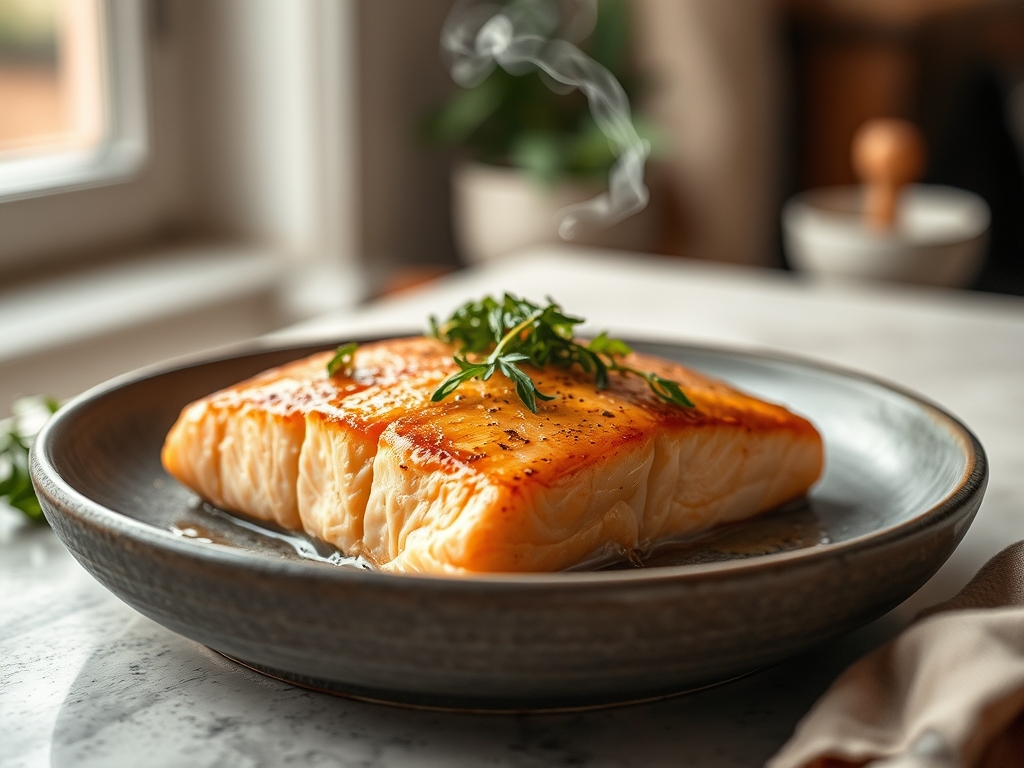
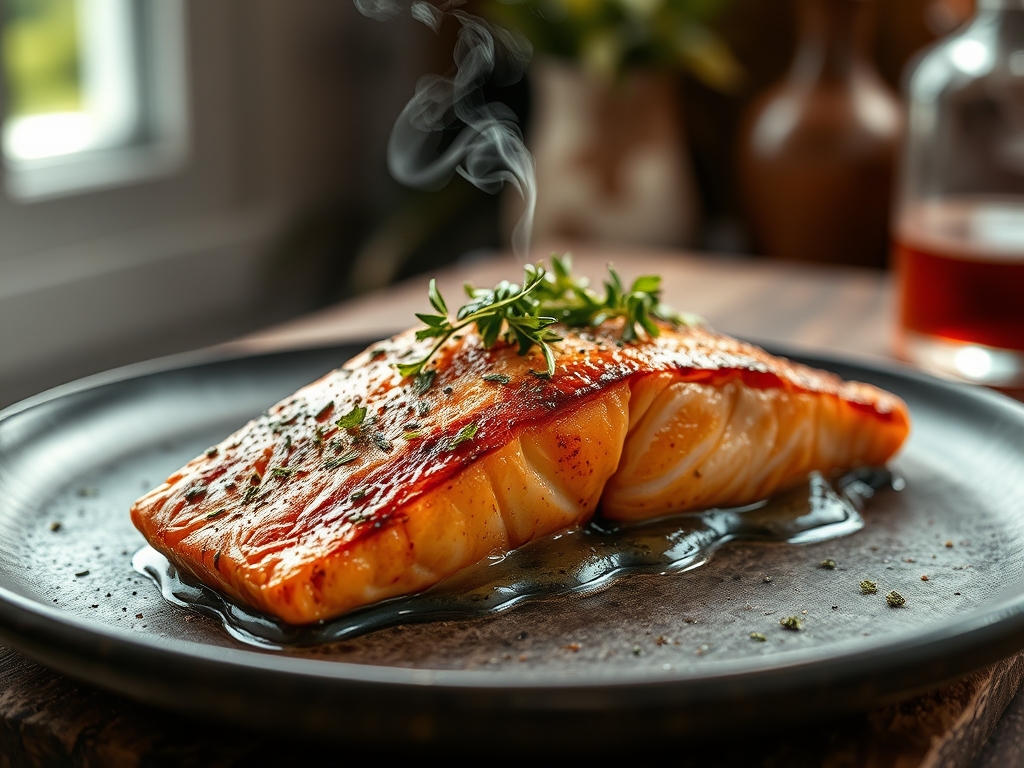
Imagine the sound of a cold, heavy-bottomed skillet meeting a room-temperature fillet of king salmon. That first sizzle is more than just noise; it is the physical manifestation of the Maillard reaction beginning its transformative work on the proteins. When we talk about the most popular salmon recipes, we are looking for that perfect intersection of a buttery, translucent interior and a crust so crisp it shatters under a fork. Salmon is the undisputed royalty of the sea because it bridges the gap between lean protein and indulgent, omega-3 rich healthy fats. Whether you are craving the piquant kick of a citrus glaze or the earthy comfort of a cedar-plank roast, mastering this fish is a rite of passage for any serious home cook. We are going to dive deep into the molecular mechanics that turn a simple piece of fish into a restaurant-quality masterpiece. Grab your favorite apron and a glass of something crisp; we are about to elevate your kitchen game with the eight essential preparations that have defined modern seafood culture.
The Gathers:
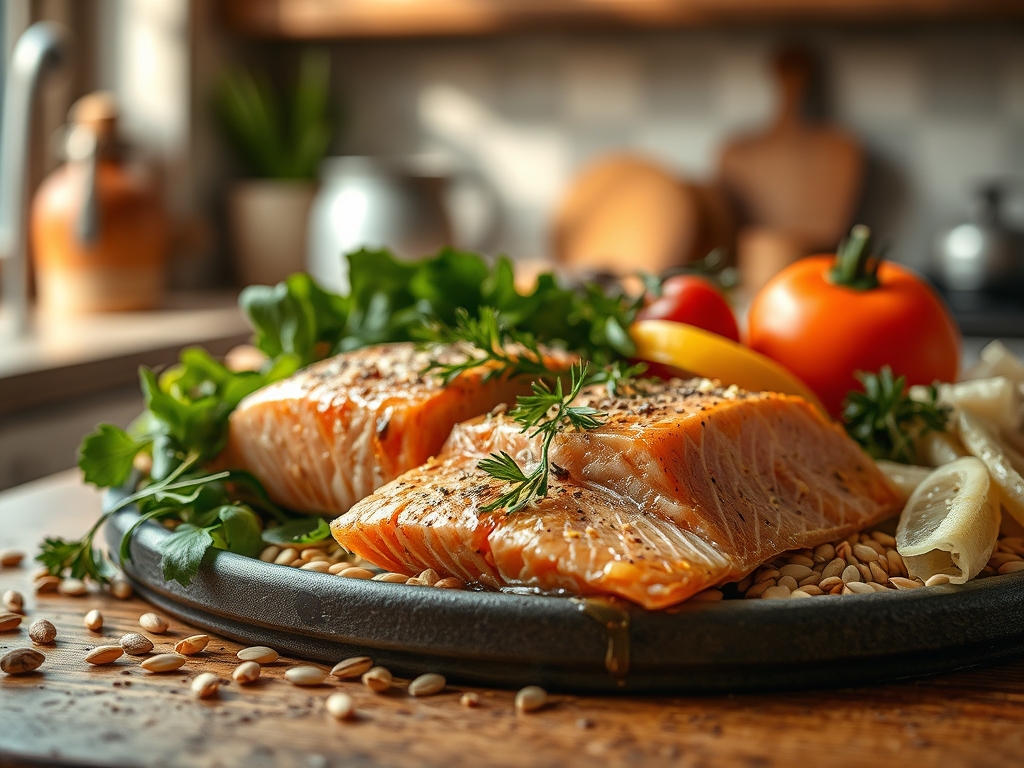
Setting your station is the difference between a frantic kitchen and a rhythmic culinary flow. For the most popular salmon recipes, your mise-en-place must be precise. You will need high-quality fillets, preferably center-cut for uniform thickness. On your marble pastry board or clean countertop, gather your aromatics: fresh dill, flat-leaf parsley, and garlic cloves ready for the microplane. You will need a viscous fat source, such as extra virgin olive oil or clarified butter (ghee), which has a higher smoke point than standard butter.
Don't forget the textural elements. Coarse kosher salt is non-negotiable because its jagged edges provide better surface area coverage than fine table salt. If you are aiming for a glaze, have your honey or maple syrup ready alongside an acid source like fresh lemon or rice vinegar to balance the richness.
Smart Substitutions:
If you are out of fresh citrus, a pinch of sumac provides that same bright, piquant acidity. For those avoiding dairy, an emulsion of tahini and warm water can mimic the creamy mouthfeel of a traditional hollandaise or beurre blanc. If you cannot find fresh dill, dried tarragon offers a sophisticated, anise-forward alternative that pairs beautifully with the natural sweetness of the fish.
The Clock:
Efficiency in the kitchen is about understanding "Chef's Flow." Most popular salmon recipes require about 15 minutes of active preparation and 10 to 12 minutes of thermal application. However, the most important time investment happens before the heat ever touches the pan. You must allow your salmon to sit at room temperature for at least 20 minutes. This prevents "thermal shock," where the outside overcooks before the center can lose its chill.
Your workflow should look like this: 20 minutes for tempering and patting the skin dry, 5 minutes for seasoning and herb-chopping, and 10 minutes for the actual cook. Finally, factor in a 3-minute rest period. This allows the internal juices, which have been pushed toward the center by the heat, to redistribute through the muscle fibers, ensuring every bite is succulent.
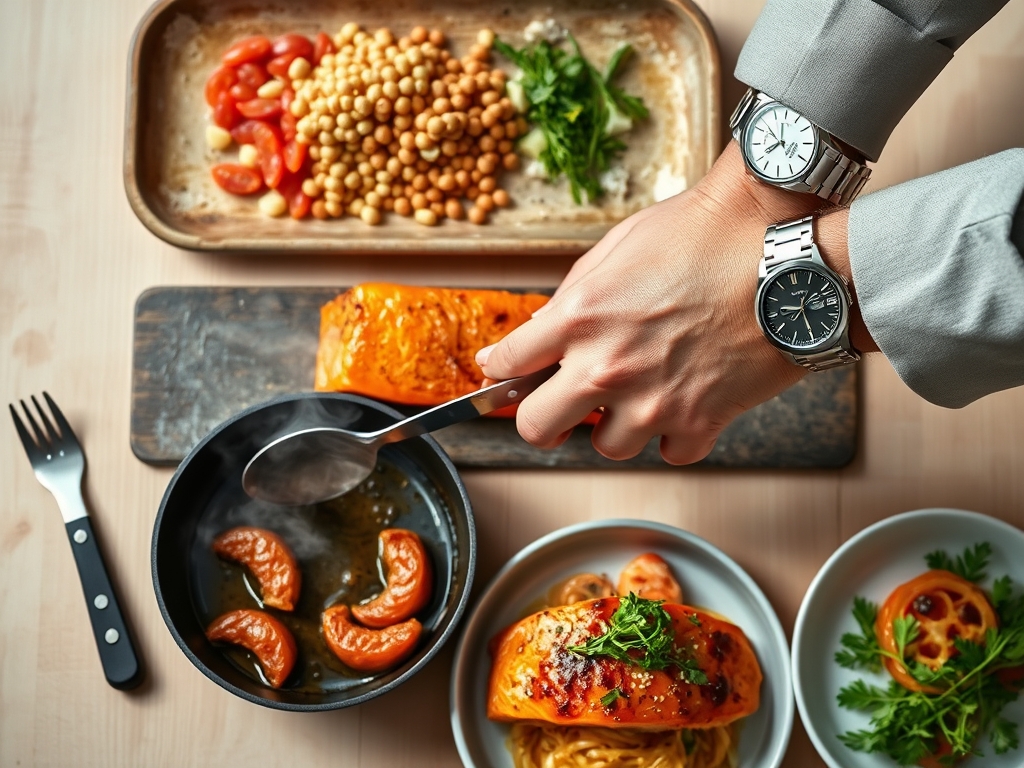
The Masterclass:
1. The Perfect Sear
Start by using a paper towel to remove every trace of moisture from the skin. Place your heavy-bottomed skillet over medium-high heat until the oil shimmers but does not smoke. Lay the fish skin-side down, pressing firmly with a flexible fish spatula for 30 seconds to prevent the skin from curling.
Pro Tip: This initial pressure ensures maximum surface contact, facilitating conduction and preventing the steam from getting trapped under the skin, which would otherwise result in a rubbery texture.
2. The Butter Baste
Once the skin is crisp, flip the fillet and drop a knob of cold butter, two smashed garlic cloves, and a sprig of thyme into the pan. Tilt the skillet and use a large spoon to continuously douse the fish in the foaming fat.
Pro Tip: This is known as arrosé. The hot fat carries the fat-soluble compounds from the garlic and herbs directly into the protein, while the milk solids in the butter undergo enzymatic browning to add a nutty depth.
3. The Low-Slow Roast
For a melt-in-your-mouth texture, place fillets on a parchment-lined sheet tray at 275 degrees Fahrenheit. Rub with a thin layer of olive oil and salt. Bake until the internal temperature reaches 125 degrees.
Pro Tip: Cooking at a lower temperature prevents the albumin (that white, unsightly protein) from squeezing out of the muscle fibers, keeping the moisture locked inside the cells.
4. The Citrus Deglaze
After pan-searing, remove the fish and pour a splash of dry white wine or lemon juice into the hot pan. Use a whisk to scrape up the browned bits (the fond).
Pro Tip: Deglazing captures the concentrated flavors left in the pan. The acid in the liquid breaks down the complex protein chains in the fond, creating a sophisticated, built-in sauce.
5. The Honey-Soy Glaze
Apply a mixture of honey, soy sauce, and grated ginger during the last three minutes of cooking. Use a pastry brush to ensure even coverage.
Pro Tip: Because of the high sugar content, the glaze will undergo caramelization rapidly. Applying it late prevents the sugars from burning while still allowing them to reach the hard-crack stage for a sticky finish.
6. The Poach
Submerge the salmon in a shallow saucier filled with aromatics and water or stock kept at a gentle simmer (about 170 degrees).
Pro Tip: Poaching is a form of convection cooking. By keeping the temperature below boiling, you avoid agitating the delicate fish, preserving its structural integrity and silky mouthfeel.
7. The Cedar Plank Infusion
Soak a cedar plank for two hours, then place the salmon on top and grill over indirect heat.
Pro Tip: The moisture in the wood turns to steam, which carries guaiacol (the molecule responsible for smoky flavor) into the fish without drying out the exterior.
8. The Cold-Cure (Gravlax)
Coat a raw fillet in a 2:1 ratio of salt and sugar, packed with fresh dill. Wrap tightly and weigh it down in the fridge for 36 hours.
Pro Tip: This is osmosis in action. The salt draws moisture out of the fish, which prevents bacterial growth and firms the texture into a sliceable, buttery delicacy.
The Deep Dive:
When we look at the macro nutrition of our most popular salmon recipes, the numbers are impressive. A standard 6-ounce serving provides roughly 34 grams of high-quality protein and 20 grams of fat, most of which are heart-healthy unsaturated fats. For those on a Keto diet, salmon is a foundational staple. If you are following a Vegan protocol, you can replicate the "flaky" texture using marinated hearts of palm or pressurized watermelon, though the nutritional profile will differ. For Gluten-Free diners, simply swap soy sauce for tamari or liquid aminos.
The Fix-It:
- White Gunk Appearing: This is albumin. You cooked it too fast or too hot. Fix: Lower the heat next time or brine the fish in salt water for 10 minutes before cooking to minimize the effect.
- Skin Sticking to Pan: You likely tried to flip it too early. Fix: Wait for protein release, where the fish naturally detaches from the metal once the crust is formed.
- Dry Interior: Thermal carryover is the culprit. Fix: Pull the salmon off the heat when it is 5 degrees below your target temperature; it will finish cooking on the plate.
Meal Prep Science:
To reheat salmon without it smelling "fishy" or turning into rubber, avoid the microwave. The high-frequency waves agitate water molecules too violently. Instead, place it in a 300-degree oven with a splash of water and cover it with foil to create a gentle steam chamber.
The Wrap-Up:
Mastering the most popular salmon recipes is about more than just following a list of steps; it is about understanding the physics of heat and the chemistry of flavor. From the crunch of a perfect sear to the delicate flake of a slow-roasted fillet, you now have the technical arsenal to treat this incredible ingredient with the respect it deserves. Cooking is a continuous experiment, so don't be afraid to use your digital scale for precision or your microplane for that extra zest. You have got this!
The Kitchen Table:
How do I tell if salmon is done without a thermometer?
Gently press the top of the fillet with a fork or your finger. If the flakes begin to separate along the white lines of fat (the lamellae), the salmon is medium-rare and ready to be pulled from the heat.
Why does my salmon smell fishy?
True freshness is odorless. A "fishy" smell is caused by the breakdown of Trimethylamine N-oxide (TMAO). To neutralize this, rinse the fillet in cold water or soak it in milk for fifteen minutes before cooking to bind the odors.
Can I cook salmon directly from the freezer?
It is possible but not recommended for high-end results. For the best texture, thaw the fish slowly in the refrigerator overnight. This prevents the ice crystals from rupturing the cell walls, which leads to a mushy, watery final product.
What is the best oil for searing salmon?
Use an oil with a high smoke point and neutral flavor, such as avocado oil or grapeseed oil. These allow you to reach the high temperatures necessary for the Maillard reaction without the oil breaking down and becoming bitter.