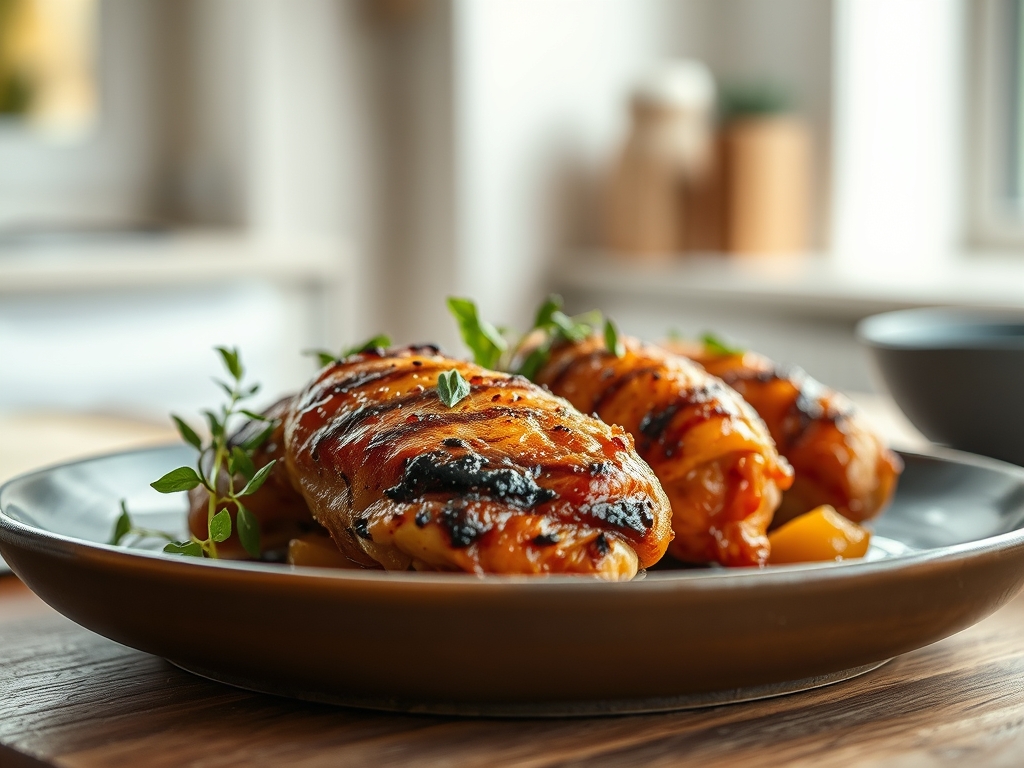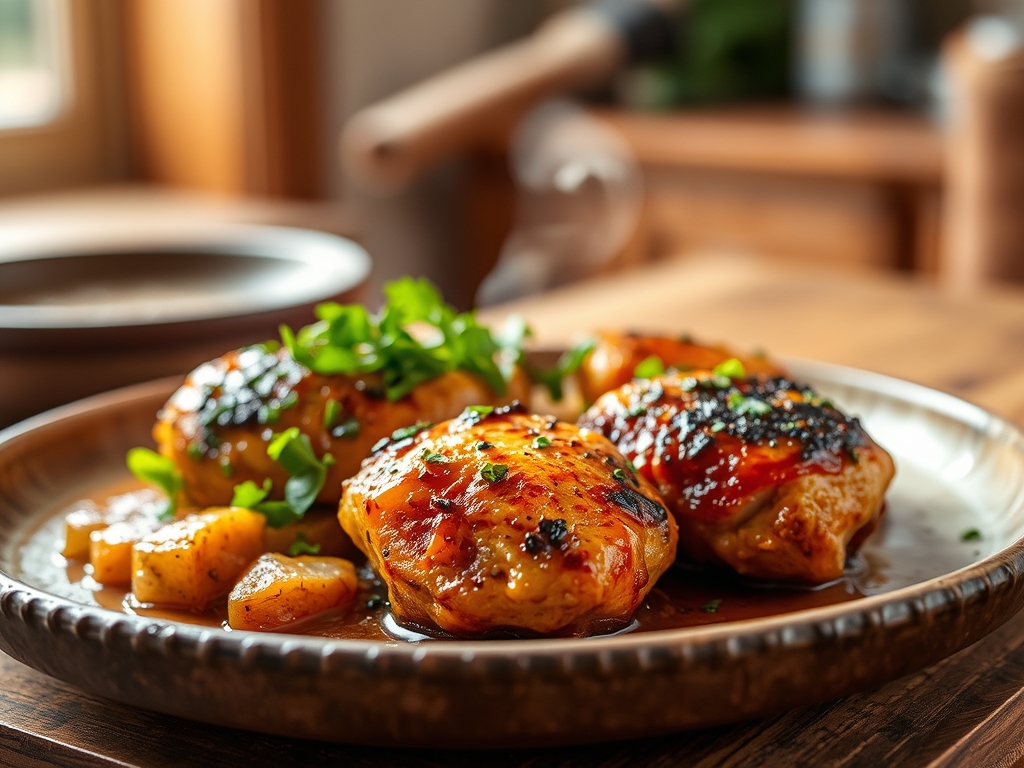
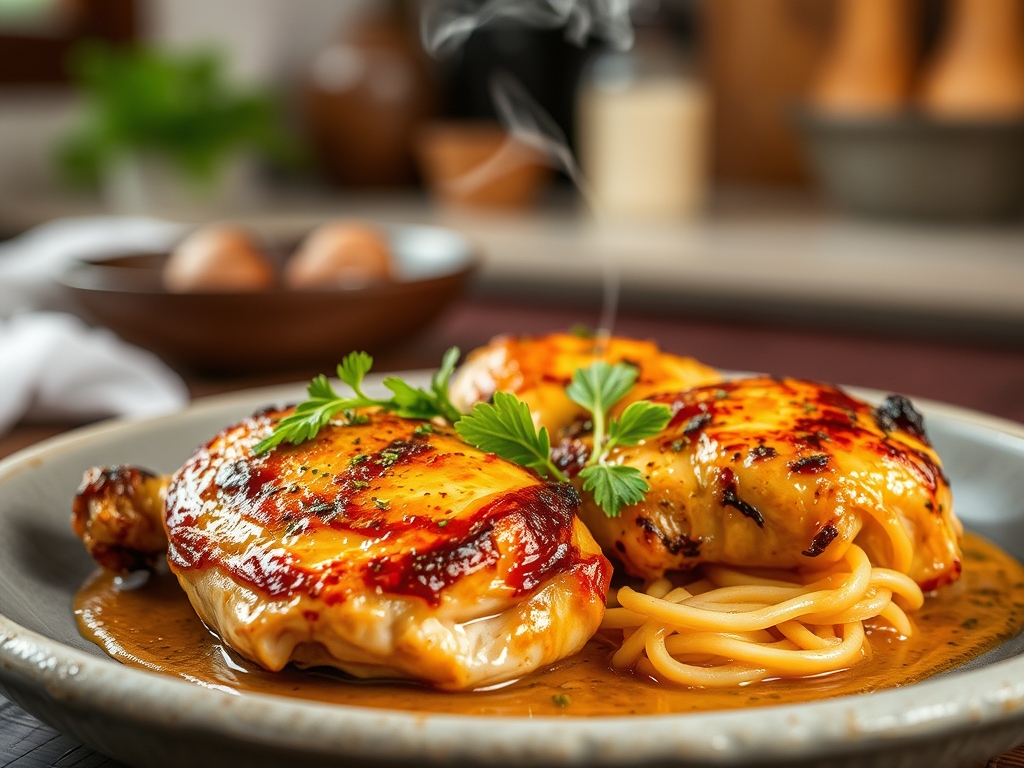
The scent of roasting fat and caramelized skin is a universal love language. There is a specific, Pavlovian response that occurs when the oven timer dings and you pull out a tray of golden, bubbling poultry. Finding the best oven chicken recipes is not just about convenience; it is about mastering the delicate balance of moisture retention and skin crisping.
Imagine the sound of a knife blade scraping against a perfectly rendered, glass-like crust. The steam rises in a fragrant plume, carrying notes of toasted garlic and bright citrus. Whether you are hosting a frantic Tuesday dinner or a slow Sunday feast, the oven is your most reliable sous-chef. It provides a steady, ambient heat that transforms a raw, humble protein into a centerpiece that is both succulent and structurally sound. We are moving beyond the dry, fibrous breasts of the past. We are diving into the molecular magic that happens at four hundred degrees Fahrenheit.
By understanding the physics of heat transfer and the chemistry of seasoning, you can turn any cut of meat into a culinary triumph. These eight variations are designed to maximize flavor while minimizing your active labor. We are talking about high-impact results with low-stress execution. Grab your favorite apron and clear some counter space; we are about to elevate your weeknight rotation to professional standards.
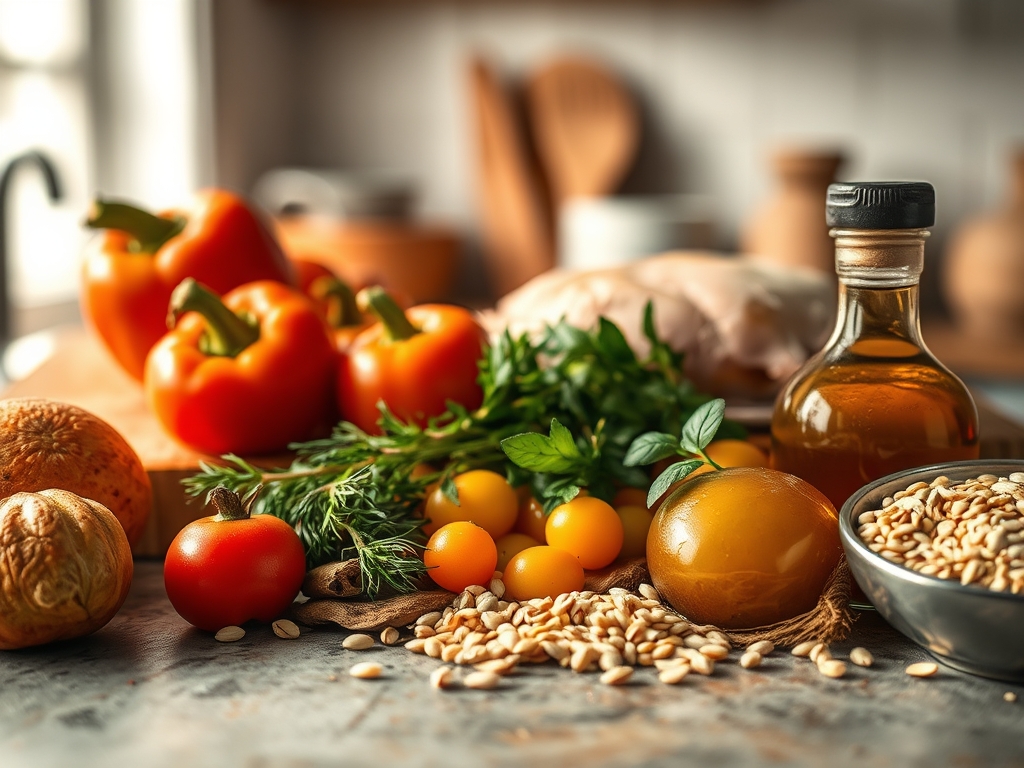
The Gathers:
Before we ignite the burners, we must respect the mise-en-place. Success in the kitchen is eighty percent preparation and twenty percent execution. You will need a heavy-bottomed roasting pan or a large rimmed baking sheet to ensure even heat distribution. A digital scale is your best friend here for measuring aromatics, as volume can be deceptive.
Your ingredient list starts with high-quality poultry. Look for air-dried chicken if possible; moisture is the enemy of the Maillard reaction. You will also need a viscous fat source like extra virgin olive oil or clarified butter to act as a heat conductor. Aromatics are non-negotiable. Gather fresh thyme, rosemary, and whole garlic bulbs. Use a microplane to zest lemons and grate ginger, ensuring the essential oils are fully released into your marinades.
Smart Substitutions:
If you lack fresh herbs, use one-third the amount of dried herbs, as their flavor is more concentrated. If you are out of lemons, a splash of apple cider vinegar provides the necessary piquant acidity to cut through the richness of the rendered fat. For those avoiding butter, avocado oil offers a high smoke point and a neutral profile that allows the spices to shine.
The Clock:
Efficiency in the kitchen is what we call "Chef's Flow." The total time for these recipes ranges from thirty-five to sixty minutes, but the active work is minimal. Your prep phase should take no more than fifteen minutes. This includes trimming the protein, whisking your emulsions, and chopping your root vegetables.
The cooking phase is where the magic happens. While the chicken is in the oven, you have a "dead zone" of thirty minutes. Use this time to aerate a salad or prepare a quick pan sauce. Never forget the resting period. A ten-minute rest is mandatory to allow the internal juices to redistribute. If you cut too soon, the moisture will flood the board, leaving the meat dry and lackluster.
The Masterclass:
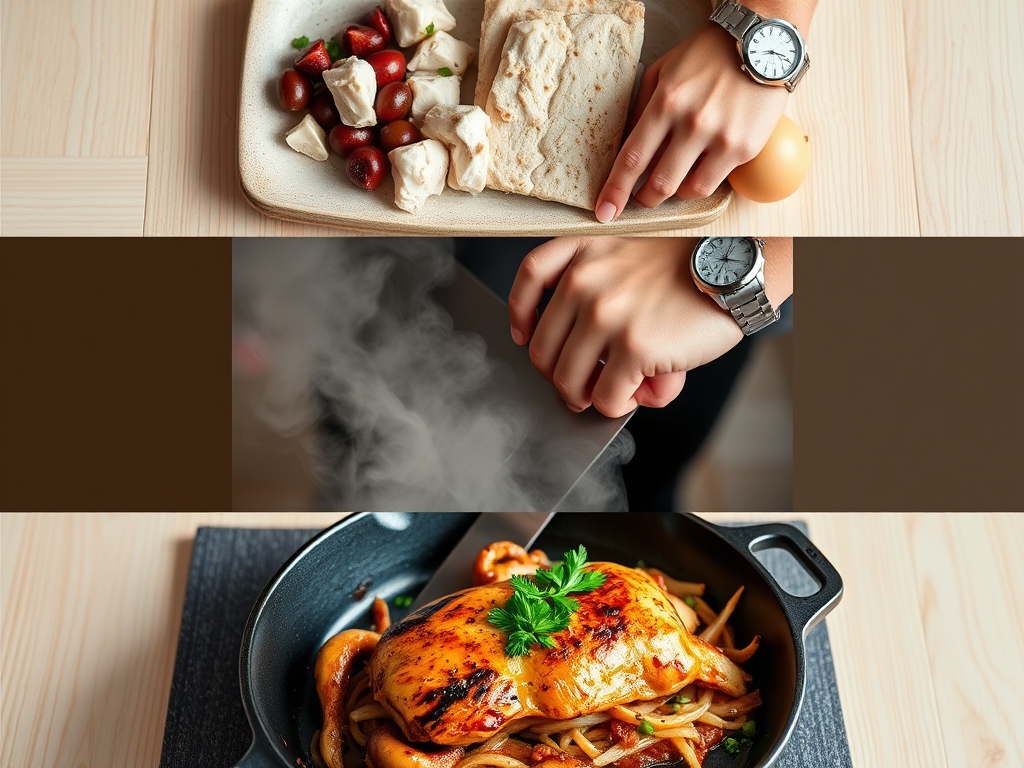
1. The Salt Brine and Surface Prep
Pat the chicken dry with paper towels until the skin feels like parchment. Apply a generous layer of kosher salt. Use your tongs to flip the pieces, ensuring every crevice is coated.
Pro Tip: This process involves osmosis. Salt initially draws moisture out, but given time, it dissolves into a brine that is reabsorbed, breaking down tough muscle proteins for a more tender result.
2. The Fat Application
Coat the skin with your chosen lipid. Whether using a brush or your hands, ensure a thin, even layer. This is where you can infuse the oil with smoked paprika or crushed red pepper for deep color.
Pro Tip: Fats are essential for thermal conduction. They fill the microscopic gaps between the heat source and the meat, ensuring the skin reaches the temperature needed for enzymatic browning.
3. The Aromatic Bed
Place the chicken on a bed of sliced onions, lemons, and woody herbs. This lifts the meat off the pan, allowing hot air to circulate underneath for a 360-degree crisp.
Pro Tip: This creates a convection effect within the pan. The vegetables also catch the drippings, preventing them from burning while creating a built-in side dish.
4. High-Heat Roasting
Slide the pan into the center rack. For most cuts, four hundred degrees is the "sweet spot." It is hot enough to crisp the exterior before the interior overcooks.
Pro Tip: High heat triggers the Maillard reaction, a chemical reaction between amino acids and reducing sugars that gives browned food its distinctive, savory flavor profile.
5. The Internal Temperature Check
Use a digital thermometer to pull the chicken when it hits 160 degrees Fahrenheit. Do not wait for 165 degrees while it is still in the oven.
Pro Tip: This accounts for thermal carryover. The internal temperature will continue to rise by five degrees after removal from the heat source due to residual energy.
6. The Pan Deglaze
Once the meat is resting, place the roasting pan over a burner. Add a splash of wine or stock and use a bench scraper or whisk to lift the browned bits (the fond).
Pro Tip: Deglazing captures the concentrated umami trapped in the pan. This liquid can be swirled into a saucier with a pat of cold butter to create a professional-grade emulsion.
7. The Rest and Carve
Let the chicken sit uncovered for at least ten minutes. This allows the pressure inside the meat to stabilize, locking in the juices.
Pro Tip: During roasting, proteins contract and push moisture toward the center. Resting allows those fibers to relax and reabsorb the liquid, ensuring a succulent bite.
8. The Final Garnish
Finish with a sprinkle of flaky sea salt and a squeeze of fresh lemon juice. The acidity brightens the heavy fats and creates a balanced palate.
Pro Tip: This is about sensory layering. The crunch of the salt provides a textural contrast, while the citric acid acts as a flavor enhancer for the savory notes.
The Deep Dive:
From a nutritional standpoint, oven-baked chicken is a powerhouse. It is high in lean protein and essential B vitamins. For a Keto version, focus on skin-on thighs and heavy butter basting. For a Vegan alternative, this same roasting technique works beautifully with cauliflower steaks or thick-cut tofu, though the cooking times will decrease. If you are Gluten-Free, ensure your spices are certified and use cornstarch or arrowroot if you choose to thicken your pan sauce.
The Fix-It:
- Soggy Skin: Your oven temperature was too low or the pan was overcrowded, creating steam. Increase heat and use a larger tray next time.
- Rubbery Texture: This usually indicates undercooking or a lack of resting. Always use a thermometer to verify doneness.
- Burnt Spices: If using dried herbs, they can scorch at high heat. Tuck them under the skin or add them halfway through the roasting process.
Meal Prep Science:
To maintain "day-one" quality when reheating, avoid the microwave. The microwave agitates water molecules, which can make the chicken "rubbery." Instead, use a toaster oven at three hundred degrees with a splash of water covered in foil to create a mini-steam chamber.
The Wrap-Up:
Mastering the best oven chicken recipes is a foundational skill that will serve you for a lifetime. It is the intersection of science and soul. By respecting the temperature, the tools, and the technique, you transform a simple grocery item into a masterpiece. Now, go forth, preheat that oven, and make your kitchen the best-smelling room in the house!
The Kitchen Table:
How do I keep chicken breasts from drying out?
Use a parchment paper "blanket" or a heavy layer of citrus slices. This creates a localized steam environment that protects the lean meat from the harsh direct heat of the oven while still allowing the edges to brown.
Can I cook frozen chicken in the oven?
It is not recommended for quality. Thawing ensures even heat penetration. If you must, increase the cook time by fifty percent and use a meat thermometer to ensure the center reaches a safe temperature of 165 degrees.
What is the best pan for roasting chicken?
A heavy-gauge stainless steel or cast iron pan is ideal. These materials hold heat consistently, which prevents the temperature from dropping when you open the oven door to check on your progress or baste the meat.
Why does my chicken skin never get crispy?
Moisture is the culprit. Ensure the skin is bone-dry before adding oil. Also, avoid "crowding" the pan; if the pieces are touching, they will steam each other rather than roasting in the dry, hot air.