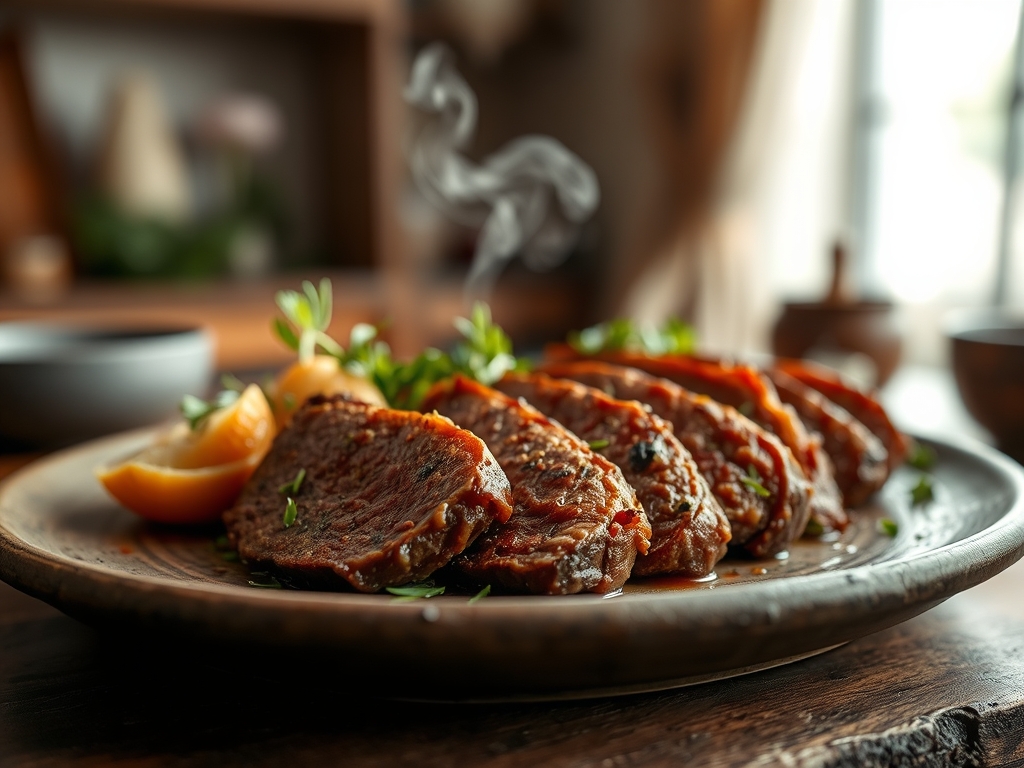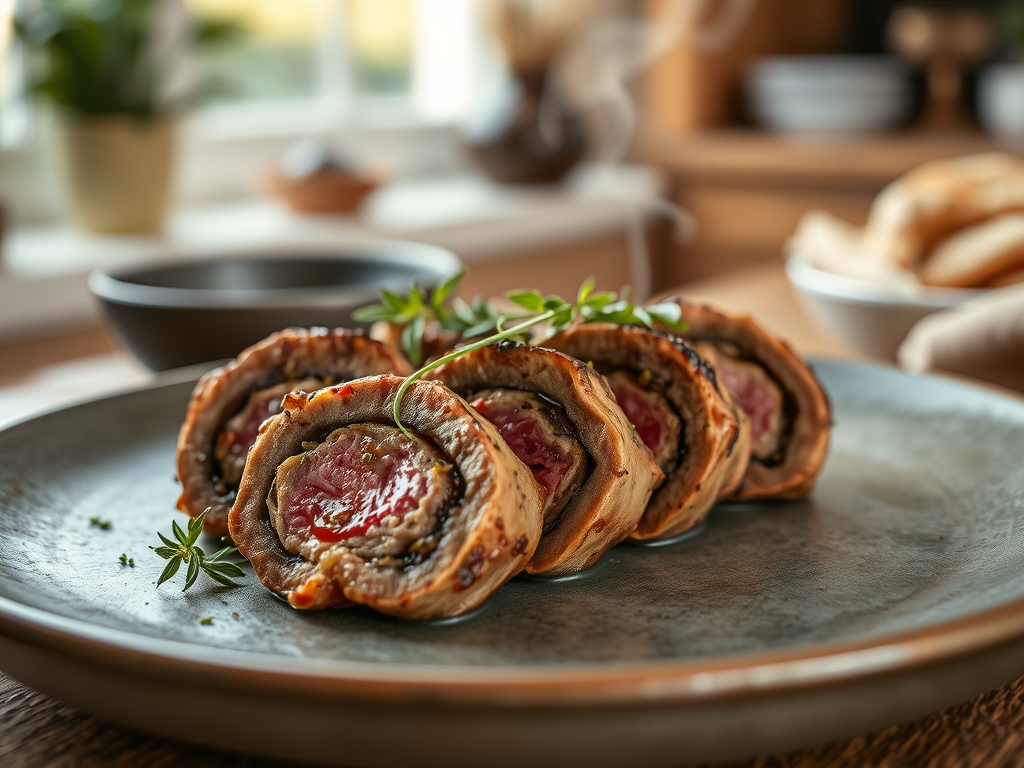
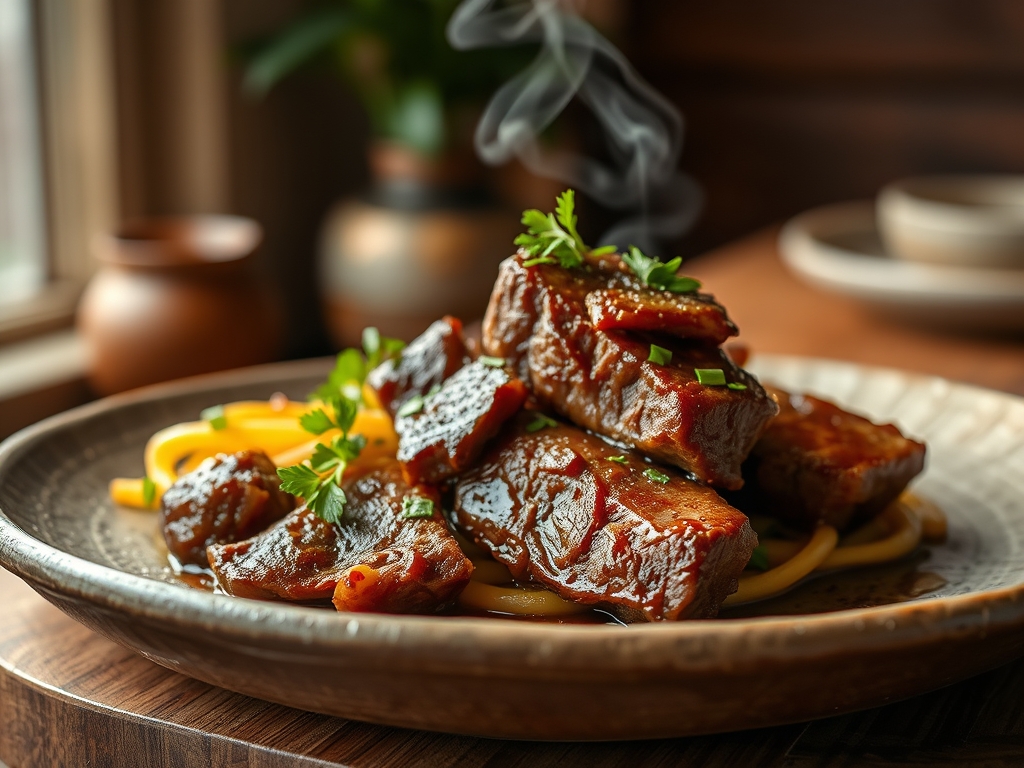
Picture this: the sun is dipping low, your keys are hitting the counter with a heavy thud, and your stomach is performing a restless percussion solo. You want something soulful, salty, and satisfying, but you do not have three hours to babysit a braise. This is the precise moment when my collection of weeknight beef recipes becomes your culinary north star. We are moving past the bland, grey crumbles of uninspired ground meat and stepping into a world where high heat meets strategic seasoning. Whether it is a flash-seared steak strip or a velvety ragu, we are going to master the art of the quick fix without sacrificing a single molecule of flavor.
The Gathers:
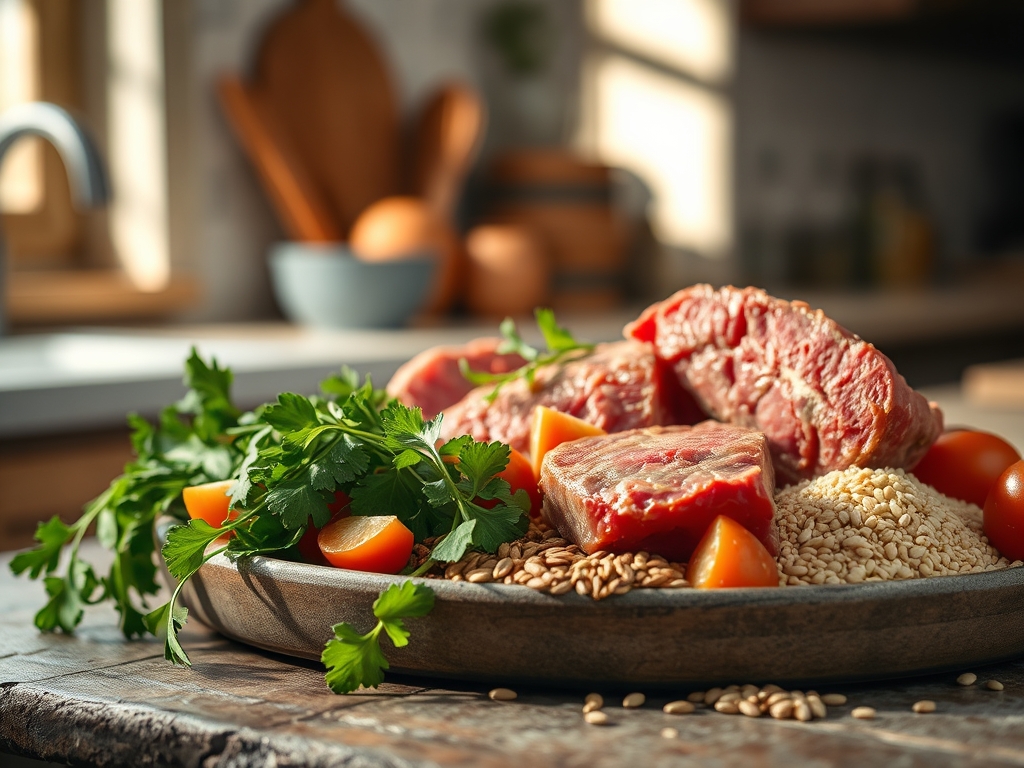
Before we ignite the burner, we must respect the mise-en-place. For these weeknight beef recipes, your primary protein should be lean but marbled; think flank steak, sirloin tips, or high-quality 90/10 ground chuck. You will need a high-smoke-point oil like avocado or grapeseed to facilitate the Maillard reaction without filling your kitchen with acrid clouds. Gather your aromatics: fresh ginger, garlic cloves ready for the microplane, and scallions.
The pantry staples are equally vital. You will need a viscous aged soy sauce for depth, rice vinegar for a piquant punch, and toasted sesame oil to infuse that final nutty aroma. If you are looking for smart substitutions, swap fish sauce for salt to add umami complexity, or use coconut aminos if you are dodging soy. If your beef feels a bit lean, a teaspoon of baking soda tossed with the raw strips (a technique called velveting) will chemically tenderize the fibers by raising the pH levels on the meat's surface.
The Clock:
Efficiency is the soul of the weeknight hustle. We are aiming for a "Chef's Flow" where prep and cook times are synchronized to under thirty minutes. Your prep clock should run for ten minutes; this is where you use a sharp chef knife or a bench scraper to organize your aromatics. The actual cook time for these dishes rarely exceeds twelve minutes because we are utilizing high-velocity heat. By the time your rice cooker pings or your pasta water reaches a rolling boil, your beef should be resting. This overlap ensures that no component of the meal sits long enough to lose its structural integrity or heat.
The Masterclass:
1. The High-Heat Sear
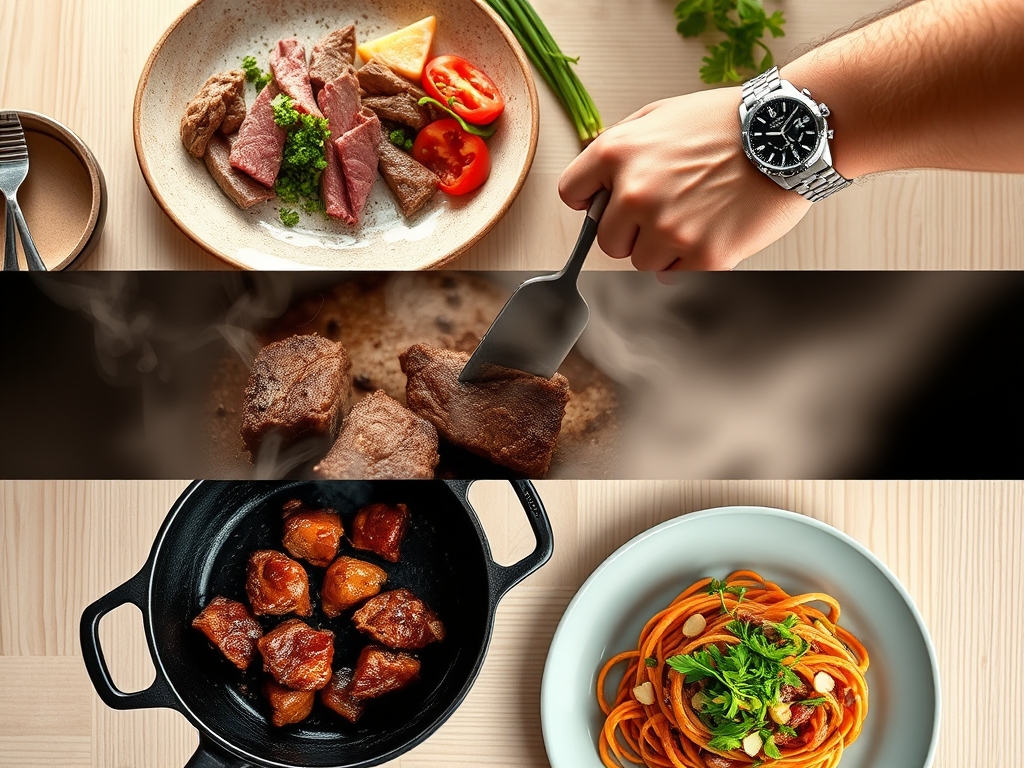
Place your heavy-bottomed skillet over medium-high heat until the oil shimmers. Pat the beef bone-dry with paper towels; moisture is the enemy of a crust. Lay the meat away from you to avoid splashes and let it sit undisturbed for two minutes.
Pro Tip: This patience allows for enzymatic browning. If you move the meat too early, you tear the proteins before they have a chance to caramelize and release naturally from the pan.
2. Deglazing the Fond
Once the meat is browned and removed, you will see brown bits stuck to the pan. This is "fond," and it is liquid gold. Pour in a splash of beef stock or dry sherry and use a wooden spoon to scrape those bits into the liquid.
Pro Tip: This process is called deglazing. It captures the concentrated flavor compounds created during searing and incorporates them into your sauce, creating a complex, layered profile in seconds.
3. Emulsifying the Sauce
Lower the heat and add your cold butter or a cornstarch slurry to the liquid. Use a saucier or a whisk to combine the fats and liquids until the sauce becomes glossy and coats the back of a spoon.
Pro Tip: This is emulsification. By adding a cold fat to a hot liquid while whisking, you create a stable suspension that yields a velvety mouthfeel rather than a greasy puddle.
4. The Final Toss and Aerate
Return the beef to the pan along with any accumulated juices. Use tongs to toss the meat quickly through the sauce, ensuring every fiber is coated. Lift the meat as you toss to let air circulate.
Pro Tip: This final step accounts for thermal carryover. The internal temperature of the beef will continue to rise by 5 degrees after it leaves the pan, so pull it off the heat just before it reaches your desired doneness.
The Deep Dive:
From a macro perspective, these weeknight beef recipes are powerhouse meals. A standard 4-ounce serving provides roughly 25 grams of high-bioavailability protein, alongside essential B12 and zinc. For those with dietary restrictions, these recipes are incredibly flexible. To make them Keto, swap the sugar in sauces for monk fruit and serve over riced cauliflower. For a Gluten-Free version, ensure your soy sauce is replaced with Tamari. If you are cooking for a vegan friend, high-protein seitan or pressed extra-firm tofu can be treated with the exact same searing and deglazing techniques.
Even the best cooks hit snags. If your beef comes out "grey" and watery, you likely overcrowded the pan, which caused the meat to steam in its own juices rather than sear; fix this by cooking in smaller batches. If your sauce is too salty, a squeeze of lime or a teaspoon of honey will balance the sodium through acid or sugar. If the meat is tough, you might have sliced it with the grain; always slice perpendicular to the muscle fibers to shorten them for a tender bite. For meal prep, reheat your beef in a pan with a tablespoon of water over low heat to prevent the proteins from tightening and becoming rubbery in the microwave.
The Wrap-Up:
Mastering weeknight beef recipes is about reclaiming your evening. By understanding the chemistry of the sear and the logic of the deglaze, you turn a frantic Tuesday dinner into a gourmet experience. Use your tools, trust your senses, and do not be afraid to crank up the heat. You have the skills, the science, and the speed to make every meal a masterpiece. Now, grab that skillet and let is get cooking!
The Kitchen Table:
How do I get a restaurant-style sear on beef?
Pat the meat completely dry and use a heavy-bottomed skillet on high heat. Avoid overcrowding the pan to prevent steaming. Let the beef sit undisturbed for two minutes to allow the Maillard reaction to create a flavorful, brown crust.
What is the best cut for quick beef recipes?
Flank steak, skirt steak, and sirloin are ideal for fast cooking. These cuts are lean and respond well to high-heat searing. To ensure tenderness, always slice the meat thinly against the grain to break up tough muscle fibers.
Can I make these recipes ahead of time?
Yes, but undercook the beef slightly if you plan to reheat it. Store the sauce separately if possible. When reheating, use a skillet over low heat with a splash of broth to maintain the meat's moisture and prevent a rubbery texture.
How do I fix a sauce that is too thin?
Whisk a teaspoon of cornstarch with a tablespoon of cold water to create a slurry. Stir this into your simmering sauce. The starches will gelatinize quickly, thickening the liquid into a glossy coating that clings perfectly to your beef.