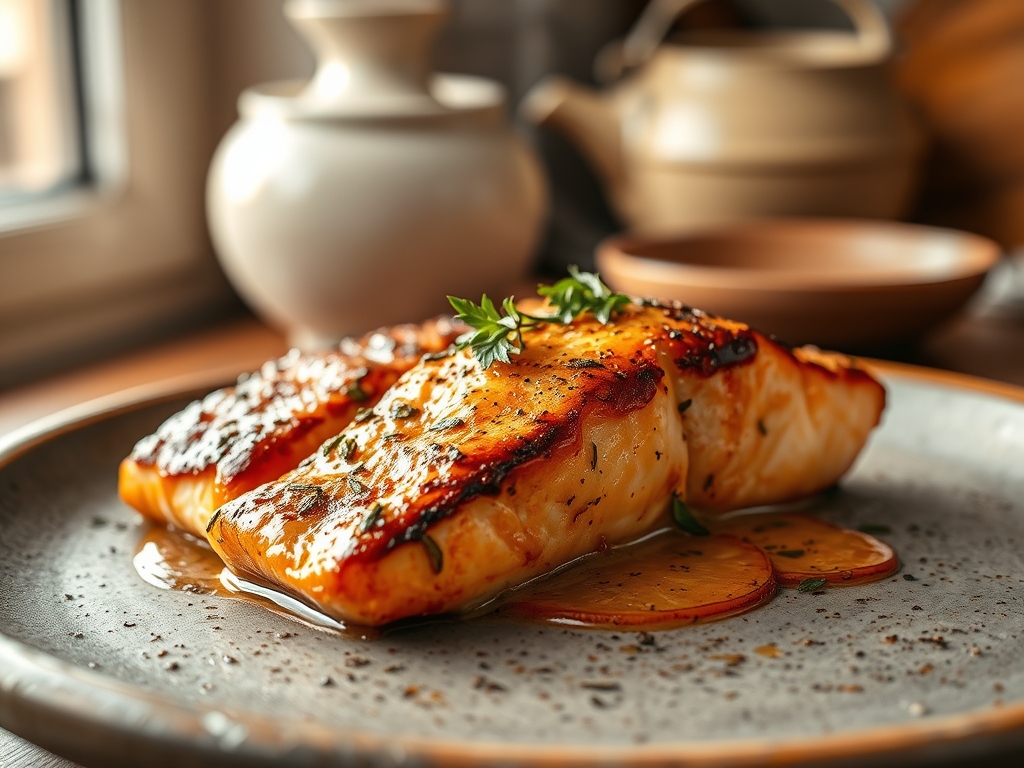
Imagine a slab of Atlantic gold sliding out of the oven; the surface is a mosaic of blistered citrus and shimmering fats while the interior remains a translucent, buttery pink. When you master side of salmon recipes baked to perfection, you are not just making dinner; you are performing a culinary feat that anchors any dinner party. The aroma of rendered Omega-3s and toasted aromatics fills the kitchen, signaling a meal that is both indulgent and incredibly efficient. We are moving beyond the dry, chalky fillets of the past. Today, we are treating this massive cut of protein with the scientific respect it deserves to ensure every bite is a melt-in-your-mouth revelation.
The Gathers:
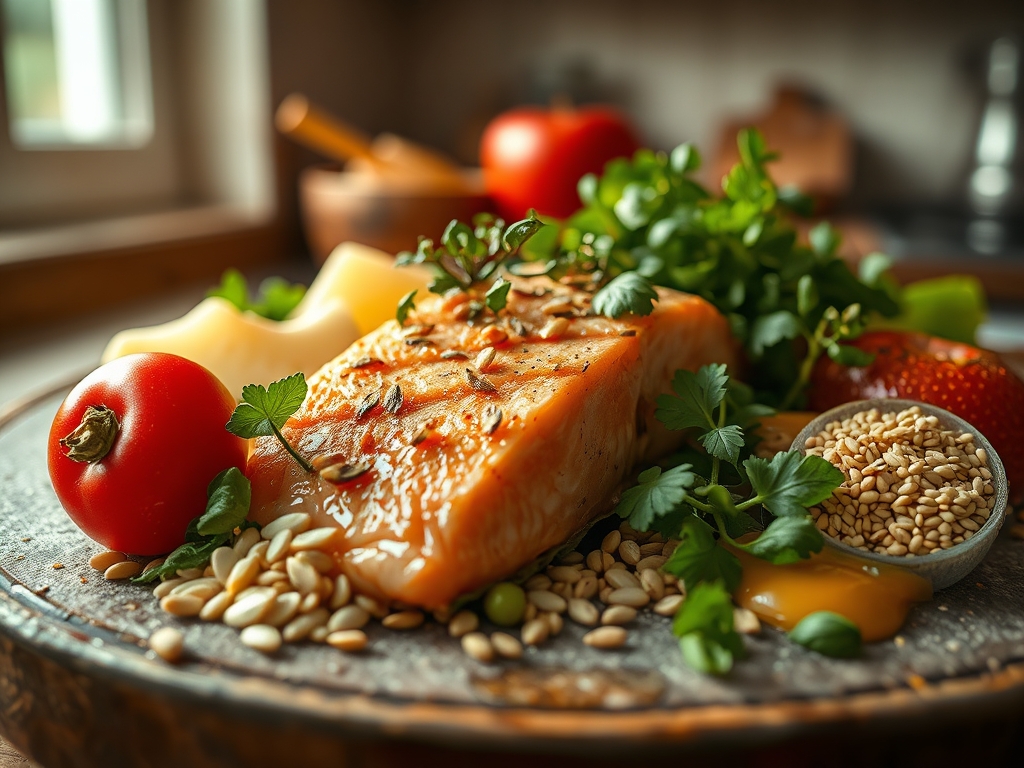
To achieve a restaurant-grade result, your mise-en-place must be precise. Start with a three-pound side of salmon, preferably skin-on to act as a thermal buffer. You will need high-quality fats; extra virgin olive oil or clarified butter (ghee) works best because of their stable smoke points. For the piquant elements, gather fresh lemons, capers, and a bunch of dill. Use a microplane to zest your citrus; this tool ensures you only capture the oil-rich flavedo without the bitter white pith.
The seasoning requires a coarse kosher salt to properly denature the surface proteins and cracked black pepper for a bite that cuts through the fat. If you want a deeper umami profile, a tablespoon of Dijon mustard acts as a viscous binder for your herbs.
Smart Substitutions: If you are out of fresh dill, fennel fronds provide a similar anise-like aroma. For those avoiding dairy, an avocado oil mayo creates an incredible moisture barrier that mimics the richness of butter while keeping the dish Paleo-friendly.
The Clock
Efficiency in the kitchen is about the Chef's Flow. This is the art of overlapping tasks so no heat is wasted. Your active prep time is a mere 15 minutes, while the oven does the heavy lifting for 18 to 22 minutes.
The flow begins with the "Tempering Phase." Take the fish out of the refrigerator 20 minutes before cooking. Cold protein hitting a hot pan or oven causes the muscle fibers to seize, pushing out moisture. While the fish reaches room temperature, preheat your oven to 375 degrees Fahrenheit. During this window, you will chop your aromatics and prepare your parchment-lined baking sheet. The total "Counter to Table" time is approximately 45 minutes; a perfect window to toss a crisp green salad and pour a glass of flinty Sauvignon Blanc.
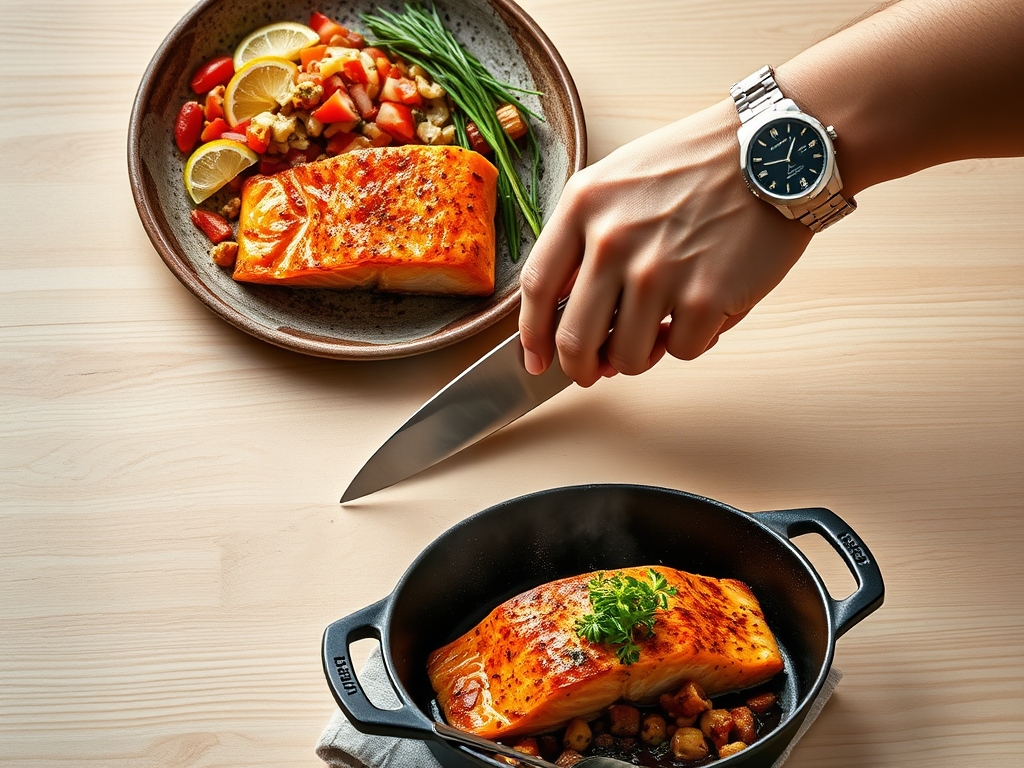
The Masterclass
1. The Desiccating Pat-Down
Before any seasoning touches the flesh, use heavy-duty paper towels to bone-dry the surface. Moisture is the enemy of the Maillard reaction. If the surface is damp, the fish will steam rather than roast. Use a bench scraper to gently check for any stray scales or pin bones that the butcher might have missed.
Pro Tip: This drying process allows the salt to penetrate the flesh more effectively through osmosis; this creates a seasoned interior rather than just a salty crust.
2. The Emulsified Slather
In a small saucier or bowl, whisk together your oil, mustard, and lemon zest. You are creating a temporary emulsion. Brush this over the salmon generously. The fats will infuse the meat with flavor while acting as an insulator against the harsh dry heat of the oven.
Pro Tip: Mustard contains lecithin, a natural emulsifier that helps the fat and citrus juice stay bonded; this prevents the seasoning from sliding off the fish during the bake.
3. The Thermal Buffer
Place the salmon skin-side down on a heavy-rimmed baking sheet. The skin acts as a protective shield, absorbing the initial heat from the metal and preventing the delicate flesh from overcooking. If you prefer a crispier finish, you can pre-sear the skin in a heavy-bottomed skillet before transferring it to the oven.
Pro Tip: The skin is rich in collagen. As it heats, it transforms into gelatin, which provides a moist micro-environment for the bottom layer of the meat.
4. The Precision Bake
Slide the tray into the center rack. Avoid using the convection setting unless you are experienced with it, as the moving air can dry out the thin tail section before the thick center is done. We are looking for an internal temperature of 125 to 130 degrees Fahrenheit for a perfect medium-rare.
Pro Tip: Use a digital scale or thermometer to track progress. Remember thermal carryover; the internal temperature will rise another 5 degrees after you remove it from the heat.
5. The Rest and Finish
Once out of the oven, tent the salmon loosely with foil. Let it rest for at least five minutes. This allows the cell walls to reabsorb the juices that were pushed toward the center during cooking. Finish with a flourish of fresh herbs and a squeeze of lemon juice to brighten the fats.
Pro Tip: Resting allows the proteins to relax. If you cut into the fish immediately, the high-pressure juices will leak out, leaving the salmon dry on the plate.
The Deep Dive
Macro Nutrition: A single side of salmon is a powerhouse of nutrition. A 6-ounce serving provides roughly 34 grams of high-quality protein and 13 grams of healthy fats. It is one of the best sources of Vitamin B12 and Potassium, making it an ideal choice for muscle recovery and heart health.
Dietary Swaps: This recipe is naturally Gluten-Free and Keto-friendly. For a Vegan alternative, use the same herb-mustard rub on thick "steaks" of cauliflower or a large block of firm tofu. The roasting times will remain similar, though you should look for golden edges rather than internal temperature.
The Fix-It:
- White Stuff Appearing: This is albumin, a protein that leaches out when salmon is cooked too fast or too high. Fix: Lower your oven temp and ensure you tempered the fish.
- Soggy Skin: This happens if the pan is crowded. Fix: Ensure there is at least two inches of space around the fish for air circulation.
- Uneven Cooking: The tail is thin while the center is thick. Fix: Fold the thin tail section under itself to create a uniform thickness across the entire side.
Meal Prep: To reheat leftovers without the "fishy" smell, avoid the microwave. Place the salmon in a covered pan with a splash of water or broth over low heat. This gently steams the fish back to life, maintaining its viscous, buttery texture.
The Wrap-Up
Mastering side of salmon recipes baked in your own kitchen is a total game-changer for your hosting repertoire. It is the ultimate "low effort, high reward" dish that looks stunning on a platter. By focusing on moisture control, thermal carryover, and high-quality aromatics, you transform a simple piece of seafood into a centerpiece. Grab your tongs, trust your thermometer, and get ready for the best salmon of your life.
The Kitchen Table
How do I know when the salmon is done?
The most reliable method is using a digital thermometer to hit 125 to 130 degrees Fahrenheit. Visually, the flesh should be opaque on the outside and flake easily with a fork while remaining slightly translucent in the very center.
Should I bake salmon covered or uncovered?
Bake it uncovered to allow the surface to roast and develop flavor through the Maillard reaction. If you notice the edges browning too quickly, you can loosely tent the tail with foil while the thicker center finishes cooking.
Can I bake a side of salmon from frozen?
It is not recommended for a whole side as the exterior will overcook before the center thaws. For the best texture, thaw the salmon completely in the refrigerator overnight and pat it dry before seasoning and roasting.
Why is my salmon dry even if I followed the time?
Oven calibrations vary wildly. Always rely on internal temperature rather than the clock. Also, ensure you are not skipping the resting phase; resting allows the juices to redistribute so they stay inside the meat when you slice it.