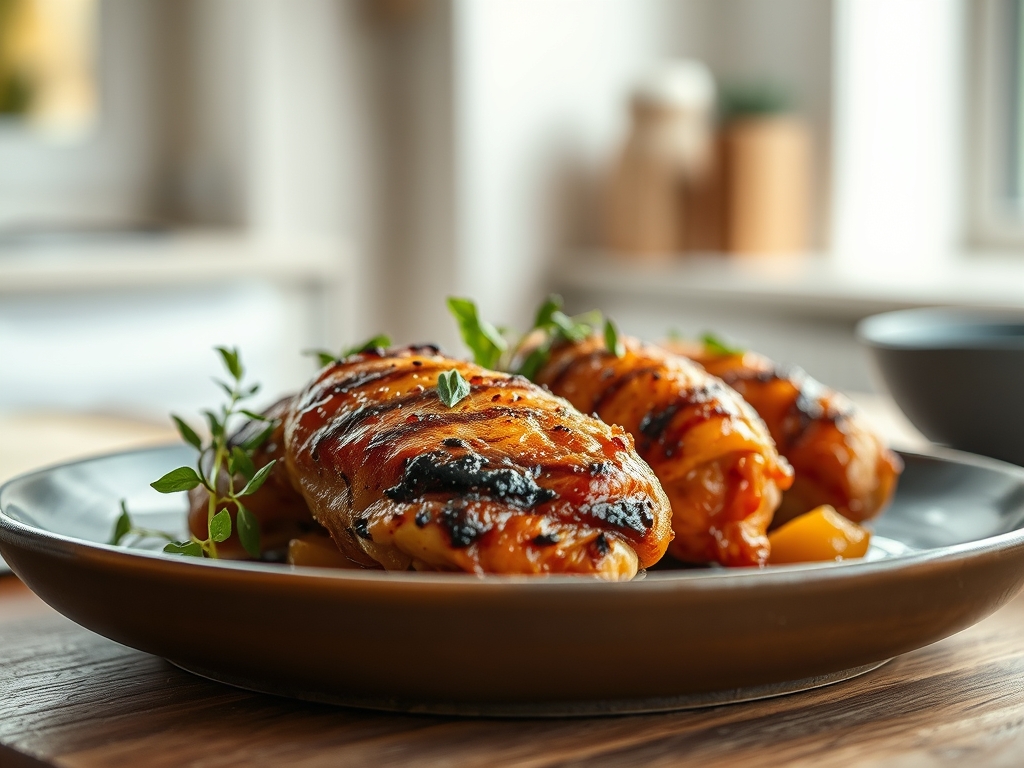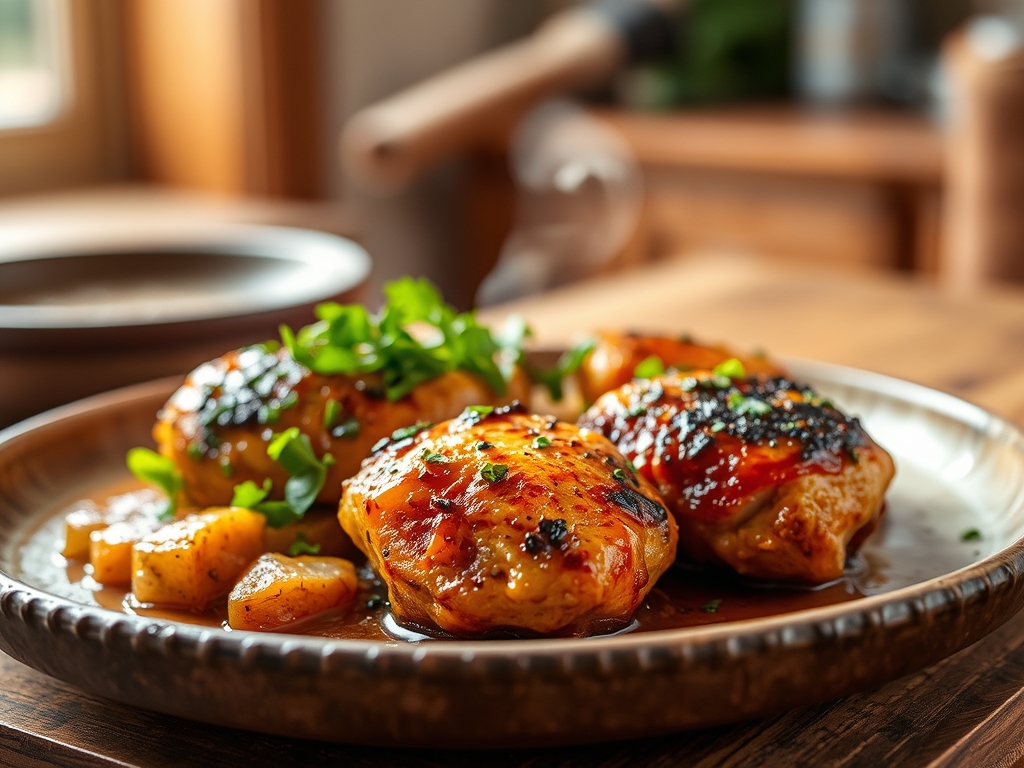
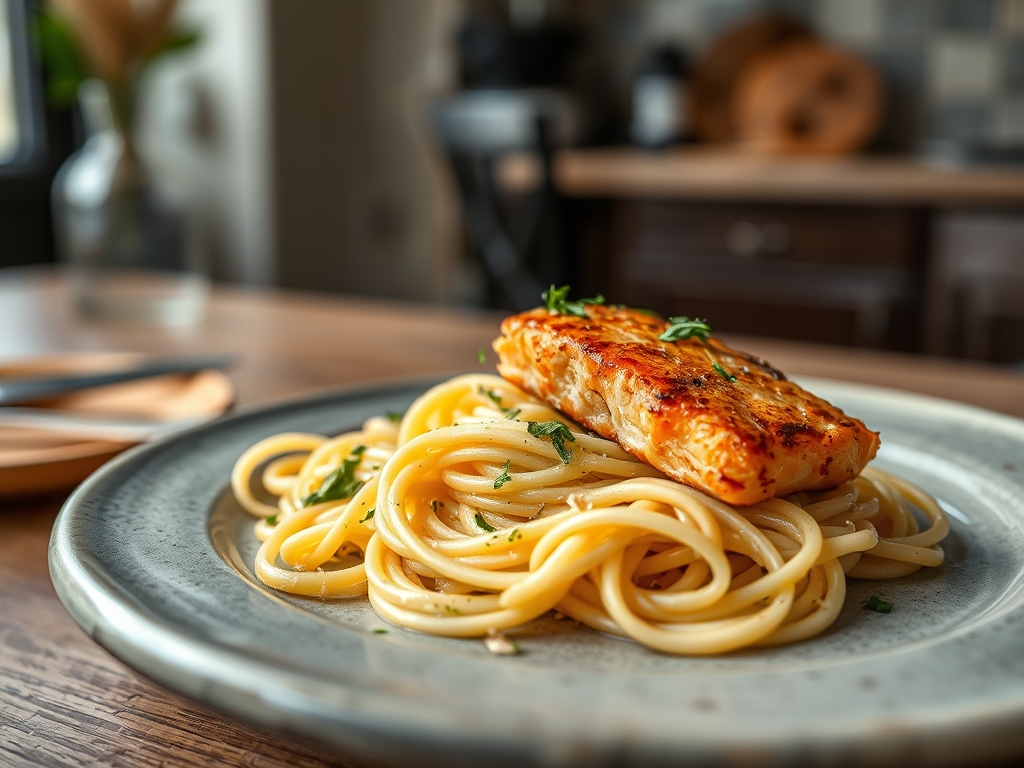
Imagine the hiss of a heavy-bottomed skillet as a cold fillet of Atlantic fish meets shimmering oil. This is the starting point for the most elegant angel hair pasta and salmon recipes in your repertoire. We are chasing that perfect contrast between the delicate, silk-like strands of capellini and the rich, buttery flake of a perfectly seared protein. It is a dance of textures where the pasta acts as a canvas for the rendered fats and piquant aromatics of the sea.
The Gathers:
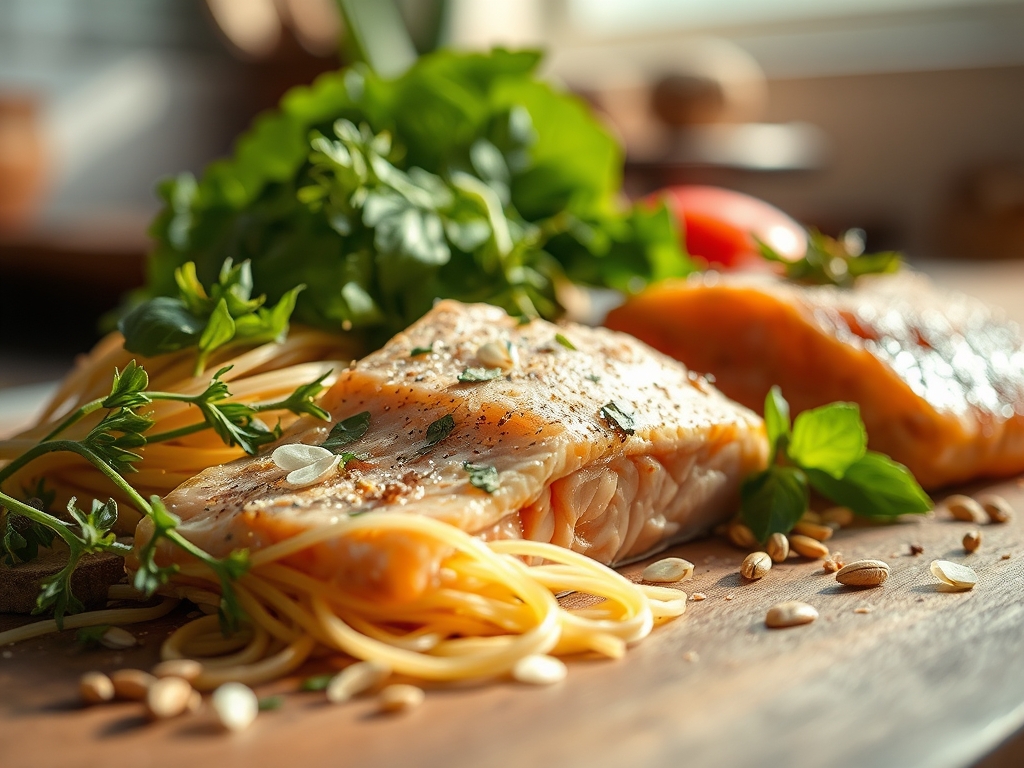
To master these angel hair pasta and salmon recipes, your mise-en-place must be precise. We are dealing with capellini, which has a high surface-area-to-volume ratio, meaning it absorbs moisture and loses heat at an accelerated rate. You will need 12 ounces of dry angel hair and four 6-ounce salmon fillets. For the aromatics, gather fresh garlic, shallots, and a bunch of Italian flat-leaf parsley. Your pantry should provide high-quality extra virgin olive oil, dry white wine for deglazing, and unsalted European-style butter for a more viscous sauce.
Smart Substitutions: If you cannot find fresh salmon, high-quality frozen sockeye works well; just ensure it is patted completely dry to facilitate the Maillard reaction. For a gluten-free alternative, brown rice capellini offers a similar structural integrity. If you want to lower the fat content, swap the butter for a splash of starchy pasta water and a vigorous stir to create a natural emulsion through mechanical agitation.
The Clock
Efficiency is the hallmark of a professional kitchen. We operate on a twenty-minute timeline. Preparation takes ten minutes: mincing garlic with a sharp chef knife and portioning the fish. The actual cooking process is a sprint, not a marathon. The salmon requires approximately three to four minutes per side to reach a medium-rare internal temperature of 125 degrees Fahrenheit. Because angel hair cooks in a mere two to three minutes, the "Chef's Flow" dictates that you drop the pasta into the boiling water only after the salmon is resting. This ensures the noodles do not sit and become a gummy, over-hydrated mass before the sauce is ready to coat them.
The Masterclass
1. Prep the Protein
Start by using a digital scale to ensure even portions. Pat the salmon skin bone-dry with paper towels to remove surface moisture. Season aggressively with kosher salt.
Pro Tip: Salt acts as a humectant, drawing moisture to the surface initially, but if left for ten minutes, the brine is reabsorbed, seasoning the muscle fibers deeply and improving moisture retention during the sear.
2. Achieve the Perfect Sear
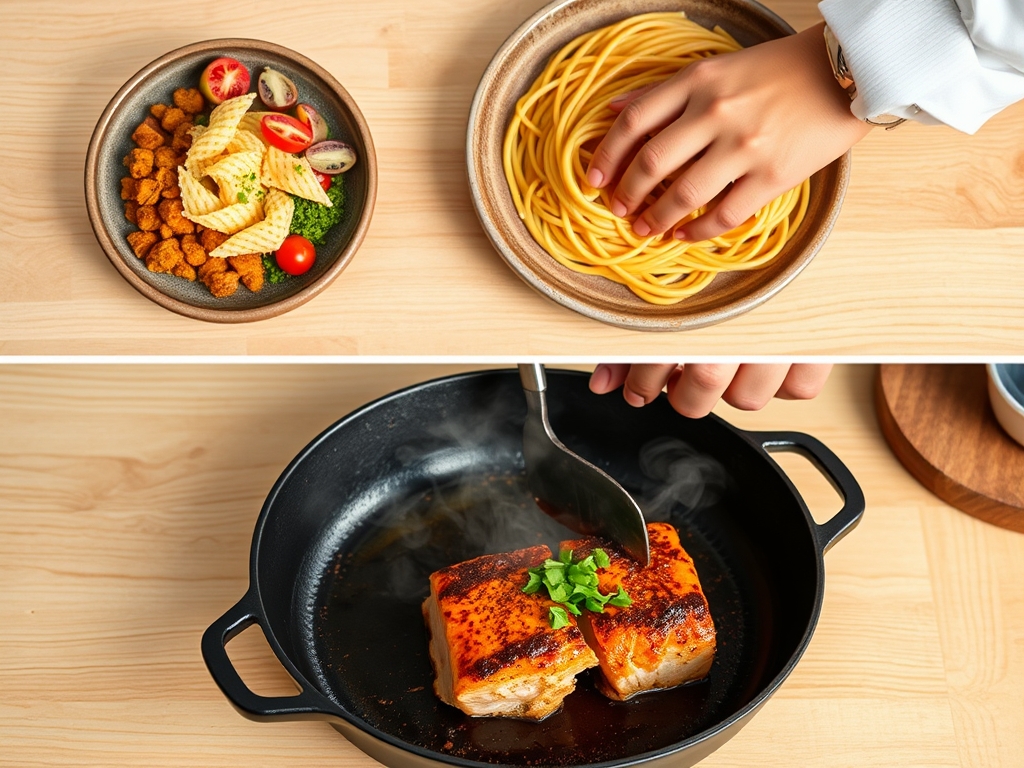
Heat your heavy-bottomed skillet over medium-high heat until the oil shimmers. Place the salmon skin-side down. Use a fish spatula to apply light pressure for the first thirty seconds.
Pro Tip: This pressure prevents the protein fibers from curling as they contract, ensuring maximum surface contact for even enzymatic browning and a crispier skin texture.
3. Build the Flavor Base
Once the salmon is removed to rest, use a bench scraper to clear any burnt bits, then add shallots and garlic to the residual fat. Deglaze the pan with a crisp Sauvignon Blanc, scraping the bottom to release the fond.
Pro Tip: Deglazing utilizes the solvent properties of alcohol to dissolve the caramelized proteins stuck to the pan, incorporating those deep flavors back into your viscous sauce.
4. The Rapid Boil
Bring a large pot of heavily salted water to a rolling boil. Use at least four quarts of water to ensure the temperature does not drop significantly when the pasta is added.
Pro Tip: Do not add oil to the water. Oil creates a hydrophobic barrier on the pasta strands that prevents the sauce from adhering properly later.
5. The Emulsion Phase
Transfer the al dente angel hair directly into the skillet using stainless steel tongs. Add a ladle of starchy pasta water and a knob of cold butter.
Pro Tip: The starch in the water acts as a stabilizer, allowing the fat from the butter and the water to form a creamy, homogenous emulsion rather than a greasy separation.
6. The Final Assembly
Flake the rested salmon into large, succulent chunks or serve the fillet whole atop the swirled pasta nests. Garnish with lemon zest using a microplane for an immediate hit of citrus oil.
Pro Tip: Thermal carryover will continue to cook the salmon by five degrees while it rests, so pulling it off the heat early ensures a moist, tender interior.
The Deep Dive
From a macro nutrition perspective, these angel hair pasta and salmon recipes are a powerhouse of Omega-3 fatty acids and high-quality protein. A standard serving provides roughly 35 grams of protein and 45 grams of complex carbohydrates.
Dietary Swaps: For a Keto-friendly version, replace the angel hair with spiralized zucchini or palmini noodles. To make the dish vegan, swap the salmon for pan-seared "scallops" made from king oyster mushrooms and use a vegan butter alternative rich in lecithin for emulsification.
The Fix-It:
- The Salmon is Sticking: You likely tried to flip it too early. The fish will naturally release from the pan once the proteins have fully coagulated and formed a crust.
- The Sauce is Watery: You added too much pasta water. Increase the heat and toss the pasta vigorously to evaporate excess moisture and tighten the emulsion.
- The Pasta is Mushy: Angel hair is unforgiving. Always pull it thirty seconds before the package directions suggest, as it will finish cooking in the residual heat of the sauce.
Meal Prep: To maintain day-one quality, store the pasta and salmon in separate airtight containers. When reheating, add a teaspoon of water to the pasta and microwave on medium power. This creates a localized steam environment that re-hydrates the starch molecules without making them rubbery.
The Wrap-Up
Mastering angel hair pasta and salmon recipes is about respecting the delicate nature of the ingredients. By focusing on the science of the sear and the mechanics of the emulsion, you transform a simple weeknight meal into a sophisticated culinary event. Use your tools with confidence, trust your thermometer, and remember that the best pasta is one that is shared. Now, grab your tongs and get to the stove; your perfect salmon dinner is only twenty minutes away.
The Kitchen Table
Why is my angel hair pasta always clumping?
Clumping occurs when starch granules swell and stick together. To prevent this, use a large volume of boiling water and stir the strands immediately upon entry to distribute the surface starch before it sets.
Can I use frozen salmon for this recipe?
Yes, but you must thaw it completely in the refrigerator. Use paper towels to remove all excess moisture from the surface to ensure the fish sears properly rather than steaming in the pan.
What is the best wine for deglazing the sauce?
A dry, acidic white wine like Pinot Grigio or Sauvignon Blanc is ideal. The acidity cuts through the richness of the salmon and helps balance the fats in the butter-based sauce.
How do I know when the salmon is done without a thermometer?
Gently press the side of the fillet with a fork. If the flesh begins to flake along the white fat lines (the albumin), it is reaching medium-doneness and should be removed from the heat.