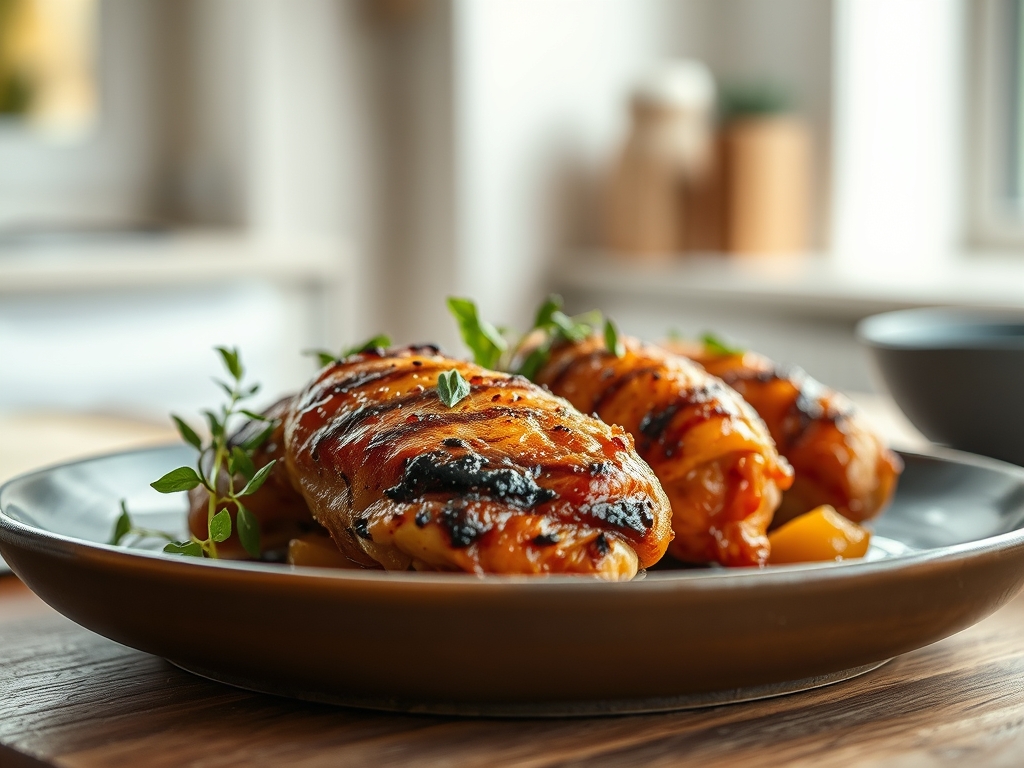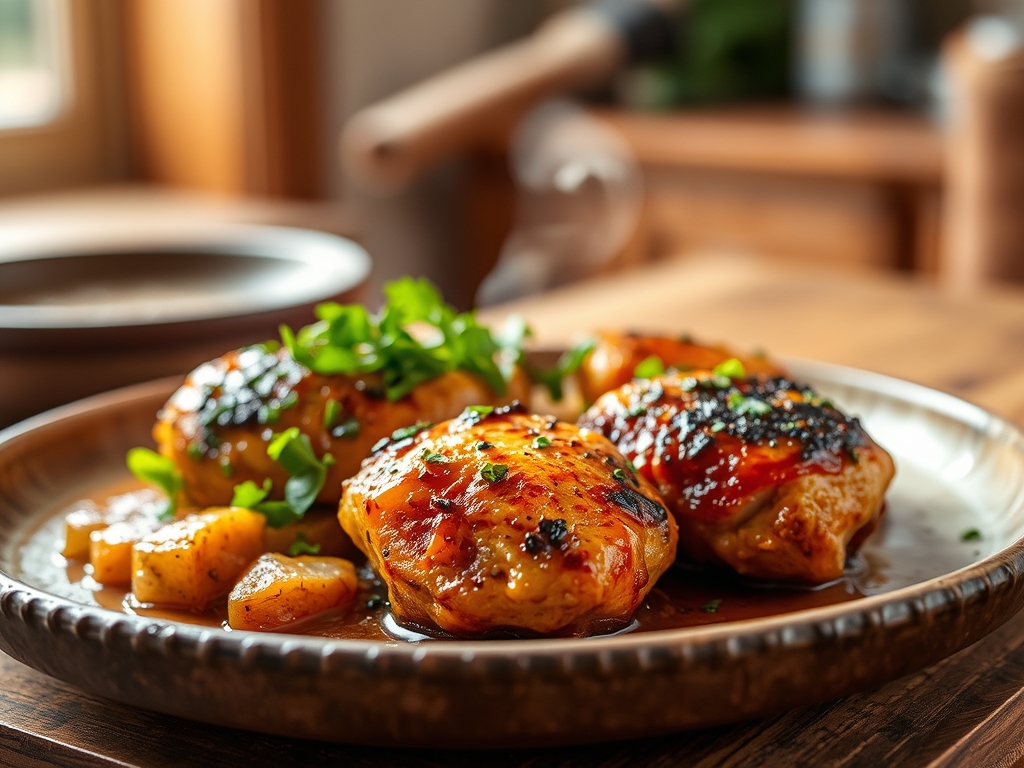
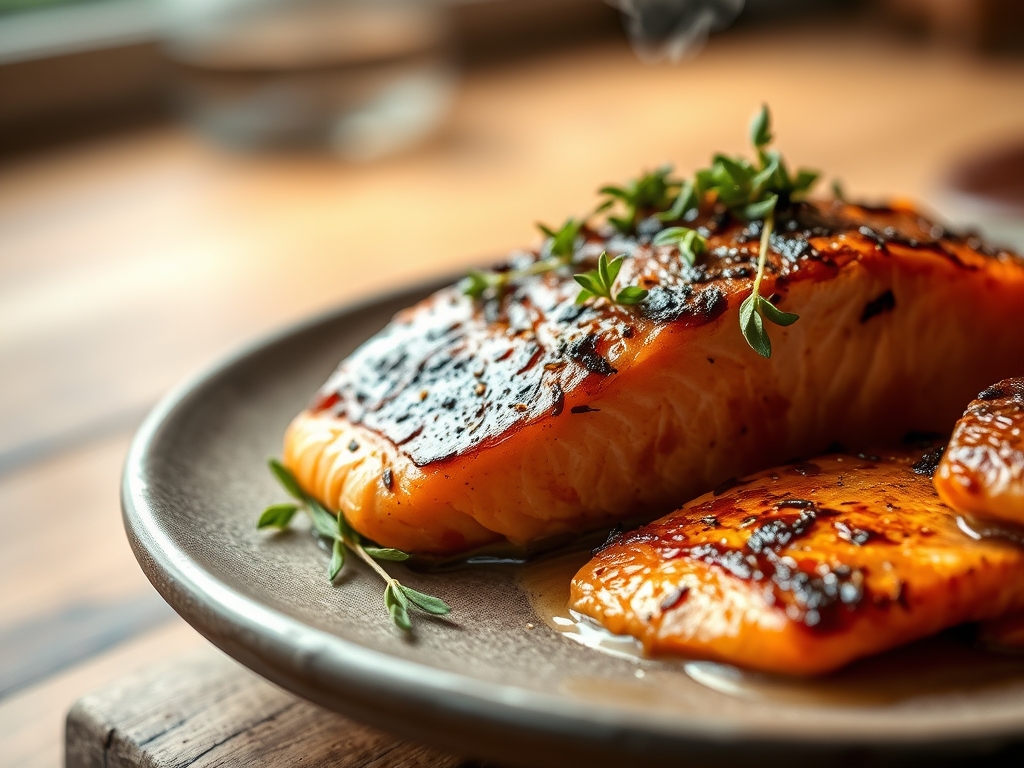
Imagine the kitchen at sunset; the air is thick with the scent of citrus zest and cold-pressed olive oil. You have a vibrant, ruby-red fillet on the counter, its color so intense it looks painted. Sockeye is the wild child of the Pacific; it is leaner, firmer, and more flavorful than its Atlantic cousins. Because it lacks the heavy fat deposits of farmed fish, mastering sockeye salmon recipes oven style requires a delicate balance of heat and moisture. We are not just cooking; we are managing protein coagulation to ensure every forkful is succulent rather than sandy. Sockeye is prized for its high astaxanthin content, the antioxidant that gives it that signature crimson hue. When you slide that tray into the heat, you are performing a high-stakes thermal dance. We want to reach that perfect medium-rare center where the translucent flakes barely separate under pressure. Forget the dry, gray fish of dinner parties past. We are leaning into professional techniques to transform a simple fillet into a masterpiece of texture and taste.
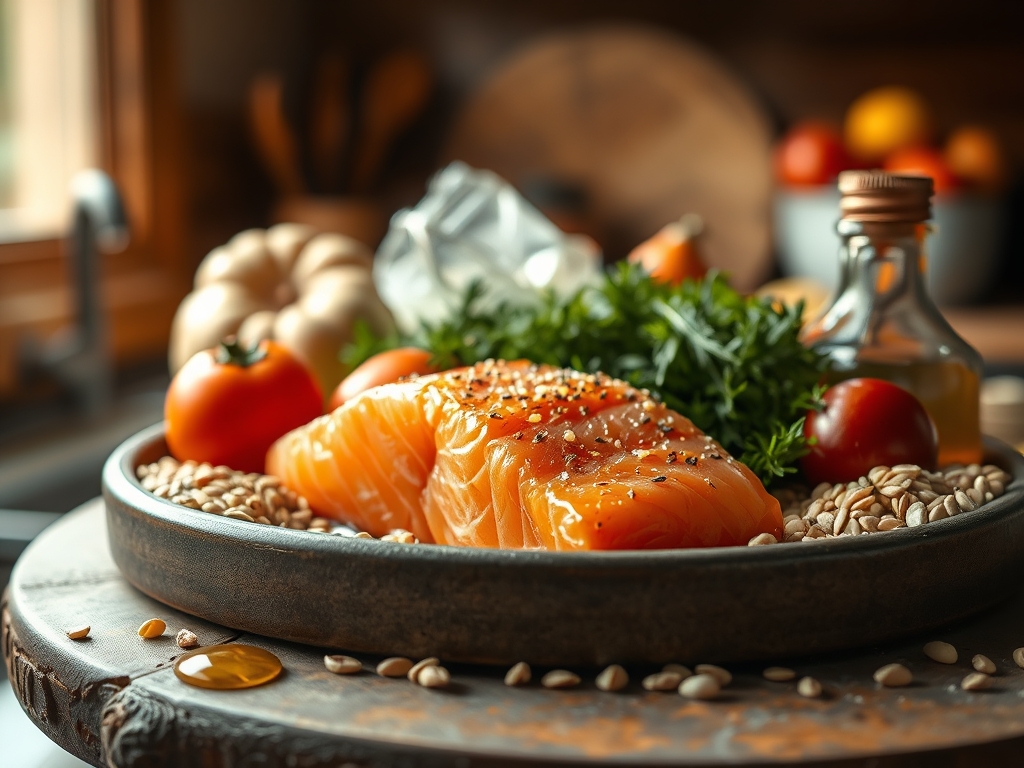
The Gathers:
To begin our culinary session, clear your workspace with a bench scraper to ensure a clean slate. You will need one side of wild-caught sockeye salmon, approximately 1.5 to 2 pounds. Unlike King salmon, sockeye has a more viscous muscle structure, meaning it requires external fats to stay moist. Gather 3 tablespoons of high-quality unsalted butter or avocado oil for a high smoke point. For the aromatic profile, grab a microplane to shave the zest of two organic lemons; this releases the essential oils without the bitter pith. You will also need 2 cloves of garlic, finely minced into a paste, a teaspoon of smoked paprika for depth, and a handful of fresh dill.
Smart Substitutions: If you are avoiding dairy, swap the butter for a cold-pressed extra virgin olive oil to infuse the fish with polyphenols. If you lack fresh dill, a teaspoon of dried tarragon offers a beautiful, piquant anise note that cuts through the richness of the fish. Always use a digital scale to measure your salt; 1.5% of the total weight of the fish is the golden ratio for perfect seasoning.
The Clock
Efficiency in the kitchen is all about the Chef's Flow. This entire process takes exactly 25 minutes from fridge to table. Your active prep time is a mere 10 minutes. This includes patting the skin dry, preparing your compound fat, and preheating your heavy-bottomed skillet or sheet pan. The actual roasting time is a fleeting 10 to 12 minutes depending on the thickness of the fillet.
The "Flow" dictates that you preheat your oven to 375 degrees Fahrenheit before you even touch the fish. While the oven stabilizes its internal temperature, you prepare the aromatics. This ensures that the moment the fish is seasoned, it hits the heat. If salt sits on raw fish for too long, it begins a process of denaturation that can draw out too much moisture, leaving the exterior tough. Timing is your most valuable ingredient here.
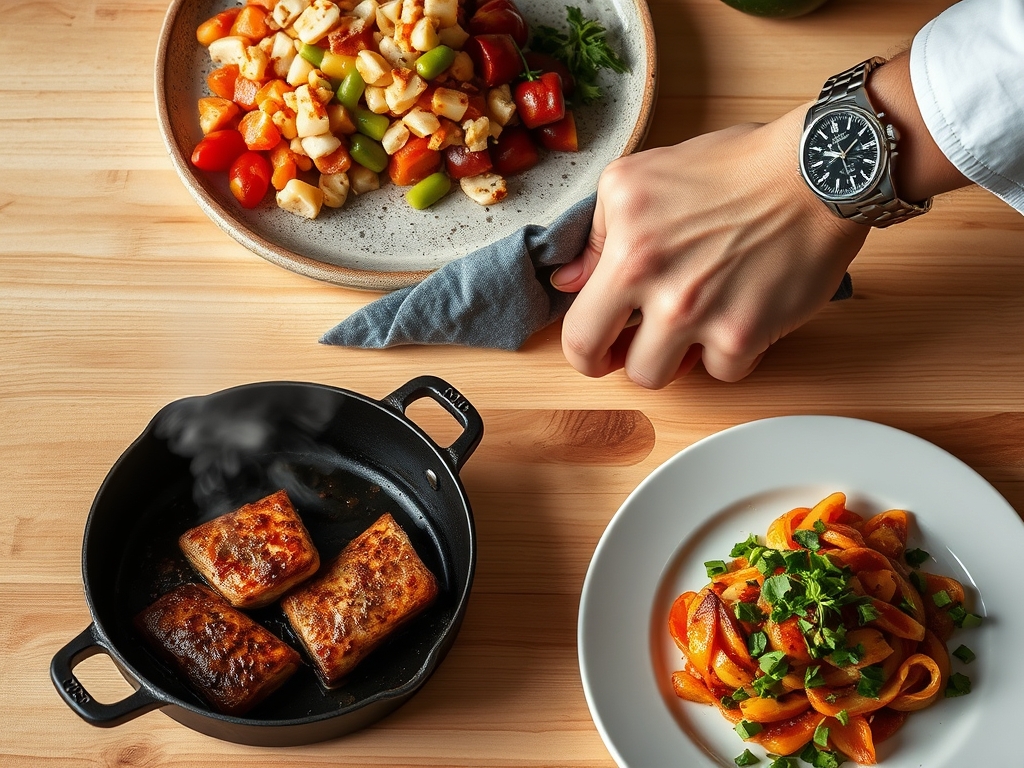
The Masterclass
1. The Moisture Barrier
Pat the salmon dry with paper towels until the surface is matte. Use your tongs to flip it and ensure the skin side is bone-dry. Apply a thin, even layer of your fat of choice. This creates a hydrophobic barrier that prevents the internal juices from escaping too quickly during the initial heat blast.
Pro Tip: This step prevents the formation of albumin, that white protein "gunk" that seeps out of overcooked salmon. By sealing the surface, you regulate the internal pressure of the muscle fibers.
2. The Seasoning Saturation
Zest your lemon directly over the fish using a microplane to capture the volatile oils. Sprinkle your salt and paprika from a height of twelve inches to ensure even distribution. Massage the garlic paste into the flesh gently so it doesn't clump.
Pro Tip: Salt acts as a surfactant, breaking down the tight protein bonds on the surface. This allows the aromatics to penetrate deeper into the fillet rather than just sitting on top.
3. The Thermal Shock
Place the salmon on a room-temperature sheet pan lined with parchment paper. Do not use a cold pan from the fridge. Slide it onto the middle rack of your preheated oven.
Pro Tip: Using a room-temperature pan prevents thermal shock, which causes the fish to contract violently and squeeze out its moisture. A steady, even rise in temperature is the secret to tenderness.
4. The Gentle Roast
Set your timer for 8 minutes and do not open the oven door. Every time you open the door, you lose approximately 25 degrees of heat, which disrupts the convection currents necessary for an even cook.
Pro Tip: Sockeye is thin. The Maillard reaction (browning) happens quickly on the surface, but because the fish is lean, we rely on gentle roasting to keep the interior succulent.
5. The Internal Check
At the 10-minute mark, use an instant-read thermometer. You are looking for an internal temperature of 125 degrees Fahrenheit for a perfect medium. The fish should feel slightly springy to the touch.
Pro Tip: Understanding thermal carryover is vital. The fish will continue to rise about 5 degrees in temperature after you remove it from the oven. Pulling it at 125 ensures it hits the perfect 130-degree finish.
6. The Rest and Emulsify
Transfer the fish to a warm platter and tent loosely with foil. Let it rest for 5 minutes. While it rests, whisk the remaining lemon juice and a pat of cold butter in a small saucier to create a quick pan sauce.
Pro Tip: Resting allows the muscle fibers to reabsorb the juices. If you cut it immediately, the moisture will flood the plate, leaving the fish dry.
The Deep Dive
Macro Nutrition: Sockeye is a nutritional powerhouse. A 6-ounce serving provides roughly 45 grams of high-quality protein and is exceptionally high in Vitamin D and B12. It contains significantly more Omega-3 fatty acids than farmed Atlantic salmon, which supports brain health and reduces inflammation.
Dietary Swaps: For a Keto version, double the butter and serve with a side of asparagus. For a Vegan alternative (if you are cooking for a mixed crowd), this same roasting method works beautifully with thick slabs of cauliflower or "tofu steaks" marinated in liquid smoke. For GF diners, this recipe is naturally gluten-free, provided your spices are pure.
The Fix-It:
- The Fish is Sticking: You likely didn't use enough fat or the pan wasn't dry. Use a thin metal spatula to gently pry it up.
- The Garlic is Burnt: Garlic burns at a lower temp than fish cooks. Next time, mix the garlic into the butter to insulate it.
- The Fish is Tough: It stayed in the oven 2 minutes too long. Fix it by drizzling with a heavy amount of olive oil and lemon juice to "fake" the moisture.
Meal Prep: To reheat sockeye without ruining it, avoid the microwave at all costs. Use a low oven (275 degrees) with a splash of water in the pan and cover with foil. This uses steam to gently re-hydrate the proteins without further cooking them.
The Wrap-Up
Mastering sockeye salmon recipes oven style is your ticket to being the most sophisticated host in your circle. It is about respecting the wild nature of the fish and using science to enhance its natural brilliance. With your tongs in one hand and a thermometer in the other, you are no longer just following a recipe; you are controlling the chemistry of deliciousness. Go forth, roast with confidence, and enjoy the most vibrant meal of your week!
The Kitchen Table
How do I know when sockeye salmon is done?
Use an instant-read thermometer to check for an internal temperature of 125 degrees Fahrenheit. The flesh should be opaque but still moist, and the flakes should separate easily when gently pressed with a fork.
Should I leave the skin on when baking?
Yes, always cook sockeye with the skin on. The skin acts as a protective heat shield, preventing the delicate flesh from drying out against the hot pan while adding a layer of rich, healthy fats to the final dish.
Why is my salmon white and bubbly on top?
That white substance is albumin, a protein that escapes when the muscle fibers contract too quickly from high heat. To prevent this, cook the salmon at a lower temperature and avoid overcooking past the medium-rare stage.
Can I bake sockeye salmon from frozen?
It is not recommended. Sockeye is lean and will cook unevenly if frozen in the center. For the best texture, thaw the fish overnight in the refrigerator and pat it completely dry before seasoning and roasting.
What is the best seasoning for sockeye?
Because sockeye has a bold, robust flavor, it pairs best with simple, acidic, and aromatic ingredients. Use lemon zest, fresh dill, garlic, and high-quality sea salt to enhance the natural profile without overpowering the fish.