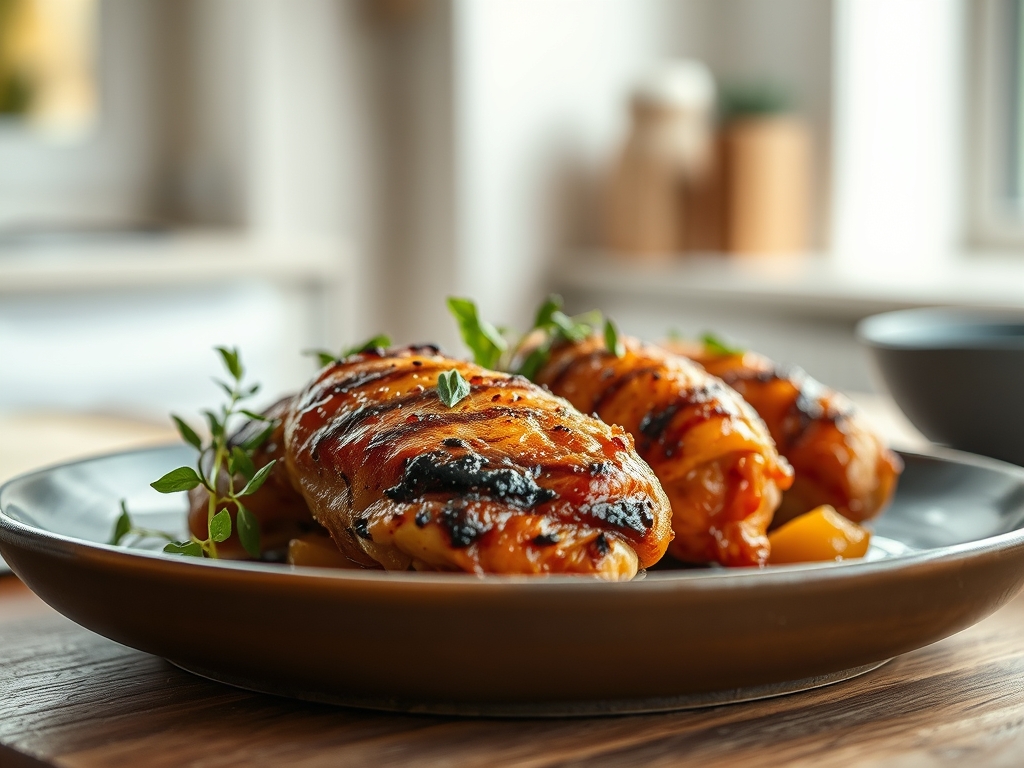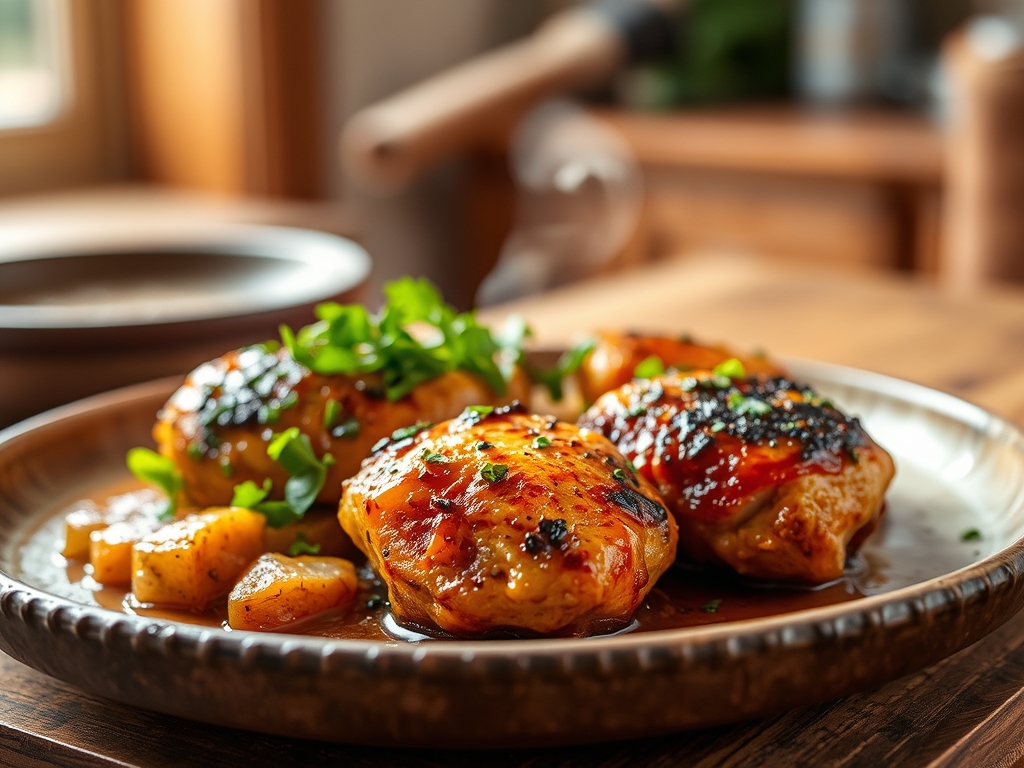
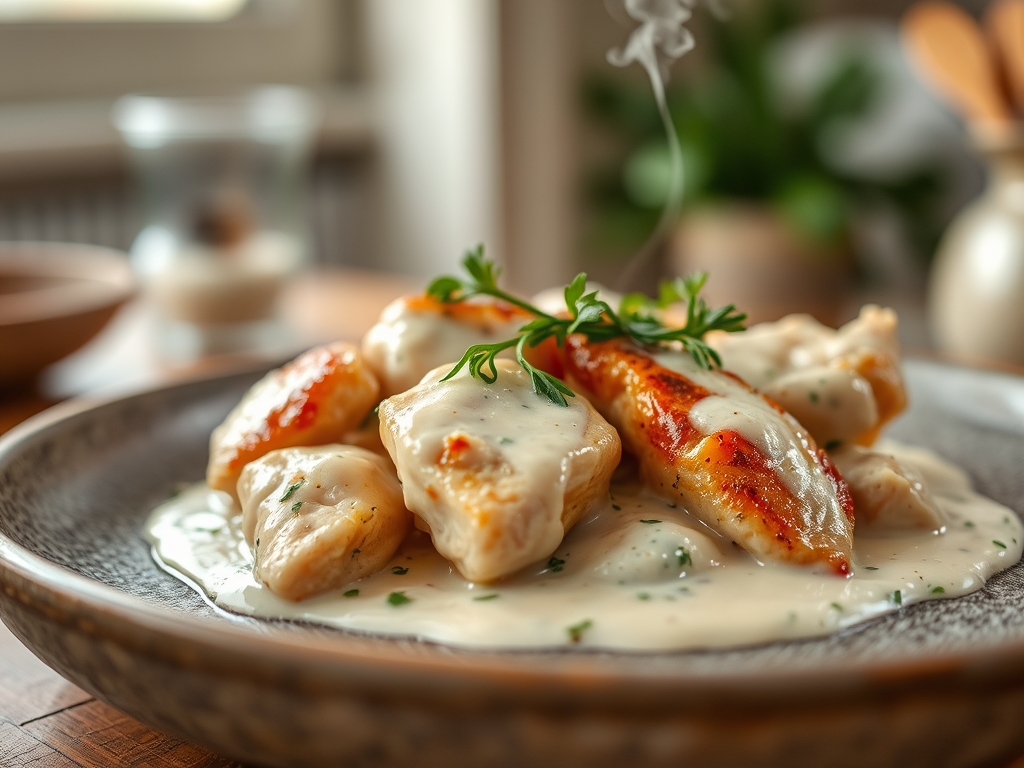
Picture a heavy bottomed skillet resting on your stovetop; the surface is shimmering with golden fat as a cluster of chicken thighs sizzles with rhythmic intensity. This is the sensory gateway to mastering white sauce chicken recipes. It is not just about the cream; it is about the chemistry of a perfectly emulsified, ivory velvet coating that clings to every fiber of protein. When you pull that pan off the heat, the sauce should be viscous enough to coat the back of a spoon but light enough to dance on the palate. Whether you are craving a sharp garlic parmesan finish or a delicate lemon infused veloute, these nine variations transform a humble bird into a five star centerpiece. We are moving beyond basic gravy and into the realm of professional saucier techniques that will make your kitchen smell like a Parisian bistro.
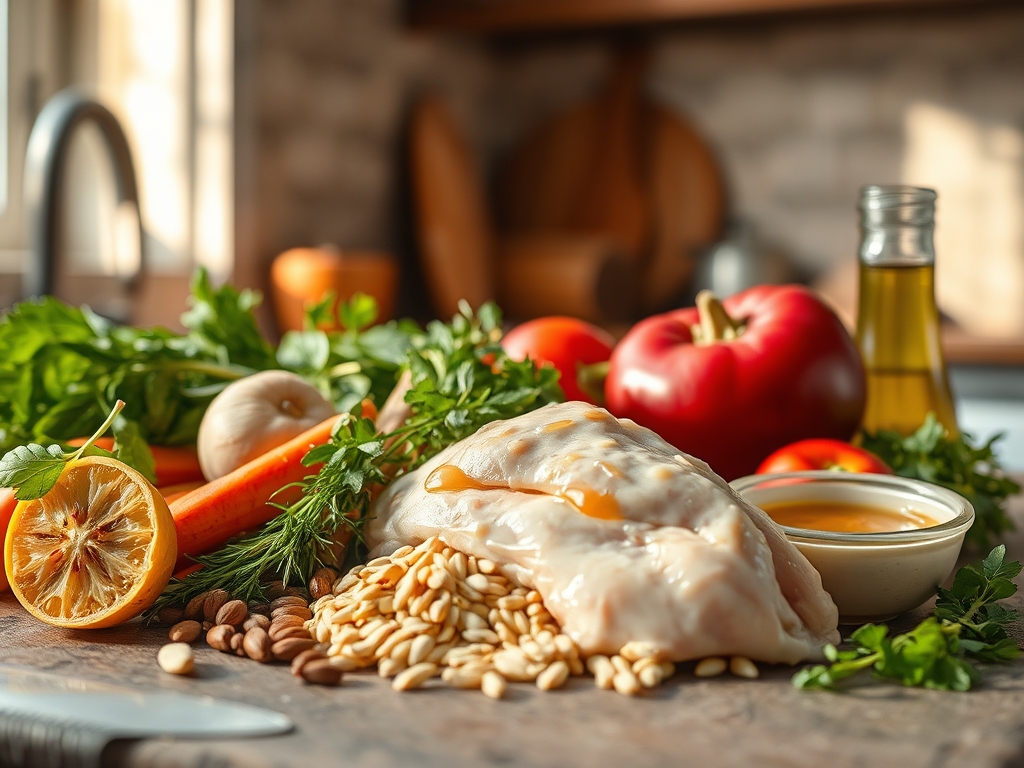
The Gathers:
Before we ignite the burners, we must respect the mise en place. High quality white sauce chicken recipes depend on the ratio of lipids to proteins. You will need high moisture chicken breasts or thighs; ideally air chilled to prevent excess water release during the sear. For the base, gather heavy cream with at least 36 percent milkfat to ensure stability against curdling. You will also need unsalted European style butter, which has a lower water content than standard sticks, and a bouquet of aromatics: smashed garlic cloves, shallots, and fresh thyme.
Keep your microplane ready for hard cheeses like Pecorino Romano or aged Parmesan. These add a salty, umami depth that cuts through the richness. If you are looking for smart substitutions, Greek yogurt can replace heavy cream for a piquant tang, provided you temper it first to avoid protein clumping. For a dairy free alternative, use full fat coconut milk or a cashew cream base; both offer the necessary viscosity to mimic traditional dairy. Always keep a bottle of dry white wine, like a Sauvignon Blanc, nearby to deglaze the pan and lift those caramelized bits of "fond" from the bottom.
The Clock: Timing the Perfect Sear
Efficiency in the kitchen is about the "Chef's Flow." You are looking at a total commitment of 35 to 45 minutes from start to finish. The prep phase takes roughly 15 minutes; this includes slicing your aromatics and patting the chicken bone dry with paper towels. The cooking phase is divided into two critical acts: the sear and the simmer. The sear requires about 6 minutes per side to achieve a deep Maillard reaction. Once the sauce is introduced, the simmering process takes another 10 to 12 minutes to reduce the liquid and reach the desired nappe consistency. Using a digital scale to measure your flour and butter for the roux ensures that your timing is never derailed by a sauce that refuses to thicken.
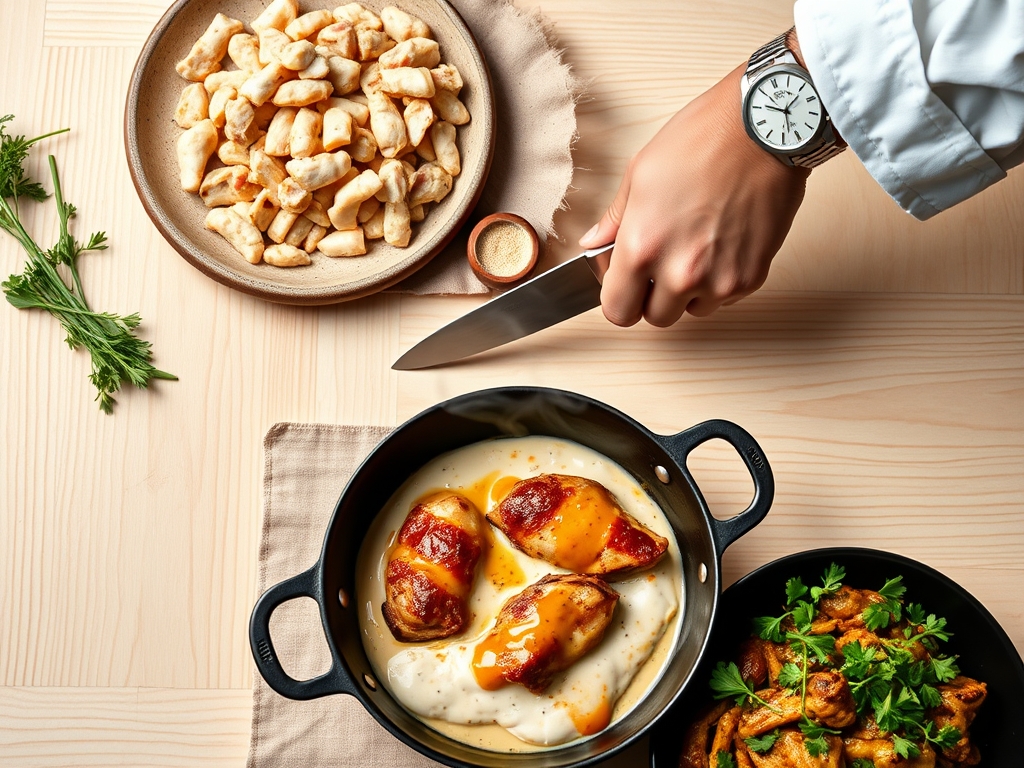
The Masterclass:
1. The High Heat Sear
Place your chicken into a preheated heavy bottomed skillet with a high smoke point oil. Do not crowd the pan; this leads to steaming rather than browning.
Pro Tip: This stage triggers the Maillard reaction, where amino acids and reducing sugars rearrange to create hundreds of flavor compounds. If the meat sticks, the proteins have not finished bonding; wait for it to release naturally.
2. Deglazing the Fond
Once the chicken is removed, pour in a splash of white wine or stock. Use a wooden spoon or bench scraper to agitate the brown bits stuck to the bottom.
Pro Tip: This process captures deglazing aromatics that are packed with concentrated chicken essence. These bits are the soul of any white sauce chicken recipe.
3. Building the Roux
Add your butter and whisk in an equal part of all purpose flour. Cook this for two minutes until it smells nutty but remains pale.
Pro Tip: Cooking the roux neutralizes the raw starch molecules, ensuring your final sauce does not have a grainy texture or a floury aftertaste.
4. The Liquid Temper
Slowly stream in your room temperature cream or stock while whisking constantly with a balloon whisk to aerate the mixture.
Pro Tip: Gradual incorporation prevents thermal shock, which can cause the fat and water to separate, leading to a broken, greasy sauce.
5. Infusing the Aromatics
Drop in your smashed garlic, herbs, and citrus zest. Let them steep in the bubbling liquid like a savory tea.
Pro Tip: Heat facilitates the essential oil extraction from herbs. Adding them now ensures the flavor is integrated into the fat molecules of the cream.
6. The Nappe Reduction
Simmer the sauce until it reduces by about one third. It should be thick enough to leave a clear trail when you run a finger across the back of a coated spoon.
Pro Tip: Reduction increases viscosity through evaporation, concentrating the solutes and intensifying the salt and acid profiles.
7. Reintroducing the Protein
Nestle the chicken back into the pan, ensuring the crispy skin stays above the sauce line to maintain texture.
Pro Tip: This allows for thermal carryover cooking, where the residual heat of the sauce gently brings the internal temperature of the chicken to 165 degrees Fahrenheit without drying it out.
8. Emulsifying the Cheese
Turn off the heat and whisk in your finely grated cheese until it disappears into the silk.
Pro Tip: Adding cheese over direct heat can cause the proteins to tighten and string, creating a clumped mess. Residual heat is all you need for a smooth emulsion.
9. The Bright Finish
Squeeze a fresh lemon wedge over the pan and garnish with chopped parsley or chives.
Pro Tip: Acid acts as a flavor brightener, cutting through the heavy lipids and resetting the palate for the next bite.
The Deep Dive:
From a macro nutrition perspective, white sauce chicken recipes are protein dense but high in fats. A standard serving contains roughly 35 grams of protein and 28 grams of fat. To make this Keto friendly, simply omit the flour roux and use a reduction of heavy cream and xanthan gum. For a Gluten Free version, use a cornstarch slurry or almond flour to thicken.
If you hit a snag, don't panic. If your sauce is too thin, whisk in a "beurre manie" (equal parts cold butter and flour mashed together). If the sauce breaks and looks oily, a tablespoon of boiling water and vigorous whisking can usually pull the emulsion back together. If it is too salty, a splash of heavy cream or a pinch of sugar can balance the profile. For meal prep, remember that cream sauces can "seize" in the fridge. To reheat, add a splash of milk and warm it over low heat; avoid the microwave, as the high intensity waves will cause the fat to separate instantly.
The Wrap-Up:
You are now officially armed with the technical prowess to dominate any white sauce chicken recipe that comes your way. It is a balance of heat, timing, and high quality fats that turns a simple dinner into a culinary event. Go ahead and grab your favorite saucier; the kitchen is your laboratory, and that silky, ivory sauce is your masterpiece. Your friends won't just ask for the recipe; they will ask for your secret.
The Kitchen Table:
How do I prevent my white sauce from curdling?
Always use room temperature dairy and keep the heat at a low simmer. Never let the sauce reach a rolling boil once the cream is added, as high heat destabilizes the milk proteins and causes separation.
Can I use milk instead of heavy cream?
Yes, but the sauce will be thinner. To compensate, you must increase the amount of flour in your roux or add a cornstarch slurry at the end to achieve the desired thick, velvety consistency.
What is the best chicken cut for white sauce?
Boneless, skin on chicken thighs are superior for flavor and moisture. However, chicken breasts work well if you are careful not to overcook them; the sauce helps provide the fat that breasts naturally lack.
How long does white sauce chicken last in the fridge?
When stored in an airtight container, it stays fresh for up to three days. When reheating, add a teaspoon of water or milk to loosen the proteins and restore the original silky texture.