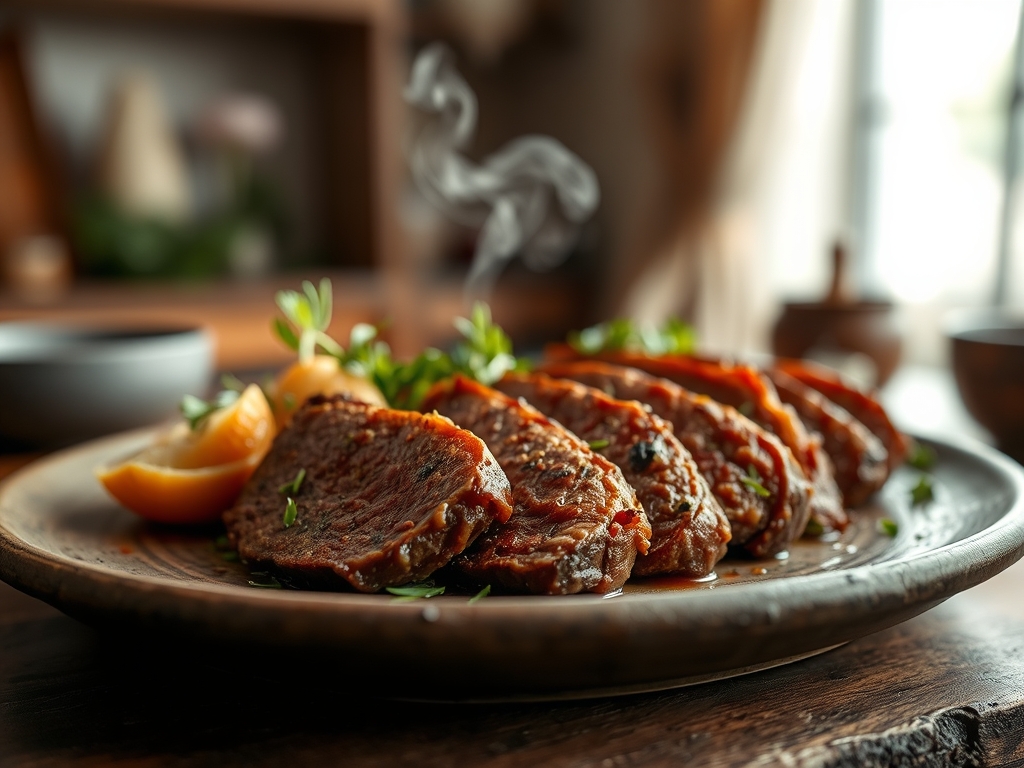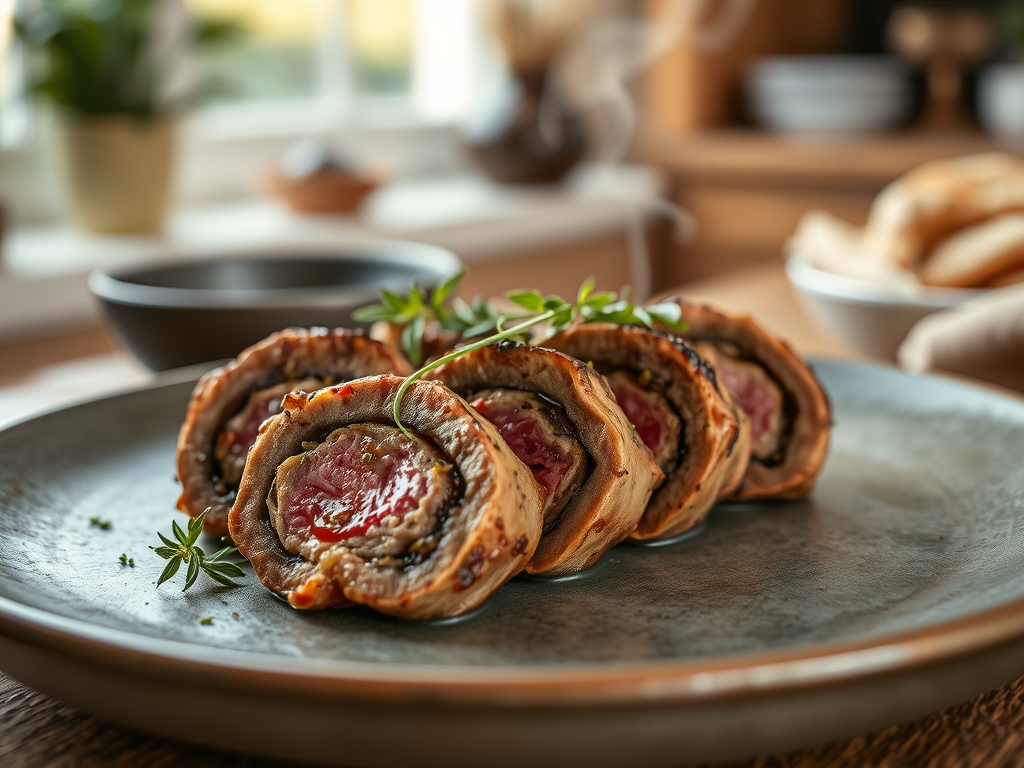
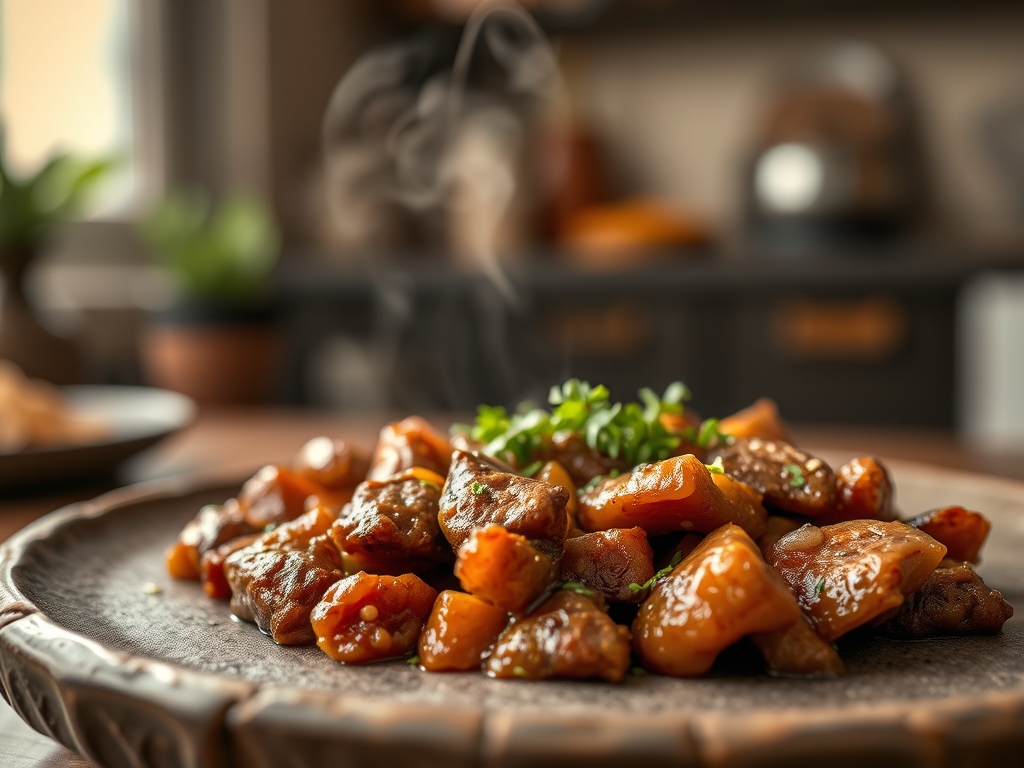
Imagine the scent of toasted pine nuts dancing in a cloud of seven-spice and rendered fat. This is the heart of Beirut. When you master lebanese beef recipes, you are not just cooking; you are conducting a symphony of heat and spice. From the sizzle of Kafta on a hot grill to the slow, aromatic braise of Kibbeh Labanieh, these dishes define comfort. We are going to dive into the technical precision required to turn humble cuts of beef into silk-textured masterpieces that command respect at any dinner table.
The Gathers:
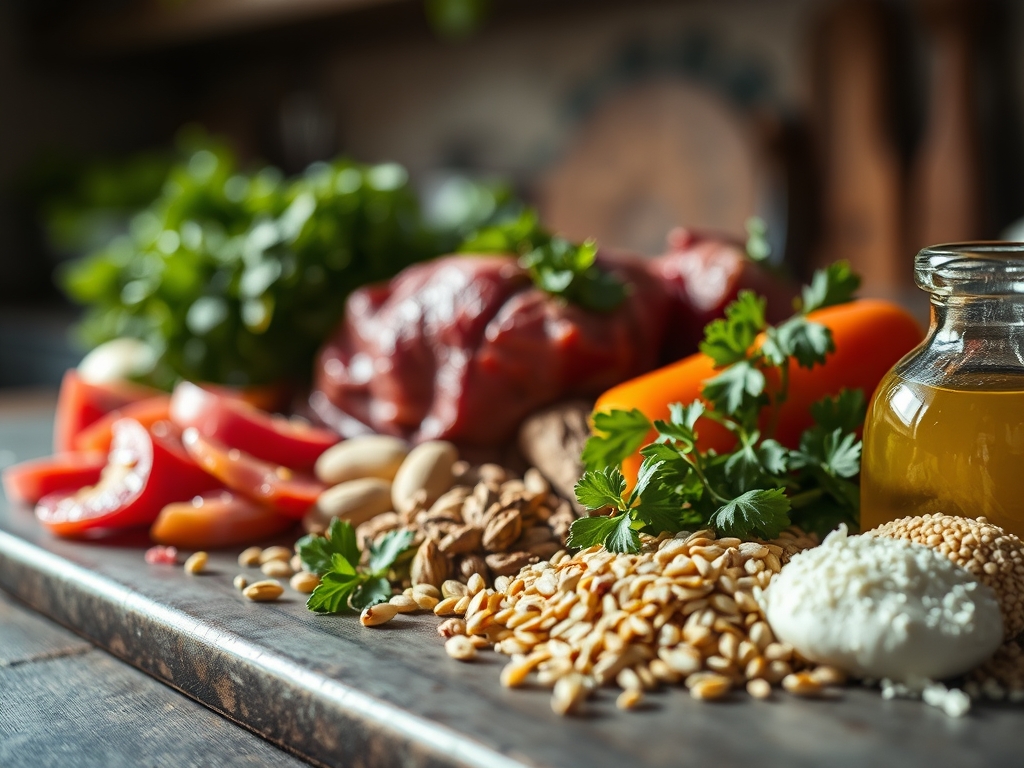
To achieve the authentic flavor profile of lebanese beef recipes, your mise-en-place must be impeccable. You will need high-quality ground beef with a 20 percent fat ratio to ensure a viscous mouthfeel and moisture retention during high-heat searing. Gather your Aromatic Base: fresh flat-leaf parsley, red onions, and garlic cloves. For the spice profile, the "Baharat" or Lebanese Seven Spice is non-negotiable. This blend typically includes allspice, black pepper, cinnamon, cloves, fenugreek, nutmeg, and ginger.
You will also need texture enhancers like toasted pine nuts (snobar) and fine bulgur wheat. Use a digital scale to measure your bulgur; precision here prevents a grainy or dry texture. For the fats, keep a bottle of extra virgin olive oil and a jar of clarified butter (ghee) on standby.
Smart Substitutions:
If you cannot find Lebanese Seven Spice, a 1:1 mix of allspice and cinnamon works in a pinch. For a leaner profile, you can swap beef for lamb or a 50/50 blend, though beef offers a cleaner canvas for the piquant notes of sumac. If you are gluten-free, replace the bulgur in your Kibbeh with quinoa or riced cauliflower, though the latter will require an egg binder to maintain structural integrity.
The Clock:
Efficiency in the kitchen is about the Chef's Flow. For these ten classics, expect a preparation time of 45 minutes and a total cook time of approximately 60 minutes. The secret is "Parallel Processing." While your bulgur hydrates (which takes about 20 minutes), you should be using a microplane to grate your onions and garlic. Grating rather than chopping ensures the aromatics melt into the meat fibers, preventing the meat from breaking apart on the grill.
Most lebanese beef recipes benefit from a "resting phase." Allow your seasoned meat mixtures to chill in the refrigerator for at least 30 minutes before shaping. This allows the proteins to knit together and the spices to infuse the fat. Total active time is high, but the result is a professional-grade texture that resists crumbling.
The Masterclass:
1. Hydrating the Grains
Place your fine bulgur in a stainless steel bowl and cover with room temperature water. Let it sit until the water is fully absorbed.
Pro Tip: This is a matter of osmosis. Using room temperature water instead of boiling water prevents the starch from gelatinizing too quickly, which keeps the grain distinct and "al dente" inside the meat.
2. The Aromatic Extraction
Use a heavy-bottomed skillet to toast your pine nuts in a teaspoon of ghee until golden brown. Remove the nuts and use the remaining infused fat to sauté your finely diced onions.
Pro Tip: This process utilizes lipid-solubility. Many flavor compounds in spices and aromatics are fat-soluble; sautéing them first ensures the flavor is carried throughout the entire dish rather than staying trapped in the vegetable fibers.
3. The Meat Emulsification
Combine your chilled ground beef with the hydrated bulgur and spices. Use your hands or a stand mixer with a paddle attachment to work the meat until it becomes tacky.
Pro Tip: You are looking for myosin development. Working the meat creates a protein mesh that traps moisture. If the meat is too cold, the fat won't smear; if it's too warm, it will "break." Aim for 40 degrees Fahrenheit.
4. Precision Shaping
For Kafta or Kibbeh, use a bench scraper to divide the meat into equal portions. Shape them into cylinders or patties, ensuring there are no cracks on the surface.
Pro Tip: Surface area matters for the Maillard Reaction. A smooth surface ensures even contact with the heat source, leading to a uniform, savory crust without drying out the interior.
5. The Sear and Deglaze
Heat your skillet until it reaches approximately 425 degrees Fahrenheit. Sear the beef in batches to avoid overcrowding. Once finished, use a splash of beef stock or red wine to deglaze the pan.
Pro Tip: This captures the fond, the caramelized protein bits stuck to the pan. These bits contain concentrated umami that, when re-incorporated, adds immense depth to your sauces.
6. The Slow Simmer
For dishes like Dawood Basha (meatballs in pomegranate sauce), submerge the seared beef in a saucier filled with tomato and pomegranate molasses. Simmer on low.
Pro Tip: This is collagen conversion. Even in ground beef, low and slow simmering allows any connective tissue to transform into gelatin, providing a silky, luxurious mouthfeel to the sauce.
The Deep Dive:
Macro Nutrition: Lebanese beef recipes are high-protein powerhouses. A standard serving of Kafta provides roughly 25g of protein, 15g of fat, and 10g of complex carbohydrates from the bulgur. To lower the caloric density, serve with a side of Fattoush salad instead of rice.
Dietary Swaps:
- Vegan: Use a mix of walnuts and mushrooms pulsed in a food processor to mimic the texture of ground beef.
- Keto: Replace bulgur with almond flour or crushed pork rinds to act as a binder.
- GF: Ensure your spices are certified gluten-free and use rice or potato starch as a thickener for sauces.
The Fix-It:
- Dry Meat: If your beef is dry, your fat ratio was likely too low. Fix this by folding in a tablespoon of cold Greek yogurt or labneh into the raw mix next time.
- Kibbeh Falling Apart: This happens when there is too much moisture in the bulgur. Squeeze the grains through a cheesecloth before mixing.
- Bland Sauce: If the sauce lacks punch, add a squeeze of fresh lemon juice or an extra teaspoon of sumac at the very end to provide a bright acidity that cuts through the fat.
Meal Prep: To reheat without losing quality, avoid the microwave. Use a skillet with a lid and a tablespoon of water to create steam. This rehydrates the proteins without overcooking them, maintaining that "day-one" tenderness.
The Wrap-Up:
Mastering these lebanese beef recipes is a gateway to understanding the balance of fat, acid, and spice. By focusing on the science of protein binding and the chemistry of spice infusion, you transform a simple weeknight meal into a culinary event. Grab your tongs, fire up the stove, and let the aromatics fill your kitchen. You have the tools, the techniques, and the "why" behind every flip of the spatula. Now, go make something legendary!
The Kitchen Table:
What is the best beef cut for Lebanese recipes?
A mix of chuck and brisket is ideal. The chuck provides deep beefy flavor while the brisket offers the necessary fat content to keep the meat moist during high-heat grilling or long-simmering braises.
How do I stop my Kafta from shrinking?
Kafta shrinks when the proteins contract too quickly. To prevent this, ensure your meat is very cold when shaping and avoid overworking the meat once the salt is added, which can cause a rubbery texture.
Can I make Lebanese beef recipes ahead of time?
Yes. In fact, the flavors of the Seven Spice blend deepen after 24 hours. You can shape your meatballs or kebabs and store them in the refrigerator overnight before cooking for superior flavor integration.
Why is my Kibbeh grainy?
Graininess usually results from under-hydrated bulgur. Ensure you use fine-grade bulgur and allow it to soak until it is soft to the touch. If it remains gritty, pulse the meat and bulgur mixture together in a food processor.