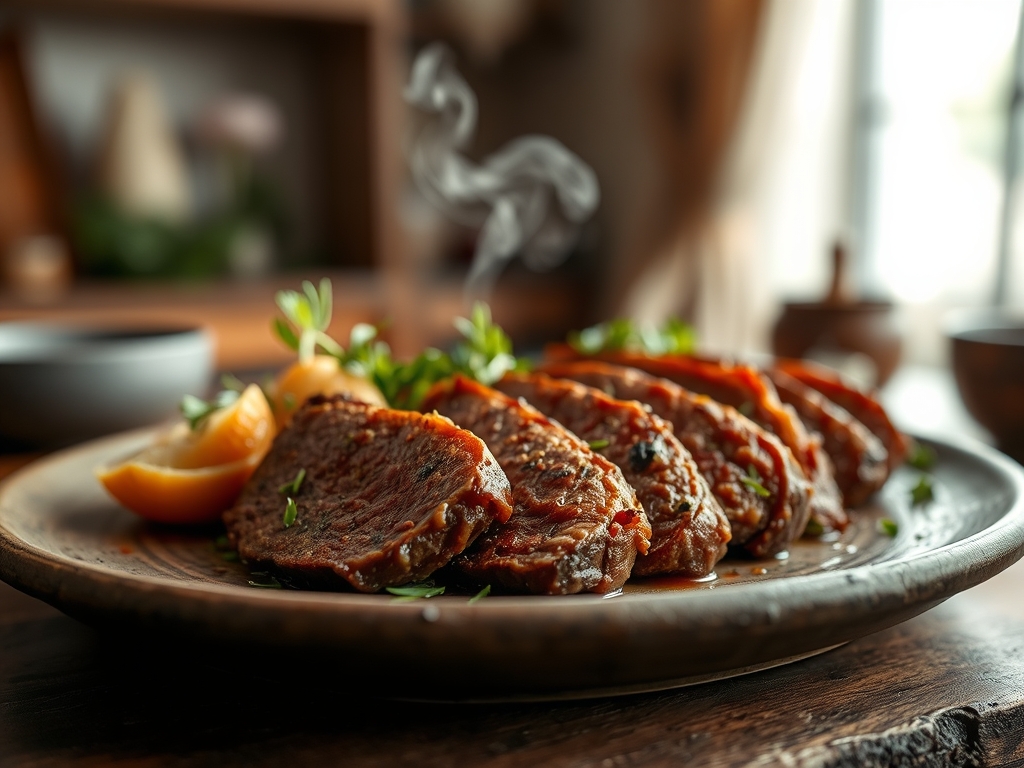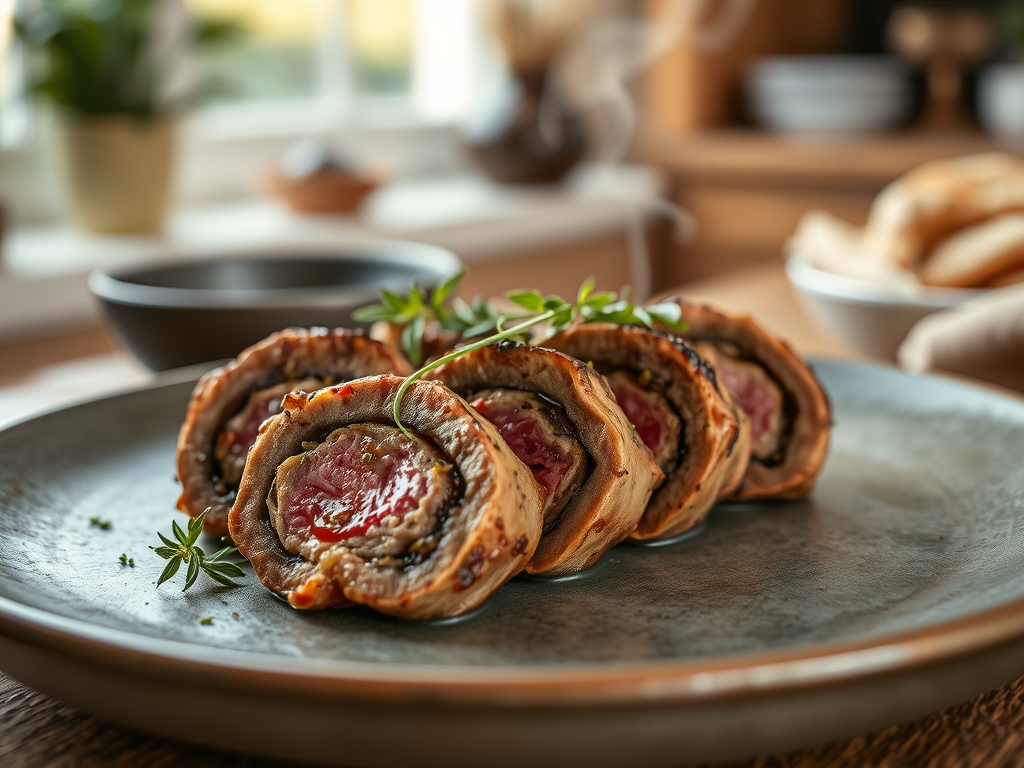
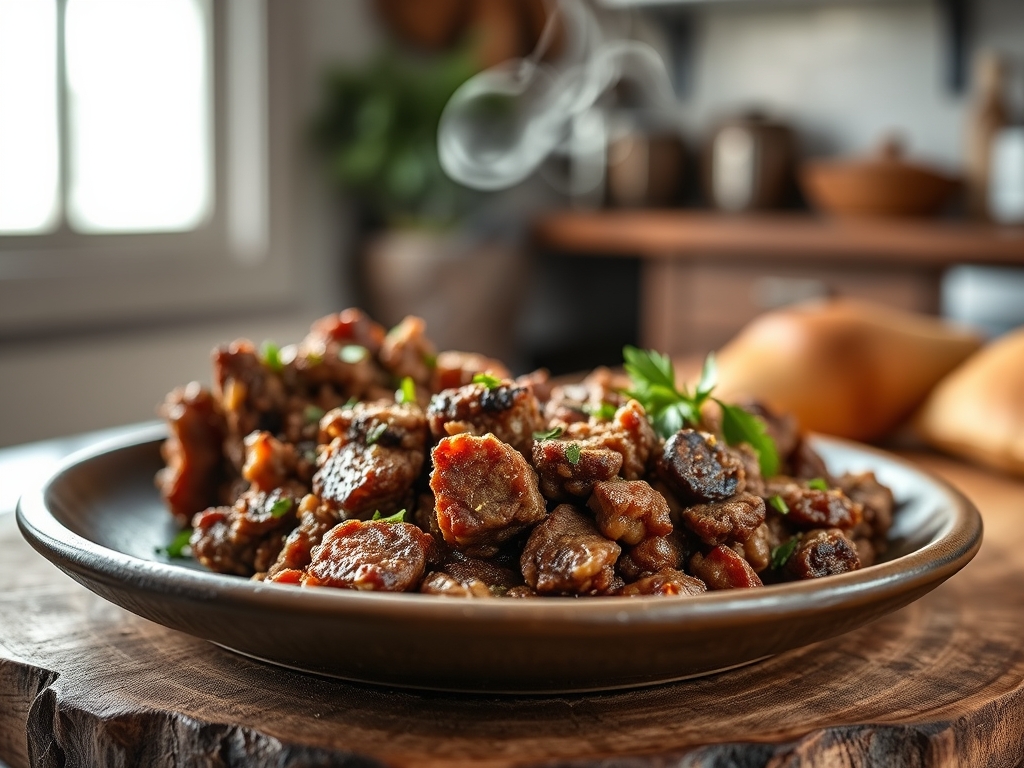
The sizzle hits your ears before the aroma even reaches your nose; it is the sound of moisture evaporating and proteins transforming into something primal and perfect. Mastering browned ground beef recipes is the ultimate culinary power move because it provides a foundational savory base for nearly every comfort food imaginable. When you drop that cold meat into a screaming hot heavy-bottomed skillet, you are not just cooking dinner; you are conducting a complex chemical symphony.
The secret to a truly versatile batch of beef lies in the crust. We are chasing that deep, mahogany hue that signals the Maillard reaction has occurred. This is where amino acids and reducing sugars dance together to create hundreds of different flavor compounds. If your pan is crowded or your heat is too low, you end up with gray, steamed meat that lacks soul. By understanding the physics of heat transfer and fat rendering, you can turn a humble pound of chuck into a masterpiece. Whether you are prepping for a week of tacos or a rich Bolognese, the technique remains the same. Let us dive into the mechanics of the perfect sear and explore eight ways to transform this staple into gourmet excellence.
The Gathers:
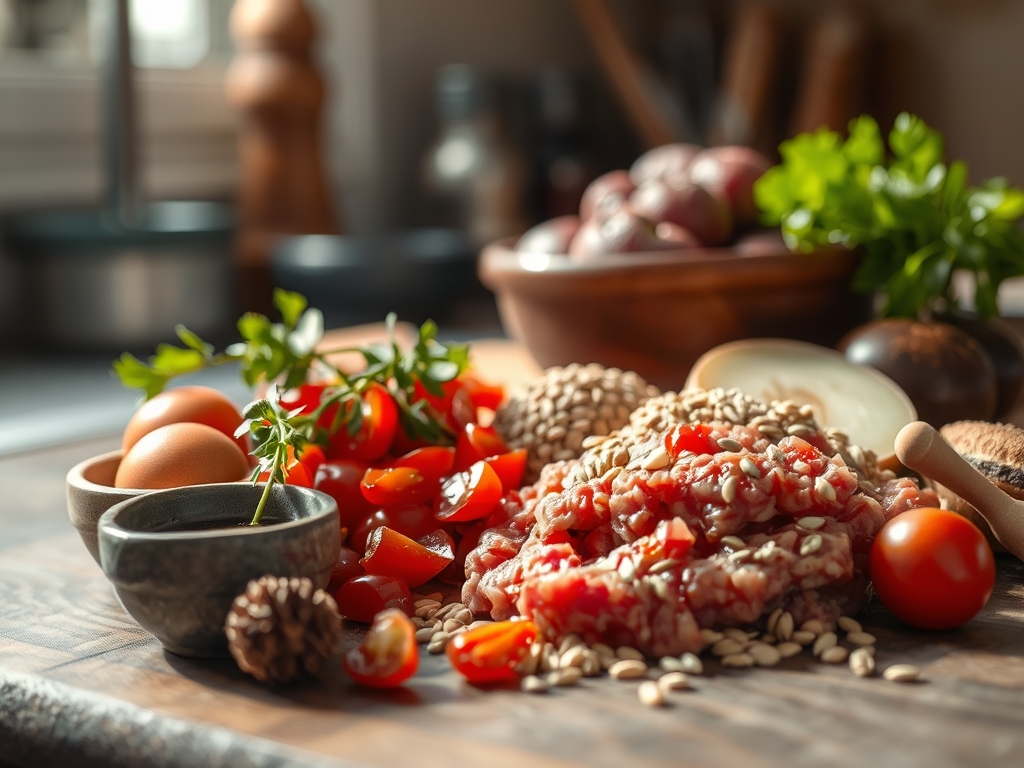
Before the heat is even a flicker, your mise-en-place must be pristine. Start with high-quality ground beef; ideally a 80/20 blend. The 20 percent fat content is non-negotiable for flavor because fat is the primary vehicle for aroma molecules. You will need a heavy-bottomed skillet, preferably cast iron or stainless steel, to maintain consistent thermal mass. Have your wooden spoon or a specialized meat masher ready to break up the clumps.
For seasonings, keep a ramekin of kosher salt and freshly cracked black pepper nearby. Salt is hygroscopic, meaning it draws moisture to the surface; this is why we salt late in the browning process to avoid premature steaming. To elevate the profile, gather aromatics like minced garlic, shallots, and perhaps a splash of Worcestershire sauce for a piquant umami boost.
Smart Substitutions: If you are looking to lighten the caloric density, you can swap half the beef for finely minced cremini mushrooms. This "blenditarian" approach utilizes the mushrooms' high glutamate content to mimic the savory depth of meat while adding moisture. For a leaner profile, ground turkey or bison works beautifully, though you may need to add a teaspoon of neutral oil to compensate for the lower fat rendering.
The Clock:
Efficiency in the kitchen is about "Chef's Flow," which is the art of overlapping tasks to minimize downtime. The total active time for browning a standard batch of beef is approximately 12 to 15 minutes. This includes a 3-minute preheat for your skillet, which is the most skipped yet vital step.
The actual browning takes 7 to 9 minutes depending on your stove's BTU output. While the meat is searing undisturbed, use those 4-minute intervals to prep your secondary ingredients for your chosen browned ground beef recipes. This rhythmic approach ensures that by the time the meat is perfectly rendered and deglazed, your vegetables are chopped and your spices are measured.
The Masterclass:
Note the texture in the step-by-step photos below. Achieving the perfect crumble requires patience and high heat.
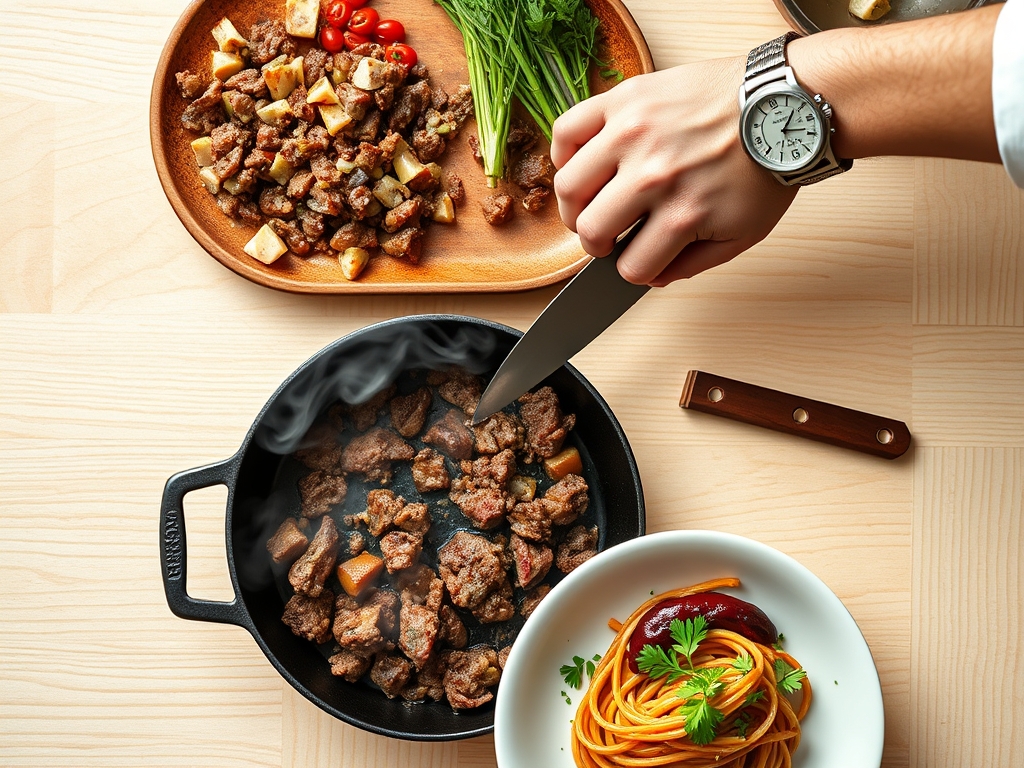
1. The Thermal Foundation
Place your heavy-bottomed skillet over medium-high heat. Do not add oil yet if you are using 80/20 beef. Wait until a drop of water flicked onto the surface dances and evaporates instantly. This indicates you have reached the Leidenfrost point.
Pro Tip: Preheating the pan creates a "heat reservoir." If you add meat to a cold pan, the temperature drops too drastically, causing the meat to release its juices and boil in its own liquid rather than searing.
2. The Initial Sear
Add the beef in a single, flat disc. Do not break it up immediately. Press it down with a spatula to maximize surface contact. Let it sit undisturbed for at least 3 minutes until a dark brown crust forms on the bottom.
Pro Tip: This is the Maillard reaction in action. By resisting the urge to stir, you allow the surface temperature to exceed 300 degrees Fahrenheit, which is necessary for complex flavor development.
3. The Break and Render
Flip the large pieces and begin breaking them into smaller crumbles using a wooden spoon or a bench scraper. As the meat breaks apart, the fat will begin to render, turning from a solid to a viscous liquid.
Pro Tip: Fat rendering is a physical change where heat breaks down the connective tissue and adipose cells. This liquid fat then acts as a frying medium for the rest of the meat.
4. Deglazing and Finishing
Once the meat is fully browned, there will be brown bits stuck to the bottom of the pan; this is called "fond." Add a splash of liquid, such as beef stock or dry wine, and scrape the bottom of the pan to infuse that concentrated flavor back into the meat.
Pro Tip: Deglazing uses the principle of solubility. The flavorful compounds in the fond are water-soluble, and lifting them into a sauce ensures no flavor is wasted.
The Deep Dive:
From a nutritional standpoint, browned ground beef is a powerhouse of bioavailable protein, heme iron, and B-vitamins. A 4-ounce serving provides roughly 26 grams of protein. To keep it heart-healthy, you can drain the excess fat after browning, which removes a significant portion of the saturated fat without sacrificing the flavor locked in the seared crust.
Dietary Swaps:
- Keto/Low Carb: Keep the fat! Use the rendered drippings to sauté heavy greens like kale or spinach.
- Vegan: Use a pea-protein based crumble. Add a teaspoon of liquid smoke and extra soy sauce to mimic the iron-rich depth of beef.
- Gluten-Free: Ensure any thickeners used in subsequent sauces are cornstarch or arrowroot based rather than flour.
The Fix-It:
- The Meat is Gray: Your pan was too crowded. Fix it by removing half the meat, cranking the heat, and browning in batches.
- The Meat is Dry: You overcooked it past the point of protein coagulation. Fix it by adding a splash of bone broth or a tablespoon of tomato paste to reintroduce moisture and "mouthfeel."
- The Fat is Smoking: Your heat is too high for the oil's smoke point. Lower the heat and add a touch of butter to stabilize the fats.
Meal Prep Science:
When reheating browned beef, use a gentle heat. High microwave settings cause the protein fibers to tighten and become rubbery. Instead, reheat in a saucier with a tablespoon of water or stock to create steam, which keeps the meat tender and prevents the fats from becoming oxidized and "off-tasting."
The Wrap-Up:
You are now armed with the molecular knowledge to turn a basic package of meat into a culinary foundation. Browned ground beef recipes are the backbone of a busy, delicious life. From spicy taco nights to elegant ragus, the secret is always in the sear. Grab your skillet, embrace the sizzle, and let the science of flavor work its magic in your kitchen!
The Kitchen Table:
How do I keep ground beef from getting tough?
Avoid over-handling the meat before it hits the pan. Salt only toward the end of the cooking process to prevent the salt from drawing out moisture too early, which causes the protein strands to tighten and toughen.
Should I drain the fat from browned beef?
It depends on the recipe. For tacos or chili, some fat carries essential flavor. However, if you are making a delicate sauce, draining the fat prevents a greasy film from forming on the surface of your finished dish.
Can I brown frozen ground beef?
It is not recommended. Frozen meat releases excessive moisture as it thaws in the pan, leading to steaming rather than searing. For the best Maillard reaction, always thaw your beef completely and pat it dry with paper towels.
What is the best pan for browning meat?
A heavy cast-iron skillet or stainless steel pan is best. These materials have high heat retention, meaning they stay hot when the cold meat is added, ensuring a consistent sear rather than a temperature drop that leads to boiling.