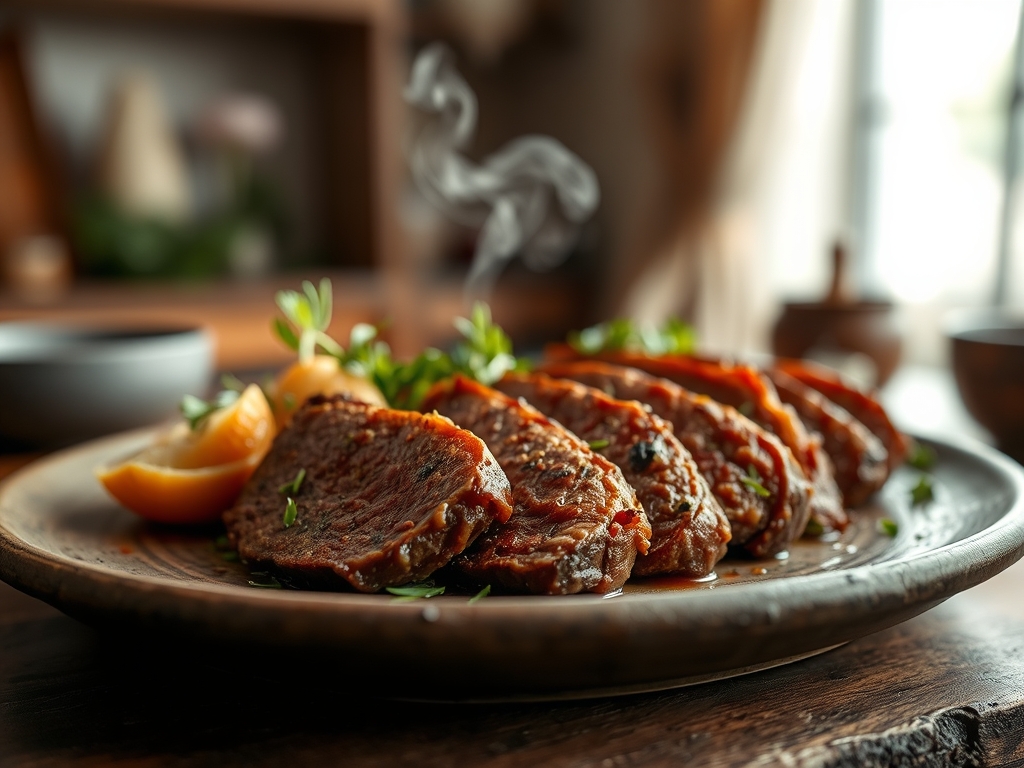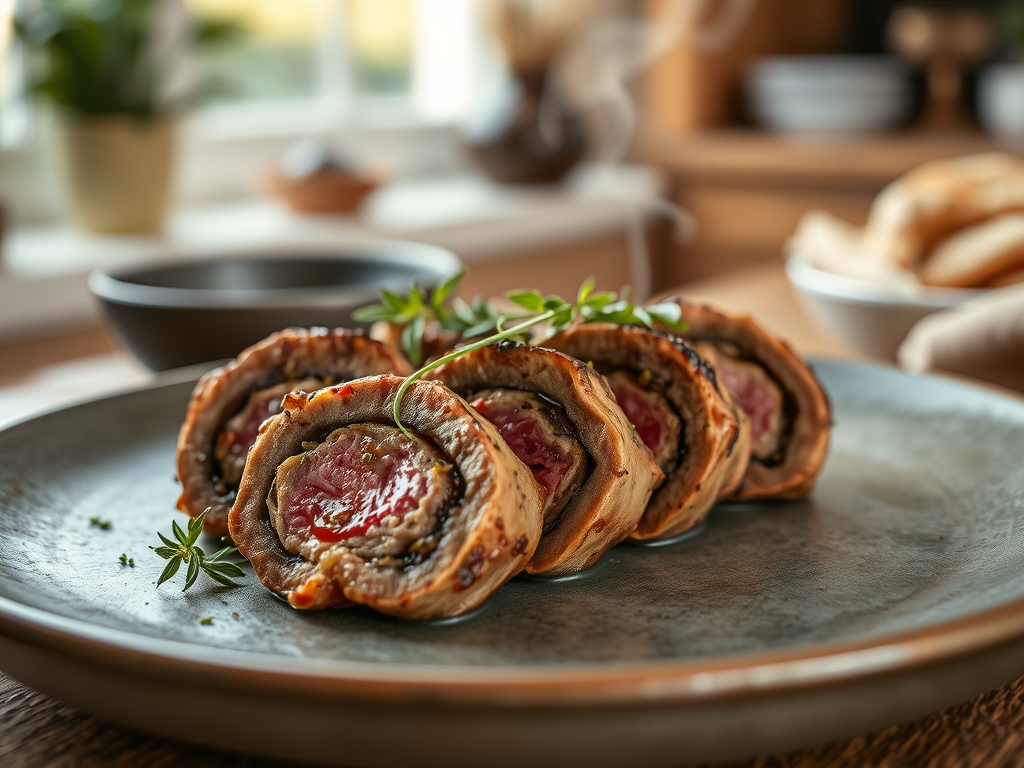
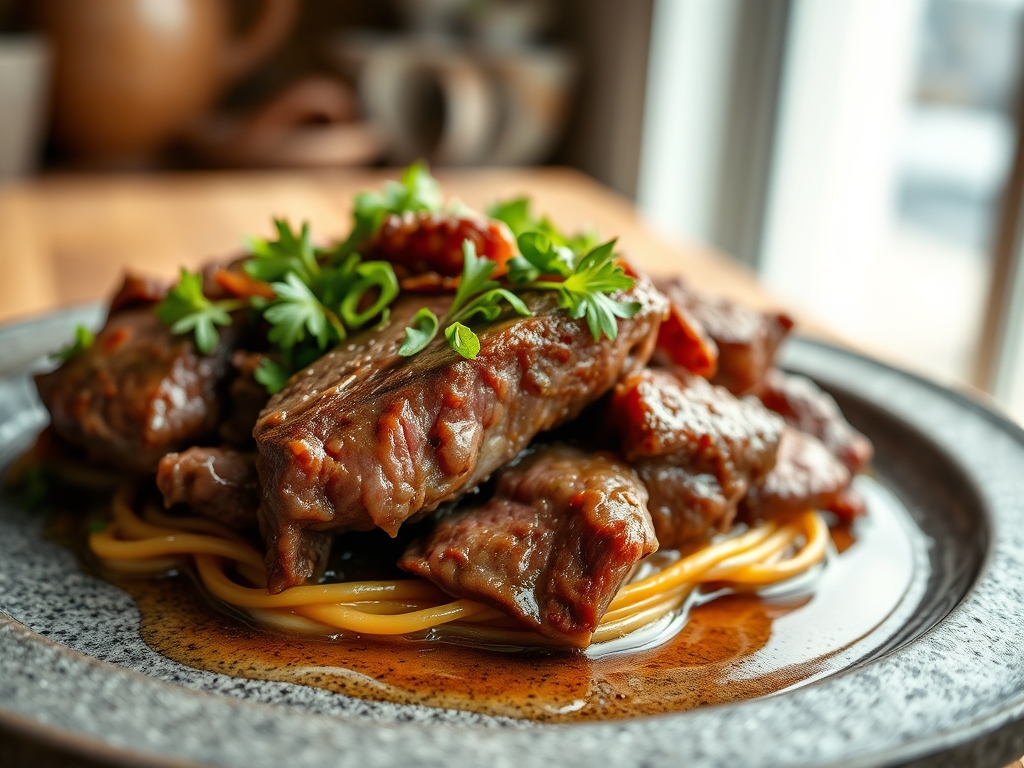
Picture the sizzle of a heavy bottomed skillet meeting a perfectly trimmed sirloin. The aroma of searing protein fills the kitchen; it is the scent of the Maillard reaction in full swing as amino acids and reducing sugars dance under high heat. Finding lean beef recipes healthy enough for a Tuesday but decadent enough for a dinner party is the ultimate kitchen win. We are moving past the days of dry, gray meat and into a world of vibrant, nutrient dense power bowls and aromatic stir fries. Lean beef is a nutritional powerhouse, packed with iron, zinc, and B12, making it the perfect anchor for a high performance lifestyle. Whether you are craving a piquant Thai salad or a robust Mediterranean stew, these recipes prove that "lean" never has to mean "boring." Let us transform your kitchen into a culinary laboratory where flavor meets function.
The Gathers:
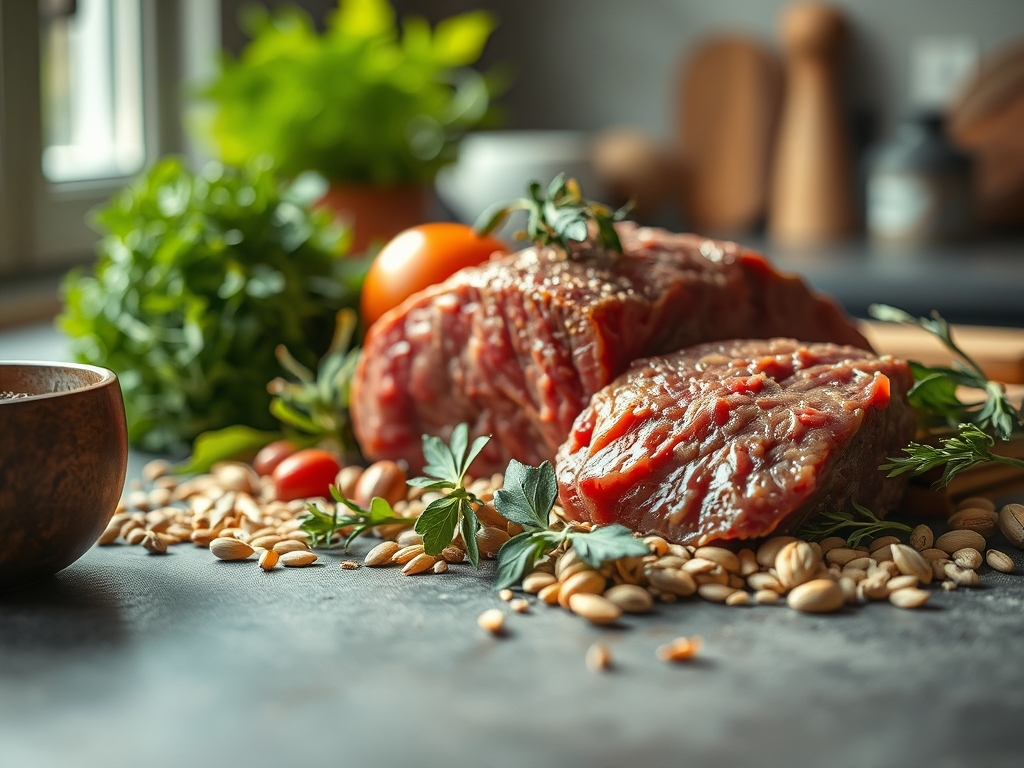
To master these lean beef recipes healthy and delicious, your mise-en-place must be surgical. Start with the protein: look for cuts labeled "loin" or "round," such as eye of round, top round, or tenderloin. These cuts have the lowest intramuscular fat content. You will need a digital scale to ensure precise portioning and a sharp chef's knife to slice against the grain, which mechanically shortens the muscle fibers for a more tender mouthfeel.
On your workstation, gather aromatic heavy hitters. Fresh ginger and garlic should be prepped with a microplane to create a fine paste that will infuse into your sauces without burning. For acidity, keep rice vinegar and fresh limes handy; the low pH helps to denature proteins and brighten the viscous sauces.
Smart Substitutions:
If you cannot find flank steak, a flat iron steak is a brilliant alternative with excellent marbling but low external fat. For a lower sodium profile, swap traditional soy sauce for liquid aminos or coconut aminos. If you are dodging nightshades, replace paprika with a touch of ground cumin and a drop of liquid smoke to mimic that charred, earthy depth.
The Clock:
Efficiency in the kitchen is about "Chef's Flow." This is the art of overlapping tasks so that no second is wasted. Most of these lean beef recipes healthy prep cycles take about 15 to 20 minutes, with active cook times ranging from 6 to 12 minutes.
The secret to a 30 minute meal is the "Order of Operations." Always start by marinating your beef; even ten minutes allows the salt to penetrate the cellular structure via osmosis. While the beef rests, use your bench scraper to clear your cutting board of vegetable scraps. By the time your skillet is screaming hot, your vegetables are chopped and your sauce is whisked. Remember, lean beef cooks faster than fatty cuts because there is less fat to insulate the muscle fibers. Use a digital thermometer to pull the meat at 135 degrees Fahrenheit for a perfect medium-rare, accounting for thermal carryover.
The Masterclass:
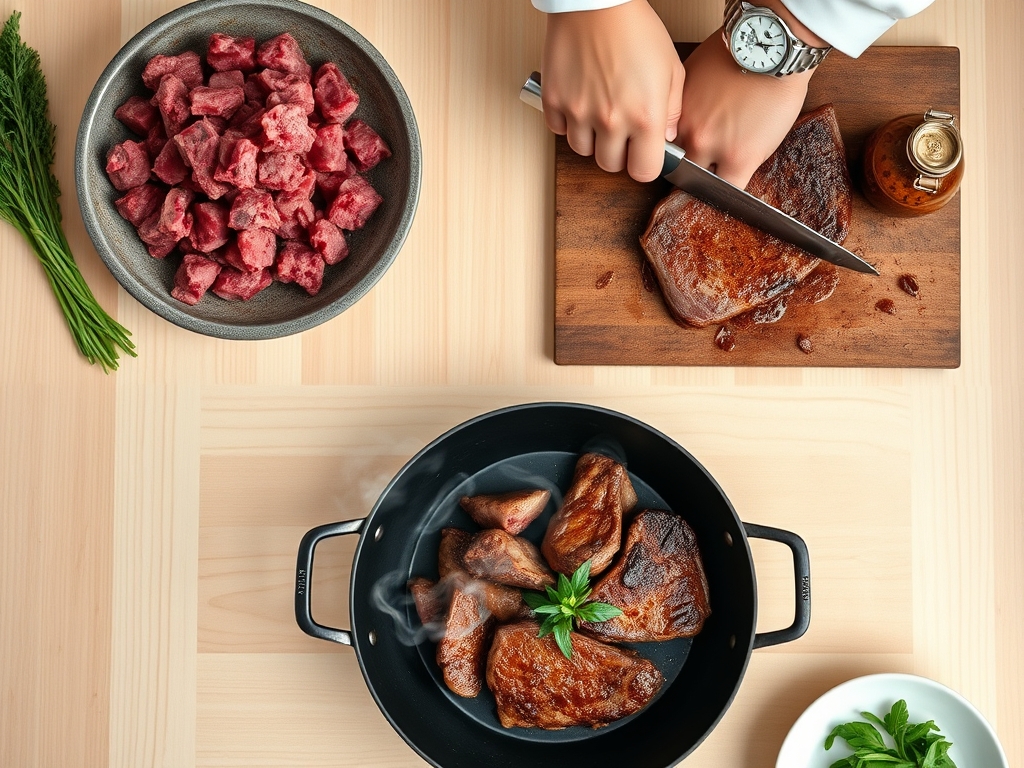
1. The Sear and Deglaze
Start by heating your heavy-bottomed skillet until a drop of water beads and dances across the surface. Add a high smoke point oil like avocado oil. Place the beef in a single layer, ensuring you do not crowd the pan, which would lower the temperature and cause the meat to steam in its own juices rather than sear. Once a crust forms, remove the meat and deglaze the pan with a splash of beef stock or dry wine, using a wooden spoon to scrape up the "fond."
Pro Tip: This process is called the Maillard reaction. It occurs between 280 and 330 degrees Fahrenheit. The fond contains concentrated flavor molecules that provide the backbone for a rich, savory sauce without the need for heavy creams or fats.
2. Aromatics and Infusion
Lower the heat slightly and add your microplaned garlic, ginger, or shallots to the deglazed pan. Sauté just until fragrant. This is where you infuse the base of your dish with piquant notes. Add your vegetables based on density; carrots and peppers go in first, while leafy greens like spinach or bok choy are tossed in at the very end to wilt.
Pro Tip: Sautéing aromatics in the residual moisture of the deglazing liquid allows for "sweating" rather than browning. This softens the cellular walls of the vegetables, releasing their essential oils into the sauce base.
3. The Emulsified Finish
Whisk your sauce components (like starch, broth, and acids) in a small saucier before adding them to the pan. Pour the mixture over the vegetables and bring to a simmer. The sauce will thicken as the starches gelatinize. Return the beef to the pan just to coat it.
Pro Tip: This is known as "mounting" a sauce. By tossing the beef back in at the end, you prevent overcooking. The starch acts as an emulsifier, binding the water-based broth to the small amount of rendered fat from the beef, creating a glossy, viscous coating.
The Deep Dive:
Macro Nutrition
A standard 4 ounce serving of lean beef provides approximately 25 to 30 grams of protein with only 5 to 7 grams of fat. When paired with complex carbohydrates like quinoa or farro and a mountain of fibrous greens, these lean beef recipes healthy profiles sit at roughly 450 calories per serving. This ratio is ideal for muscle synthesis and sustained satiety.
Dietary Swaps
- Vegan: Replace the beef with pressed, extra-firm tofu or seitan. Use "no-beef" bouillon to maintain the savory profile.
- Keto: Serve the beef over riced cauliflower or zoodles. Ensure your sauce uses xanthan gum instead of cornstarch for thickening.
- Gluten-Free: Always use Tamari or coconut aminos. Double check that your beef stock does not contain hidden yeast extracts derived from barley.
The Fix-It
- Tough Meat: If your beef is chewy, you likely sliced with the grain. Next time, look for the parallel lines of muscle fiber and cut perpendicular to them.
- Gray Meat: This happens when the pan is too cold or too crowded. Sear in batches and ensure the meat is patted dry with paper towels before hitting the pan; moisture is the enemy of the sear.
- Bland Sauce: If it tastes flat, it needs acid. A squeeze of lemon or a teaspoon of apple cider vinegar will "unlock" the flavors by balancing the pH.
Meal Prep: Reheating Science
To keep your beef from turning into rubber in the microwave, reheat it at 50 percent power. This slower agitation of water molecules prevents the proteins from tightening too quickly. Better yet, use a steamer basket for three minutes to gently rehydrate the meat without overcooking the center.
The Wrap-Up:
Mastering lean beef recipes healthy for your body and your palate is all about respecting the science of the sear. By focusing on high quality cuts, precision cutting, and the magic of deglazing, you can create restaurant quality meals that fuel your hustle. Grab your tongs and your favorite skillet; it is time to turn these technical tips into a delicious reality. Your kitchen is now a temple of high protein, high flavor excellence!
The Kitchen Table:
How do I make lean beef tender?
Always slice the meat against the grain to shorten muscle fibers. Additionally, marinating with acidic components like lime juice or yogurt for at least 20 minutes helps break down tough connective tissues before the meat ever hits the heat.
What is the healthiest cut of beef?
Eye of round is technically the leanest cut available. Other excellent options include top round, sirloin tip side steak, and top sirloin. Look for "Select" or "Choice" grades, as "Prime" usually indicates higher intramuscular fat and marbling.
Can I use lean beef for slow cooking?
Lean cuts can become dry in a slow cooker because they lack collagen. If using lean beef, submerge it fully in liquid and cook on the "low" setting to prevent the proteins from seizing and becoming stringy.
How do I prevent lean beef from drying out?
Use a digital meat thermometer to monitor the internal temperature. Remove the beef from the heat at 135 degrees Fahrenheit. Allow it to rest for five minutes; this lets the juices redistribute through the fibers via capillary action.