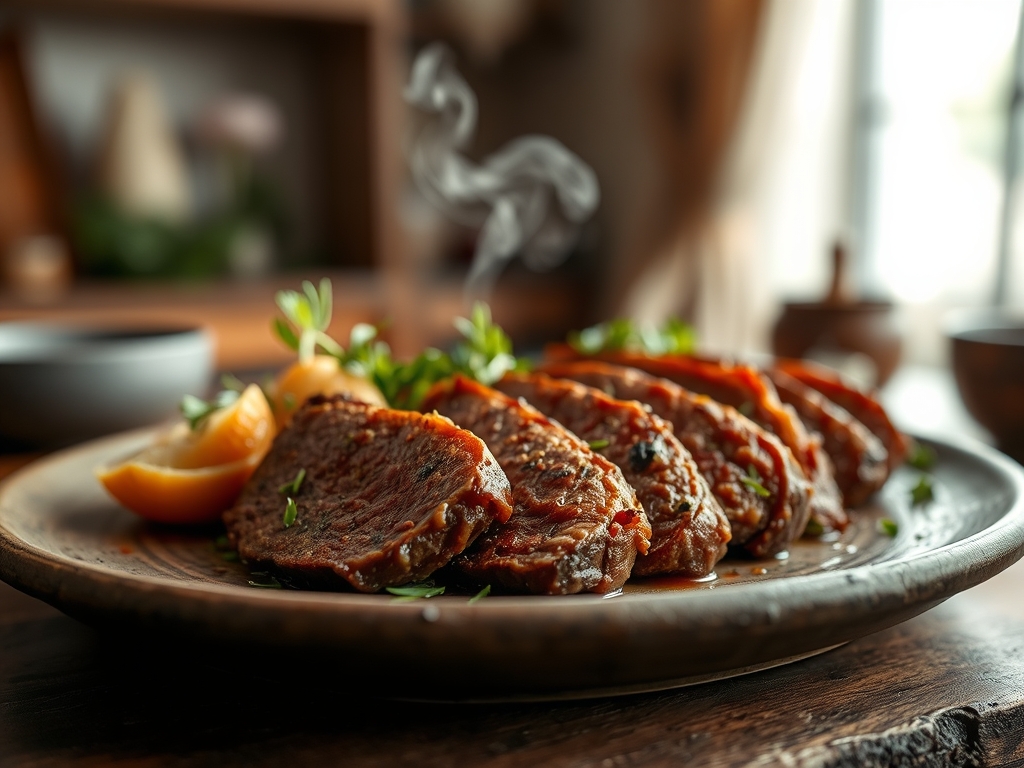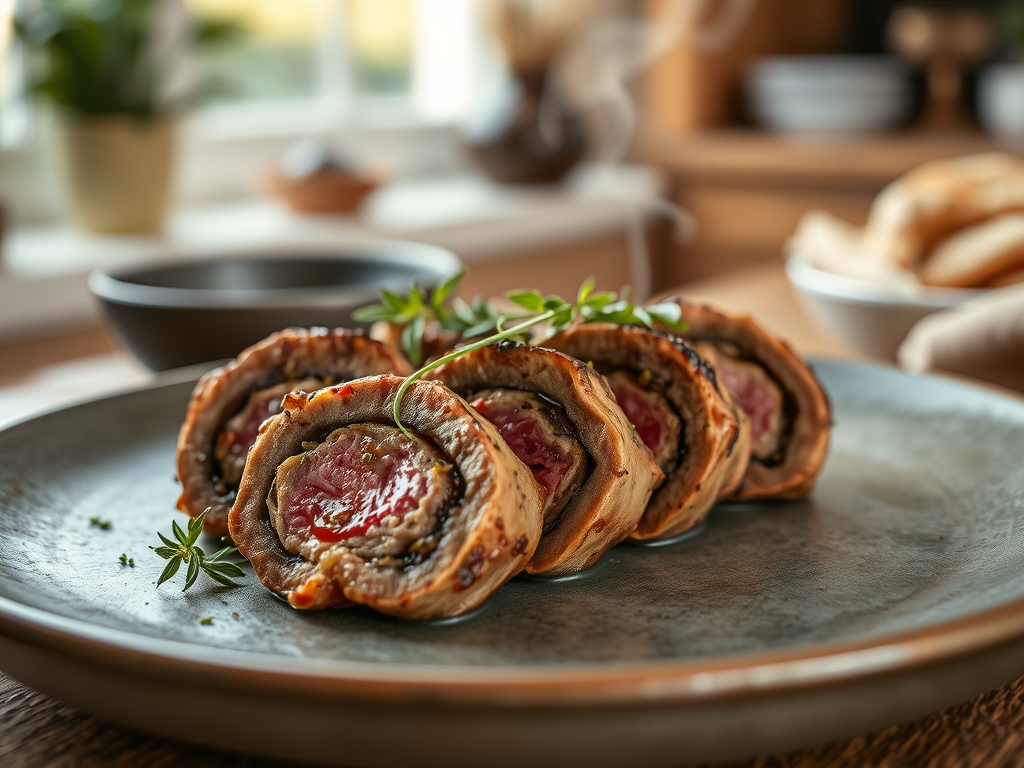
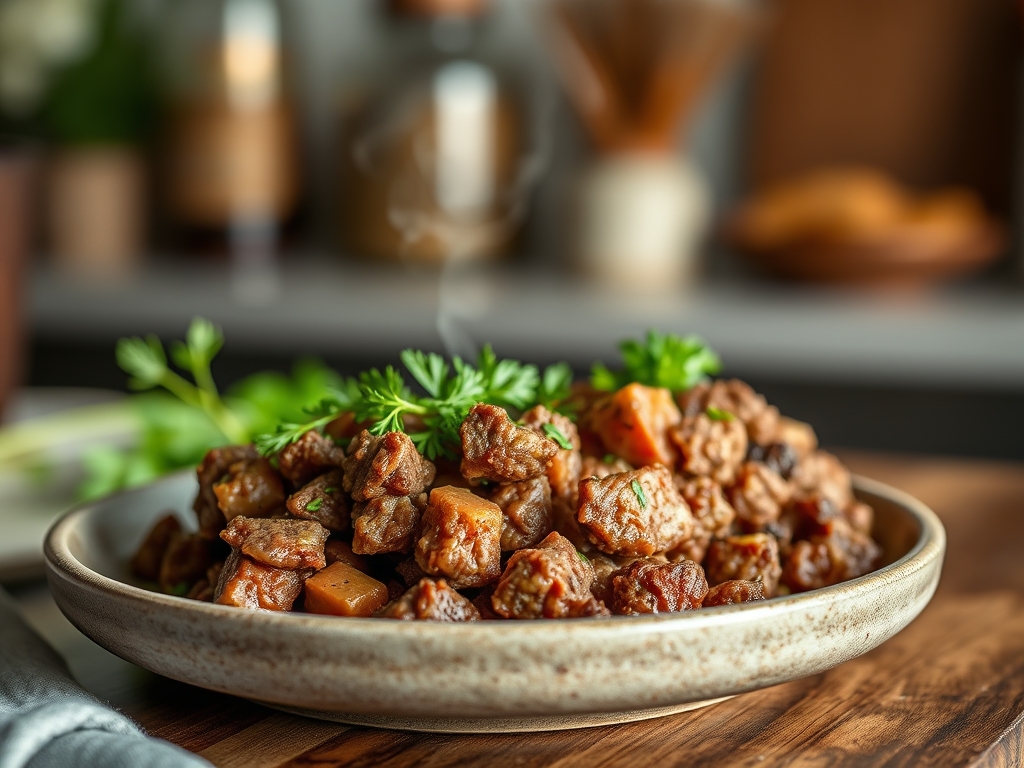
Imagine the sizzle of a heavy bottomed skillet meeting a cold marble countertop. That sound is the overture to a culinary masterpiece. When you master ground pork and ground beef recipes, you are not just cooking; you are conducting a symphony of fats and proteins. The beef provides the structural integrity and deep, iron rich umami while the pork offers a lush, velvety sweetness that prevents the meat from becoming dense or dry. It is the ultimate kitchen hack for achieving that restaurant quality texture in everything from meatballs to ragu.
We are moving beyond the basic burger. We are talking about emulsified fats, the Maillard reaction, and the delicate balance of acidity. Whether you are craving a spicy Sichuan stir fry or a classic Italian Sunday gravy, this blend is your secret weapon. By the end of this guide, you will understand exactly why this specific ratio works on a molecular level. Let us get your apron on and your pans preheated. It is time to turn these humble proteins into something legendary.
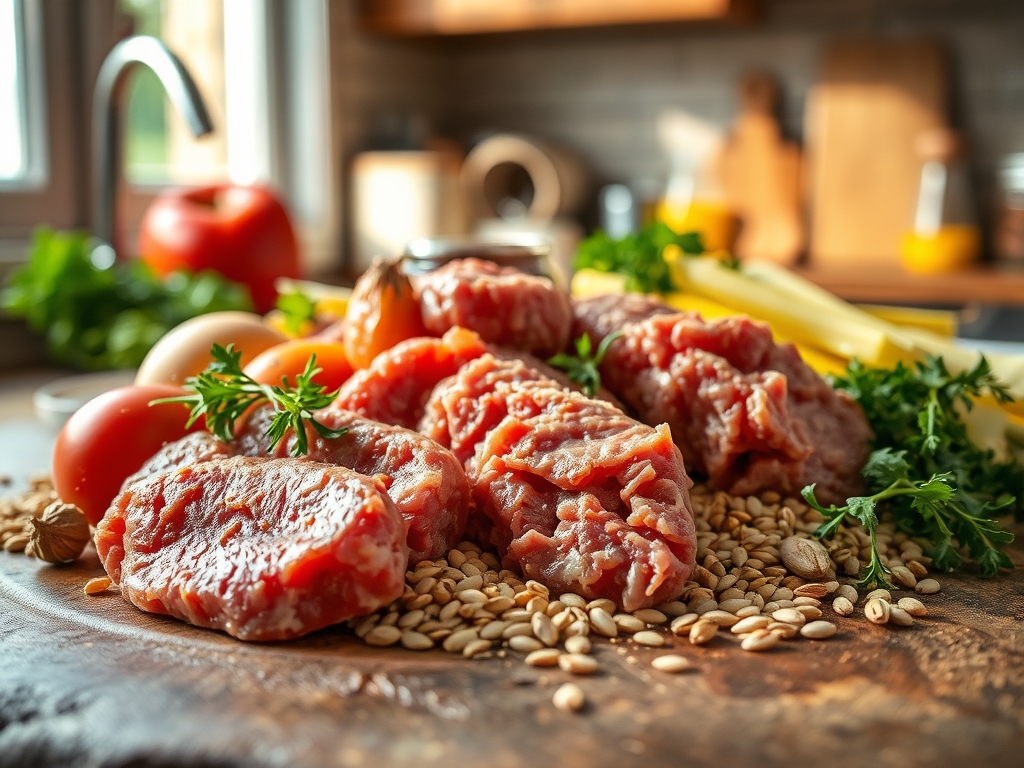
The Gathers:
Setting up your mise en place is the difference between a chaotic kitchen and a professional workflow. You will need a digital scale to ensure your 50/50 or 70/30 ratios are precise. Use a microplane for your aromatics like garlic and ginger; this creates a fine paste that distributes flavor evenly without leaving chunky bits that might burn.
For the liquids, keep a small saucier nearby to warm your beef stock or heavy cream. Cold liquids can shock the fats in your meat blend and cause them to seize. You will also need a bench scraper to tidy your workspace and move chopped herbs like flat leaf parsley or Thai basil.
Smart Substitutions:
If you find yourself without ground pork, ground veal is a classic substitute for a more delicate flavor profile. For those looking to lighten the caloric load, ground turkey can stand in for pork, provided you add a teaspoon of neutral oil to replace the missing lipids. If you are avoiding beef, ground lamb offers a gamey, piquant alternative that pairs beautifully with the sweetness of pork. Always remember that the fat content is the most important variable; aim for a total fat percentage of 15 to 20 percent for the best mouthfeel.
The Clock
Efficiency in the kitchen is about the Chef's Flow. This is the art of overlapping tasks so that no second is wasted.
Prep Time: 20 Minutes. This includes your knife work, measuring spices, and tempering your meat. Never cook meat straight from the fridge; let it sit for fifteen minutes to ensure an even cook.
Cook Time: 30 to 45 Minutes. This varies depending on whether you are searing meatballs or simmering a thick bolognese.
Total Time: Approximately 65 Minutes.
The Flow works like this: start by dicing your aromatics. While the pan heats, portion your meat. While the meat renders, clean your prep station. By the time the meal is resting, your kitchen is already spotless.
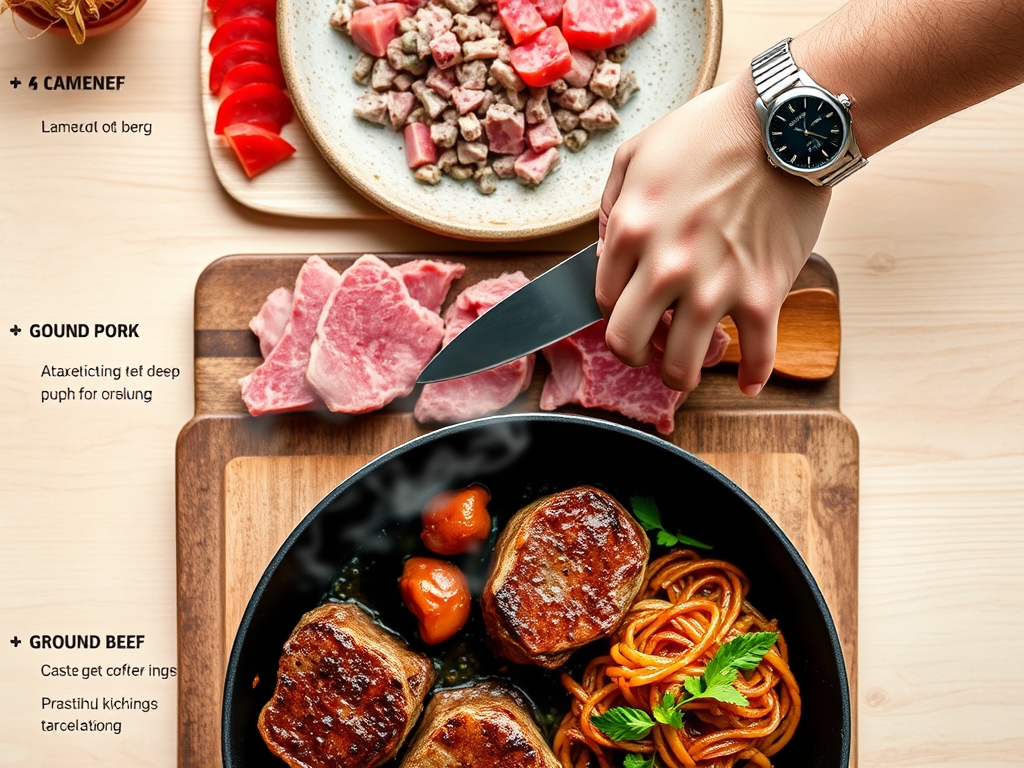
The Masterclass
1. The Tempering Phase
Take your ground pork and beef out of the refrigerator and place them in a stainless steel mixing bowl. Use your hands or a sturdy spatula to gently combine them without overworking the proteins.
Pro Tip: This prevents protein cross-linking. If you handle the meat too much while it is cold, the proteins bond too tightly, resulting in a rubbery texture rather than a tender crumble.
2. The Sear and Render
Heat a heavy bottomed skillet over medium high heat. Add a small amount of high smoke point oil. Add the meat in batches, ensuring you do not crowd the pan. Use metal tongs to flip larger chunks.
Pro Tip: This facilitates the Maillard reaction. Crowding the pan creates steam, which boils the meat. A dry, hot surface is required for the chemical reaction between amino acids and reducing sugars that creates that deep brown crust.
3. Aromatics and Infusion
Once the meat is browned, push it to the edges of the pan and drop your minced garlic, onions, or shallots into the center. Use the rendered fat to fry these aromatics until they are translucent and fragrant.
Pro Tip: This is fat soluble flavor extraction. Many of the aromatic compounds in garlic and onions are not water soluble; they require a lipid medium to fully release their flavor profile into the dish.
4. The Deglaze
Pour a splash of dry white wine, vermouth, or beef stock into the hot pan. Use a wooden spoon to scrape up all the brown bits (the fond) stuck to the bottom.
Pro Tip: The fond contains concentrated umami compounds. Deglazing incorporates these caramelized proteins back into your sauce, creating a complex, viscous base that coats the back of a spoon.
5. The Gentle Simmer
Lower the heat and add your liquid base, whether it is crushed tomatoes or a rich demi-glace. Cover the pan and let it simmer.
Pro Tip: This allows for collagen breakdown. Even in ground meats, small amounts of connective tissue exist. A slow simmer transforms these into gelatin, which gives your sauce a silky, luxurious texture.
6. The Final Seasoning
Just before serving, add your fresh herbs and a squeeze of lemon juice or a dash of vinegar. Taste and adjust your salt levels.
Pro Tip: This is about acid balance. A heavy meat dish can feel "flat" on the palate. Adding acid at the end brightens the flavors and cuts through the richness of the pork fat.
7. The Rest
Remove the pan from the heat and let the dish sit for five minutes before serving.
Pro Tip: This accounts for thermal carryover. The internal temperature will continue to rise by a few degrees after it is removed from the heat, ensuring the meat is perfectly cooked without becoming dry.
The Deep Dive
Macro Nutrition:
A standard 4 ounce serving of a 50/50 pork and beef blend contains approximately 280 calories, 22 grams of protein, and 20 grams of fat. It is a powerhouse of Vitamin B12, Zinc, and Selenium.
Dietary Swaps:
- Vegan: Use a mix of crumbled tempeh and rehydrated textured vegetable protein (TVP) with a dash of liquid smoke.
- Keto: This blend is naturally keto friendly. Serve over zoodles or riced cauliflower.
- Gluten-Free: Ensure your thickeners are cornstarch or arrowroot powder rather than flour.
The Fix-It:
- Too Greasy: If your meat releases too much fat, do not drain it all. Use a crumpled paper towel held by tongs to dab away the excess, leaving just enough to coat the pan.
- Too Dry: If the meat looks chalky, stir in a tablespoon of cold butter or a splash of heavy cream to re-emulsify the sauce.
- Bland Flavor: Add a teaspoon of fish sauce or Worcestershire sauce. These are "umami bombs" that deepen the savory profile without making the dish taste like fish.
Meal Prep:
To maintain "day one" quality, store your meat in airtight glass containers. When reheating, add a tablespoon of water or stock before microwaving. This creates steam that prevents the proteins from becoming tough and "rubbery."
The Wrap-Up
Mastering ground pork and ground beef recipes is a fundamental skill that elevates your home cooking from "fine" to "phenomenal." By understanding the science of fat ratios and the importance of the Maillard reaction, you have unlocked a world of culinary possibilities. Go forth, grab your skillet, and start experimenting with these savory, hearty blends. Your dinner table will never be the same!
The Kitchen Table
Why mix pork and beef together?
Beef provides a robust, savory structure while pork adds essential fats and a softer texture. This combination ensures your dishes remain moist and flavorful, preventing the "grainy" mouthfeel that sometimes occurs with 100 percent lean beef.
Can I freeze this meat blend?
Yes. Wrap the blend tightly in plastic wrap and then place it in a freezer bag to prevent freezer burn. It will stay fresh for up to three months. Thaw it slowly in the refrigerator before cooking.
What is the best fat ratio for meatballs?
A 70/30 ratio (70 percent lean, 30 percent fat) is ideal. Since meatballs are baked or simmered, they need higher fat content to stay tender and juicy throughout the longer cooking process.
How do I know when the meat is done?
Use an instant read digital thermometer. For ground meat blends, you are looking for an internal temperature of 160 degrees Fahrenheit. This ensures food safety while maintaining the optimal moisture levels within the protein.