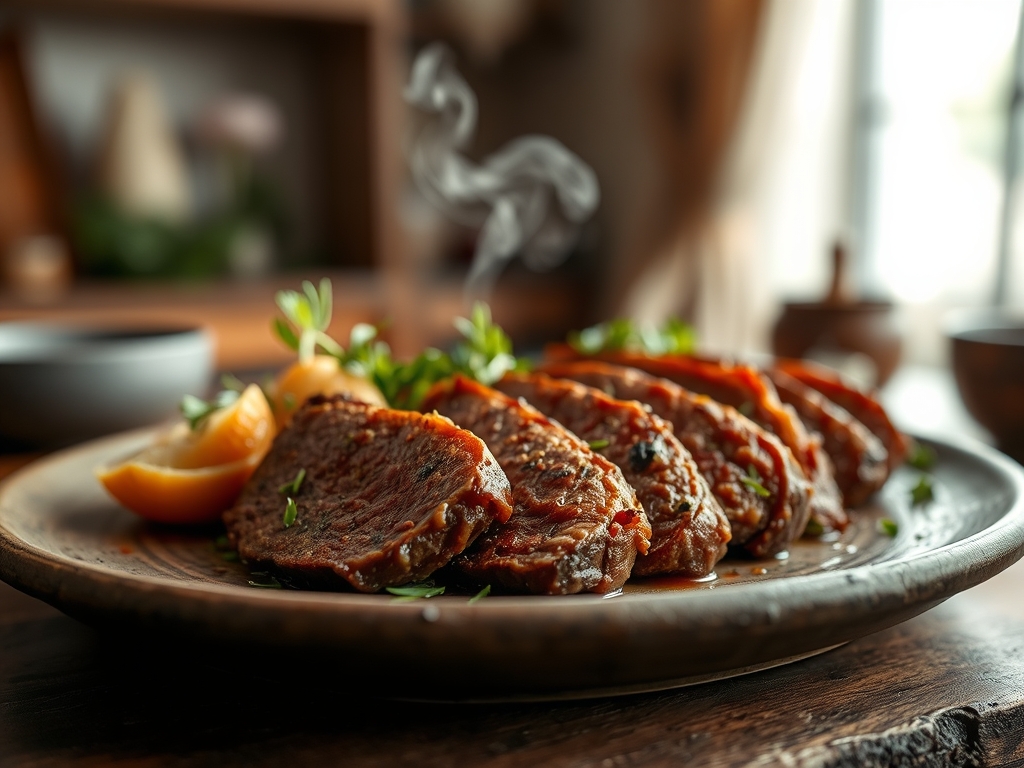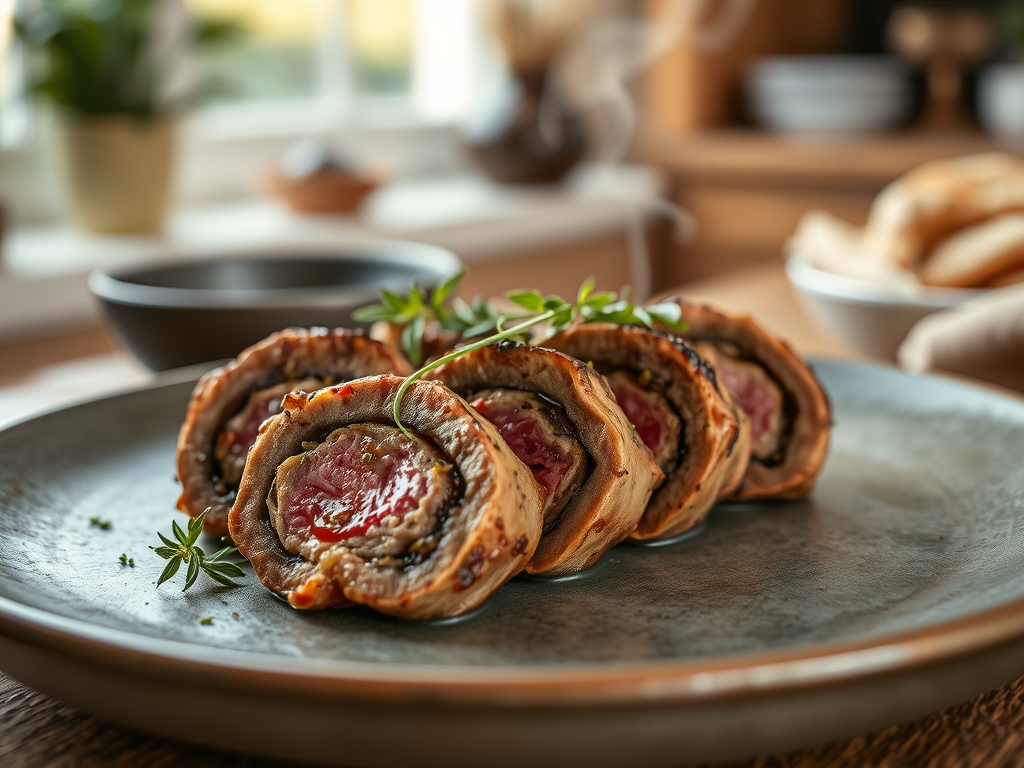
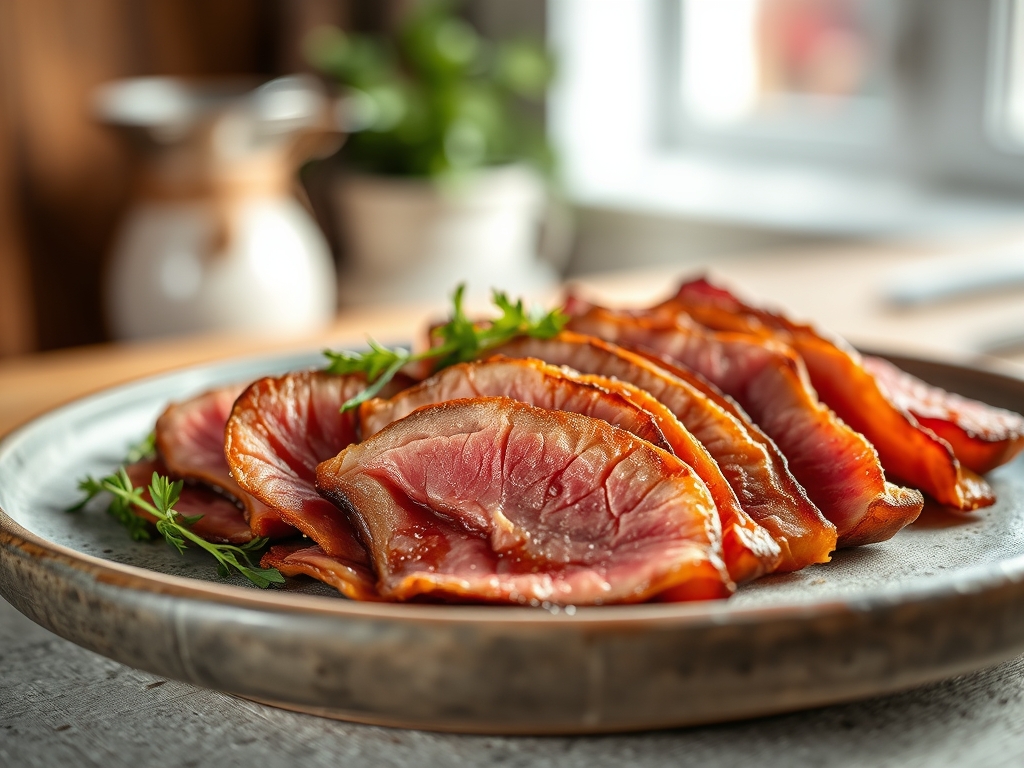
Picture the scent of seared iron and toasted peppercorns swirling through your kitchen as a heavy-bottomed skillet begins to hum with heat. We are chasing that elusive, melt-in-your-mouth texture found in the most elite thin sliced roast beef recipes. Achieving this requires more than just high heat; it demands a fundamental understanding of protein denaturation and the delicate balance of moisture retention within the muscle fibers.
The secret to a perfect sandwich or stir-fry is not just the cut, but the strategy. When you master the art of the thin slice, you unlock a world of culinary versatility. We are talking about beef so tender it practically dissolves, coated in a glossy, piquant sauce that clings to every crevice. Forget the chewy, grey strips of your past. Today, we are elevating your home cooking to a professional standard by leveraging chemistry and precision. Whether you are aiming for a classic French Dip or a modern fusion bowl, these ten tips will transform your approach to beef forever.
The Gathers:
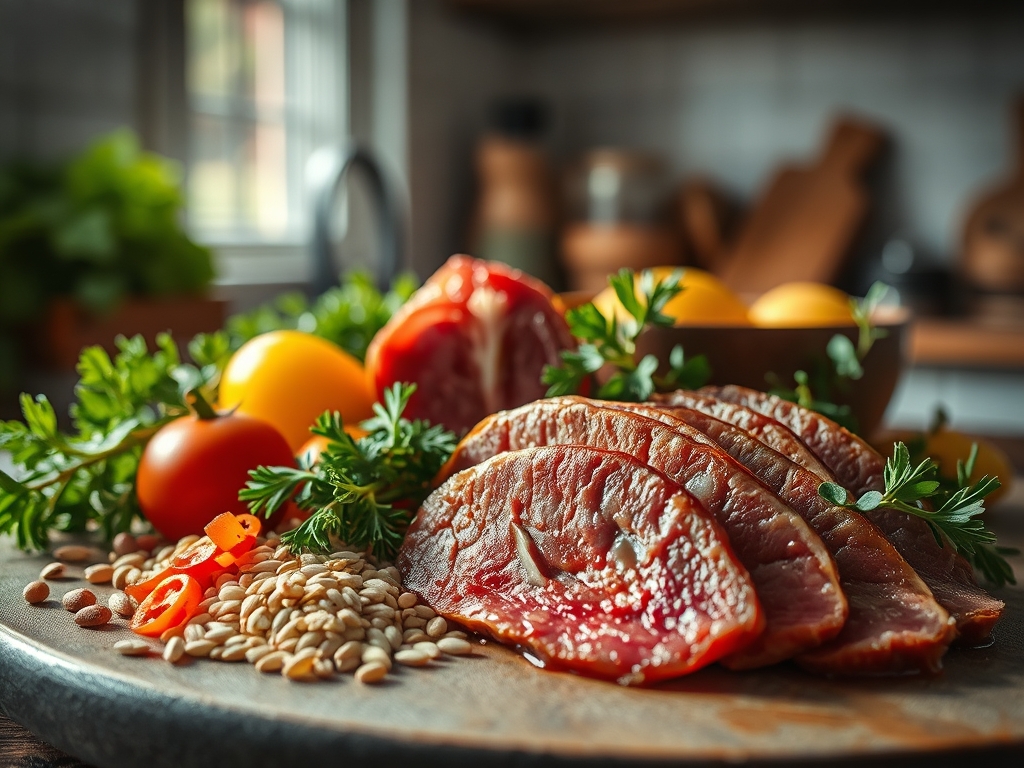
Before we ignite the burner, your mise-en-place must be flawless. Professional cooking is a game of seconds, and thin beef waits for no one. Start with a high-quality cut like top round, sirloin tip, or eye of round. These leaner cuts are ideal because they possess a uniform grain structure that is easy to navigate with a sharp knife. You will need a digital scale to ensure your portions are consistent, which is vital for even cooking times across the batch.
For the marinade, think in terms of molecular impact. You need a viscous liquid to coat the meat, such as a high-quality soy sauce or a balsamic reduction. Include a piquant element like Dijon mustard or grated horseradish to provide a sharp counterpoint to the rich fats. Smart Substitutions are your best friend here. If you lack mirin for sweetness, a splash of honey or agave works beautifully to encourage the Maillard reaction. If you are avoiding soy, liquid aminos offer that same savory depth without the gluten. Do not forget your aromatics; use a microplane to zest garlic and ginger directly into the bowl, ensuring the essential oils infuse the liquid rather than sitting on top.
The Clock:
The "Chef's Flow" for thin sliced roast beef recipes is all about front-loading the labor. Your active preparation time will take approximately 20 minutes, primarily focused on the precision slicing and whisking of the marinade. However, the beef requires a mandatory 30 to 60 minute chill in the freezer prior to slicing. This firming period is non-negotiable for achieving paper-thin results.
The actual cook time is shockingly brief. We are looking at a window of 90 seconds to three minutes depending on your heat source. Because thin beef has a high surface-area-to-volume ratio, it reaches its target internal temperature almost instantly. The rest of your time, roughly 10 minutes, should be dedicated to the "carryover rest." This allows the muscle fibers to relax and reabsorb the juices that were pushed to the center during the thermal shock of the pan.
The Masterclass:
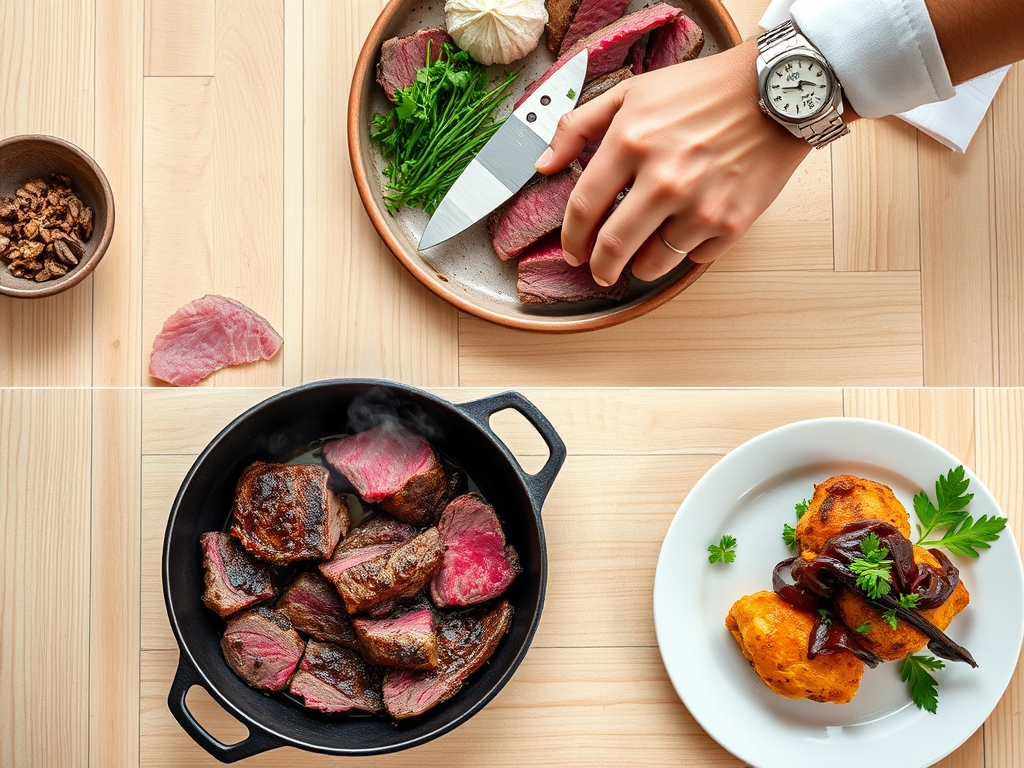
1. The Partial Freeze
Place your beef in the freezer for 45 minutes before you even touch a knife. You want the exterior to be firm but not solid ice. This increases the structural integrity of the fat and muscle, allowing for translucent slices.
Pro Tip: This is about mechanical resistance. When the water molecules in the beef begin to form micro-crystals, the meat becomes rigid enough to resist the pressure of the blade, preventing the "shredding" effect common with room-temperature protein.
2. Slicing Against the Grain
Locate the long fibers of the muscle and position your knife perpendicular to them. Use a long, slicing motion rather than a sawing action. Use a bench scraper to neatly move your piles of beef into your marinating vessel.
Pro Tip: Slicing against the grain shortens the collagen strands. By physically breaking these tough fibers before they hit the heat, you ensure that the teeth have less work to do, creating the illusion of extreme tenderness.
3. The Velveting Technique
Toss your sliced beef with a small amount of cornstarch and egg white before cooking. This Chinese culinary secret creates a protective barrier around the meat, locking in moisture.
Pro Tip: This creates a gelatinous starch sheath. This barrier insulates the delicate proteins from the direct, aggressive heat of the pan, preventing the fibers from tightening too quickly and squeezing out their internal juices.
4. High Smoke Point Fats
Use an oil with a high smoke point, such as avocado or grapeseed oil, in a heavy-bottomed skillet. Do not use butter or extra virgin olive oil for the initial sear, as they will burn and turn bitter.
Pro Tip: You are aiming for lipid stability. High smoke point oils allow the pan to reach temperatures above 400 degrees Fahrenheit, which is the "sweet spot" for triggering the Maillard reaction without producing carcinogenic smoke.
5. Small Batch Searing
Never crowd the pan. Cook the beef in small batches to ensure the temperature of the skillet stays consistently high. If you add too much meat at once, the temperature drops and the meat begins to steam in its own juices.
Pro Tip: This prevents thermal crashing. Maintaining high kinetic energy in the pan ensures that moisture evaporates the moment it hits the surface, allowing for a crisp, brown crust rather than a grey, boiled texture.
6. The Deglaze
Once the beef is removed, use a liquid like beef stock, wine, or even a splash of water to lift the browned bits (the fond) from the bottom of the pan. Use a saucier or a flat-edged wooden spoon to scrape the surface.
Pro Tip: This is the extraction of concentrated umami. The fond is a goldmine of flavor molecules created during browning. Incorporating it back into a sauce ensures your thin sliced roast beef recipes have professional depth.
7. Temperature Monitoring
Use an infrared thermometer to check your pan heat, but rely on your eyes for the beef. Thin beef is done the moment the pink disappears. Remove it immediately to a warm plate.
Pro Tip: Account for thermal carryover. The internal temperature will continue to rise by 5 to 10 degrees after the meat is removed from the pan. Pulling the beef "early" ensures it lands at a perfect medium-rare.
8. Acid Balance
Finish your beef with a squeeze of fresh lemon juice or a dash of high-quality vinegar. This cuts through the richness of the fat and brightens the overall profile of the dish.
Pro Tip: Acid acts as a flavor potentiator. It stimulates the salivary glands and balances the pH of the dish, making the savory notes of the beef feel more vibrant and less heavy on the palate.
9. Resting the Meat
Even thin slices need to rest. Cover the plate loosely with foil for three minutes before serving or adding to a sandwich.
Pro Tip: This allows for re-absorption of solutes. As the temperature stabilizes, the protein structure relaxes, allowing the moisture to redistribute evenly through the meat rather than spilling out onto the plate.
10. Aerate the Sauce
If you are serving the beef with a jus or gravy, use a whisk to vigorously aerate the liquid just before serving. This lightens the texture and ensures the flavors hit the palate more quickly.
Pro Tip: Aeration increases the surface area of the liquid, which enhances the volatile aromatic compounds. This makes the dish smell more intense and taste more complex.
The Deep Dive:
When we look at the macro nutrition of thin sliced roast beef recipes, we see a powerhouse of efficiency. A standard 4-ounce serving provides roughly 25 grams of high-quality protein with minimal carbohydrates. If you are following a Keto lifestyle, lean into the fats by finishing your beef with a compound herb butter. For Vegan guests, you can apply these same slicing and marinating techniques to seitan or large portobello mushrooms to mimic the texture.
The Fix-It:
- Beef is Chewy: You likely sliced with the grain. Fix this by slicing the cooked strips into smaller, bite-sized pieces across the grain before serving.
- Beef is Grey: The pan was too cold. Next time, wait for the oil to shimmer and slightly smoke before adding the meat.
- Sauce is Too Thin: Create a slurry with one teaspoon of cornstarch and cold water. Whisk it into the boiling sauce to instantly increase the viscosity.
Meal Prep: To reheat thin sliced beef without turning it into rubber, avoid the microwave. Instead, flash-sear it in a hot pan for 30 seconds with a tablespoon of water or stock to create steam, which gently rehydrates the fibers.
The Wrap-Up:
Mastering thin sliced roast beef recipes is your ticket to becoming the most confident cook in the room. By focusing on the science of the slice and the precision of the sear, you turn a simple ingredient into a gourmet experience. Remember, the kitchen is your laboratory; do not be afraid to experiment with different aromatics or acids to find your signature flavor. Now, grab that skillet and show those protein fibers who is boss!
The Kitchen Table:
What is the best cut for thin sliced roast beef?
Top round or eye of round are the gold standards. They are lean, affordable, and have a consistent grain that makes precision slicing easy. Sirloin tip is a great runner-up for a slightly richer flavor profile.
How do I slice beef paper-thin at home?
Freeze the beef for 45 to 60 minutes until firm but not solid. Use a very sharp chef's knife or a long carving knife, and let the blade do the work with long, smooth strokes.
Why does my thin beef always turn out tough?
You are likely overcooking it or slicing with the grain. Thin beef cooks in under two minutes. Remove it from the heat while it still has a hint of pink to account for carryover cooking.
Can I make thin sliced beef ahead of time?
Yes, but store it in its juices to prevent oxidation. Reheat it quickly in a hot pan with a splash of liquid rather than using a microwave to maintain the delicate texture and moisture.