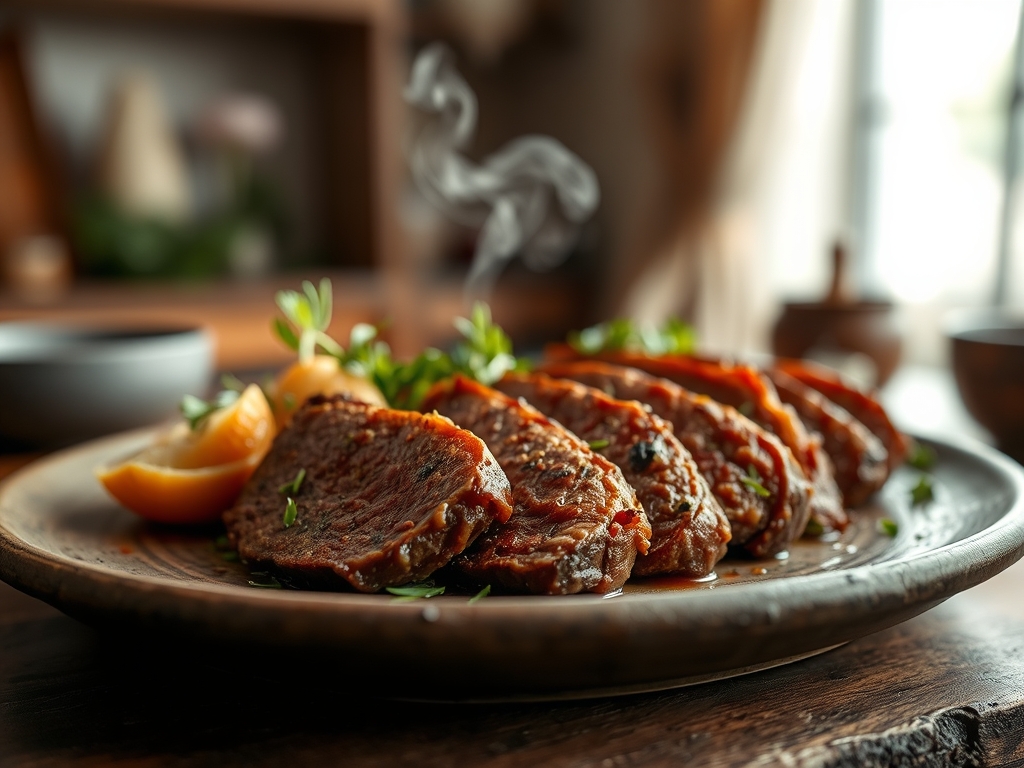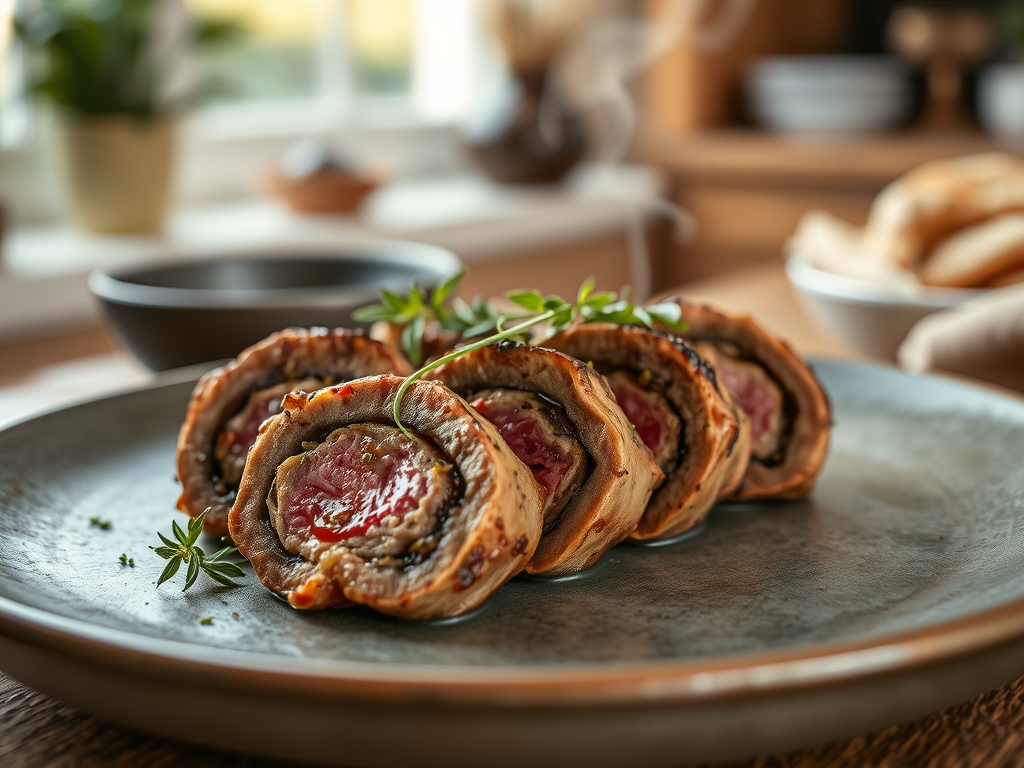
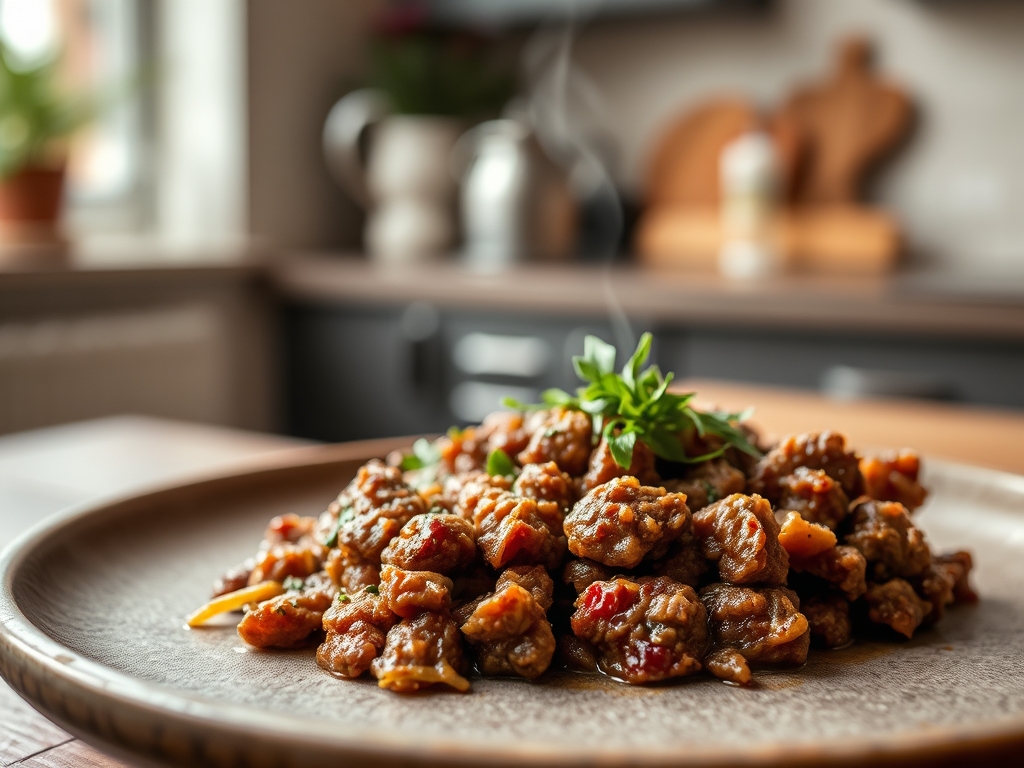
Picture the sound of a heavy-bottomed cast iron skillet meeting a flame; that sharp, rhythmic hiss as cold protein hits a searing surface. We are chasing that perfect crust today. If you have been searching for low carb high protein ground beef recipes that actually satisfy a primal hunger, you have found the laboratory. We are moving past the bland, grey crumbles of yesterday. We are talking about deep umami, rendered fats that coat the palate, and the kind of nutrient density that fuels a long day without the dreaded insulin spike.
The secret to mastering ground beef is not just the meat itself; it is the manipulation of heat and moisture. When we strip away the fillers like breadcrumbs or pasta, we are left with a blank canvas of pure amino acids. By leveraging the Maillard reaction, we turn humble ground chuck into a gourmet foundation. This is where science meets the dinner plate. We are going to explore seven distinct ways to hack your beef, ensuring every bite is a high-protein masterpiece that keeps your macros in check and your taste buds electrified. Grab your apron; we are going to get technical.
The Gathers:
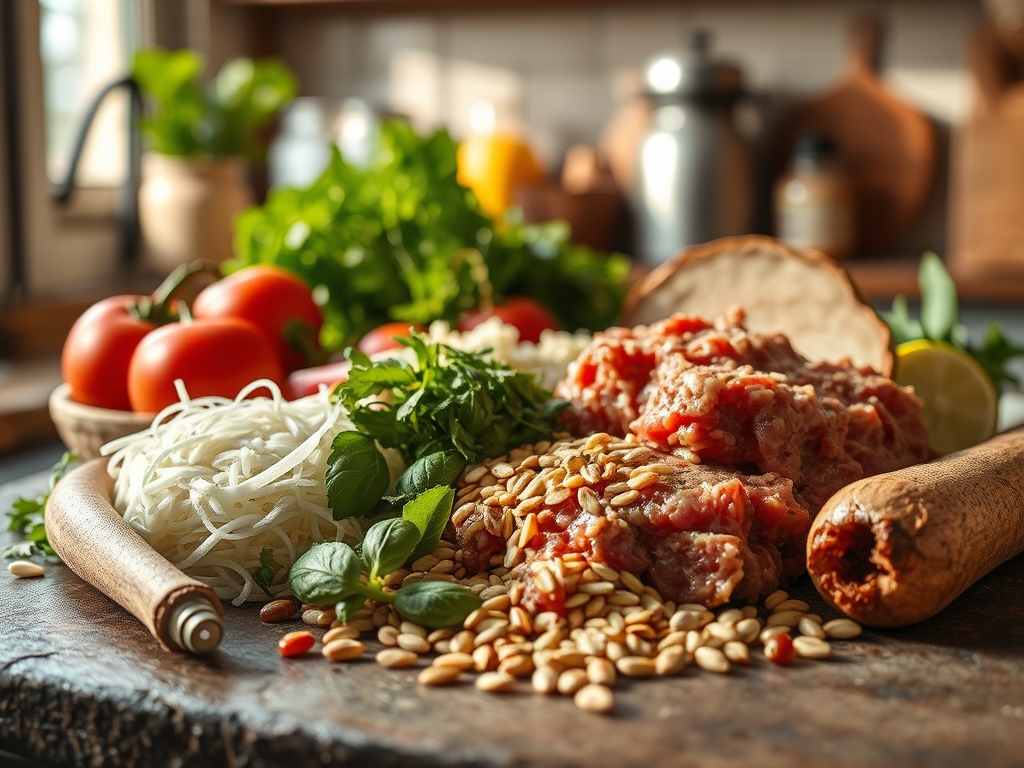
To begin, we must respect the mise-en-place. Your workstation should feature 80/20 or 90/10 ground grass-fed beef, which offers a superior omega-3 profile compared to grain-finished alternatives. You will need a digital scale to ensure precise macro-tracking. Gather your aromatics: piquant garlic cloves, shallots for a delicate sulfurous bite, and fresh herbs like rosemary or thyme to infuse the lipids during the cooking process.
Smart Substitutions are the backbone of the low-carb world. Instead of cornstarch for thickening, we use xanthan gum or a reduction technique to achieve a viscous sauce. Replace sugar-laden ketchup with tomato paste and a splash of apple cider vinegar to provide that essential acidic lift. For texture, skip the croutons and opt for toasted walnuts or pepitas. You will also need a microplane for zesting citrus or grating hard cheeses like Pecorino Romano, which adds a massive salty punch without the carbs.
The Clock:
Efficiency in the kitchen is about "Chef's Flow." This is the art of overlapping tasks to minimize downtime. Expect a total active prep time of 15 minutes and a cook time ranging from 10 to 20 minutes depending on the specific hack. The goal is to maximize the surface area of the beef quickly to prevent steaming.
The flow begins with the heavy-bottomed skillet preheating. While the metal absorbs thermal energy, you dice your aromatics. By the time your prep is done, the pan is at the smoke point. We cook in batches to maintain high heat; crowding the pan drops the temperature, leading to grey, boiled meat rather than a crisp sear. This systematic approach ensures you are sitting down to a hot meal in under 30 minutes.
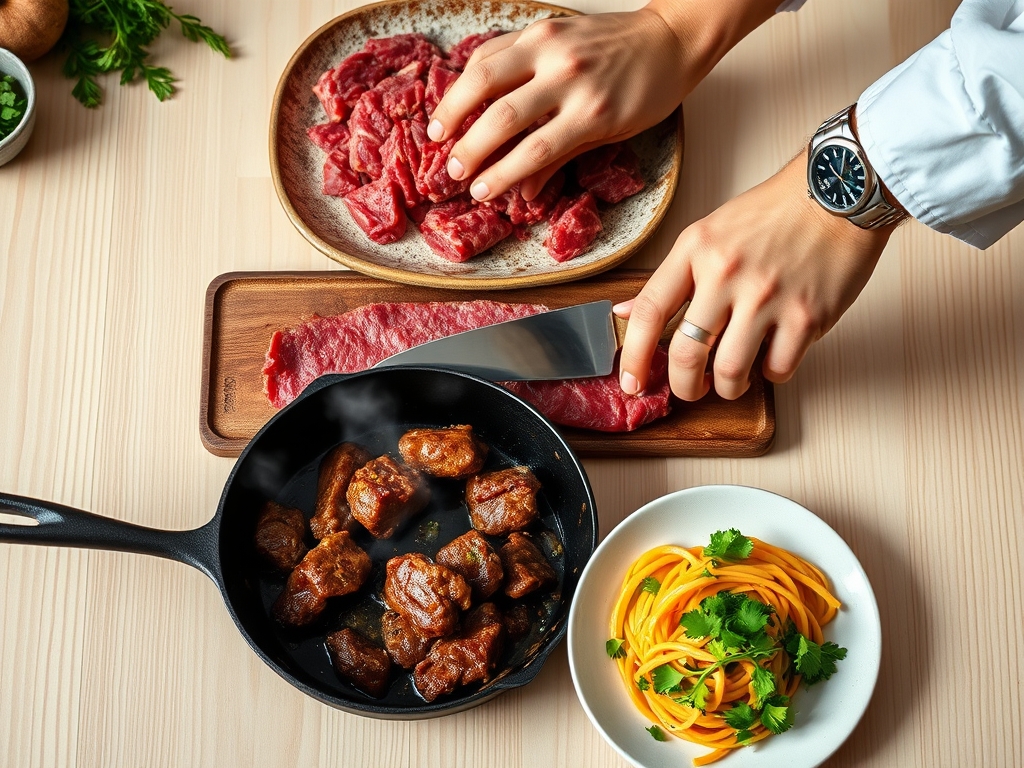
The Masterclass:
1. The High-Heat Sear
Place your beef in a dry, preheated skillet. Do not move it for at least three minutes. Use a bench scraper to flip large sections once a dark brown crust forms.
Pro Tip: This is the Maillard reaction, a chemical reaction between amino acids and reducing sugars that creates hundreds of different flavor compounds. Moving the meat too early prevents this crust from developing.
2. Deglazing the Fond
Once the meat is browned and removed, you will see brown bits stuck to the pan. Pour in a splash of beef bone broth or dry red wine and scrape the bottom with a wooden spoon.
Pro Tip: This process captures the fond, which is concentrated flavor. The liquid acts as a solvent, pulling those caramelized proteins back into a sauce, increasing the nutrient density of the dish.
3. Emulsifying the Fats
Add a cold pat of grass-fed butter or a tablespoon of heavy cream to your deglazed liquid while whisking vigorously with a saucier.
Pro Tip: You are creating a stable emulsion. The fats wrap around the liquid molecules, creating a silky mouthfeel that mimics the richness of high-carb sauces without the starch.
4. Aerating the Aromatics
Push your meat to the edges and drop your minced garlic and ginger into the center fat. Sauté for only 30 seconds until fragrant.
Pro Tip: This is called blooming. Heat releases the essential oils within the spices, making the flavors more volatile and aromatic, which tricks the brain into feeling more satisfied with the meal.
5. The Acidic Finish
Just before serving, squeeze fresh lemon juice or add a teaspoon of white wine vinegar over the beef.
Pro Tip: Acid acts as a flavor brightener. It cuts through the heavy viscous nature of the beef fat, balancing the pH of the dish and making the protein flavors "pop" on the palate.
6. Resting the Protein
Transfer the beef to a warm plate and let it sit for three to five minutes before the final assembly.
Pro Tip: This allows for thermal carryover. The internal temperature continues to rise slightly, and the muscle fibers relax, allowing the juices to redistribute so they do not leak out when you take your first bite.
7. The Microplane Garnish
Finish with a dusting of aged parmesan or cured egg yolk using your microplane.
Pro Tip: Adding a dry, fermented protein at the end provides a hit of umami, the fifth taste. This creates a synergistic effect with the beef, making the high-protein profile feel even more indulgent.
The Deep Dive:
When we look at the macros, a standard 6-ounce serving of these hacks provides roughly 42 grams of protein and 0 to 2 grams of net carbs. The caloric density comes primarily from healthy fats, which promote satiety. For those with dietary restrictions, these recipes are naturally gluten-free. To make them keto-compliant, increase the butter or avocado oil. For a vegan-adjacent swap, though the focus is beef, you can apply the same searing techniques to crumbled tempeh, though the fat rendering will differ.
The Fix-It: If your beef is "swimming" in liquid, you likely overcrowded the pan; drain the liquid, wipe the pan, and start the sear again in smaller batches. If the meat is too tough, you likely used a lean blend and overcooked it; next time, pull the meat at 160 degrees Fahrenheit and rely on carryover cooking. If the flavor is flat, you missed the acid step; add vinegar or salt to recalibrate.
For meal prep, reheating science is vital. Avoid the microwave, which rubberizes protein. Instead, use a small saucier with a tablespoon of broth over medium heat. This "steams" the beef back to life, maintaining the moisture levels and ensuring day-one quality on day three.
The Wrap-Up:
Mastering low carb high protein ground beef recipes is about more than just surviving a diet; it is about thriving through culinary technique. By focusing on the chemistry of the sear and the balance of acidity, you transform a basic ingredient into a high-performance fuel. You now have the tools, from the digital scale to the heavy-bottomed skillet, to execute these hacks with professional precision. Go forth and sear with confidence; your muscles and your taste buds will thank you.
The Kitchen Table:
How do I prevent ground beef from getting dry?
Use a higher fat ratio like 80/20 and avoid over-handling the meat. Cook in a preheated skillet to sear the outside quickly, and always allow the meat to rest for a few minutes to retain its internal juices.
Can I freeze these high-protein beef meals?
Yes. Allow the cooked beef to cool completely to prevent ice crystal formation. Store in airtight containers for up to three months. Reheat slowly in a pan with a splash of water or broth to restore the original texture.
What is the best way to add flavor without carbs?
Focus on dry spices, fresh herbs, and fermented ingredients. Smoked paprika, cumin, and fresh rosemary provide deep flavor profiles. Use acidic components like vinegar or citrus juice to brighten the dish without adding sugars or starches.
Why is my ground beef grey instead of brown?
Grey meat is a sign of steaming rather than searing. This happens when the pan is not hot enough or is too crowded. Cook in smaller batches and ensure the skillet is at a high temperature before adding the protein.