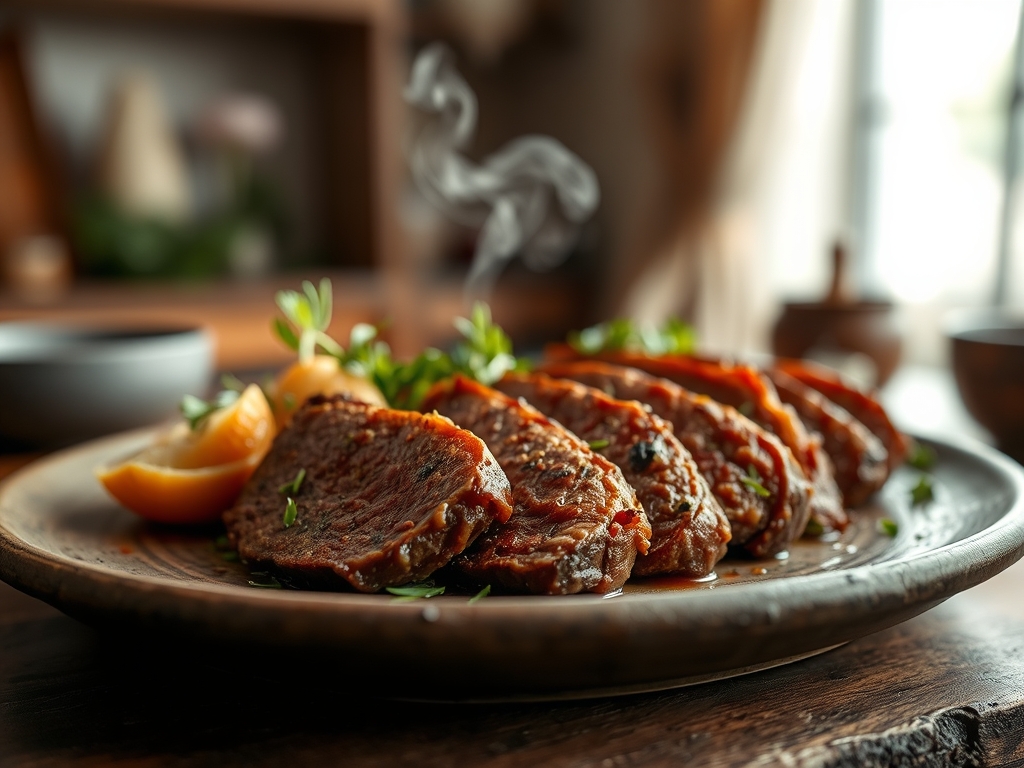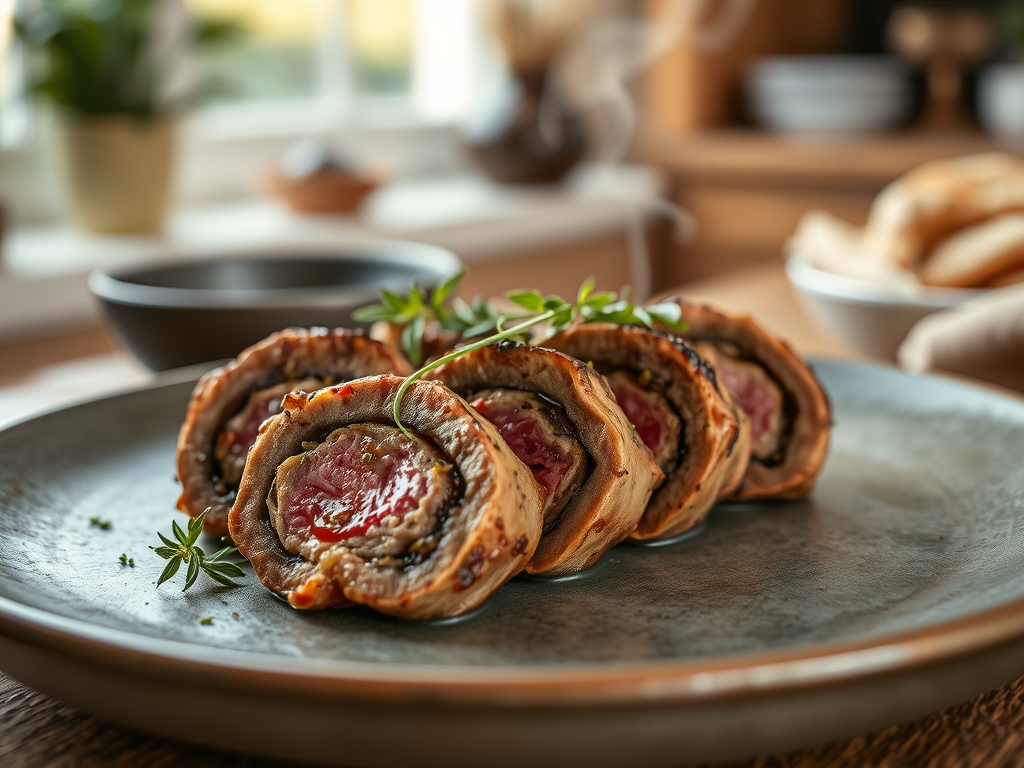
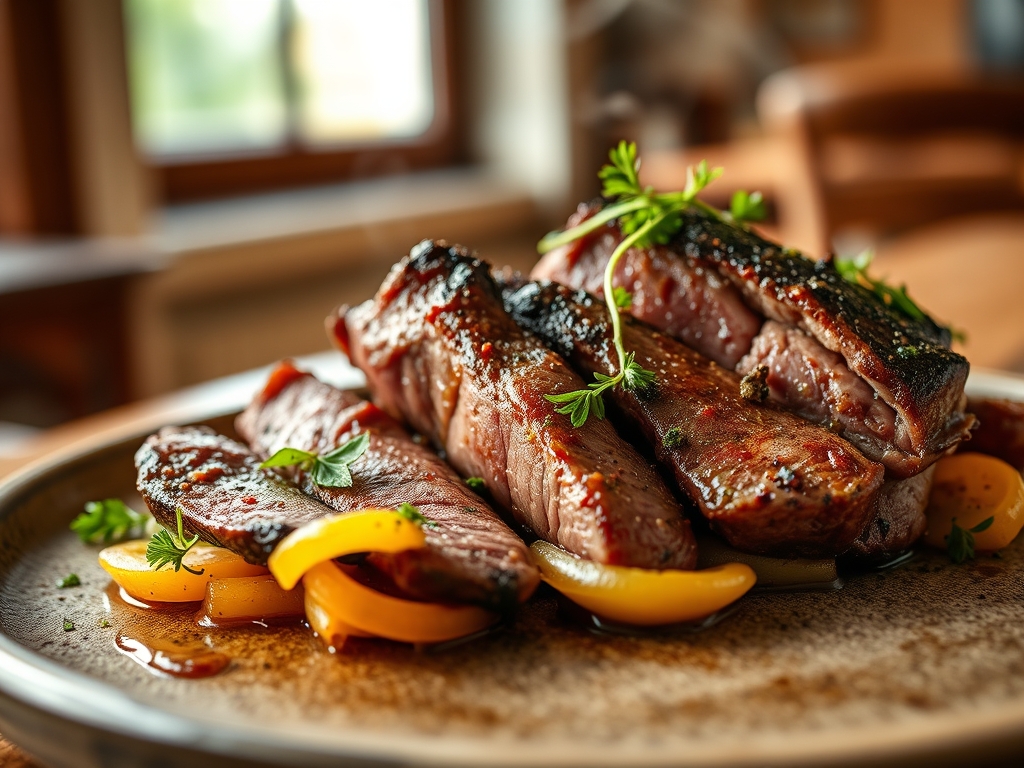
Picture the scene: a quiet Sunday afternoon where the air is thick with the scent of hickory smoke and the low, rhythmic hum of your wood pellet grill. There is something deeply primal and infinitely sophisticated about mastering the perfect crust. When you dive into the world of traeger roast beef recipes; you are not just cooking dinner; you are conducting a symphony of carbon, protein, and heat. The goal is a center that glows with a perfect, edge to edge pink hue, protected by a bark so dark and savory it shatters like glass under your knife. We are moving past the days of gray, overcooked meat. Today, we treat the beef like the centerpiece it is, utilizing precise temperature control to achieve a level of tenderness that feels almost illegal. Grab your favorite apron and a glass of something bold. We are about to transform a humble three pound eye of round or top sirloin into a masterpiece of modern barbecue science.
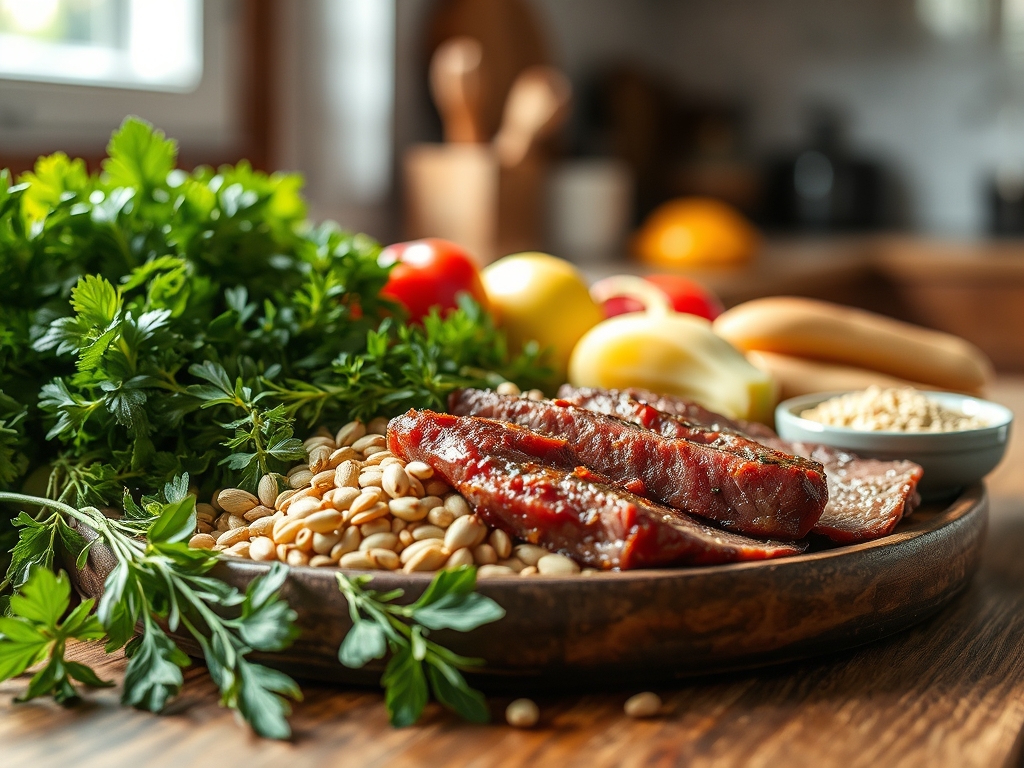
The Gathers:
To begin, your mise-en-place must be meticulous. We start with a four pound Top Round or Bottom Round roast, selected for its tight muscular grain which allows for thin, deli-style slicing. You will need a digital scale to measure out exactly 20 grams of coarse kosher salt; the large crystal size is essential for controlled surface area coverage. For the rub, gather whole black peppercorns to be cracked fresh in a mortar and pestle, dried garlic granules for a piquant punch, and smoked paprika to encourage a deep mahogany color.
The liquid components are just as vital. You will need a saucier to prepare a finishing jus using high-quality beef bone broth, a splash of Worcestershire sauce for umami depth, and a sprig of rosemary to infuse the fats. If you find yourself missing a traditional roast, "Smart Substitutions" include using a Tri-Tip for a more marbled, buttery texture, or swapping the garlic granules for fresh cloves processed through a microplane into a paste. For a heat kick, a teaspoon of horseradish powder mixed into the dry rub will aerate the flavor profile, adding a sharp nasal heat that cuts through the viscous rendered fats.
The Clock
Efficiency in the kitchen is about understanding the "Chef's Flow." Your total active preparation time is roughly 20 minutes, but the passive time is where the magic happens. You must account for a 24-hour "Dry Brine" period. This is non-negotiable for professional results. The actual smoking process on the Traeger will take approximately 2 to 3 hours depending on the ambient temperature and the density of the muscle. Finally, factor in a 30-minute mandatory rest period. If you slice too early, the internal pressure will force the juices out, leaving you with a dry, disappointing result. Respect the clock, and the beef will reward you.
The Masterclass
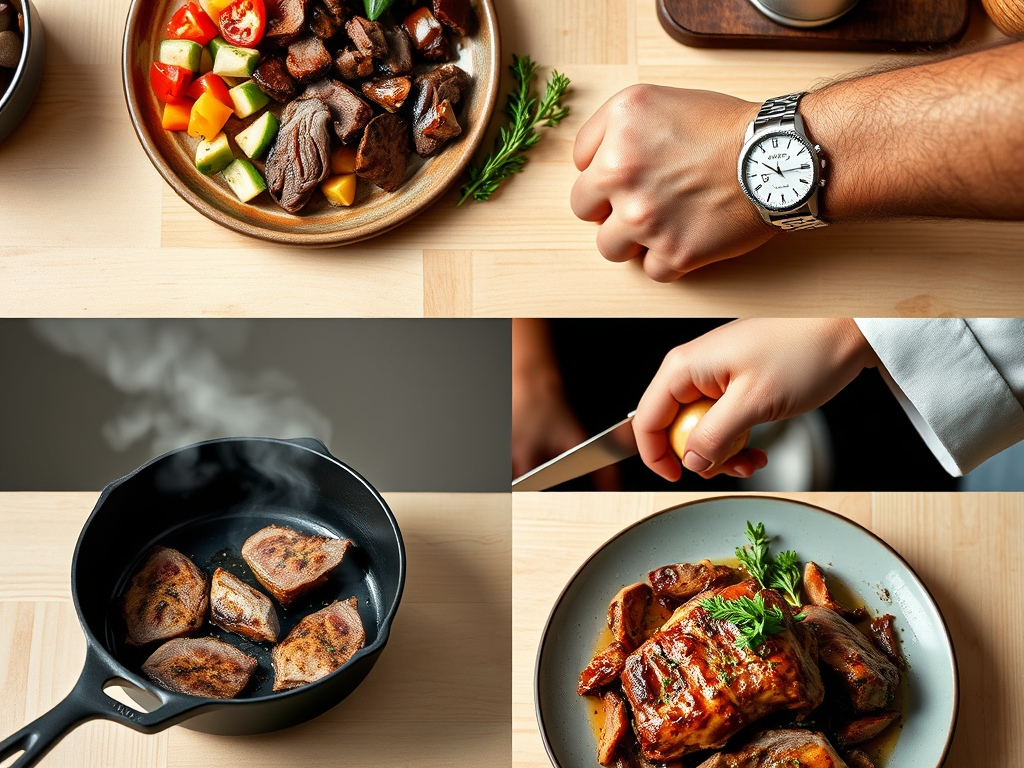
1. The Dry Brine Protocol
Coat every inch of the beef in kosher salt and place it on a wire rack over a sheet pan. Leave it uncovered in the refrigerator for at least 12 hours.
Pro Tip: This utilizes osmosis to draw moisture out, dissolve the salt, and then pull that seasoned brine back into the deep muscle fibers, seasoning the meat from the inside out while drying the surface for a better sear.
2. The Seasoning Anchor
Apply a thin layer of Dijon mustard as a binder, then coat heavily with your pepper and garlic rub. Use your hands to press the spices into the meat so they adhere during the convection process.
Pro Tip: The mustard acts as an emulsifier, helping the fat-soluble compounds in the spices stick to the meat, ensuring the bark does not flake off when you use your tongs to move the roast.
3. The Low and Slow Infusion
Set your Traeger to 225 degrees Fahrenheit. Place the beef directly on the grill grates. Insert a probe thermometer into the thickest part of the roast, avoiding any pockets of fat.
Pro Tip: Cooking at a low temperature prevents the exterior proteins from tightening too quickly. This allows the smoke rings to form as nitrogen dioxide from the wood pellets reacts with the myoglobin in the beef.
4. The Searing Finish
Once the internal temperature hits 120 degrees, remove the beef. Crank the Traeger to 450 degrees or use a heavy-bottomed skillet on the stove to sear the exterior for 2 minutes per side.
Pro Tip: This is the Maillard Reaction in action. By applying high heat at the end, you create hundreds of new flavor compounds through the reaction of amino acids and reducing sugars without overcooking the center.
5. The Saucier Deglaze
While the meat rests, take the drippings from your sear and add them to a saucier with beef stock and a splash of red wine. Use a whisk to incorporate the browned bits.
Pro Tip: This process, known as deglazing, captures the "fond" (the caramelized protein bits) which contains the highest concentration of savory flavor from the entire cook.
6. The Precision Rest
Place the roast on a wooden cutting board and tent loosely with foil. Do not wrap it tightly, or the carryover heat will steam the crust and make it soft.
Pro Tip: Thermal carryover will cause the internal temperature to rise by another 5 to 10 degrees. Resting allows the muscle fibers to relax and reabsorb the moisture that was pushed toward the center during cooking.
7. The Micro-Slice
Use a long, serrated bread knife or a dedicated slicing knife to cut the beef against the grain into paper-thin ribbons.
Pro Tip: Cutting against the grain shortens the muscle fibers, making even tougher cuts like bottom round feel incredibly tender on the palate.
8. The Presentation
Fan the slices out on a platter and drizzle with the warm jus. Garnish with fresh parsley and a sprinkle of flaky sea salt to make the flavors pop.
Pro Tip: Adding flaky salt at the very end provides a textural contrast and a burst of salinity that triggers the salivary glands, enhancing the perception of "juiciness."
The Deep Dive
From a macro nutrition perspective, a 4-ounce serving of this smoked roast beef provides roughly 28g of protein, 6g of fat, and 0g of carbohydrates, making it a powerhouse for muscle recovery. For "Dietary Swaps," Keto followers can enjoy this as is; while those seeking a Vegan alternative should look toward a smoked "Lion's Mane" mushroom roast using the same dry rub techniques. If you are Gluten-Free, ensure your Worcestershire sauce is certified, as some brands use barley malt.
"The Fix-It": If your meat is too tough, you likely sliced with the grain; always look for the direction of the muscle fibers and cut perpendicular to them. If the exterior is gray rather than dark, your grill temperature was too low or the surface was too wet; next time, use a bench scraper to ensure the surface is bone-dry before seasoning. If the meat is dry, you likely skipped the rest period.
For meal prep, reheating is a science. Avoid the microwave, which vibrates water molecules and toughens protein. Instead, wrap slices in foil with a tablespoon of broth and warm in a 300-degree oven until just heated through to maintain "day-one" quality.
The Wrap-Up
Mastering traeger roast beef recipes is a rite of passage for any backyard enthusiast. It is the perfect marriage of patience, temperature control, and high-quality ingredients. By understanding the molecular changes happening inside that silver skin and muscle fiber, you move from being a recipe-follower to a true culinary artist. Whether you are piling this beef onto toasted brioche buns or serving it alongside roasted root vegetables, the result is a testament to the power of wood-fired flavor. Now, go fire up that grill and show that roast who is boss!
The Kitchen Table
What is the best temperature for medium-rare roast beef?
For a perfect medium-rare, pull the beef off the Traeger when the internal temperature reaches 130 degrees Fahrenheit. After a ten-minute rest, the thermal carryover will bring the final temperature to a steady 135 degrees.
Can I use a frozen roast for this recipe?
It is not recommended. Thawing meat causes cell walls to rupture, leading to excessive moisture loss. For the best texture and infusion of smoke, always start with a completely thawed, room-temperature roast to ensure even heat distribution.
How do I get a better smoke ring?
Start with cold meat directly from the fridge. The nitrogen dioxide in the smoke penetrates cold, wet surfaces more effectively. This creates that iconic pink ring of myoglobin without affecting the final internal doneness of the beef.
Why is my roast beef rub falling off?
This usually happens because the surface was too dry or you skipped the binder. Using a thin layer of Dijon mustard or olive oil acts as an emulsifier, creating a tacky surface that anchors the spices during the long smoke.