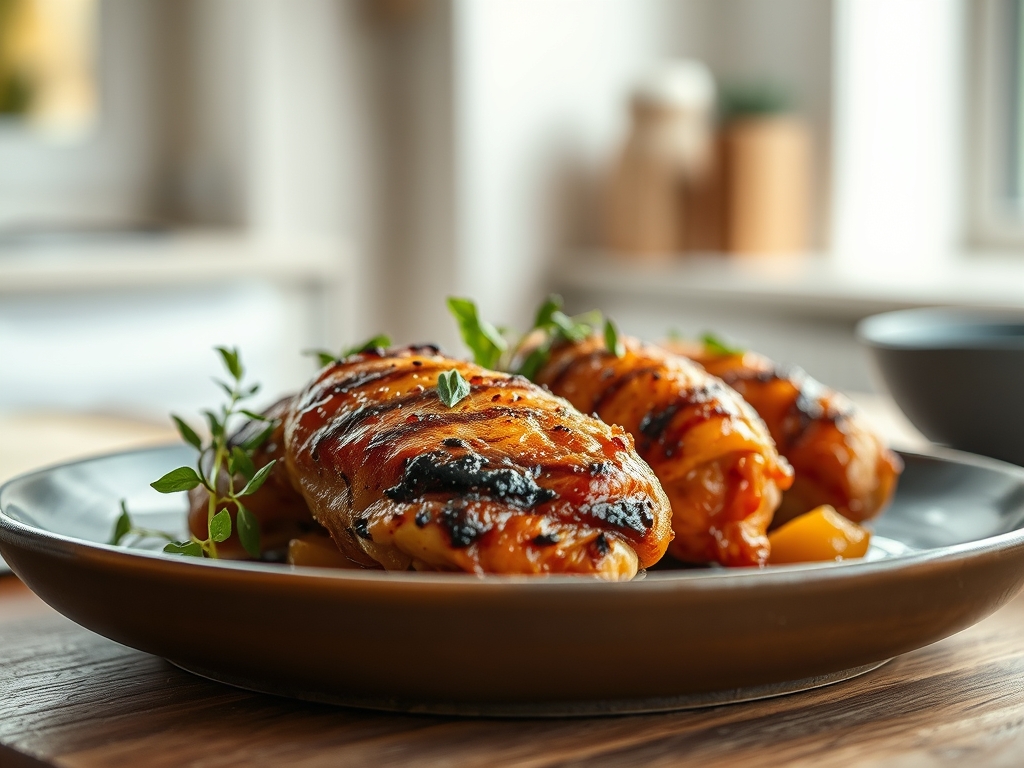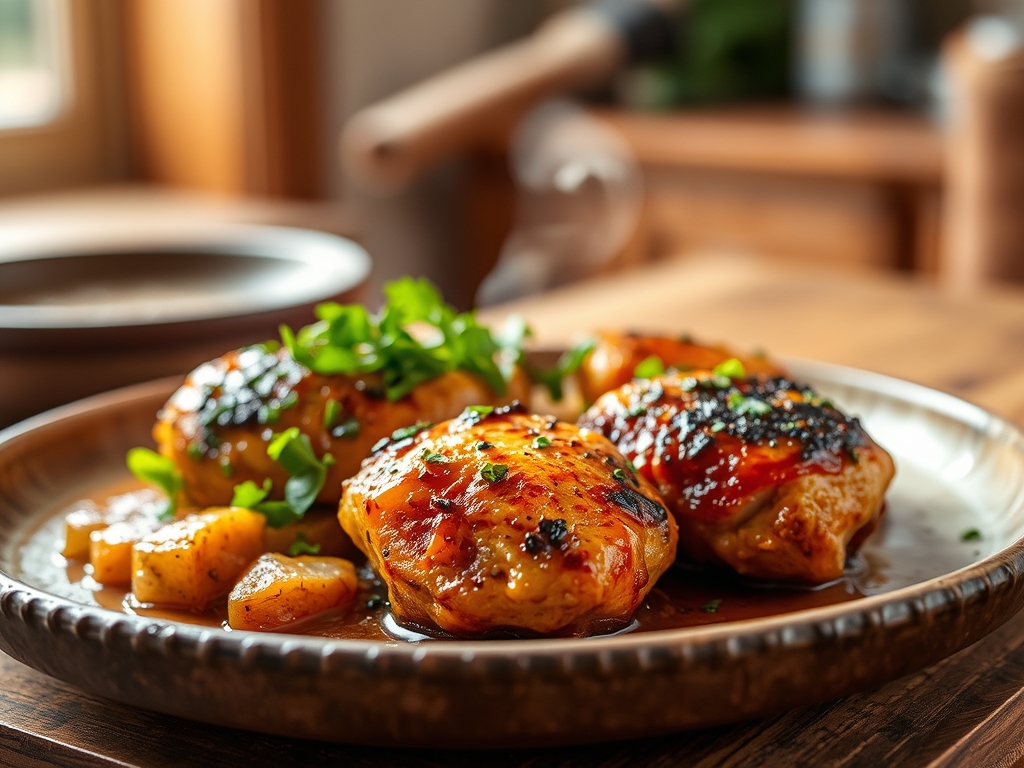
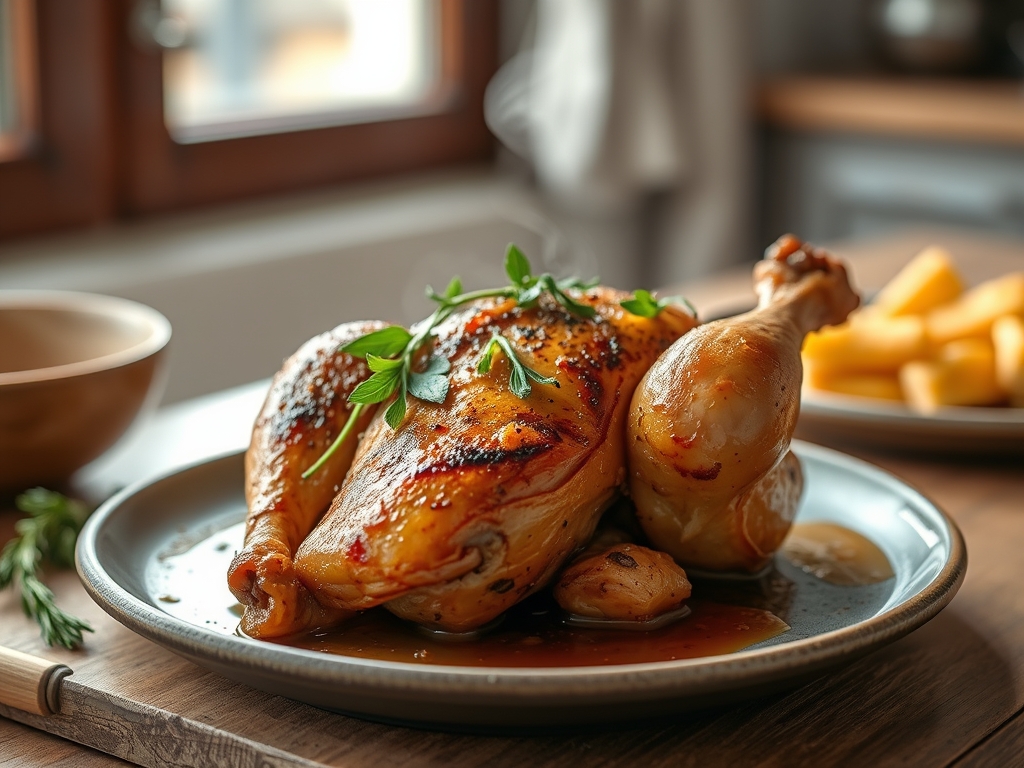
Picture this: the grocery store lights are humming; the air smells of rosemary and rendered fat; and you are clutching a plastic dome containing a golden, glistening bird. We have all been there. It is the ultimate weeknight cheat code. However, staring at those cold leftovers the next day can feel uninspired. Finding creative recipes using rotisserie chicken recipes is not just about convenience; it is about reclaiming your evening with culinary flair. We are going to transform that humble bird into six distinct masterpieces that defy the "leftover" label. We are talking about textures that crunch, sauces that coat with velvety precision, and flavors that bridge the gap between a quick fix and a five star bistro meal.
The secret lies in the fact that the chicken is already perfectly seasoned and cooked. Our job is to manipulate the molecular structure of the remaining proteins to ensure they stay succulent rather than stringy. By utilizing professional techniques like emulsification and controlled thermal application, we can elevate these scraps into dishes that taste like they were planned for days. Grab your apron and your favorite heavy bottomed skillet; we are about to turn that grocery store staple into a week of gourmet dining.
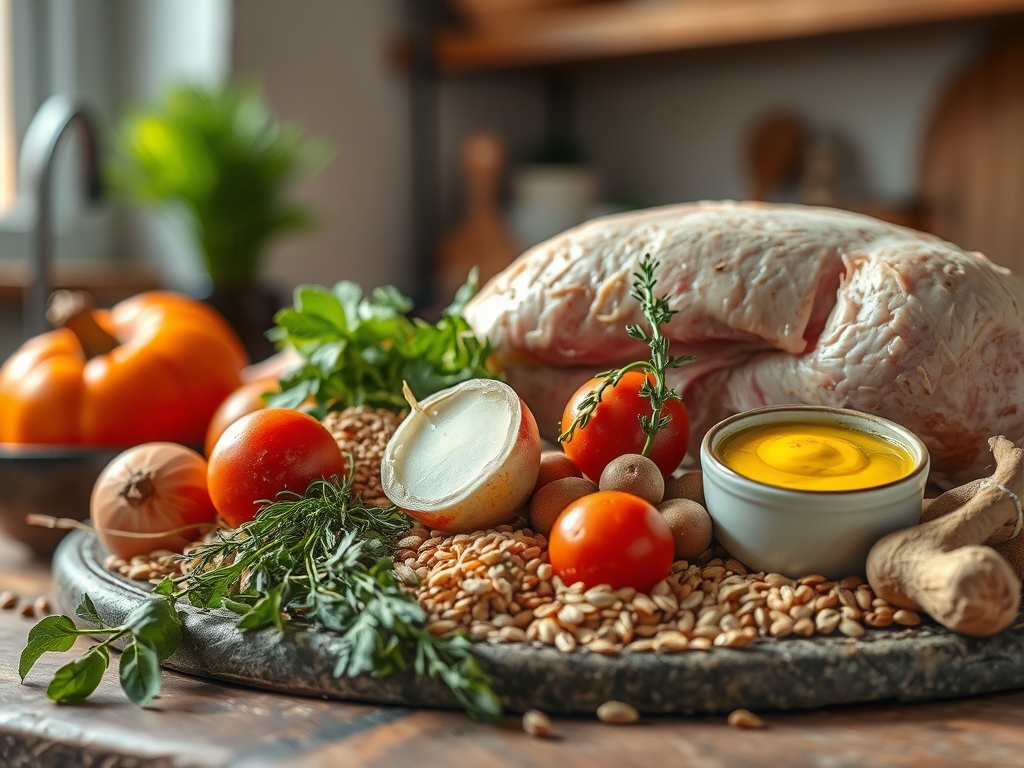
The Gathers:
To execute these recipes using rotisserie chicken recipes, your mise en place must be precise. Start with your primary protein: the shredded chicken. You will need roughly four cups of meat, ideally a mix of breast and thigh for a balanced fat content. For the aromatics, gather fresh shallots, garlic cloves, and ginger. These contain sulfur compounds that, when heated, create the foundational "umami" base for our dishes.
You will also need a high quality fat source like unsalted European butter or extra virgin olive oil to help infuse flavors. For the "Green Goddess" variation, gather fresh basil and tarragon. For the "Spicy Szechuan" twist, ensure you have toasted sesame oil and chili crisp.
Smart Substitutions: If you are out of fresh shallots, use the white parts of green onions for a similar piquant profile. If you lack heavy cream for your sauces, a dollop of full fat Greek yogurt can provide that viscous texture without the heavy caloric load. Always keep a bottle of dry white wine or a splash of apple cider vinegar nearby to deglaze your pans; acidity is the "brightness" that cuts through the richness of the roasted skin.
The Clock
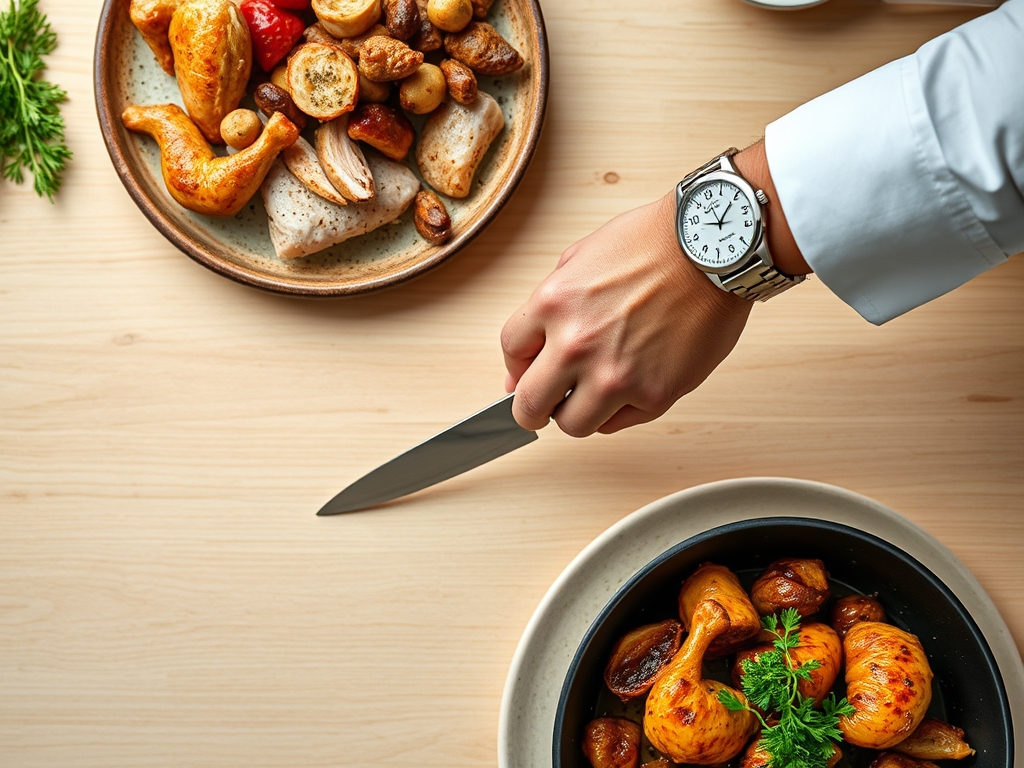
Efficiency in the kitchen is about "Chef's Flow." This is the art of overlapping tasks so no heat is wasted. For these six ideas, your active prep time is approximately 15 minutes. This involves the mechanical breakdown of the bird using a sharp chef's knife or simply your hands to maintain larger, rustic chunks.
The cooking times vary from a lightning fast five minute sear for tacos to a twenty minute simmer for a hearty pot pie filling. Total "portal to plate" time averages 25 minutes. To master the flow, always start by heating your vessel; whether it is a saucier or a cast iron pan; before you finish chopping your secondary ingredients. This ensures the pan is at the optimal temperature the moment your aromatics hit the surface.
The Masterclass
1. The Velvet Cream Saucier
Shred the chicken into bite sized pieces and set them aside. In a saucier, melt two tablespoons of butter and whisk in an equal amount of flour to create a blond roux. Slowly incorporate chicken stock while whisking constantly to aerate the mixture and prevent lumps. Once thickened, fold in the chicken and a handful of frozen peas.
Pro Tip: This relies on starch gelatinization. By cooking the flour in fat first, you coat the starch granules, allowing them to swell and thicken the liquid evenly without clumping.
2. The High Heat Skillet Sear
Heat a heavy bottomed skillet until it is nearly smoking. Toss your chicken with a dry rub of cumin, smoked paprika, and garlic powder. Flash sear the meat for only sixty seconds. This is perfect for tacos or grain bowls.
Pro Tip: This process triggers the Maillard Reaction. Even though the chicken is pre cooked, a quick blast of high heat creates new flavor compounds on the surface through the interaction of amino acids and reducing sugars.
3. The Emulsified Pesto Toss
Place cold shredded chicken in a large mixing bowl. Using a microplane, zest a lemon directly over the meat. Add three tablespoons of fresh pesto and a splash of pasta water. Use tongs to vigorously toss the mixture until a creamy, stable sauce forms.
Pro Tip: This is a lesson in emulsification. The starches in the pasta water act as a bridge between the oil in the pesto and the moisture in the chicken, creating a silky coating that sticks to every crevice.
4. The Aromatic Broth Infusion
Bring a quart of bone broth to a gentle simmer. Add sliced ginger, star anise, and the chicken carcass (if you kept it). After ten minutes, remove the solids and add your shredded meat and rice noodles.
Pro Tip: This is solvent extraction. The hot water pulls collagen and minerals out of the bones and aromatics, enriching the liquid with a deep, savory mouthfeel that plain water cannot achieve.
5. The Crunchy Waldorf Update
Combine Greek yogurt, dijonnaise, and halved grapes in a bowl. Fold in the chicken and toasted walnuts. Serve this chilled on a bed of butter lettuce for a textural contrast.
Pro Tip: To prevent the chicken from becoming "mushy," add the salt only at the very end. Salt draws out moisture through osmosis, which can make the celery and grapes lose their structural snap if left to sit too long.
6. The Cast Iron Quesadilla
Layer cheese, chicken, and pickled jalapeños between two flour tortillas. Place a heavy weight (like another pan) on top while frying in a cast iron skillet.
Pro Tip: The weight increases thermal conductivity. By pressing the tortilla firmly against the hot metal, you ensure even browning and a superior melt on the cheese, which acts as the "glue" for the protein.
The Deep Dive
When we look at the macro nutrition, rotisserie chicken is a powerhouse. A standard 3 ounce serving provides roughly 25 grams of protein. If you are following a Keto diet, keep the skin on for healthy fats and skip the flour based thickeners in favor of heavy cream or xanthan gum. For a Vegan alternative to the base, use oyster mushrooms pulled into shreds; they mimic the texture of chicken remarkably well. Gluten Free friends should reach for tamari instead of soy sauce and cornstarch for thickening.
The "Fix It" section:
- Dry Meat: If the breast meat feels like sawdust, toss it in a bowl with a tablespoon of warm broth and a teaspoon of olive oil. Let it sit for two minutes to rehydrate the fibers.
- Broken Sauce: If your cream sauce separates into an oily mess, whisk in a teaspoon of boiling water. The heat and agitation help re establish the emulsion.
- Soggy Skin: If you want to use the skin but it is flabby, remove it entirely and fry it in a dry pan until it becomes a "chicken crackling." Use this as a garnish for crunch.
For meal prep, reheating is a science. Avoid the microwave, which vibrates water molecules so violently it toughens the protein. Instead, use a low oven (300 degrees) with a splash of water covered in foil to create a mini steam chamber.
The Wrap Up
You are now armed with the technical prowess to turn a five dollar bird into a week of culinary triumphs. From the science of the Maillard reaction to the delicate balance of a roux, these recipes using rotisserie chicken recipes prove that "leftovers" is just another word for "opportunity." Go forth, use your tongs with confidence, and remember that a little bit of chemistry goes a long way in the kitchen.
The Kitchen Table
How do I keep rotisserie chicken from getting dry?
Reheat the chicken gently using a "moist heat" method. Place the meat in a covered dish with a splash of broth or water. This creates steam, which prevents the protein fibers from tightening and squeezing out their internal juices.
Can I freeze leftover rotisserie chicken?
Yes, you can freeze it for up to four months. For the best results, shred the meat first and store it in an airtight, vacuum sealed bag to prevent freezer burn and oxidative rancidity of the fats.
What is the fastest way to shred a whole chicken?
While the chicken is still slightly warm, use a stand mixer with the paddle attachment on low speed. The mechanical energy quickly breaks the connective tissue, giving you perfectly shredded meat in under sixty seconds without the manual labor.
Is rotisserie chicken healthy for meal prep?
It is an excellent high protein base. To optimize health, remove the skin to reduce saturated fat and monitor the sodium content in the store bought seasoning. Pair it with complex carbohydrates and fibrous vegetables for a balanced macro profile.