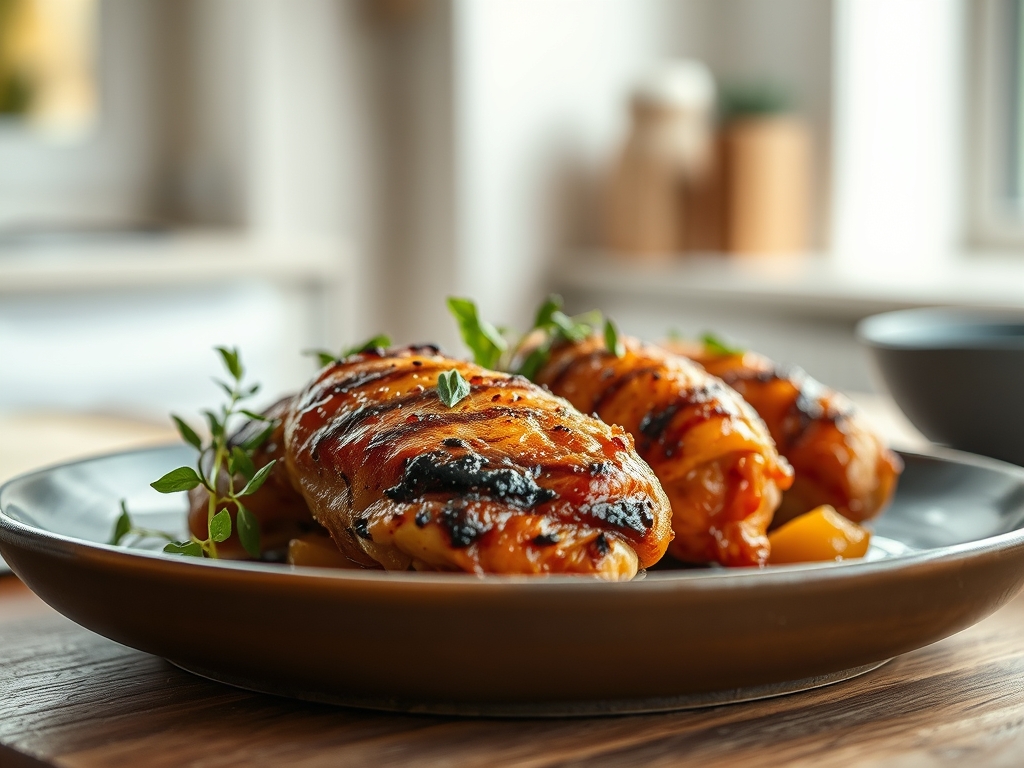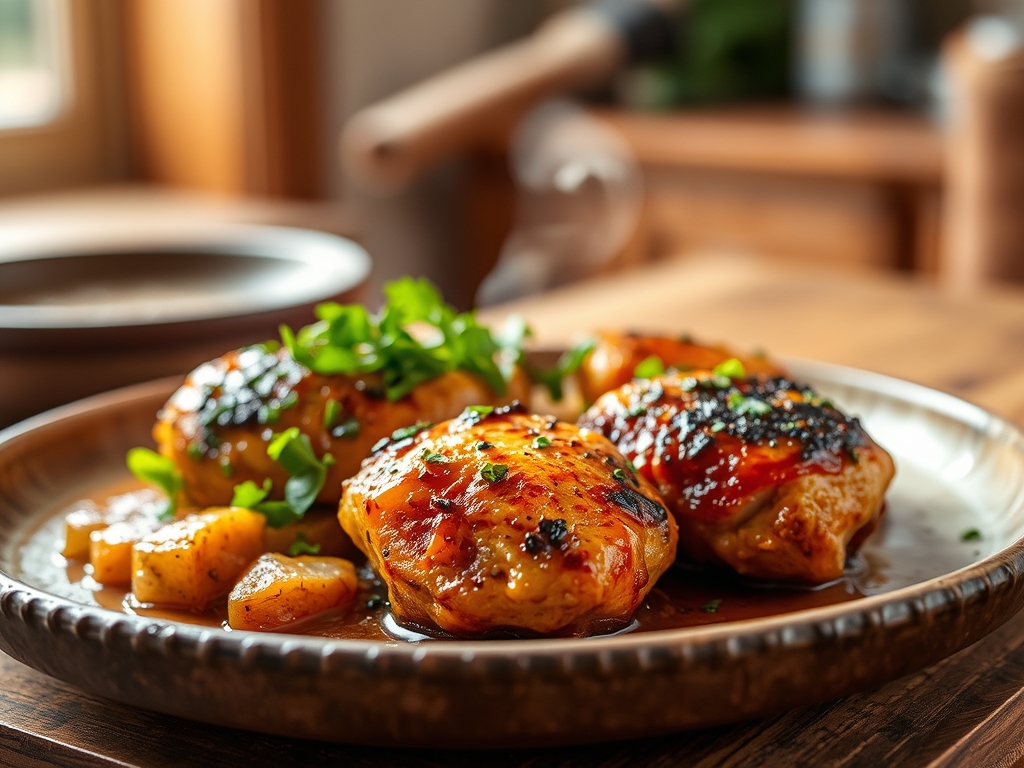
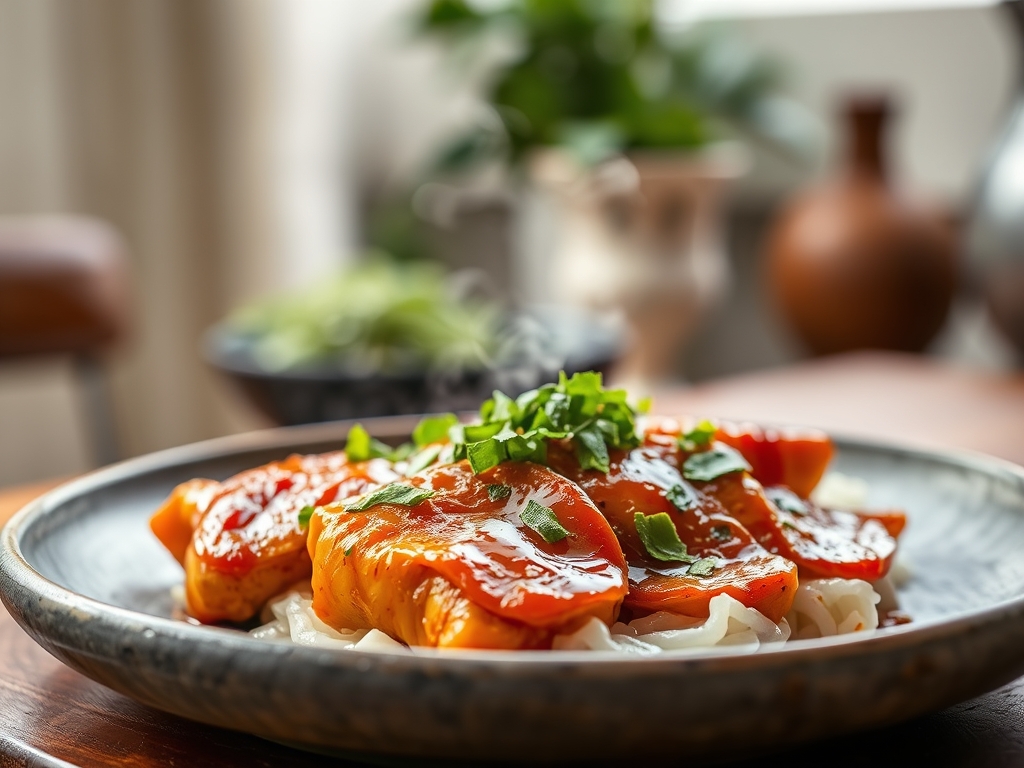
Picture the sizzle of a heavy bottomed skillet meeting cold protein; it is the sound of a weeknight victory. You want that glossy, deep mahogany glaze without the sugar crash associated with takeout. Finding the perfect balance in healthy teriyaki chicken recipes means mastering the chemistry of a reduction while keeping your macros in check.
The aroma of toasted sesame oil and sharp ginger should fill your kitchen, signaling that dinner is more than just fuel. It is an experience. By swapping refined sugars for natural binders and utilizing high heat to trigger the Maillard reaction, we transform humble poultry into a culinary masterpiece. Let us dive into the mechanics of the perfect, guilt free glaze.
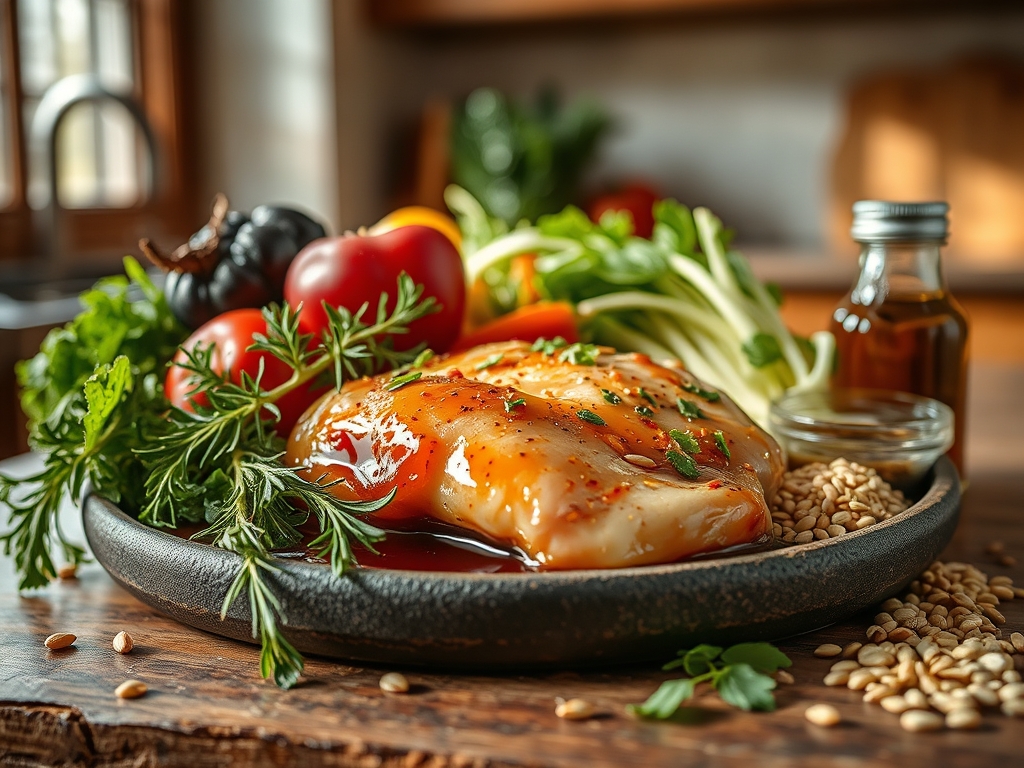
The Gathers:
To execute these healthy teriyaki chicken recipes, your mise en place must be precise. Start with your protein; organic chicken thighs are preferred for their higher fat content which prevents drying during high heat searing. If you use breasts, a digital scale ensures uniform portioning for even cooking.
For the sauce, you need a high quality liquid aminos or low sodium tamari to provide that essential umami base without excessive sodium. Instead of cornstarch, we use arrowroot powder as a thickener because it remains stable at higher temperatures and provides a more translucent, professional finish.
Smart Substitutions are your best friend here. Swap white sugar for honey or maple syrup to introduce complex floral notes. Use a microplane to grate fresh ginger and garlic into a fine paste; this increases the surface area, allowing the aromatics to infuse the sauce more rapidly. Finally, a splash of rice vinegar provides the necessary acidity to brighten the viscous glaze and cut through the richness of the meat.
The Clock
Efficiency in the kitchen is about the Chef's Flow. Prep time for these recipes typically takes fifteen minutes, while the active cook time is approximately twelve minutes. The secret is the "staggered start." While your chicken is searing, you should be whisking your sauce components in a small saucier.
Total time from fridge to table is under thirty minutes. This rapid pace is possible because we utilize high thermal conductivity pans. By the time the chicken reaches its target internal temperature, your sauce has already reached the ideal reduction point. This synchronization ensures that neither the protein nor the aromatics are overexposed to heat, preserving both texture and nutritional integrity.
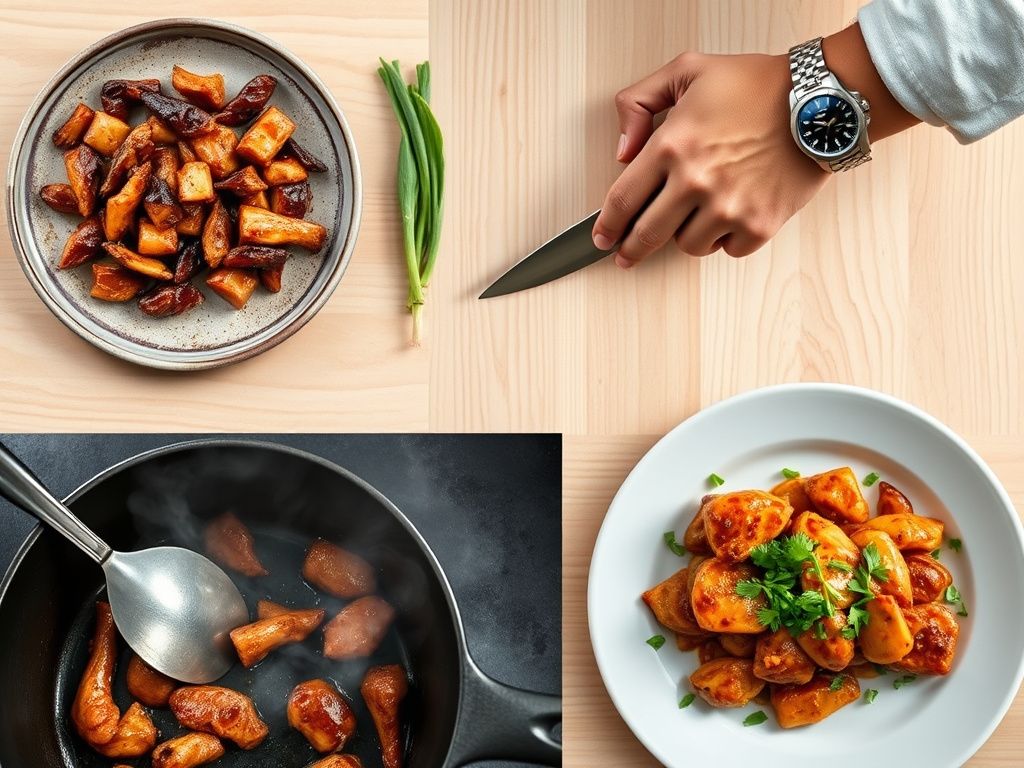
The Masterclass
1. The Sear and Render
Place your chicken in a preheated cast iron skillet. Do not crowd the pan; overcrowding drops the surface temperature and causes the meat to steam in its own juices rather than sear. Use tongs to press the meat down, ensuring maximum contact with the heat source.
Pro Tip: This step relies on the Maillard reaction. This chemical reaction between amino acids and reducing sugars creates the complex flavors and brown crust that define a professional sear. Aim for a deep golden hue before flipping.
2. Deglaze and Infuse
Once the chicken is eighty percent cooked, remove it briefly and use a bench scraper to clear any burnt bits. Pour in your liquid aromatics. The liquid will boil instantly, lifting the flavorful "fond" from the bottom of the pan.
Pro Tip: Deglazing is a thermodynamic process that captures concentrated flavors. The rapid evaporation of the liquid concentrates the solutes, creating a piquant base for your reduction.
3. The Emulsified Reduction
Whisk your arrowroot slurry into the pan. Constant agitation is required to prevent clumping. As the starch granules heat up, they swell and absorb the liquid, a process known as starch gelatinization.
Pro Tip: Watch for the sauce to coat the back of a spoon. This "nappe" consistency ensures the glaze clings to the chicken rather than pooling at the bottom of the bowl.
4. The Finish and Rest
Return the chicken to the pan and toss to coat. Turn off the heat and let the meat rest for three minutes before slicing. This allows the muscle fibers to relax and reabsorb the internal juices.
Pro Tip: This utilizes thermal carryover. The internal temperature will continue to rise by about five degrees after being removed from the heat, ensuring the chicken is succulent rather than rubbery.
The Deep Dive
When analyzing the macro nutrition of healthy teriyaki chicken recipes, you are looking at a high protein, moderate carb profile. A standard serving provides roughly thirty five grams of protein and only eight grams of sugar, compared to the thirty plus grams found in commercial bottled sauces.
For Dietary Swaps, keto followers can replace the honey with monk fruit sweetener and the arrowroot with a pinch of xanthan gum. For a vegan version, extra firm tofu or tempeh can be pressed and seared using the exact same glaze technique. If you are gluten free, always verify your tamari is certified.
The Fix It: If your sauce is too thin, do not add more starch directly; whisk a teaspoon of starch with cold water first to avoid lumps. If it is too salty, a squeeze of lime juice or a teaspoon of rice vinegar will balance the pH. If the chicken is tough, you likely skipped the resting phase; slice it against the grain to break up the fibers manually.
For Meal Prep, reheating science is key. To maintain "day one" quality, reheat the chicken in a pan with a tablespoon of water and a lid. This creates a steam chamber that prevents the proteins from tightening and drying out in the microwave.
The Wrap-Up
Mastering healthy teriyaki chicken recipes is your gateway to becoming a weeknight pro. You now have the technical knowledge to manipulate starches, manage thermal energy, and balance flavors like a seasoned chef. Go grab your skillet and turn that kitchen into a high end bistro. You have got the science; now go make it delicious!
The Kitchen Table
How do I make teriyaki sauce thicker without flour?
Use an arrowroot or tapioca starch slurry. Whisk one teaspoon of starch with two teaspoons of cold water. Add this to the simmering sauce and stir constantly until the mixture becomes viscous and clear.
Can I use chicken breast for healthy teriyaki?
Yes, but be careful not to overcook it. Use a meat thermometer to pull the chicken at 160 degrees Fahrenheit. The carryover heat will bring it to the safe 165 degree mark while keeping it moist.
Is honey better than brown sugar for teriyaki?
Honey provides a more complex flavor profile and a superior gloss. It also has a lower glycemic index than refined sugar, making it a smarter choice for maintaining stable blood sugar levels.
How long does homemade teriyaki chicken last in the fridge?
When stored in an airtight container, it stays fresh for up to four days. For the best texture, store the sauce and chicken together to keep the protein hydrated during storage.