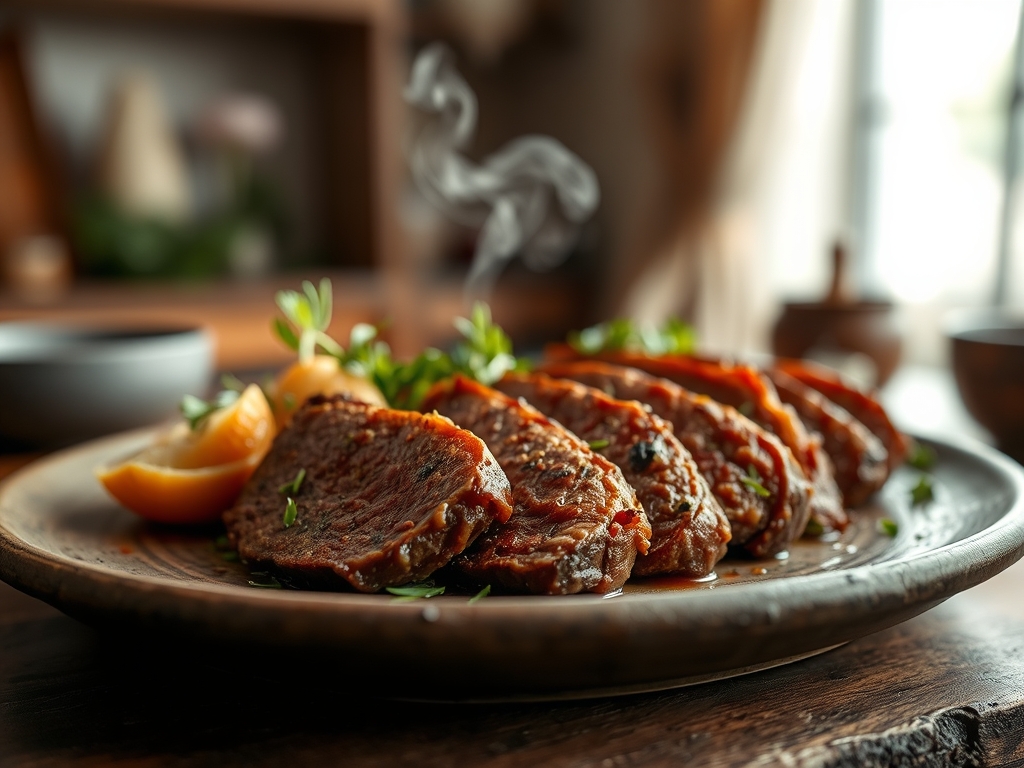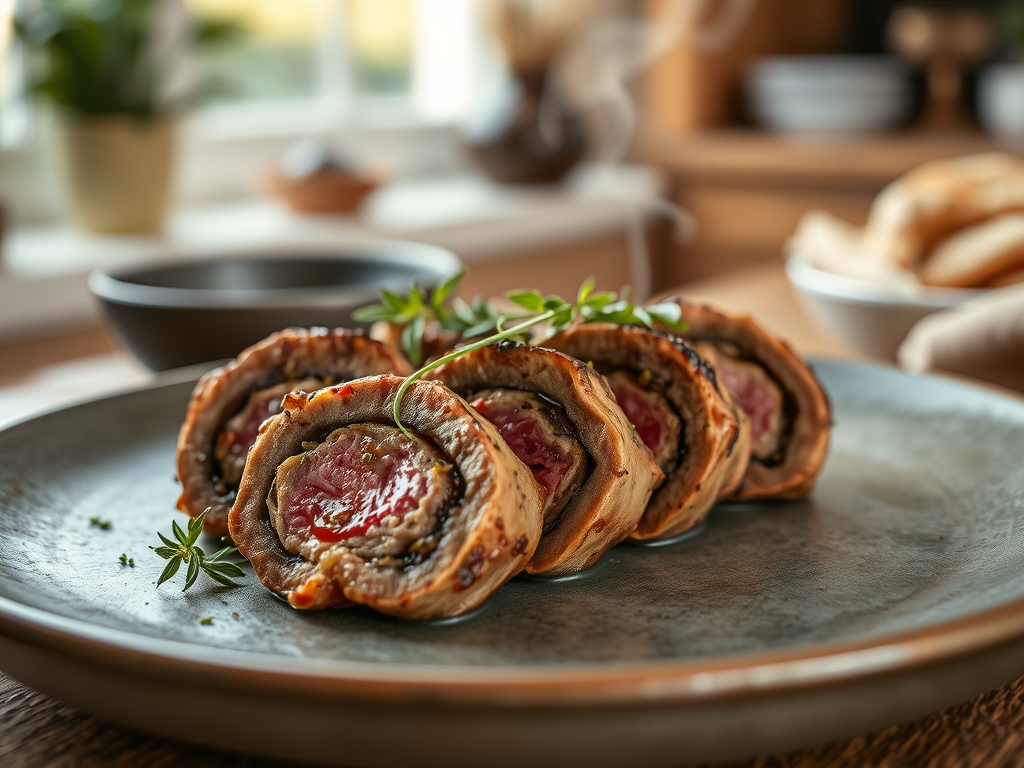
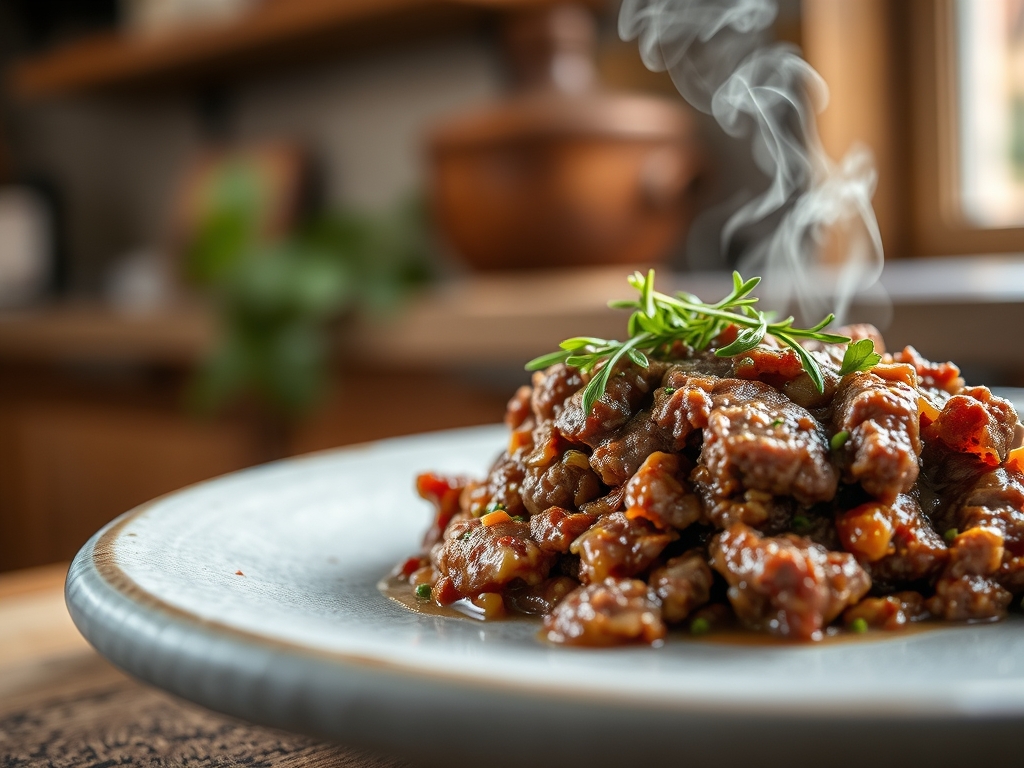
Picture the steam rising from a heavy-bottomed skillet on a drizzly Tuesday night; it is the scent of onions caramelizing in grass-fed butter and the earthy hum of dried thyme. When you are craving comfort that feels like a warm wool sweater, these irish ground beef recipes are your absolute secret weapon. We are moving far beyond basic burgers and into the realm of rich, velvet-thickened gravies and golden-crusted pies. Ground beef is the unsung hero of the Emerald Isle kitchen because it is accessible, fast-cooking, and acts as a flavor sponge for stout and sharp cheddar. Today, we are mastering the art of the Irish "mince" to create eight iconic dishes that balance rustic charm with professional-grade technique. Whether you are craving a classic Shepherd's Pie (technically a Cottage Pie when using beef) or a savory Guinness-infused skillet, the goal is the same: maximum depth of flavor with minimal cleanup. We are going to treat these humble ingredients with the respect of a Michelin-starred larder, using science to ensure every bite is succulent rather than greasy.
The Gathers:
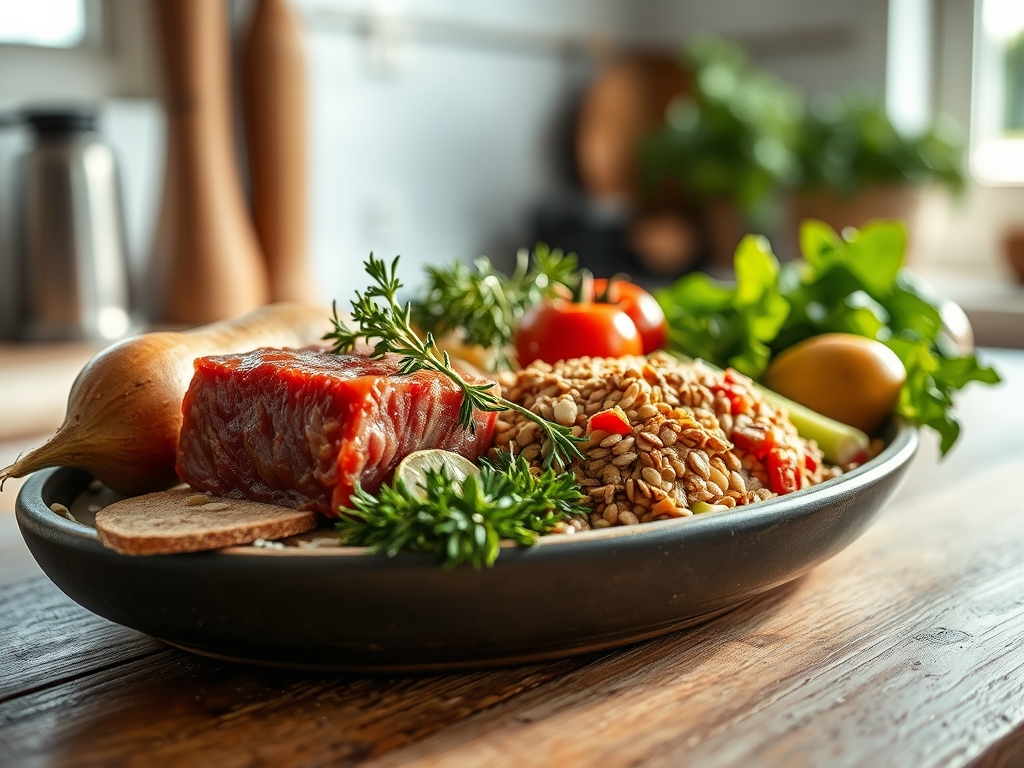
To execute these irish ground beef recipes with precision, your mise-en-place must be impeccable. Start with the protein: look for an 80/20 lean-to-fat ratio. This specific percentage ensures enough intramuscular fat to render during the searing process, providing the lipid base for your roux without drowning the dish in oil. You will need a mirepoix of carrots, celery, and onions, diced finely with a sharp chef's knife to ensure uniform surface area for the Maillard reaction.
For the aromatics, gather fresh rosemary, thyme, and bay leaves. Do not skip the Worcestershire sauce; its fermented anchovy base provides a massive hit of umami that amplifies the beefiness of the mince. You will also need high-quality beef stock, preferably one with enough gelatin content to create a viscous mouthfeel. If you are using store-bought, a splash of unflavored gelatin can mimic this professional texture.
Smart Substitutions: If you are dodging dairy, swap the traditional butter for a high-smoke-point avocado oil, though you will lose the nutty milk solids. For a piquant kick, swap yellow onions for shallots to achieve a more delicate, garlicky undertone. If you lack fresh herbs, use one-third the amount of dried herbs, as their volatile oils are more concentrated.
The Clock:
Efficiency in the kitchen is about "Chef's Flow," the ability to overlap tasks so no heat is wasted. Most of these irish ground beef recipes require a 15-minute prep window and a 30-to-45-minute cook time. While your heavy-bottomed skillet or saucier is preheating, use that time for your vegetable fabrication.
The "Flow" works like this: Sear the meat first, then remove it to a side bowl. This allows you to sauté your aromatics in the residual beef fat (tallow), scraping up the fond (those delicious brown bits) as the vegetables release their moisture. By the time your potatoes are boiled and ready for the microplane or masher, your beef base will have simmered into a thick, savory masterpiece. Total "active" time is usually under 25 minutes, making these perfect for high-octane weeknights.
The Masterclass:
1. The Hard Sear Technique
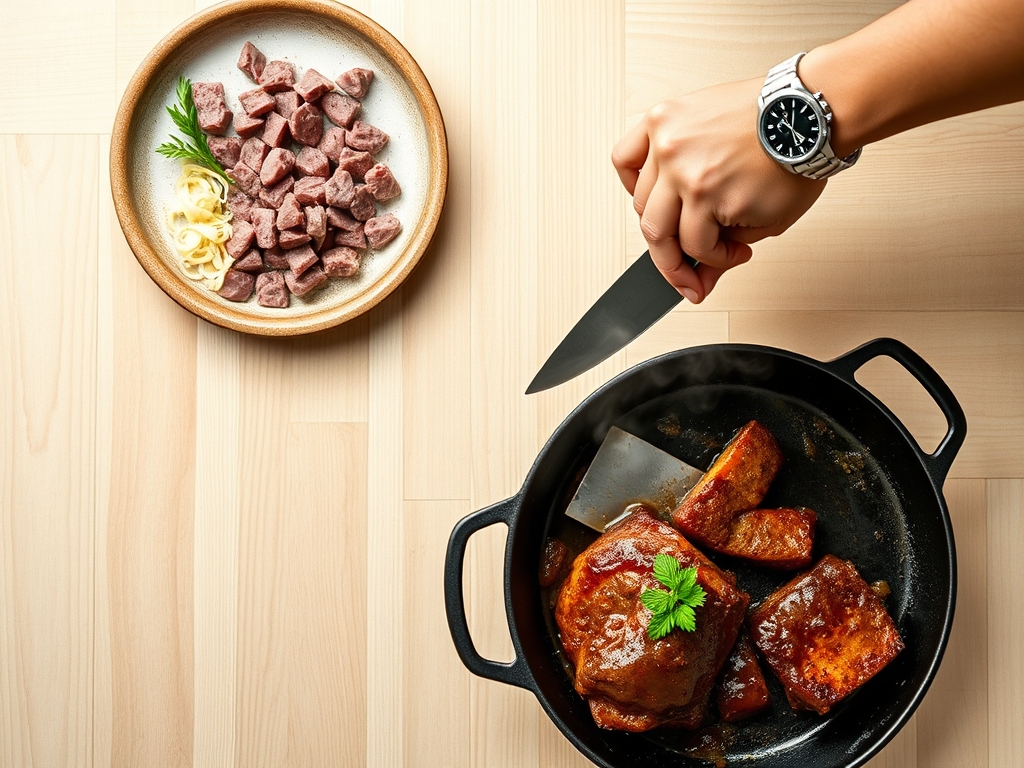
Begin by heating your cast iron or stainless steel skillet until it wisps with smoke. Add the beef in chunks rather than a flat sheet to increase the surface area. Avoid the urge to stir immediately; you want a deep, mahogany crust to form.
Pro Tip: This is the Maillard reaction in action. By allowing the beef to sit undisturbed, you are rearranging amino acids and sugars to create hundreds of new flavor compounds that simply do not exist in gray, steamed meat.
2. Deglazing the Fond
Once the beef is browned and removed, add your liquids. Use a wooden spoon or bench scraper to lift the caramelized proteins off the bottom of the pan. This is where you incorporate your Guinness or beef stock to capture every ounce of flavor.
Pro Tip: Deglazing is a solvent-based extraction. The alcohol in stout or the water in stock dissolves the flavor molecules stuck to the pan, creating a complex base for your sauce that tastes like it simmered for hours.
3. Emulsifying the Sauce
To achieve that glossy, restaurant-quality finish, we use a technique called monter au beurre. Whisk in cold cubes of butter at the very end of the simmering process, off the heat.
Pro Tip: Keeping the butter cold prevents the emulsion from "breaking." The cold fat molecules disperse evenly into the hot liquid, creating a thick, light-reflecting sauce that clings to the meat rather than pooling at the bottom.
4. Aerating the Potato Topping
For dishes like Cottage Pie, use a potato ricer instead of a masher. This ensures the starch granules remain intact, resulting in a fluffy, cloud-like texture rather than a gummy paste.
Pro Tip: Over-mashing breaks the starch cells, releasing amylose which turns potatoes gluey. Ricers aerate the mash, allowing steam to escape and creating the perfect canvas for a crispy, fork-raked crust.
5. Thermal Carryover Management
When baking meat-heavy dishes, pull them from the oven when they are 5 degrees below your target temperature. Use a digital scale or meat thermometer to be precise.
Pro Tip: Thermal carryover means the internal temperature will continue to rise even after the heat source is removed. This prevents the beef from becoming "mealy" or dry during the resting phase.
The Deep Dive:
From a macro perspective, these irish ground beef recipes are powerhouse meals. A standard serving provides roughly 30g of protein and is rich in Vitamin B12 and Zinc. To keep it Keto-friendly, swap the potato topping for a mashed cauliflower and turnip blend; the turnips provide that "earthy" Irish bite without the glycemic load. For a Vegan twist, lentils and finely chopped walnuts mimic the texture of mince perfectly when sautéed with soy sauce for umami.
The Fix-It:
- Greasy Sauce: If your sauce looks oily, your emulsion has broken. Fix it by whisking in a tablespoon of hot water or a tiny bit of mustard, which acts as a natural emulsifier.
- Bland Beef: This usually means a lack of acidity. Add a teaspoon of apple cider vinegar or lemon juice at the end to "brighten" the heavy fats.
- Soggy Bottom: If your pie is watery, you didn't reduce your sauce enough. Next time, let the liquid simmer until it coats the back of a spoon (the nappe stage) before topping with potatoes.
Meal Prep: To maintain "day-one" quality, reheat your beef dishes in a covered skillet with a tablespoon of water or stock. This creates a steam-chamber effect that re-hydrates the proteins without overcooking them in the microwave.
The Wrap-Up:
Mastering these irish ground beef recipes is about more than just filling a bowl; it is about understanding how heat, fat, and acid transform simple pantry staples into soul-warming feasts. You now have the technical prowess to sear with confidence, deglaze like a pro, and create emulsions that would make a French chef weep with joy. Go grab your heavy-bottomed skillet, put on some Celtic tunes, and let the kitchen become your sanctuary. You have got the science; now go bring the flavor!
The Kitchen Table:
What is the best fat ratio for Irish beef recipes?
An 80/20 lean-to-fat ratio is ideal. This provides enough fat to render and flavor the vegetables while ensuring the meat remains succulent. Excess fat can be skimmed, but you cannot add moisture back into over-lean 90/10 beef.
Can I make these recipes in a slow cooker?
Yes, but you must sear the beef in a skillet first. Slow cookers cannot reach temperatures high enough for the Maillard reaction. Without searing, the meat will have a "boiled" texture and lack the deep, complex flavors of traditional Irish cooking.
How do I keep my Shepherd's Pie from leaking?
Ensure your meat gravy is thickened to a viscous consistency using a roux or reduction before adding the potato layer. Letting the beef mixture cool slightly before topping it also prevents the mash from sinking into the sauce and becoming soggy.
What is the secret to the best Irish mashed potatoes?
Use a potato ricer to prevent gumminess and always incorporate warm cream and cold butter. This temperature contrast helps create a stable emulsion, resulting in a velvety texture that holds its peaks perfectly when browned under a broiler.