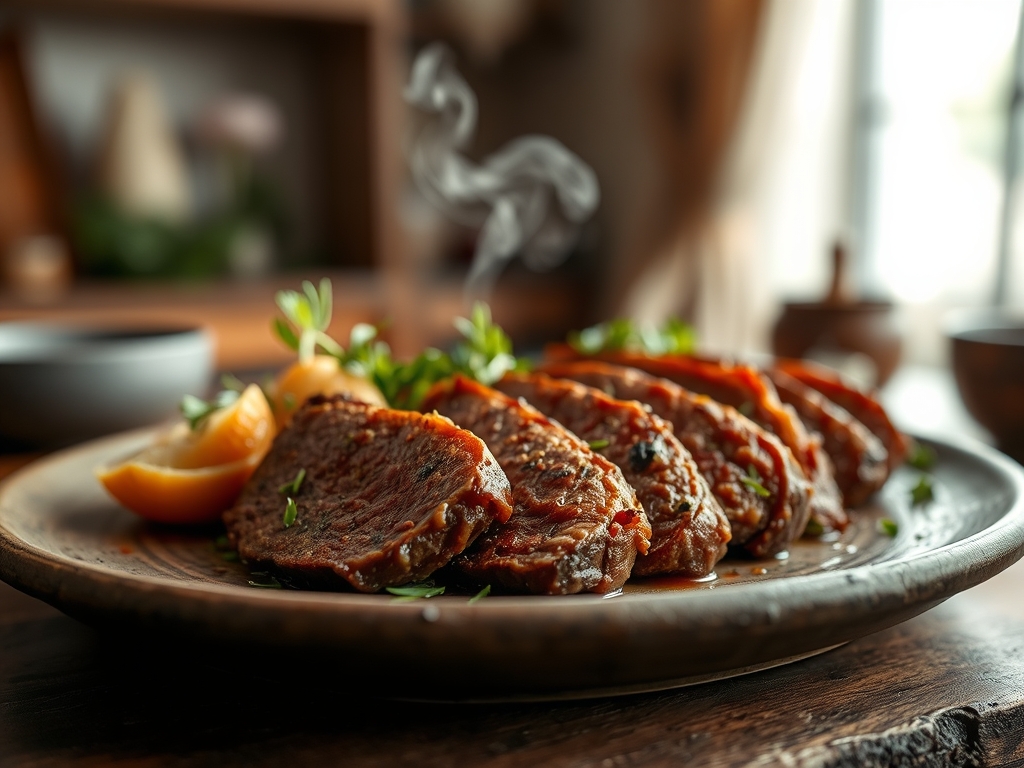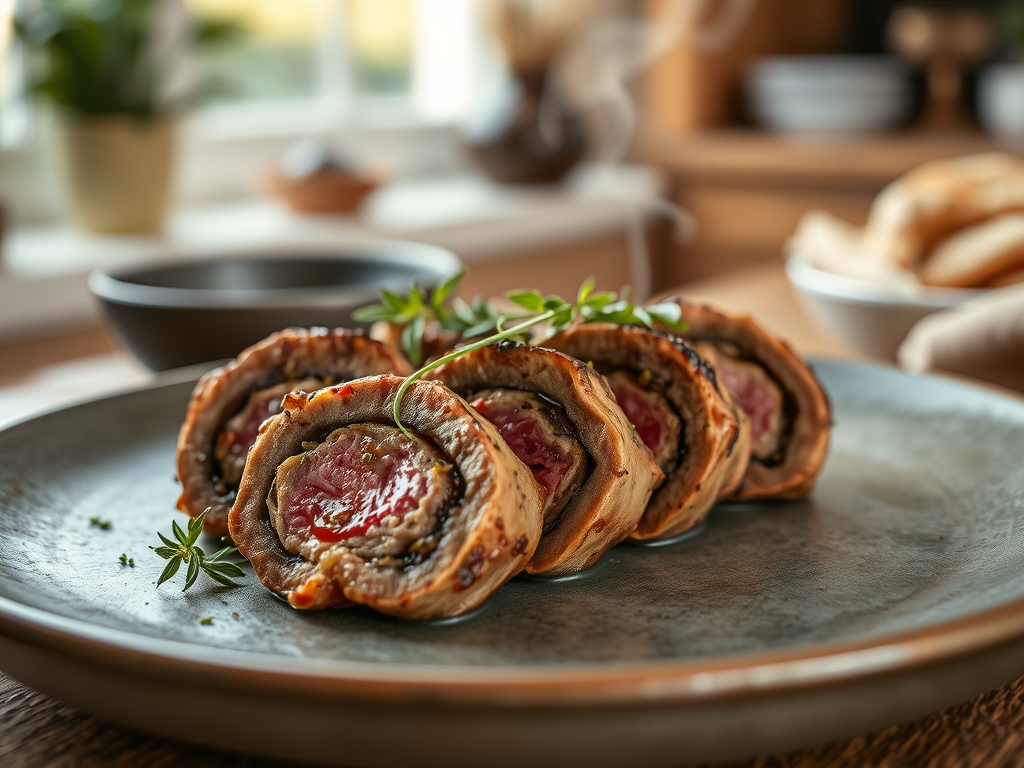
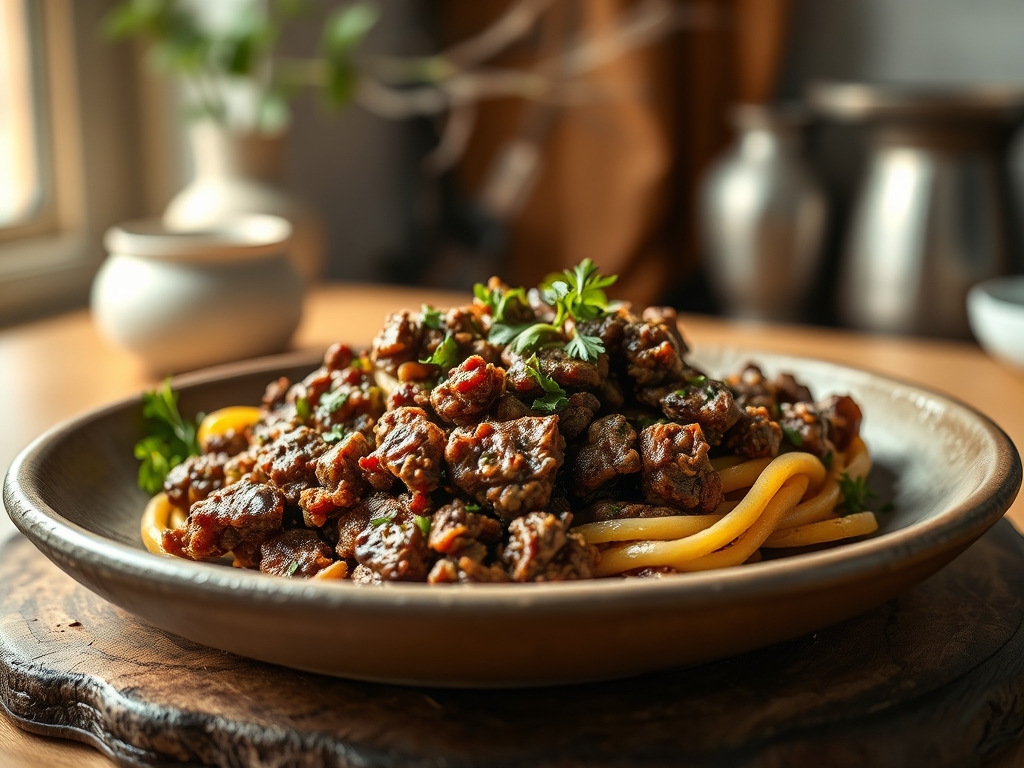
The scent of searing protein is the universal language of a kitchen that means business. When you drop a cold block of mince into a screaming hot heavy-bottomed skillet, you are not just making dinner; you are initiating a complex sequence of amino acid rearrangements. We are hunting for the Maillard reaction, that glorious chemical transformation where sugars and proteins fuse to create hundreds of flavor compounds. Mastering super easy ground beef recipes is about more than just convenience. It is about understanding how to manipulate fat ratios and heat to turn a humble staple into a five-star experience. Whether you are craving a piquant Korean bowl or a viscous, velvet-smooth stroganoff, the secret lies in the sear. Grab your favorite wooden spoon and let us transform your weeknight rotation into a masterclass of efficiency and flavor.
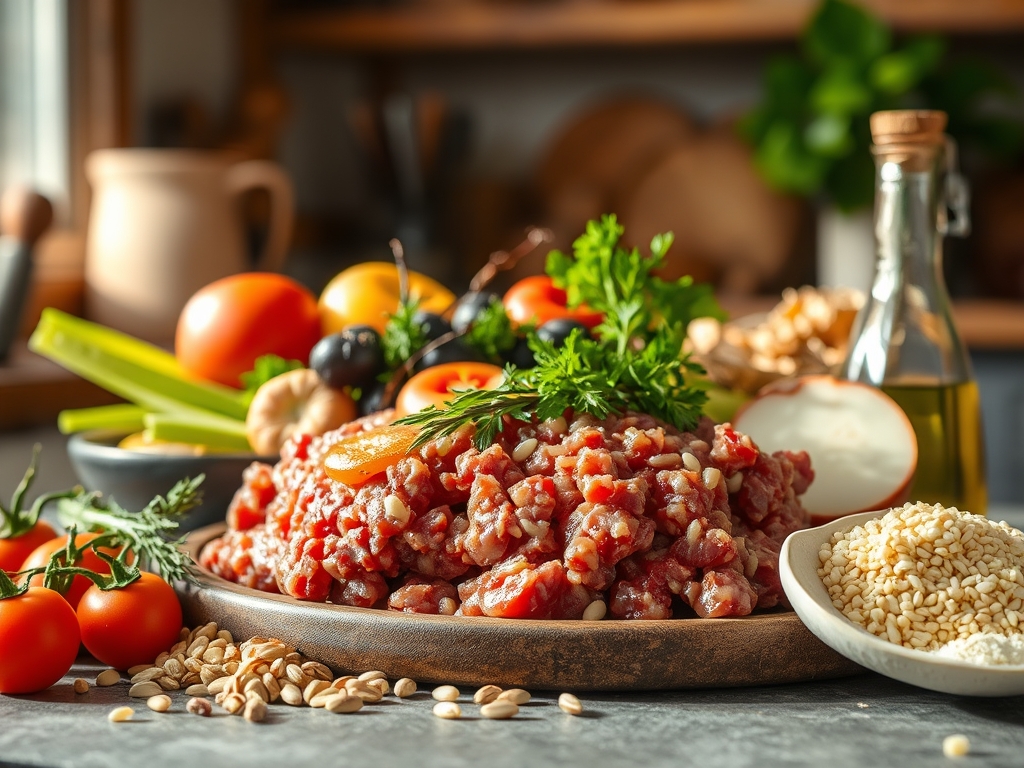
The Gathers:
To execute these meals with precision, your mise-en-place must be tight. Start with the beef itself; look for an 80/20 lean-to-fat ratio. This specific percentage ensures enough tallow will render out to fry the aromatics without requiring additional oils. You will need high-impact aromatics like garlic, ginger, and shallots. Use a microplane to grate your aromatics directly into the pan to maximize surface area and oil release. For the liquids, keep a bottle of high-quality soy sauce for umami and a bottle of dry sherry or rice vinegar to deglaze the fond from the bottom of your pan.
Smart Substitutions: If you are looking to lighten the caloric load, you can swap half the beef for finely minced cremini mushrooms. This is known as "The Blend" technique. Mushrooms share a similar molecular structure to meat and will infuse the dish with earthy notes while absorbing the beef drippings. If you lack fresh herbs, use a 1:3 ratio of dried to fresh; dried herbs are more concentrated and require fat-solubility to release their volatile oils. Always salt your meat at the very last second before it hits the pan to prevent the salt from drawing out moisture and steaming the meat instead of searing it.
The Clock
The "Chef's Flow" is the art of overlapping tasks to minimize downtime. In the world of professional cooking, we call this parallel processing. For these recipes, the total active time is usually under 15 minutes, with a total "plate-to-table" time of 25 minutes. While your skillet is preheating (a process that takes about 3 minutes to reach the smoke point), you should be using a bench scraper to organize your chopped vegetables.
Once the meat hits the pan, do not touch it for at least 4 minutes. This patience allows the crust to form. While the meat renders, use that window to whisk your sauces in a saucier. By the time the beef is browned and the fat is clear, your sauce is ready to be emulsified. The final 5 minutes are for "The Finish," where you add delicate greens or fresh citrus to brighten the heavy fats. This rhythmic approach ensures you are never standing idle while a timer ticks down.
The Masterclass
1. The High-Heat Sear
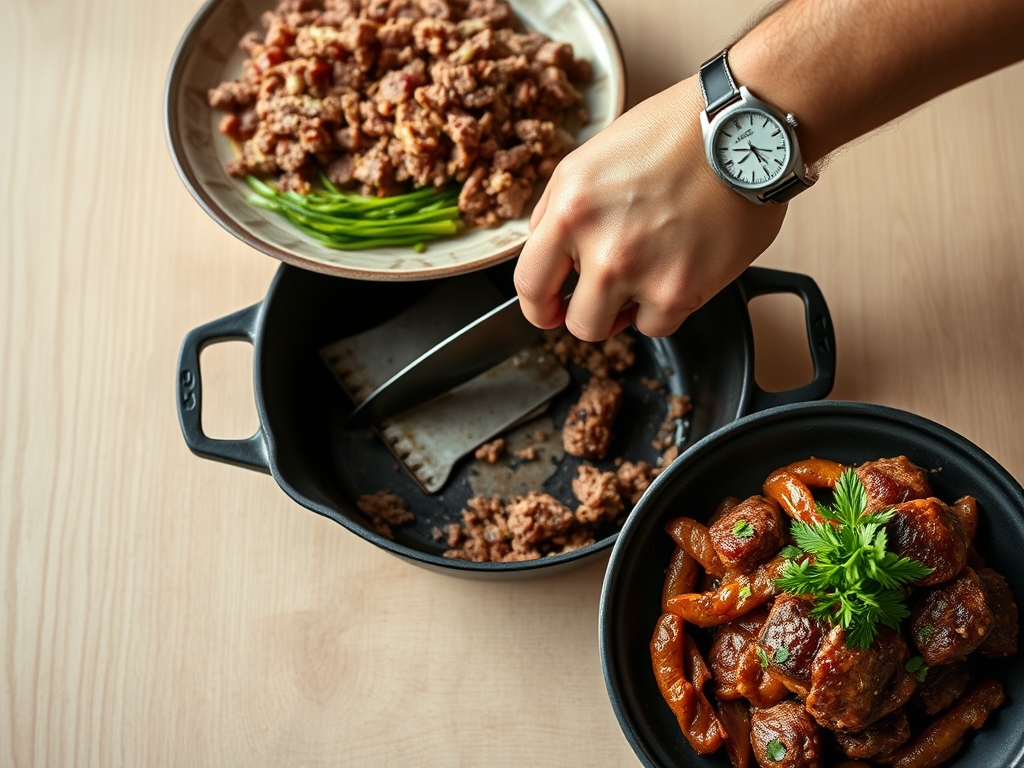
Place your beef in a preheated cast iron skillet. Do not crowd the pan, as this lowers the surface temperature and causes the meat to boil in its own juices.
Pro Tip: This is about enzymatic browning. By leaving the meat undisturbed, you allow the surface temperature to exceed 300 degrees Fahrenheit, which is the threshold for the Maillard reaction to create savory depth.
2. Deglazing the Fond
Once the meat is browned, remove it and notice the brown bits stuck to the pan. Pour in a splash of stock or wine and scrape with a flat-edged spatula.
Pro Tip: This liquid creates a deglaze, lifting the caramelized proteins (the fond) back into the sauce. This adds a layer of complexity that raw meat alone cannot provide.
3. Emulsifying the Sauce
Add your liquid components and fat (like butter or heavy cream) back to the pan. Stir vigorously in a circular motion.
Pro Tip: You are creating a colloidal suspension. The proteins in the beef act as a stabilizer, helping the fats and water-based liquids bind together into a glossy, viscous coating rather than a greasy mess.
4. The Rest and Carryover
Turn off the heat when the meat is just barely done. Let it sit in the pan for two minutes before serving.
Pro Tip: This utilizes thermal carryover. The internal temperature will continue to rise by 5 degrees even after the heat source is removed, ensuring the meat stays succulent rather than becoming grainy and overcooked.
The Deep Dive
Macro Nutrition: Ground beef is a powerhouse of bioavailable iron, B12, and zinc. An average 4-ounce serving of 80/20 beef provides roughly 20 grams of protein. To balance the high saturated fat content, always pair these meals with high-fiber cruciferous vegetables like broccoli or bok choy to aid in lipid metabolism.
Dietary Swaps: For a Keto version, replace starch-based thickeners with a pinch of xanthan gum or extra heavy cream. For Gluten-Free needs, swap soy sauce for liquid aminos or tamari. If you are leaning toward a Vegan profile, use a pea-protein crumble and add a teaspoon of liquid smoke to mimic the charred fat profile of real beef.
The Fix-It:
- The Greasy Sauce: If your sauce is breaking, add a tablespoon of pasta water. The starches act as a bridge to re-emulsify the fats.
- The Gray Meat: If your meat looks gray and boiled, you put too much in the pan at once. Remove half the meat, turn up the heat, and sear the remaining half until dark brown, then mix them back together.
- The Salt Bomb: If you over-salted, add a splash of acid like lime juice or rice vinegar. The acid masks the perception of salt on the tongue.
Meal Prep Science: To maintain "day-one" quality, reheat your beef on the stove with two tablespoons of water. This creates a steam-jacket effect that re-hydrates the protein fibers. Avoid the microwave if possible; it vibrates water molecules so violently that it can rupture the cell walls of the meat, leading to a rubbery texture.
The Wrap-Up
You now have the technical blueprint to turn basic ingredients into culinary gold. These super easy ground beef recipes are your secret weapon for a high-performance lifestyle. By focusing on the science of the sear and the chemistry of the sauce, you are elevating a simple weeknight chore into a repeatable, delicious craft. Now, get that skillet hot and show that ground beef who is boss!
The Kitchen Table
How do I prevent ground beef from being rubbery?
Avoid over-mixing the raw meat, which develops tough proteins. Cook it over high heat to sear the outside quickly. Use a digital scale to ensure portions are even, and never press down on the meat with a spatula, which squeezes out essential juices.
Can I cook ground beef straight from the freezer?
It is possible but not ideal for flavor. Frozen meat releases excess moisture as it thaws in the pan, which steams the beef instead of searing it. For the best results, thaw it in the fridge overnight to preserve the cellular structure.
What is the best way to drain excess fat?
Push the meat to one side of the tilted skillet and use a spoon to remove the liquid gold. Do not wash the meat; you will lose all the fat-soluble flavor compounds. Leave a teaspoon behind to help aerate and flavor your aromatics.
How long does cooked ground beef last in the fridge?
Stored in an airtight container, it stays fresh for 3 to 4 days. For the best texture, ensure it cools completely before sealing to prevent condensation. Use a saucepan to reheat it with a splash of liquid to maintain its moisture.