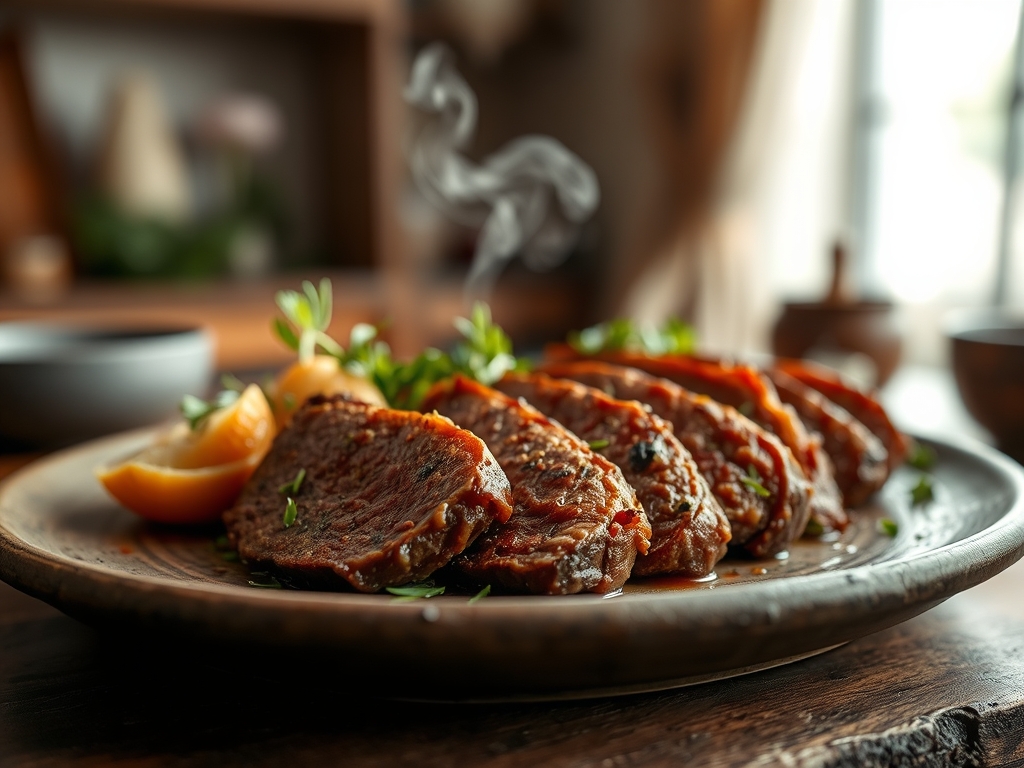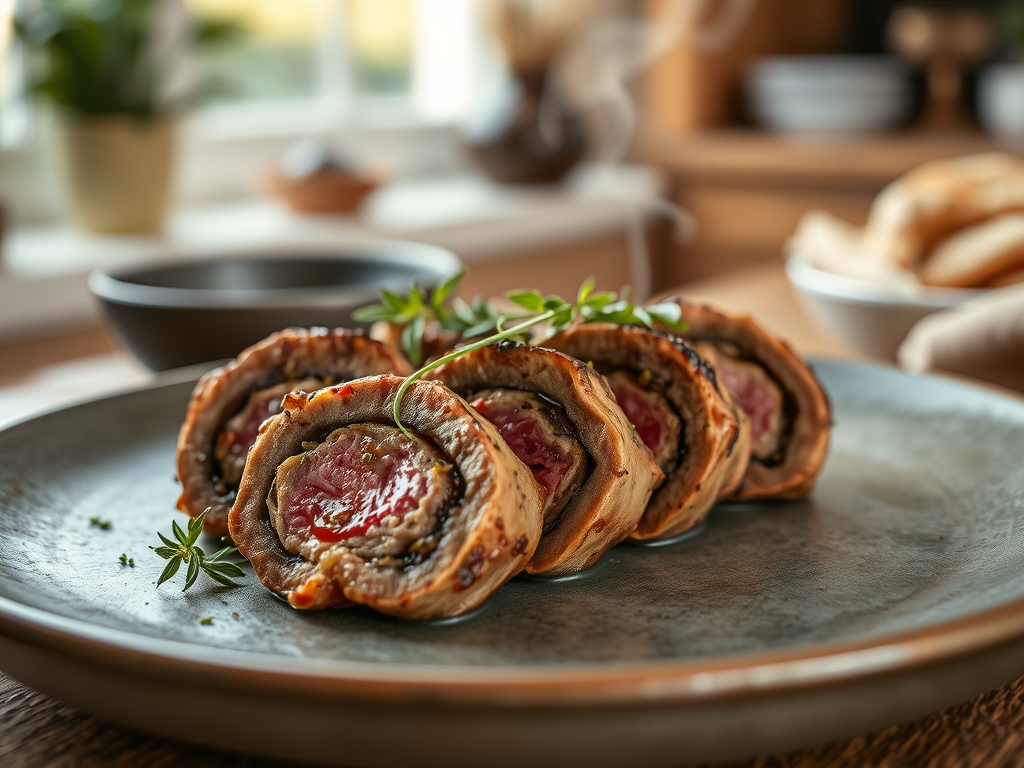
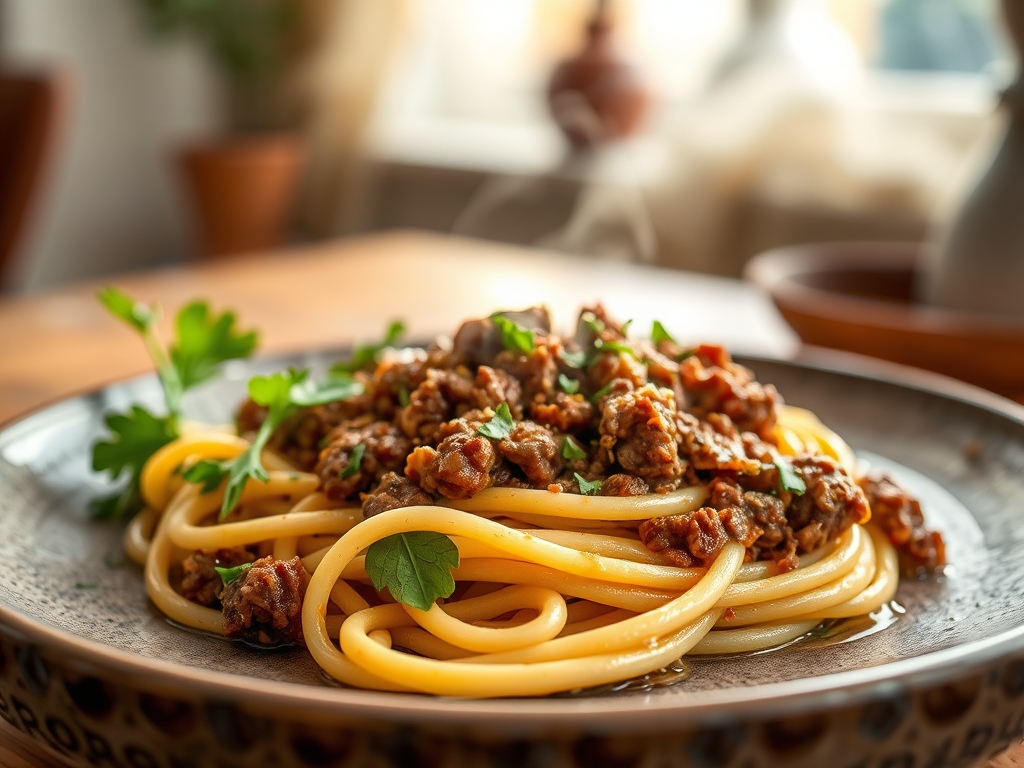
Picture a heavy, cast-iron skillet resting on your stovetop; the surface is shimmering with the golden rendered fat of prime chuck. As you drop the pasta into a roiling pot of salted water, the kitchen fills with the scent of toasted garlic and sweet basil. Mastering fettuccine ground beef recipes is about more than just a quick dinner. It is an exploration of texture, where the wide ribbons of pasta act as a structural canvas for rich, savory sauces. Whether you are hosting a lively dinner party or seeking the ultimate comfort food, these nine variations on the classic beef bake offer a masterclass in flavor architecture. We are moving beyond the basic red sauce to explore creamy gorgonzola infusions, smoky chipotle glazes, and herbaceous pestos that cling to every strand of al dente pasta.
The Gathers:
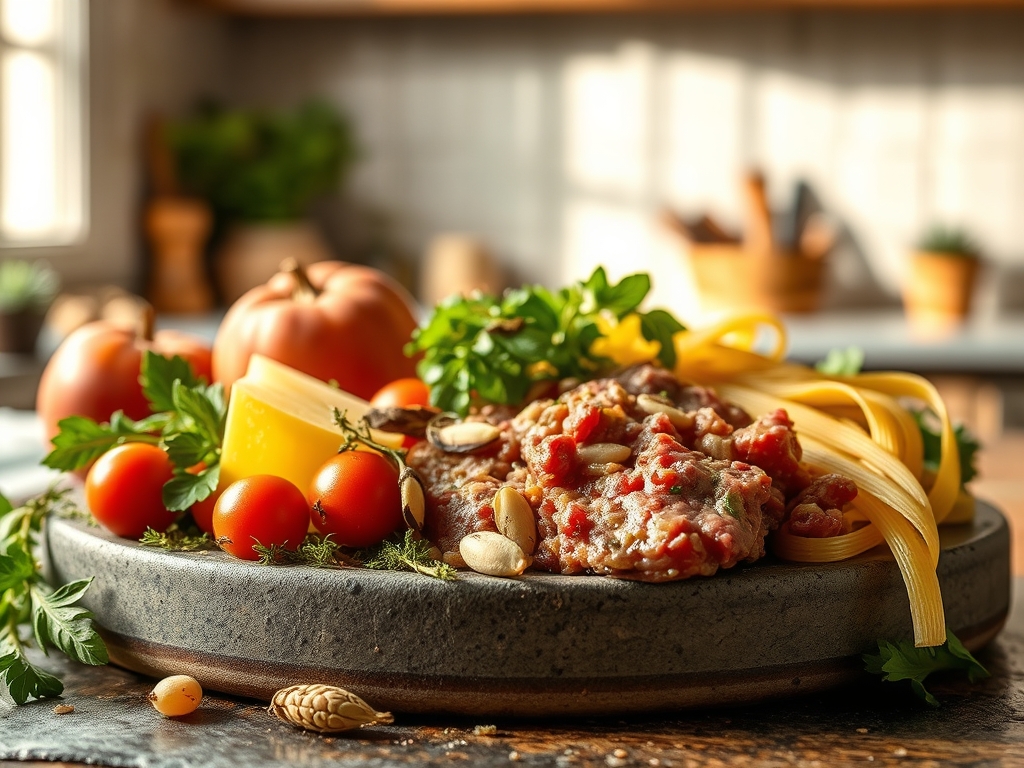
To achieve a restaurant-grade result, your mise-en-place must be precise. Start with high-quality ground beef, preferably an 80/20 blend. This ratio ensures enough fat to render out, creating a flavorful base for your aromatics. You will need a digital scale to measure exactly twelve ounces of fettuccine; precision here prevents the sauce-to-pasta ratio from skewing toward the dry side. Gather your aromatics: yellow onions for their high sugar content, cloves of garlic to be processed through a microplane for maximum surface area, and fresh herbs like rosemary and thyme.
For the dairy component, reach for heavy cream and freshly grated Parmigiano-Reggiano. Avoid the pre-shredded varieties in green cans; they contain cellulose, an anti-caking agent that prevents the cheese from melting into a viscous, smooth emulsion. If you are looking for smart substitutions, consider ground bison for a leaner, more piquant profile, or swap the heavy cream for full-fat coconut milk to introduce a subtle sweetness that pairs beautifully with spicy beef profiles. Always keep a bottle of dry white wine, like a Pinot Grigio, nearby to deglaze the pan and lift the fond from the bottom.
The Clock:
Efficiency in the kitchen is governed by what I call the Chef's Flow. Total active prep time for these fettuccine ground beef recipes sits at approximately 20 minutes, with a 30-minute bake time. The secret is overlapping your tasks. While your water reaches a boil, you should be browning the meat. By the time the pasta reaches a state just before al dente, your sauce should be fully infused and ready for the marriage of ingredients. This synchronized timing ensures the pasta does not sit and oxidize, which would lead to a gummy, starch-heavy mouthfeel.
The Masterclass:
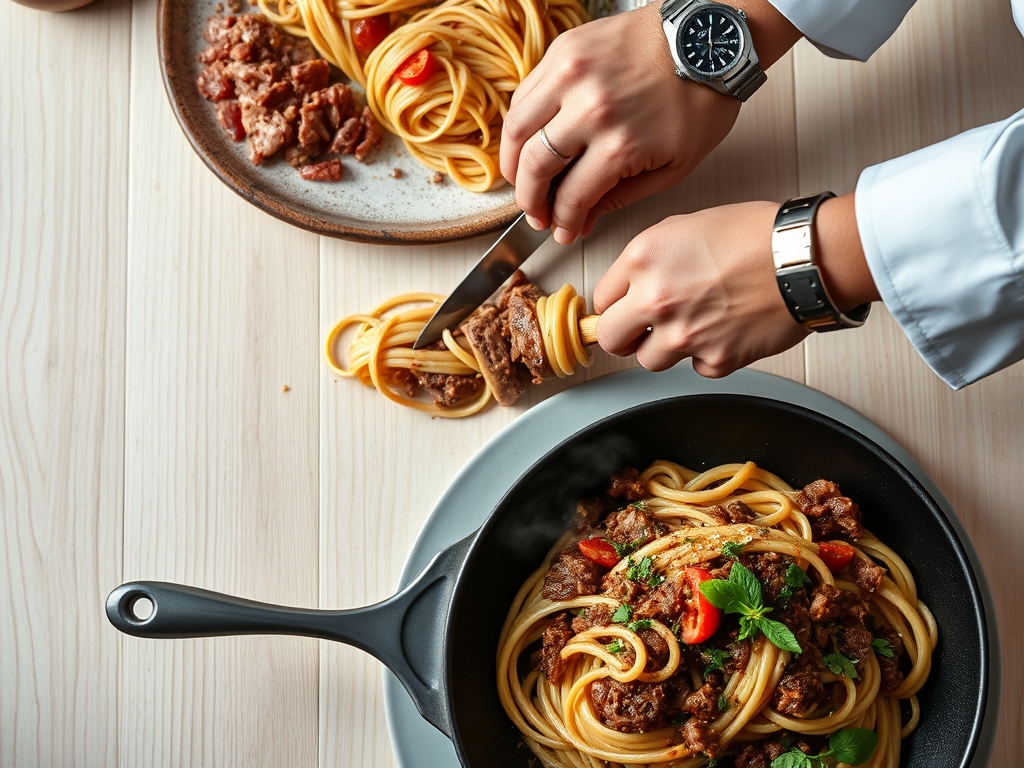
1. Achieve the Maillard Reaction
Heat your heavy-bottomed skillet until it is searing hot before adding the beef. Use a bench scraper or a stiff spatula to break the meat into small, uniform crumbles. Do not crowd the pan; overcrowding drops the temperature and causes the meat to steam in its own juices rather than brown.
Pro Tip: The Maillard reaction is a chemical reaction between amino acids and reducing sugars that gives browned food its distinctive flavor. By letting the meat sit undisturbed for three minutes, you maximize this enzymatic browning, creating a deeper, more complex savory profile.
2. Deglaze and Build the Base
Once the meat is browned, remove it with a slotted spoon, leaving the fat behind. Toss in your onions and celery. Once they are translucent, pour in half a cup of wine or beef stock. Use a wooden spoon to scrape up the browned bits, or fond, from the bottom of the pan.
Pro Tip: Deglazing is not just about cleaning the pan; it is about capturing the concentrated proteins left behind. The alcohol in wine acts as a solvent, releasing flavor molecules that are not water-soluble, resulting in a more layered sauce.
3. The Emulsion Phase
Lower the heat and slowly incorporate your cream and cheese. Use a saucier if you have one, as the rounded bottom allows for better whisking. Slowly whisk in the dairy to ensure the fats and liquids do not separate.
Pro Tip: This is the science of emulsification. By adding the cheese gradually, you allow the proteins to disperse evenly throughout the liquid. If added too fast, the proteins will clump together, resulting in a grainy texture.
4. The Al Dente Marriage
Boil your fettuccine in highly salted water (it should taste like the sea). Remove the pasta two minutes before the package instructions suggest. Transfer the noodles directly into the sauce using tongs, bringing a bit of the starchy pasta water with them.
Pro Tip: This is known as finishing the pasta in the sauce. The starches in the pasta water act as a binding agent, helping the sauce adhere to the wide, flat surface of the fettuccine ribbons.
5. The Final Bake
Transfer the mixture to a ceramic baking dish. Top with a layer of mozzarella or provolone for that iconic cheese pull. Bake at 375 degrees Fahrenheit until the top is bubbling and golden brown.
Pro Tip: Watch for thermal carryover. The internal temperature of the bake will continue to rise by about five degrees after you pull it from the oven. Removing it when it is just bubbly prevents the beef from overcooking and becoming tough.
The Deep Dive:
When we look at the macro nutrition, a standard serving of these fettuccine ground beef recipes provides roughly 35 grams of protein, 45 grams of carbohydrates, and 22 grams of fat. It is a calorie-dense meal designed for satiety. For those with dietary restrictions, the swaps are simple. For a Keto-friendly version, replace the pasta with roasted spaghetti squash or shirataki noodles. For a vegan twist, use a plant-based crumble and a cashew-based cream sauce enriched with nutritional yeast for that "cheesy" hit.
The Fix-It:
If your sauce breaks and looks oily, whisk in a tablespoon of hot pasta water; the starch will help re-emulsify the fats. If the beef feels "rubbery," it likely boiled in its own liquid rather than searing; next time, ensure the pan is hotter. If the pasta is too soft, you likely overcooked it during the boiling phase; remember that it continues to cook during the baking process.
Meal Prep:
To maintain "day-one" quality when reheating, avoid the microwave if possible. Instead, place a portion in a small skillet with a splash of milk or water. Cover it and heat on low. This creates steam that re-hydrates the starch molecules in the pasta, preventing it from becoming brittle or dry.
The Wrap-Up:
There is something inherently magical about the way a simple box of pasta and a pound of ground beef can transform into a gourmet experience. By focusing on the science of the sear and the chemistry of the emulsion, you elevate a humble weeknight staple into a dish that demands a second helping. Put on your favorite playlist, grab your tongs, and let the aroma of browning beef and melting cheese take over your kitchen. You have the tools, the technique, and the "why" behind every step. Now, go make something delicious!
The Kitchen Table:
How do I keep my ground beef from being greasy?
Drain the excess fat after browning, but leave about one tablespoon in the pan. This small amount of fat is essential for sautéing your aromatics and building a flavorful, cohesive sauce base without making the final dish feel heavy.
Can I use frozen ground beef for these recipes?
Yes, but ensure it is fully thawed in the refrigerator first. Pat the meat dry with paper towels before hitting the pan. Excess moisture on frozen meat leads to steaming rather than the desired Maillard browning.
Why does my cheese sauce always turn out grainy?
Graininess usually occurs when the heat is too high, causing the cheese proteins to tighten and squeeze out the fat. Always melt your cheese over low heat and use freshly grated blocks rather than pre-shredded bags.
What is the best way to salt pasta water?
Add about one tablespoon of kosher salt per four quarts of water. The salt seasons the pasta from the inside out as it absorbs the liquid, which is the only chance you have to flavor the noodle itself.