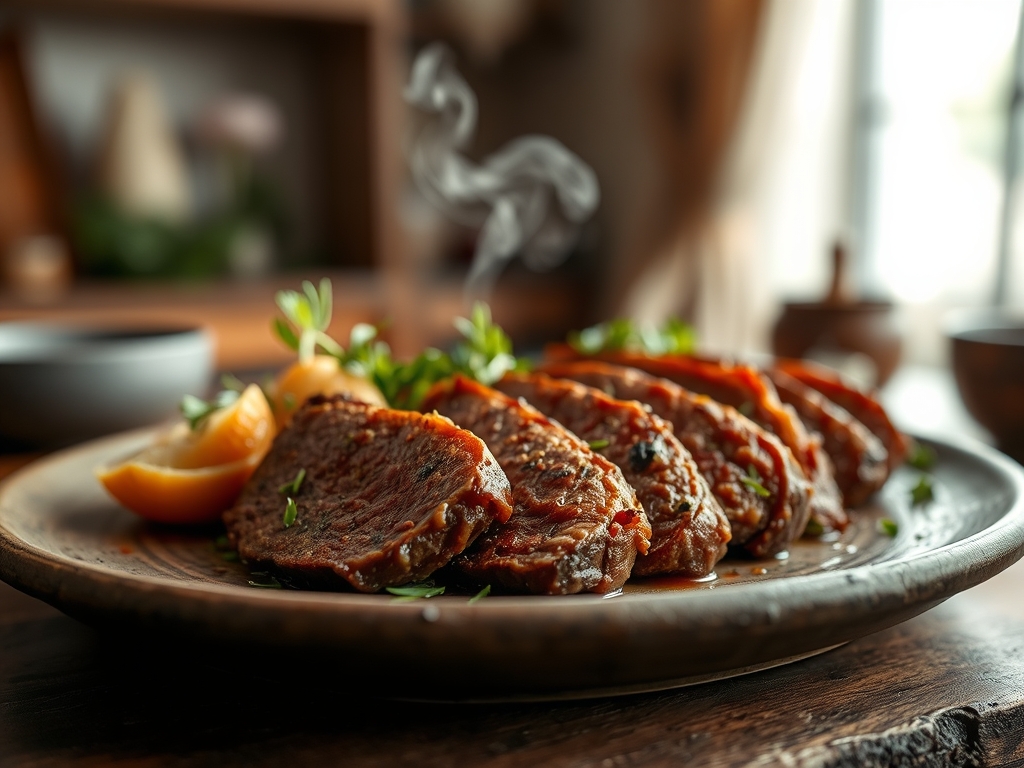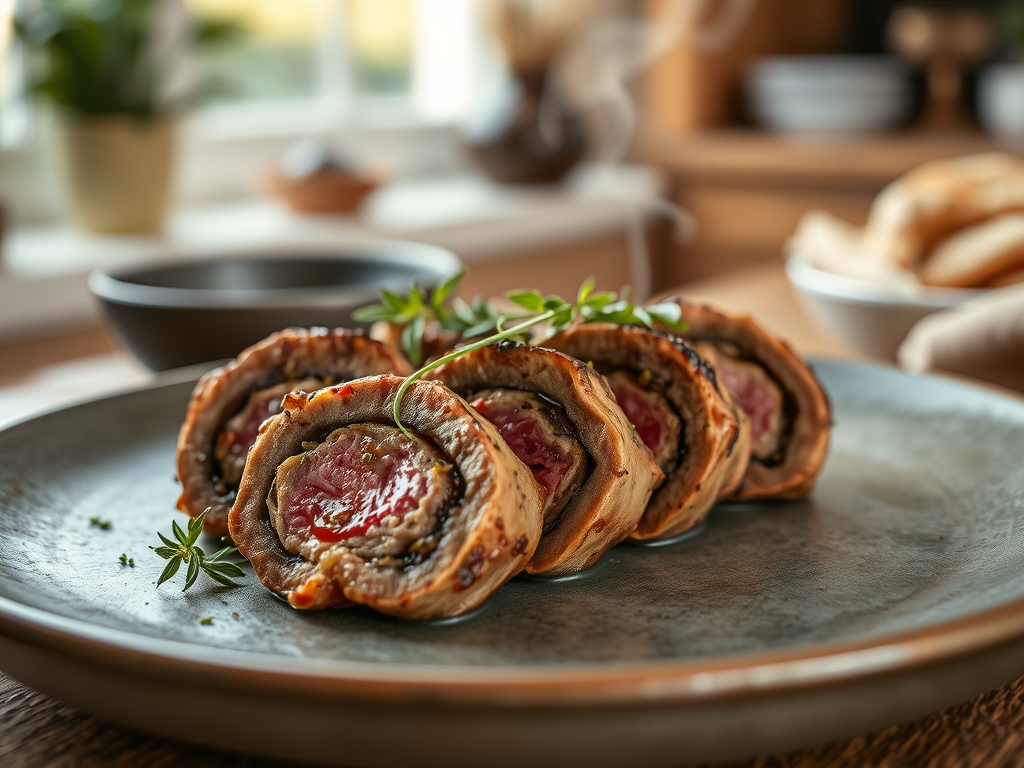
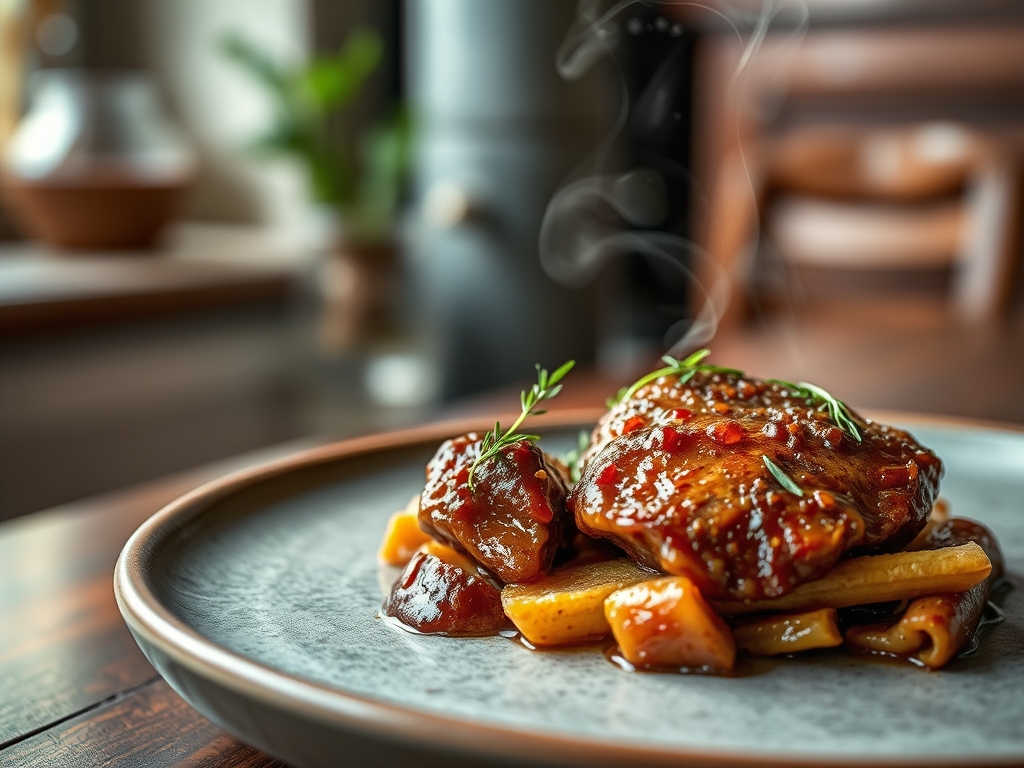
Imagine a heavy bottomed skillet radiating heat as a marbled ribeye hits the surface with a violent hiss. Within seconds, the air transforms into a thick perfume of charred oak, toasted sugar, and deep, savory fat. This is the alchemy of bourbon beef recipes; a culinary marriage where the rugged punch of Kentucky corn mash meets the buttery richness of prime protein. We are not just cooking dinner tonight. We are orchestrating a chemical transformation that turns a simple cut of meat into a lacquered, mahogany masterpiece. If you have ever wondered why some glazes slide off the meat while others cling like a velvet glove, you are in the right place. We are going to master the science of the reduction, the art of the sear, and the precise moment when alcohol evaporates to leave only its sophisticated, caramel soul behind.
The Gathers:
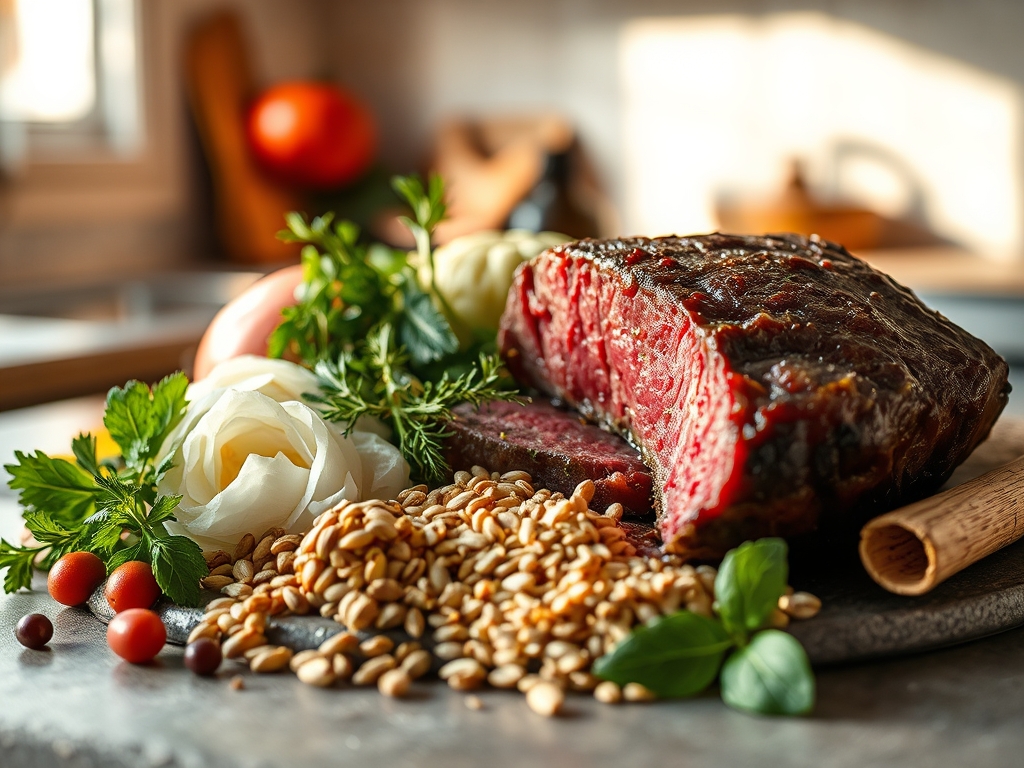
To execute this dish with precision, your mise-en-place must be flawless. Start with 1.5 pounds of sirloin tips or ribeye, cubed into uniform one inch pieces to ensure even thermal distribution. You will need a digital scale to measure out 120ml of high rye bourbon; the spicy notes of rye stand up better to heat than sweeter wheated varieties. For the viscous base of our glaze, gather dark brown sugar, low sodium soy sauce, and toasted sesame oil.
The aromatic profile requires fresh ginger and garlic. Use a microplane to grate these into a fine paste; this increases the surface area for maximum flavor infusion without the risk of burnt, bitter chunks. You will also need cornstarch for a slurry, which acts as a thickening agent through starch gelatinization.
Smart Substitutions: If you are avoiding alcohol, a mix of apple cider vinegar and a drop of liquid smoke mimics the acidity and woodiness of bourbon. For a soy free alternative, coconut aminos offer a similar umami profile with a lower glycemic index. If you cannot find ribeye, a well trimmed flank steak works beautifully, provided you slice it against the grain to break up the tough muscle fibers.
The Clock
Prep Time: 20 minutes. This includes the meticulous trimming of silver skin and the precise dicing of aromatics. Do not rush the drying of the beef. Use a paper towel to remove every trace of surface moisture.
Cook Time: 15 minutes. The actual heat application is fast and aggressive. We are looking for a high heat sear followed by a rapid glaze reduction.
Chef's Flow: Total time is approximately 35 minutes. The "flow" here is about heat management. While the beef rests after its initial sear, you will use that same pan to build the sauce. This allows the fond (those caramelized brown bits) to incorporate into the liquid, ensuring no flavor is wasted.
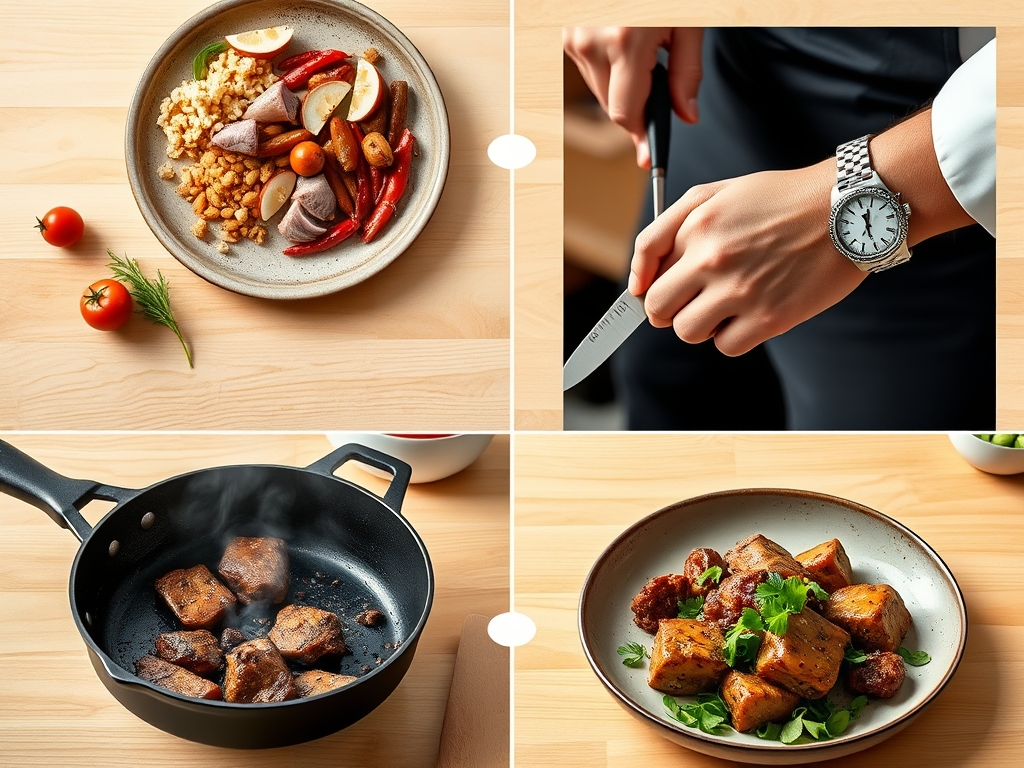
The Masterclass
1. The High Heat Sear
Pat your beef dry and season generously with kosher salt. Heat a heavy bottomed skillet (cast iron is king here) until it reaches the Leidenfrost point, where a drop of water beads and dances. Add a high smoke point oil like avocado oil and sear the beef in batches. Do not crowd the pan.
Pro Tip: This stage relies on the Maillard reaction. If the pan is crowded, the temperature drops and the beef steams in its own juices rather than browning. A perfect sear creates hundreds of new flavor compounds that define bourbon beef recipes.
2. Deglazing the Fond
Remove the beef and set it aside on a warm plate. Lower the heat slightly and add your bourbon. Use a wooden spatula or bench scraper to lift the browned bits from the bottom of the pan. This process, known as deglazing, captures the concentrated proteins stuck to the metal.
Pro Tip: Alcohol is a powerful solvent. It dissolves flavor compounds that water or oil cannot touch, pulling deep woody notes from the pan surface and integrating them into the liquid base.
3. Building the Glaze
Add the brown sugar, soy sauce, ginger, and garlic to the bubbling bourbon. Whisk constantly as the sugars begin to caramelize. The mixture should transition from a thin liquid to a slightly syrupy consistency.
Pro Tip: Watch for the bubbles to change size. As water evaporates, the bubbles become larger and more viscous. This is the signal that the sugar concentration is reaching the "thread stage" necessary for a sticky coating.
4. The Emulsion and Finish
Return the beef and any accumulated juices to the pan. Drizzle in your cornstarch slurry and toss the meat using tongs to ensure every surface is coated. The sauce will turn translucent and glossy almost instantly.
Pro Tip: This is starch gelatinization. The cornstarch molecules swell and trap water, creating a thick network that clings to the beef. The accumulated juices from the resting plate also contain myoglobin, which adds extra depth to the final sauce.
The Deep Dive
Macro Nutrition: A standard serving of this bourbon beef provides approximately 340 calories, 28g of protein, 12g of fat, and 14g of carbohydrates. The protein density makes it highly satiating, though the sugar content in the glaze should be noted for those tracking macros.
Dietary Swaps:
- Keto: Replace brown sugar with a monk fruit erythritol blend and use xanthan gum instead of cornstarch.
- Vegan: Use extra firm pressed tofu or seitan chunks. Ensure the bourbon is vegan friendly (most are, but some use fining agents).
- Gluten-Free: Swap soy sauce for tamari or liquid aminos.
The Fix-It:
- The Sauce is Too Thin: Simmer for another two minutes or add a secondary teaspoon of slurry. Never add dry starch directly to hot liquid or it will clump.
- The Beef is Tough: You likely skipped the resting phase. Let the meat sit for five minutes before serving to allow the muscle fibers to reabsorb moisture.
- The Glaze is Too Salty: Balance the sodium with a squeeze of fresh lime juice or a teaspoon of rice vinegar. Acidity cuts through salt and fat.
Meal Prep: To maintain "day one" quality, store the beef and sauce separately from your grains. When reheating, add a splash of water or beef broth to the container. This creates steam in the microwave or pan, preventing the sugars in the glaze from burning and keeping the beef tender.
The Wrap-Up
Mastering bourbon beef recipes is a rite of passage for any home cook looking to bridge the gap between casual dining and professional gastronomy. It is a dish that demands respect for heat and an understanding of how liquids reduce into concentrated essences. When you pull that skillet off the burner and see the light reflecting off the dark, amber glaze, you will know you have nailed it. Serve this over a bed of jasmine rice or alongside charred broccolini to balance the richness. Now, grab your favorite bottle of bourbon and get to work; your kitchen is about to smell like the best steakhouse in the city.
The Kitchen Table
Can I use any type of whiskey for this recipe?
While you can use Scotch or Irish whiskey, bourbon is preferred for its high corn content. This provides a natural sweetness and vanilla undertone that complements the beef and brown sugar better than the smoky, peaty notes of Scotch.
Why did my glaze turn into a hard candy?
You likely overcooked the sugars. If the temperature of the glaze exceeds 300 degrees Fahrenheit, it reaches the "hard crack" stage. Keep the heat at a medium simmer and remove it from the burner as soon as it coats a spoon.
How do I get a better sear on the meat?
The secret is surface moisture. If the beef is damp, the heat energy is wasted evaporating water instead of browning the meat. Always pat the beef dry with paper towels and ensure the pan is shimmering hot before adding the protein.
Is the alcohol content safe for children?
Most of the ethanol evaporates during the boiling and reduction process. However, a small percentage (around 5 to 15 percent) may remain. If this is a concern, use the apple cider vinegar and liquid smoke substitution mentioned in the Gathers section.