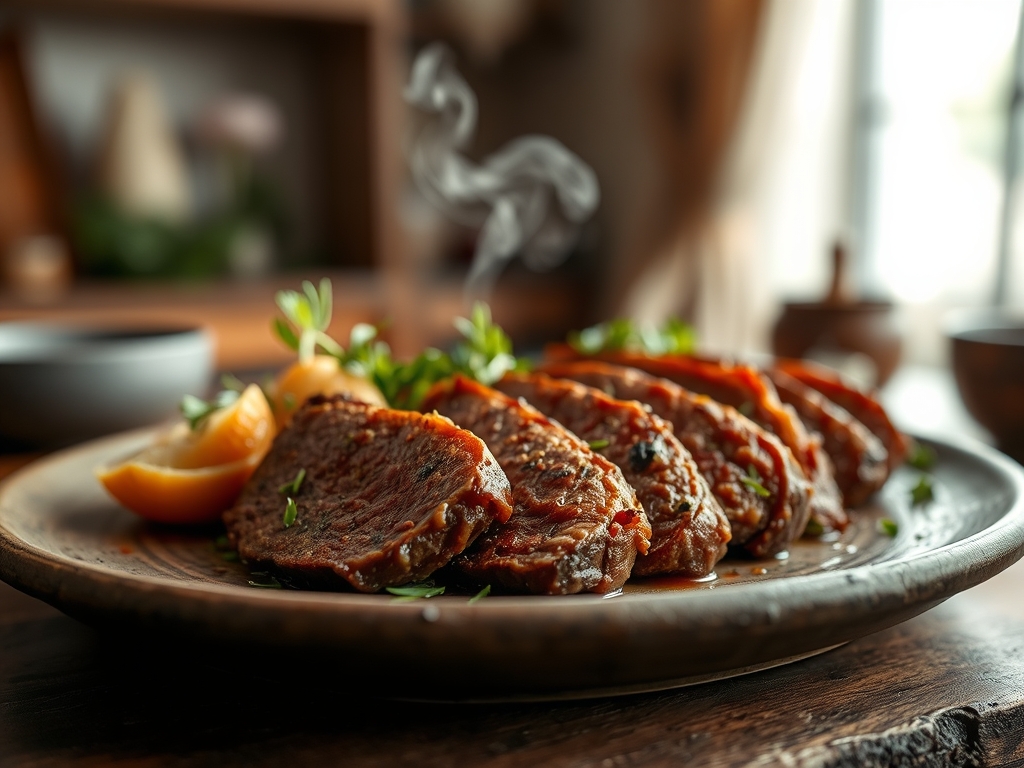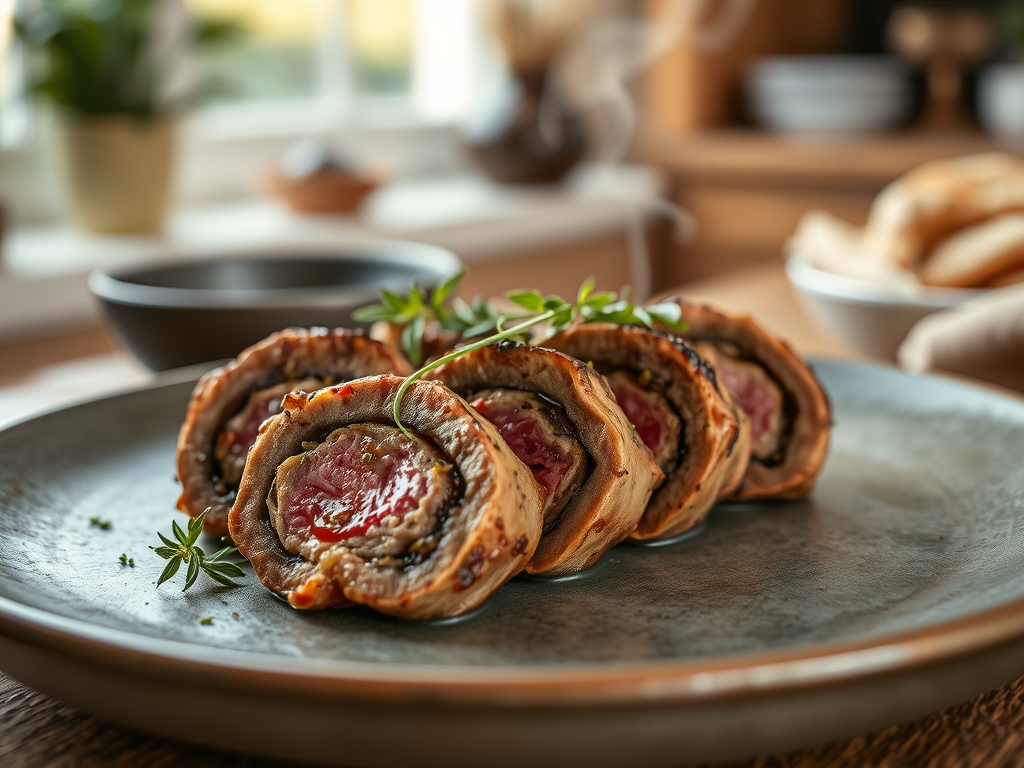
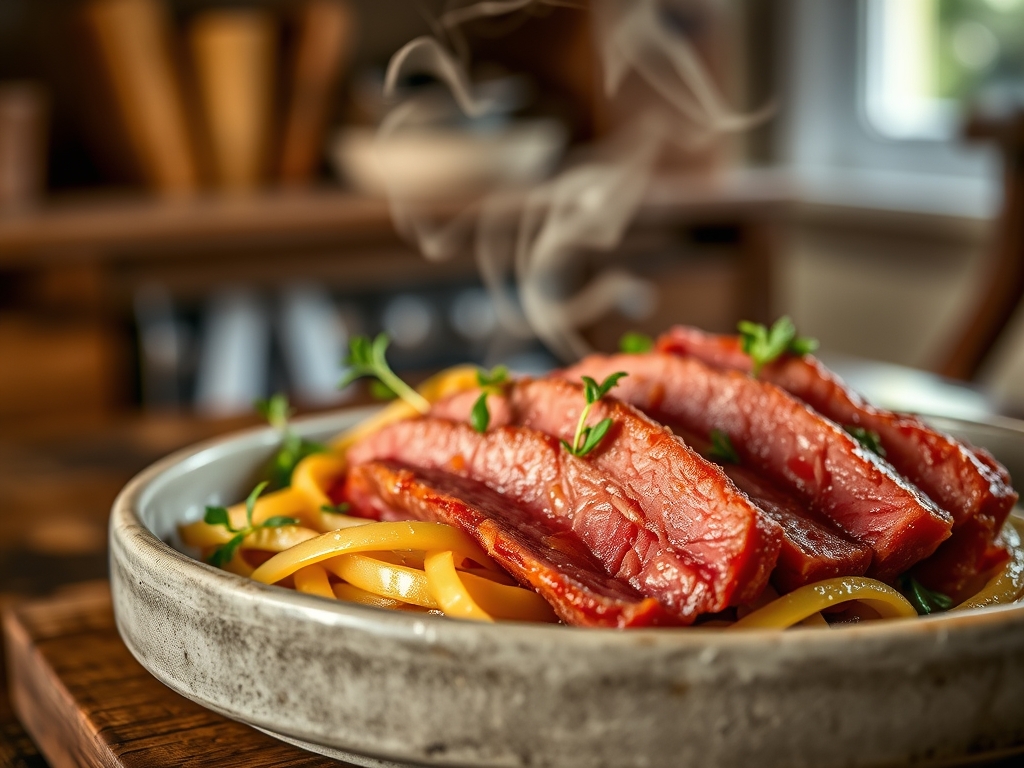
Picture the kitchen at 6:00 PM as the scent of toasted pickling spices and slow-rendered fat begins to drift through the hallways. There is something primal about the aroma of salt-cured brisket hitting a hot pan. If you are hunting for the ultimate grobbel's corned beef recipes, you are likely looking for that perfect balance of salt, spice, and melt-in-your-mouth tenderness. We are moving far beyond the standard boiled dinner today. We are talking about deep browning, crispy edges, and savory glazes that transform a humble cut into a culinary masterpiece.
The secret to a truly memorable meal lies in the quality of the cure. Grobbel's has been refining this process since 1883; they understand how brine penetration affects the muscle fibers of the brisket. When you cook this beef, you are working with a product that has already undergone a slow, enzymatic transformation. Our goal is to respect that history while applying modern techniques like Maillard-induced searing and acid-based deglazing to elevate the flavor profile. Whether you are craving a crunchy hash or a succulent glazed roast, these methods will ensure your results are consistent and professional every single time.
The Gathers:
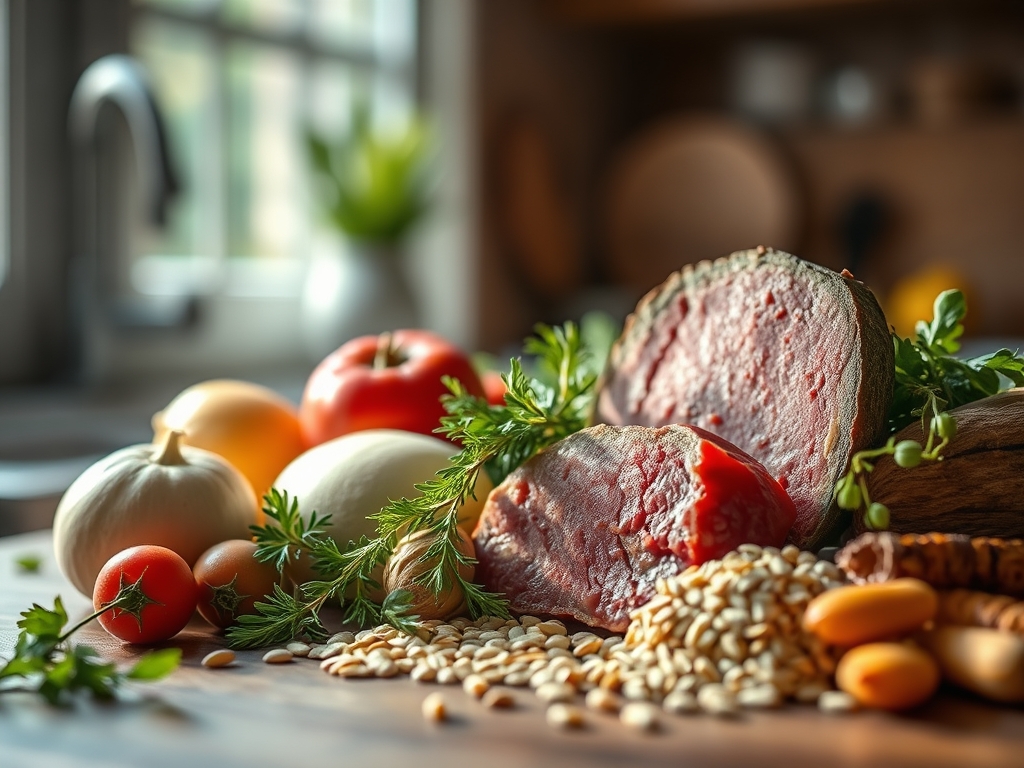
To execute these recipes with precision, your mise-en-place must be flawless. Start with your primary protein: a high-quality Grobbel's flat or point cut brisket. You will need a heavy-bottomed skillet or a cast iron dutch oven to manage heat distribution. For the aromatics, gather whole peppercorns, bay leaves, and mustard seeds. If your kit includes a spice packet, use a mortar and pestle to lightly crack the seeds; this increases the surface area and allows the essential oils to infuse the cooking liquid more effectively.
For the supporting cast, you want high-moisture vegetables like Yukon Gold potatoes, which have a waxy texture that holds up during long braises. Use a microplane to zest fresh horseradish for a piquant finish. If you need a smart substitution for traditional cabbage, try shredded Brussels sprouts or lacinato kale; these sturdier greens provide a nutty contrast to the salty beef. For a keto-friendly swap, replace the potatoes with daikon radish or cauliflower florets. If you are watching your sodium, soak the raw brisket in cold water for two hours before cooking to leach excess salt without sacrificing the structural integrity of the meat.
The Clock:
Mastering the "Chef's Flow" is about timing your active work against the passive breakdown of collagen. For most grobbel's corned beef recipes, you are looking at a prep time of 20 minutes and a total cook time of three to four hours. The first hour is about reaching the simmer point; the subsequent hours are about the slow conversion of tough connective tissue into gelatin.
If you are using a pressure cooker, you can compress this timeline to 90 minutes. However, the cooling phase is just as vital as the heating phase. Always allow for a 20-minute rest period. This prevents the internal juices from rushing out of the meat fibers, ensuring each slice remains moist. Plan to start your side dishes during the final 30 minutes of the beef's cook cycle so everything hits the table at the optimal temperature.
The Masterclass:
1. The Initial Sear and Render
Place your brisket fat-side down in a cold heavy-bottomed skillet and gradually raise the heat to medium. This allows the fat to render slowly rather than burning. Once a pool of liquid gold forms, sear all sides until a deep brown crust develops.
Pro Tip: This process relies on the Maillard reaction, a chemical dance between amino acids and reducing sugars. Searing before braising creates complex flavor compounds that cannot be achieved through boiling alone.
2. The Aromatic Infusion
Remove the meat and add your mirepoix (onions, carrots, celery) to the rendered fat. Use a bench scraper to toss the vegetables, ensuring they are evenly coated. Add your cracked spices and toast them for 60 seconds until fragrant.
Pro Tip: Toasting spices is a process of volatilization. Heat releases the aromatic compounds trapped in the dried seeds, which then infuse the liquid more deeply than raw spices would.
3. Deglazing the Fond
Pour in a splash of stout beer or apple cider vinegar to deglaze the pan. Use a wooden spoon to scrape up the "fond" (the brown bits stuck to the bottom). This is concentrated flavor that adds body to your sauce.
Pro Tip: The acid in the liquid helps break down the tough protein chains in the brisket. This chemical tenderization works in tandem with the heat to create a succulent texture.
4. The Low and Slow Braise
Return the beef to the pot and submerge it halfway in stock. Cover tightly and move to a 300 degree oven. Check the liquid levels every hour; you want a slow, gentle bubble, never a violent boil.
Pro Tip: Maintaining a sub-boiling temperature prevents the muscle fibers from tightening and becoming "stringy." Consistent thermal energy ensures the gelatin melts smoothly into the fibers.
5. The Glaze Application
In the final 20 minutes, remove the lid and brush the top of the beef with a mixture of brown sugar and Dijon mustard. Increase the oven heat to 400 degrees to set the glaze.
Pro Tip: This creates a viscous coating through caramelization. The sugar bonds with the surface proteins to create a sweet and savory shell that contrasts with the salty interior.
6. The Precision Slice
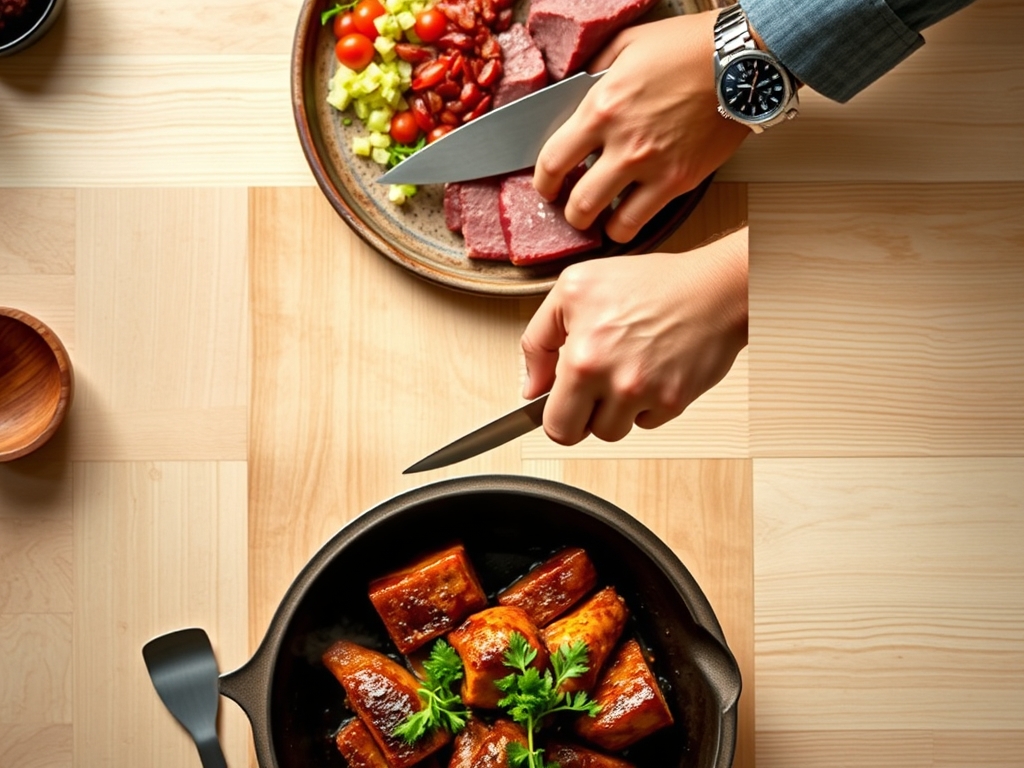
Transfer the beef to a cutting board and let it rest. Use a sharp carving knife to slice against the grain. Look at the muscle fibers; they should look like tight ropes. You want to cut perpendicular to these ropes.
Pro Tip: Slicing against the grain shortens the fibers, making the meat easier to chew. This is an application of mechanical tenderization that significantly improves the mouthfeel.
7. The Emulsified Pan Sauce
Strain the cooking liquid into a saucier. Whisk in a knob of cold butter until the sauce becomes glossy and thick.
Pro Tip: This is called mounting with butter (monter au beurre). The fat in the butter creates a temporary emulsion with the braising liquid, resulting in a rich, velvety sauce that clings to the meat.
The Deep Dive:
From a macro perspective, corned beef is a powerhouse of protein and B vitamins, though it is high in sodium and saturated fats. A 4-ounce serving typically contains 18g of protein and 0g of carbohydrates. For those on a Keto diet, this is an ideal main course when paired with roasted radishes. If you are Gluten-Free, ensure your braising liquid is a GF-certified stock rather than beer.
Common pitfalls include "The Rubber Snap," where the meat is tough because it was boiled too hard. The fix is simple: drop the temperature and add time. If your beef is too salty, "The Potato Sponge" trick works; toss a few extra raw potatoes into the pot to absorb the excess brine. If the meat is dry, it likely didn't rest long enough. To reheat leftovers, use the sous-vide method or a damp paper towel in the microwave to prevent the proteins from denaturing and turning into leather.
The Wrap-Up:
Cooking Grobbel's beef is an exercise in patience and precision. By focusing on the science of the sear, the chemistry of the braise, and the art of the rest, you transform a grocery staple into a gourmet experience. Remember that the best recipes are the ones where you control the variables. Don't be afraid to experiment with different aromatics or glazes. Now, grab your tongs and get to work; your kitchen is about to smell incredible!
The Kitchen Table:
How do I prevent my corned beef from being tough?
Keep the temperature low and consistent. Simmering, not boiling, allows the collagen to convert into gelatin. If the meat is tough, it simply needs more time at a low temperature to break down the connective tissues properly.
Can I cook Grobbel's corned beef in a slow cooker?
Yes, place the brisket in the slow cooker with one cup of water or broth. Cook on the low setting for 8 to 10 hours. This slow thermal transfer ensures the beef remains tender and flavorful without drying out.
Why should I slice corned beef against the grain?
Slicing against the grain cuts through the long muscle fibers, making the meat much easier to chew. If you slice with the grain, the meat will feel stringy and tough, regardless of how long you cooked it.
How do I store and reheat leftovers?
Store leftovers in an airtight container with a bit of the cooking liquid. Reheat gently in a covered skillet over low heat. Adding a splash of water creates steam, which prevents the beef from becoming dry and salty during reheating.