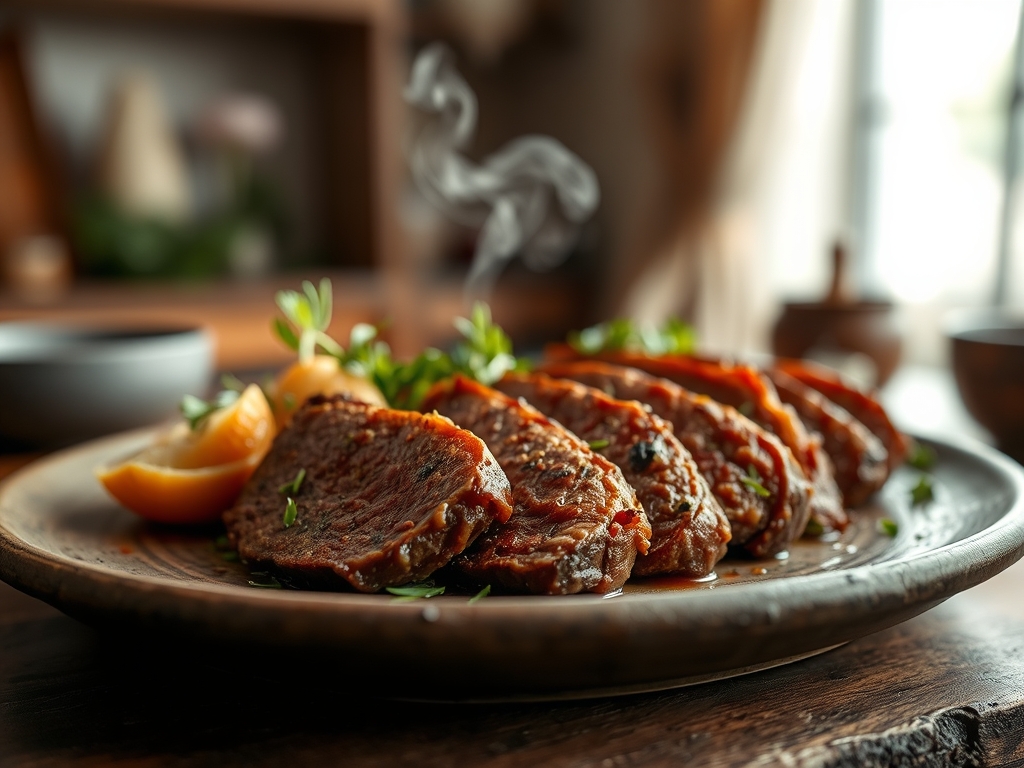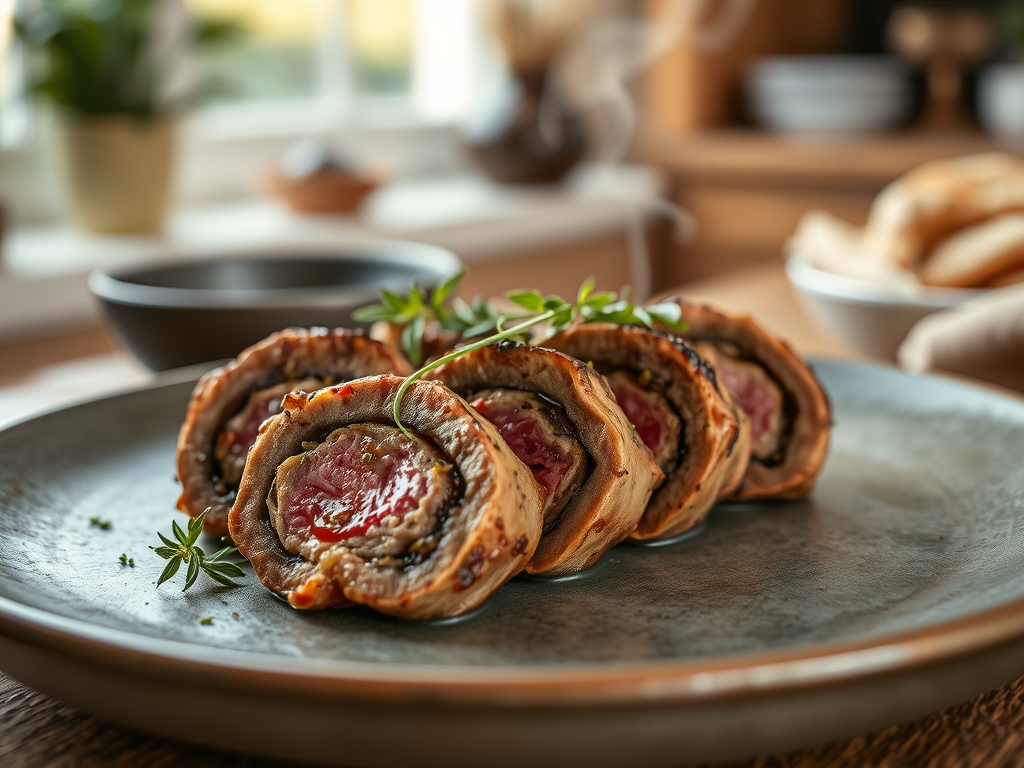
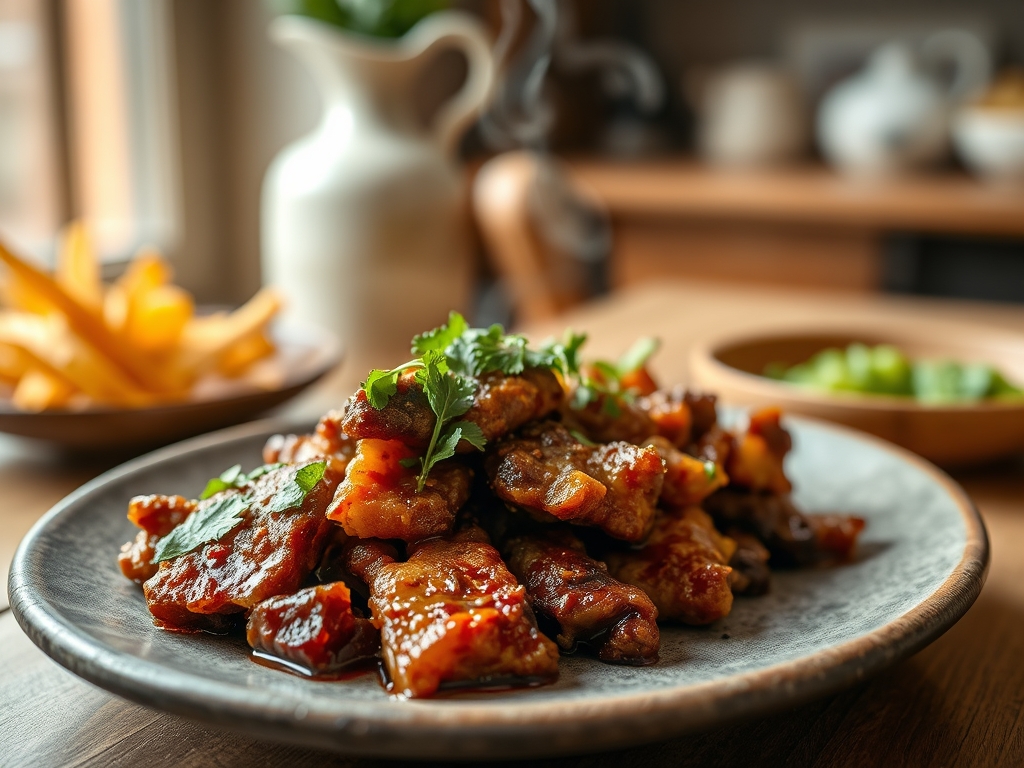
Close your eyes and listen for that distinct, aggressive sizzle. You know the one; it is the sound of moisture escaping a hot pan as protein transforms into something transcendental. Finding the perfect fried beef recipes is not just about following a list of instructions. It is about mastering the chaotic physics of heat and fat to achieve that shatteringly crisp exterior while maintaining a velvet interior. Most home cooks struggle with gray, rubbery strips that steam rather than sear. We are going to fix that today. By understanding the molecular mechanics of the Maillard reaction, we can turn a humble flank steak into a masterpiece of texture and depth. Grab your apron and your favorite heavy-bottomed skillet. We are diving deep into the chemistry of the crunch to ensure your next meal is nothing short of legendary.
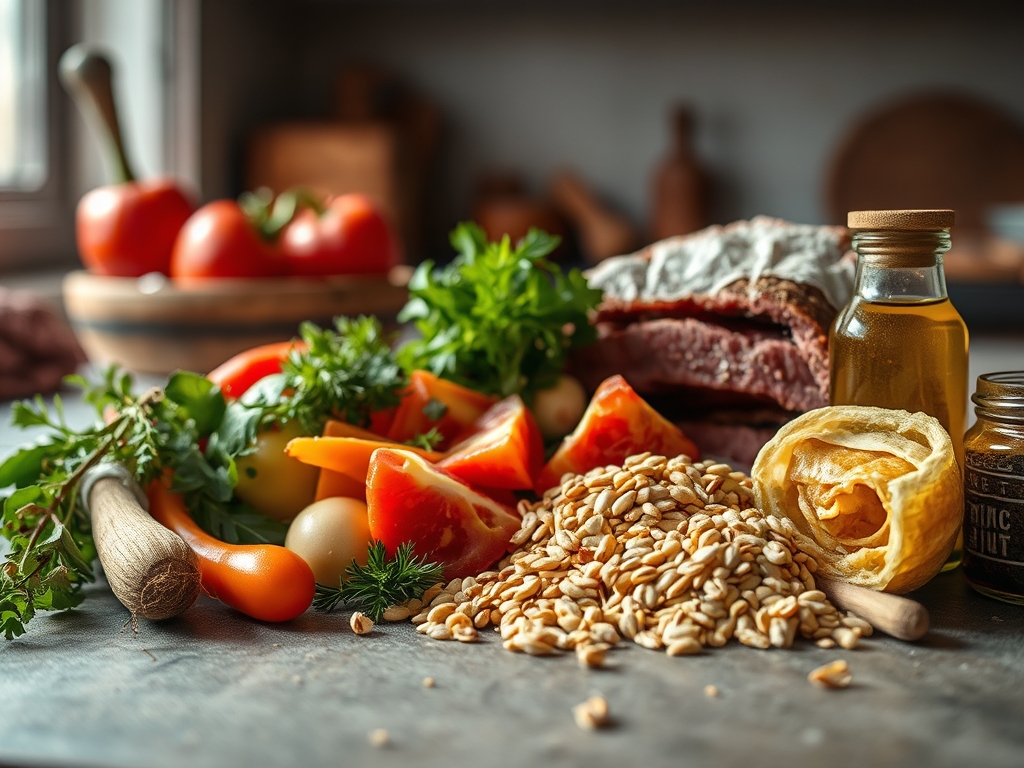
The Gathers:
To achieve professional results, your mise-en-place must be precise. Start with a lean, fibrous cut like flank, skirt, or top round. These cuts possess the structural integrity to withstand high heat without disintegrating. You will need a high-smoke-point lipid; avocado oil or refined peanut oil are ideal because they remain stable above 400 degrees Fahrenheit. For the coating, we utilize a combination of cornstarch and baking soda. The starch provides the viscous barrier needed for crunch, while the baking soda raises the pH level of the meat surface, accelerating enzymatic browning.
Smart Substitutions: If you are avoiding cornstarch, arrowroot powder offers a similar crystalline structure when fried. For those seeking a deeper piquant profile, swap standard soy sauce for liquid aminos or a dash of Worcestershire sauce to infuse the muscle fibers with umami. Always use a digital scale to measure your dry ingredients; precision is the difference between a light dusting and a gummy mess. Ensure your beef is sliced against the grain to shorten the muscle fibers, making every bite tender.
The Clock
Efficiency in the kitchen relies on "Chef's Flow," which is the art of sequencing tasks to minimize downtime. Preparation requires 20 minutes of active slicing and marinating. This includes the "velveting" phase, where the beef rests in a slurry to tenderize. The actual cook time is remarkably fast; usually 3 to 5 minutes per batch. However, do not overlook the 10-minute rest period post-fry. This allows the internal juices to redistribute, preventing a watery plate. Total time from counter to table is roughly 35 minutes. Using a bench scraper to clear your station as you go will keep your workspace functional and your mind focused on the heat.
The Masterclass
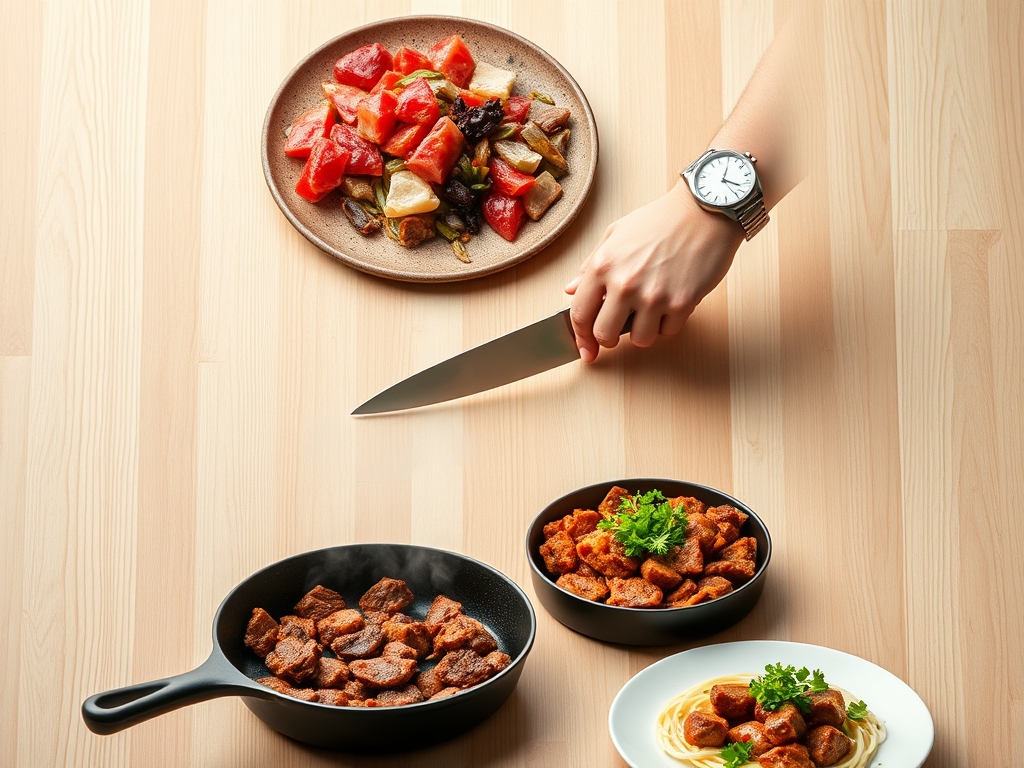
1. The Precision Slice
Begin by placing your beef in the freezer for 15 minutes. This firms up the lipids and proteins, allowing you to use a sharp chef's knife to create uniform, paper-thin slices. Uniformity is key for even heat distribution.
Pro Tip: Cutting against the grain is a mechanical way to tenderize. By severing the long collagen sheaths, you ensure the teeth do less work, making even tougher cuts feel like butter.
2. The Velveting Technique
Place the beef in a bowl and toss with an egg white, a splash of rice wine, and cornstarch. This creates a protective alkaline coating. This step is a staple in high-end fried beef recipes because it prevents the protein from toughening when it hits the oil.
Pro Tip: This is known as alkaline tenderization. The baking soda breaks down the physical bonds between proteins, preventing them from tightening into a "knot" when exposed to extreme heat.
3. The Aeration Phase
Before the beef hits the pan, dredge it one last time in dry starch and shake off the excess. Use a stainless steel spider or a perforated spoon to ensure the pieces are separated and not clumped together.
Pro Tip: Aerate your dry coating by whisking it vigorously. Introducing air into the starch mixture creates tiny pockets that expand in the oil, resulting in a lighter, crispier "shatter" when you bite down.
4. The High-Heat Sear
Heat your heavy-bottomed skillet until the oil reaches 375 degrees Fahrenheit. Use an infrared thermometer for accuracy. Add the beef in small batches to avoid dropping the oil temperature, which leads to oil absorption and sogginess.
Pro Tip: This prevents the "steaming effect." If the pan is overcrowded, the moisture released from the beef cannot evaporate fast enough, causing the temperature to plummet and ruining the Maillard reaction.
5. The Render and Flip
Use long stainless steel tongs to flip the pieces individually. You are looking for a deep mahogany color. As the fat begins to render, it will contribute to the overall flavor profile of the crust.
Pro Tip: Watch for the "bubble rate." When the bubbling slows down, it means the moisture has mostly evaporated. This is your cue that maximum crispness has been achieved.
6. The Aromatic Infusion
In the final 30 seconds of frying, toss in smashed garlic cloves or ginger slices. The hot oil will infuse the beef with these aromatics without burning them.
Pro Tip: Thermal carryover continues to cook the beef even after it leaves the pan. Pull the meat when it is just a shade lighter than your target color; it will darken as it rests.
7. The Final Deglaze
Once the beef is removed, pour off the excess oil and deglaze the pan with a splash of stock or vinegar. Toss the crispy beef back in for five seconds to coat it in this concentrated flavor.
Pro Tip: This creates a microscopic glaze that clings to the starch. Because the moisture content is so low, it will not soften the crunch if done quickly over high heat.
The Deep Dive
Macro Nutrition: Fried beef is a protein powerhouse. A standard serving contains roughly 25 grams of protein and 15 grams of fat. While higher in calories than steamed options, the satiety levels are significantly better due to the fat content.
Dietary Swaps: For a Keto version, replace cornstarch with crushed pork rinds or almond flour mixed with xanthan gum. For a Vegan alternative, use "beef-style" seitan or soy curls, following the same starch-coating procedure. For Gluten-Free needs, ensure your soy sauce is replaced with Tamari.
The Fix-It:
- Soggy Beef: The oil was too cold. Fix by double-frying the beef at a higher temperature for 30 seconds.
- Tough Meat: You likely cut with the grain. Fix by slicing the finished product into smaller, cross-wise pieces before serving.
- Burnt Coating: The sugar content in your marinade was too high. Reduce honey or sugar in future batches or add them only during the final glaze.
Meal Prep: To reheat fried beef while maintaining "day-one" quality, avoid the microwave at all costs. Use an air fryer at 400 degrees for 2 minutes or a dry skillet. This flashes the surface moisture away, restoring the structural integrity of the starch.
The Wrap-Up
Mastering fried beef recipes is a rite of passage for any serious home cook. It requires a balance of aggression with the heat and delicacy with the preparation. By focusing on the science of the coating and the physics of the pan, you move beyond "cooking" and into the realm of culinary artistry. Remember to keep your batches small, your oil hot, and your knife sharp. Now, get into that kitchen and make some noise. Your best-ever dinner is only a few sizzles away.
The Kitchen Table
How do I keep fried beef crispy for hours?
Place the fried beef on a wire cooling rack over a baking sheet. This allows air to circulate underneath, preventing steam from softening the bottom crust. Keep them in a 200-degree oven until you are ready to serve.
What is the best oil for frying beef?
Peanut oil is the gold standard due to its high smoke point and neutral flavor. If you have allergies, avocado oil or grapeseed oil are excellent alternatives that can handle the 375-degree heat required for a perfect sear.
Why is my fried beef chewy?
Chewiness usually results from skipping the velveting step or cutting the meat with the grain. Always slice perpendicular to the muscle fibers to ensure the shortest possible protein strands, which break down easily when chewed.
Can I fry beef in an air fryer?
Yes; however, you must spray the starch-coated beef generously with oil. Without a surrounding liquid fat, the starch will remain powdery and dry rather than turning into a crisp, golden shell. Air fry at 400 degrees for 8 minutes.