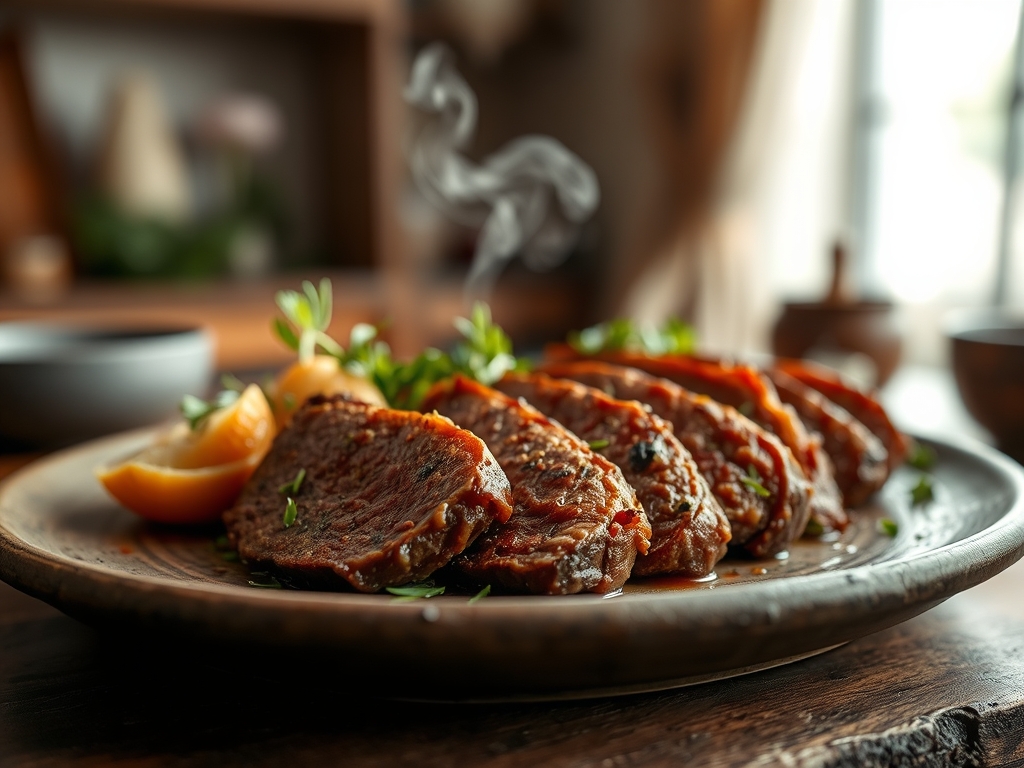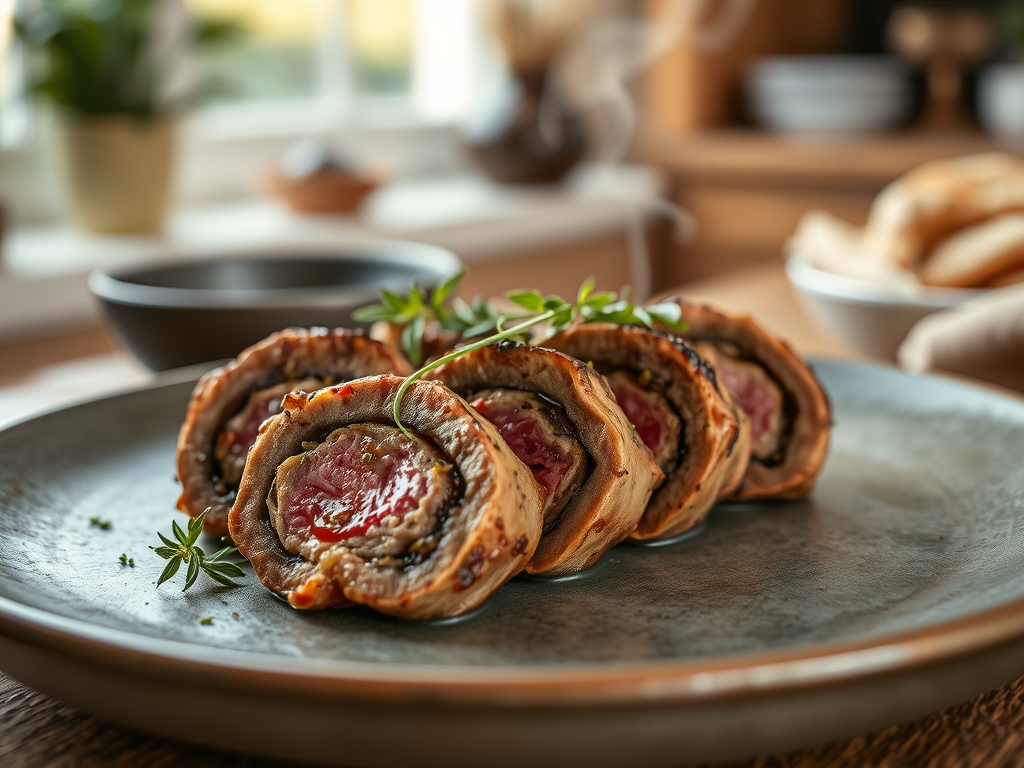
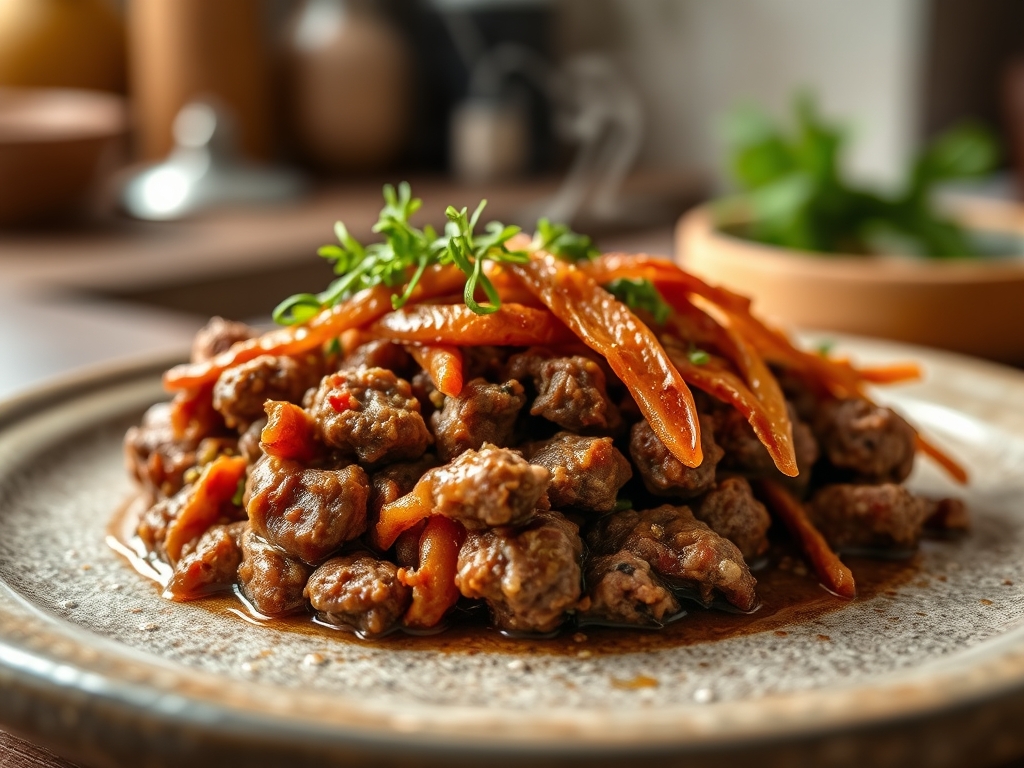
Picture the scent of rendered fat hitting a blistering heavy-bottomed skillet; it is that deep, primal aroma that signals the start of something legendary. When you master the best ever ground beef recipes, you are not just making dinner; you are manipulating amino acids and reducing sugars to create a savory symphony. It is time to elevate this humble protein from a weeknight afterthought to a gourmet centerpiece.
The magic of ground beef lies in its versatility and its unique surface-area-to-volume ratio. Because the meat is finely ground, it offers a massive landscape for the Maillard reaction to occur. This chemical transformation is what gives your burgers, ragus, and tacos that crusty, umami-rich depth. We are moving past the days of gray, boiled-looking meat. We are aiming for high-octane browning and sophisticated flavor profiles that will make your kitchen feel like a high-end bistro. Whether you are craving a piquant Korean beef bowl or a viscous, slow-simmered Bolognese, the secret is in the technique. Grab your favorite apron and a glass of wine; we are about to turn a simple pound of chuck into a culinary masterpiece.
The Gathers:
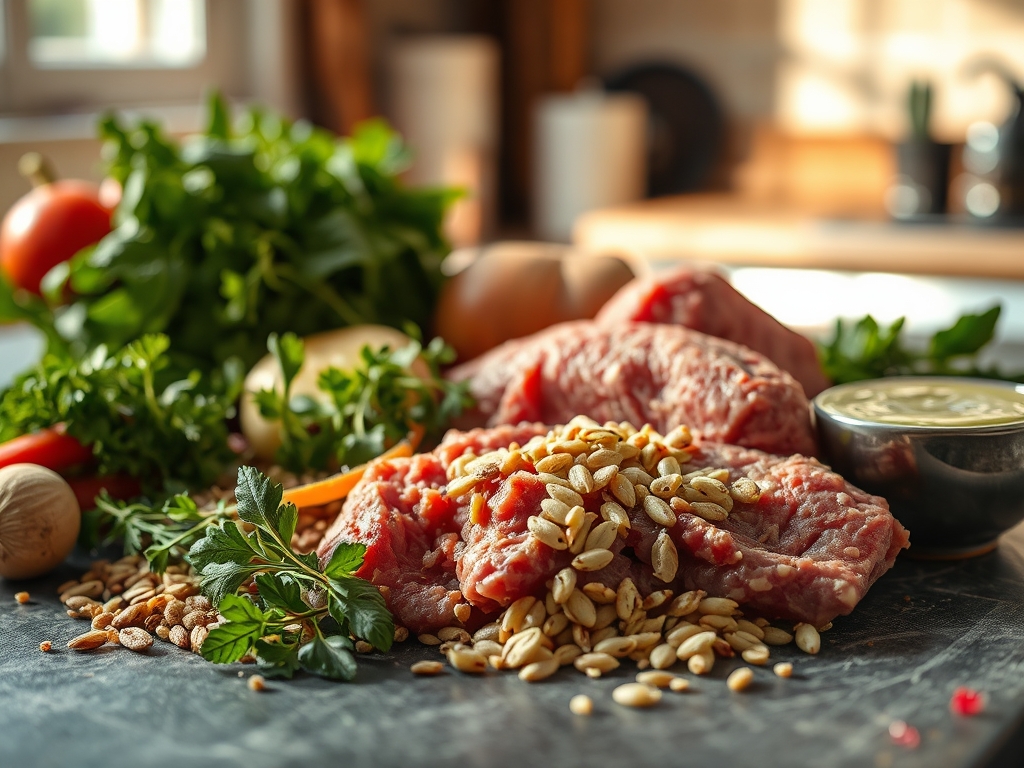
Before we ignite the burners, we must assemble our mise-en-place with precision. Start with high-quality beef; an 80/20 lean-to-fat ratio is the gold standard for moisture and flavor. Use a digital scale to ensure your portions are exact, especially if you are forming patties or meatballs. You will need aromatics: translucent onions, minced garlic, and perhaps some finely grated ginger using a microplane for maximum surface area.
For the liquids, keep a bottle of dry red wine or a rich beef bone broth nearby to deglaze your pan. Acids are non-negotiable; a splash of apple cider vinegar or a squeeze of fresh lime will brighten the heavy fats. Do not forget the binders if the recipe calls for them. Panko breadcrumbs or crushed crackers help aerate the meat, preventing it from becoming a dense, rubbery brick.
Smart Substitutions:
If you are looking to lighten the load, ground turkey or chicken can stand in, but you must add a teaspoon of Worcestershire sauce or mushroom powder to mimic the beefy umami. For a plant-based swap, use lentils or crumbled tempeh, but ensure you increase your fat source (like olive oil) to compensate for the lack of animal tallow.
The Clock:
Efficiency in the kitchen is all about the "Chef's Flow." For most of these best ever ground beef recipes, you are looking at a 15-minute prep window and a 20-to-30-minute cook time. The total investment is under an hour, yet the results taste like a slow-cooked labor of love.
The flow begins with the "Cold Prep": chopping all vegetables and measuring spices before the heat is even on. Once the skillet is hot, the "Active Phase" begins. This is where you focus on searing and deglazing. Finally, the "Resting Phase" is vital. Even ground meat benefit from a five-minute rest to allow the internal juices to redistribute, ensuring every bite is succulent rather than dry.
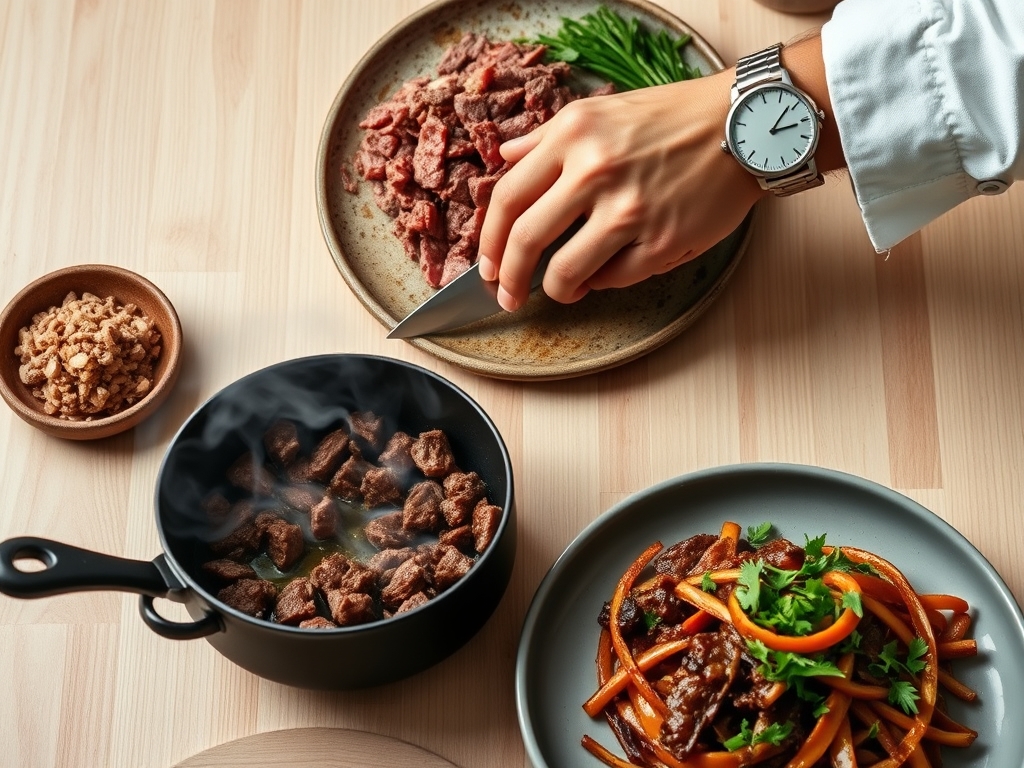
The Masterclass:
1. The High-Heat Sear
Place your heavy-bottomed skillet over medium-high heat until it is wispy with smoke. Add your beef in a single layer, but do not stir it immediately. Let it sit for three minutes to develop a deep brown crust.
Pro Tip: This stage relies on enzymatic browning. Moving the meat too early causes it to steam in its own moisture rather than sear; patience ensures the development of complex flavor compounds that cannot be replicated later.
2. Deglazing the Fond
Once the meat is browned and removed, you will see brown bits stuck to the bottom of the pan. This is called the fond. Pour in a splash of liquid and use a wooden spoon or bench scraper to lift those bits back into the sauce.
Pro Tip: Deglazing creates a viscous emulsion of fats and liquids. Those caramelized proteins contain the highest concentration of umami; incorporating them back into the dish is the difference between a flat flavor and a professional one.
3. Emulsifying the Sauce
If you are making a sauce-based dish, like a stroganoff or chili, add your fats (butter or cream) slowly at the end. Use a whisk to combine the fats with the beef juices until the sauce is glossy and coats the back of a spoon.
Pro Tip: This is the science of lipid suspension. By whisking fat into a water-based liquid, you create a smooth texture that carries flavor across the palate more effectively than a broken, oily sauce.
4. Managing Thermal Carryover
Remove the beef from the heat when it is just a few degrees shy of your target temperature. Use a digital thermometer to be precise; 160 degrees Fahrenheit is the safety standard for ground beef.
Pro Tip: Thermal carryover means the internal temperature will continue to rise by 3 to 5 degrees after the meat is removed from the pan. Pulling it early prevents the proteins from tightening and squeezing out all the moisture.
The Deep Dive:
Macro Nutrition: Ground beef is a powerhouse of bioavailable iron, Vitamin B12, and zinc. A standard 4-ounce serving of 80/20 beef provides roughly 20 grams of protein and 22 grams of fat. It is an excellent anchor for high-protein diets.
Dietary Swaps:
- Keto: Replace traditional buns or pasta with large cabbage leaves or zucchini ribbons. Focus on high-fat additions like avocado or aged cheddar.
- Gluten-Free: Use almond meal or certified GF oats as a binder in meatloaf or meatballs.
- Vegan: Sub with a high-quality pea-protein crumble and use liquid smoke to replicate the charred profile of beef.
The Fix-It:
- Greasy Sauce: If your dish looks oily, use a wide spoon to skim the fat off the top, or toss in a piece of bread to absorb the excess before discarding.
- Tough Meat: This usually happens from over-mixing. Use a light touch and never "pack" the meat tightly; keeping it loose allows heat to penetrate without crushing the muscle fibers.
- Bland Flavor: If it tastes flat, it likely needs acid, not salt. A teaspoon of lemon juice or red wine vinegar will "wake up" the heavy fats.
Meal Prep: To maintain "day-one" quality, reheat ground beef with a tablespoon of water or broth. Cover the dish to create a steam chamber; this prevents the microwave from vibrating the water molecules so fast that the meat turns into leather.
The Wrap-Up:
You are now armed with the technical prowess to turn a simple package of meat into the best ever ground beef recipes your friends have ever tasted. Remember, cooking is as much about physics and chemistry as it is about heart. By respecting the sear, deglazing with intent, and understanding the nuances of thermal carryover, you have graduated from a home cook to a kitchen scientist. Now, go forth and sear with confidence; your dinner table is waiting for its upgrade!
The Kitchen Table:
How do I prevent my ground beef from being gray?
Always pat the meat dry with paper towels and ensure your skillet is preheated to high. Crowding the pan causes the meat to steam; cook in batches to ensure a proper Maillard reaction and a deep brown crust.
What is the best fat ratio for burgers?
An 80/20 ratio is ideal. The 20% fat content provides the necessary lubrication and flavor during the rendering process. Leaner blends often result in a dry, crumbly texture that lacks the signature "mouthfeel" of a great burger.
Can I freeze cooked ground beef dishes?
Yes, cooked beef freezes beautifully for up to three months. Ensure the dish is completely cooled before sealing in an airtight container to prevent ice crystals. Reheat slowly with a splash of liquid to restore the original moisture.
Why do my meatballs fall apart?
This usually indicates a lack of binder or over-handling. Use an egg and breadcrumbs to create a protein matrix that holds the meat together. Chill the formed balls for 30 minutes before cooking to help the fats solidify.