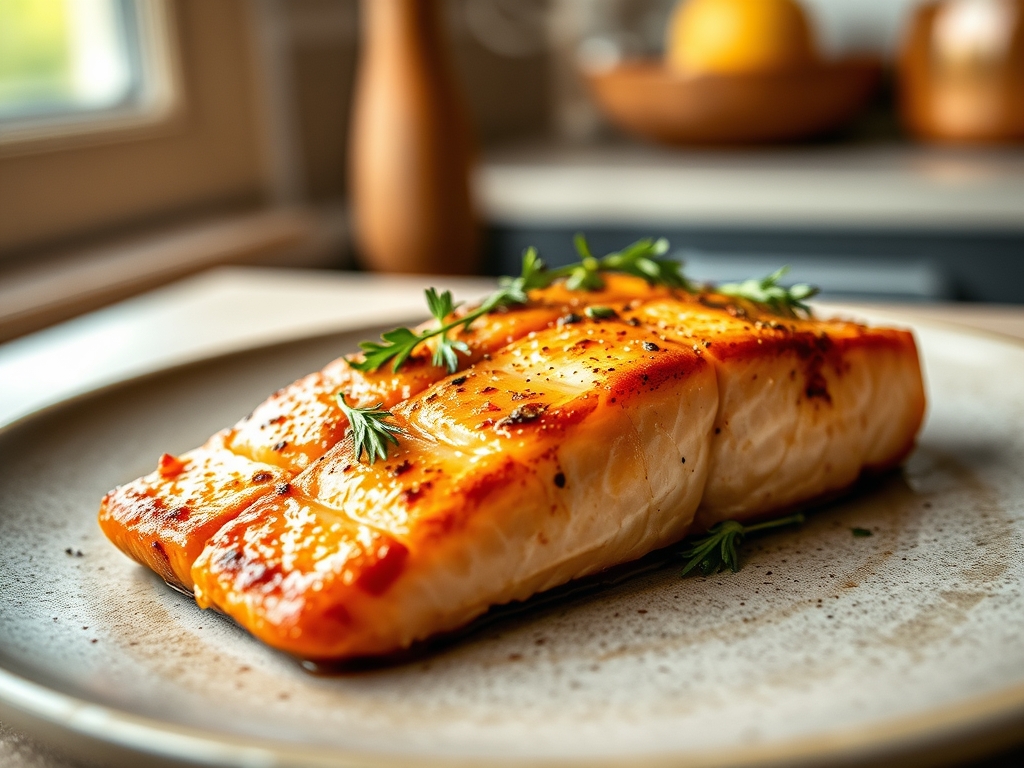
Picture a kitchen flooded with the amber glow of late afternoon; the scent of toasted breadcrumbs and fresh dill begins to swirl through the air. We are diving into the world of betty crocker salmon recipes; a collection that transforms a simple fillet into a centerpiece of comfort. There is something deeply nostalgic about these preparations. They bridge the gap between mid-century reliability and modern culinary precision. Whether it is a golden-crusted croquette or a lemon-butter bake, the goal is always the same: achieving that perfect flake while maintaining a succulent, buttery interior.
Salmon is a fascinating protein because of its high lipid content and delicate muscle structure. Unlike beef, which requires high heat to break down connective tissue, salmon demands a gentle touch to prevent the albumin from leaching out. You know that white stuff that sometimes appears on the surface? That is just protein pushing out because the heat was too high. Today, we are mastering the art of the perfect sear and the gentle poach. We are going to treat these betty crocker salmon recipes with the respect they deserve, using modern techniques to elevate classic flavors. Grab your favorite apron and let's get into the science of the sear.
The Gathers:
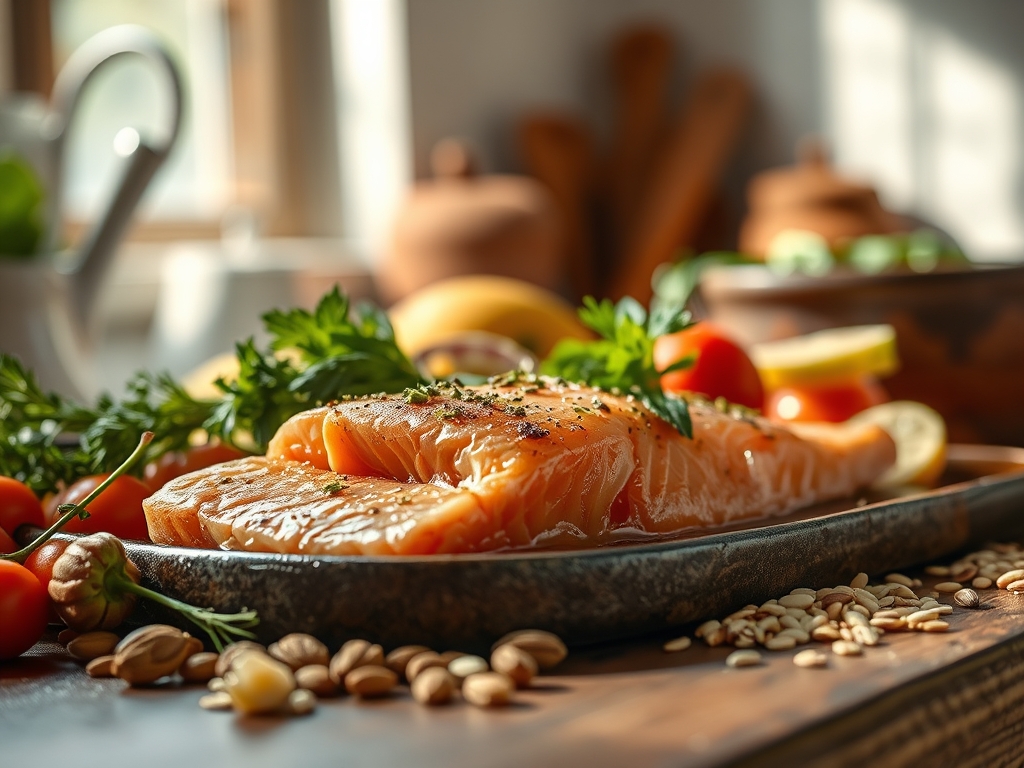
To execute these recipes with professional flair, your mise-en-place must be impeccable. Start with high-quality Atlantic or Sockeye fillets; look for vibrant color and a firm texture that springs back when touched. You will need a microplane for zesting citrus, as the essential oils in the zest provide a piquant punch that juice alone cannot match. Gather your aromatics: fresh dill, flat-leaf parsley, and shallots. Shallots are preferred over onions here because they contain less water and offer a more nuanced, garlicky sweetness when they render in the pan.
For the binders in our croquettes and loaves, we use panko breadcrumbs for their airy structure or crushed buttery crackers for a richer mouthfeel. Do not forget the fats. High-quality unsalted butter allows you to control the salinity, while a neutral oil with a high smoke point, like grapeseed oil, is essential for achieving a Maillard reaction on the skin.
Smart Substitutions:
If you are looking to lighten things up, swap heavy cream for full-fat Greek yogurt to maintain a viscous sauce consistency without the heavy caloric load. For a gluten-free twist, almond flour provides an excellent crust that browns beautifully. If fresh herbs are unavailable, use one-third the amount of dried herbs, but remember to "wake them up" by rubbing them between your palms to release their encapsulated oils.
The Clock
Efficiency in the kitchen is all about the Chef's Flow. For most betty crocker salmon recipes, you are looking at a total time of 30 to 40 minutes. The breakdown is usually 15 minutes of active prep and 15 to 25 minutes of thermal application.
The secret to a stress-free dinner is "front-loading" your labor. Chop your herbs, zest your lemons, and measure your liquids before the salmon ever touches the heat. Salmon cooks rapidly; once it is in the heavy-bottomed skillet, you have a very narrow window before it passes the point of perfection. By having your side dishes nearly finished before you start the protein, you ensure everything hits the table at the optimal temperature.
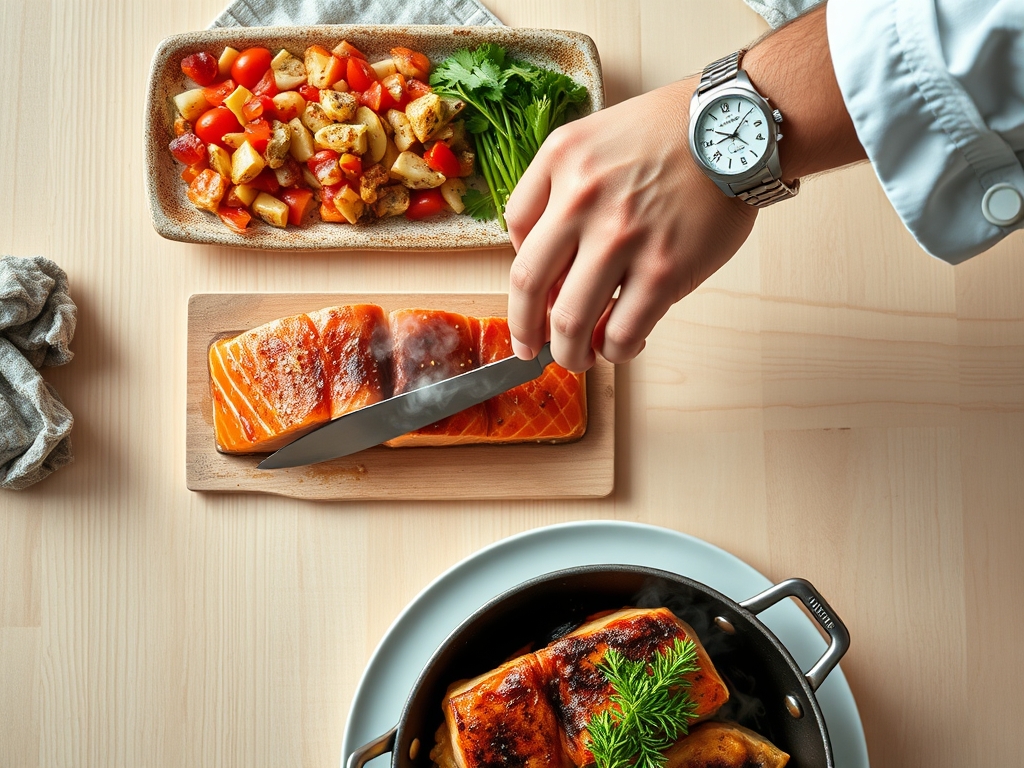
The Masterclass
1. Prep and Temper the Protein
Remove your salmon from the refrigerator at least 15 minutes before cooking. Pat the skin bone-dry with paper towels to remove surface moisture.
Pro Tip: This prevents steaming. If the surface is wet, the energy from the pan goes into evaporating water rather than browning the fish, which is the essence of enzymatic browning.
2. Seasoning and Infusion
Generously season with kosher salt from a height to ensure even distribution. If the recipe calls for a rub, apply it just before cooking.
Pro Tip: Salt acts as a denaturant; it begins to break down the protein structure immediately. Salting too early can draw out moisture and result in a tough, dry exterior.
3. The Sear and Render
Heat your heavy-bottomed skillet over medium-high heat. Add oil and wait for it to shimmer. Place the salmon skin-side down using tongs to avoid splashing.
Pro Tip: Press down gently with a bench scraper or spatula for the first 30 seconds. This prevents the skin from curling and ensures maximum contact for a crisp, glass-like finish.
4. The Butter Baste
When the salmon is 70 percent cooked, add a knob of butter, smashed garlic, and thyme to the pan. Use a large spoon to infuse the hot fat over the fish.
Pro Tip: This technique, known as "arrosage," adds deep flavor and ensures the top of the fillet reaches the correct internal temperature without overcooking the bottom.
5. The Rest and Carryover
Remove the fish from the heat when it reaches an internal temperature of 125 degrees Fahrenheit for medium-rare or 135 degrees for medium.
Pro Tip: Use a digital scale or thermometer to be precise. Thermal carryover will continue to raise the temperature by another 5 degrees while the fish rests, ensuring a succulent result.
The Deep Dive
From a nutritional standpoint, salmon is a powerhouse of Omega-3 fatty acids and high-quality protein. A standard 6-ounce portion provides roughly 34 grams of protein and a significant dose of Vitamin B12. To keep these betty crocker salmon recipes keto-friendly, omit the breadcrumbs and use crushed pork rinds or Parmesan cheese for the crust. For a vegan-style "salmon" experience, marinated carrots or tofu can mimic the texture, though the cooking science changes entirely.
The Fix-It: Common Pitfalls
- The Fish Sticks: Your pan wasn't hot enough. To fix, remove from heat, let the pan cool slightly, and the protein will often release itself as it contracts.
- White Gunk (Albumin): You cooked it too fast or too high. Next time, lower the flame and use the butter-basting method to control the heat.
- Soggy Skin: There was too much moisture. Next time, use the back of a knife to scrape the skin like a squeegee before seasoning.
Meal Prep and Reheating:
Reheating salmon is a delicate operation. Avoid the microwave at all costs; it vibrates water molecules so violently that it toughens the fish. Instead, reheat in a 275-degree oven with a splash of water or broth covered in foil. This creates a gentle steam environment that restores moisture without overcooking.
The Wrap-Up
Mastering betty crocker salmon recipes is about more than just following a card; it is about understanding the relationship between heat, fat, and protein. When you treat a fillet with the right technical care, you transform a simple weeknight meal into a gourmet experience. Use your tools, trust your senses, and don't be afraid to experiment with different aromatics. Now, go forth and create something delicious; your kitchen is waiting!
The Kitchen Table
How do I know when my salmon is perfectly done?
The most reliable method is using a digital thermometer to reach 135 degrees Fahrenheit. Visually, the flesh should be opaque and flake easily with a fork under gentle pressure, showing a moist, translucent center.
Can I use frozen salmon for these recipes?
Yes, but ensure it is completely thawed in the refrigerator overnight. Pat it extremely dry with paper towels before cooking to remove excess moisture, which prevents the skin from becoming crispy during the searing process.
Why does my salmon have white stuff on it?
That is albumin, a harmless protein that solidifies when pushed out of the muscle fibers. It usually appears when the fish is cooked too quickly at a high temperature. Lowering the heat helps minimize this.
What is the best way to store leftovers?
Store cooked salmon in an airtight container in the refrigerator for up to three days. For the best texture, repurpose cold leftovers into a salad or a spread rather than reheating them to avoid drying out the fish.