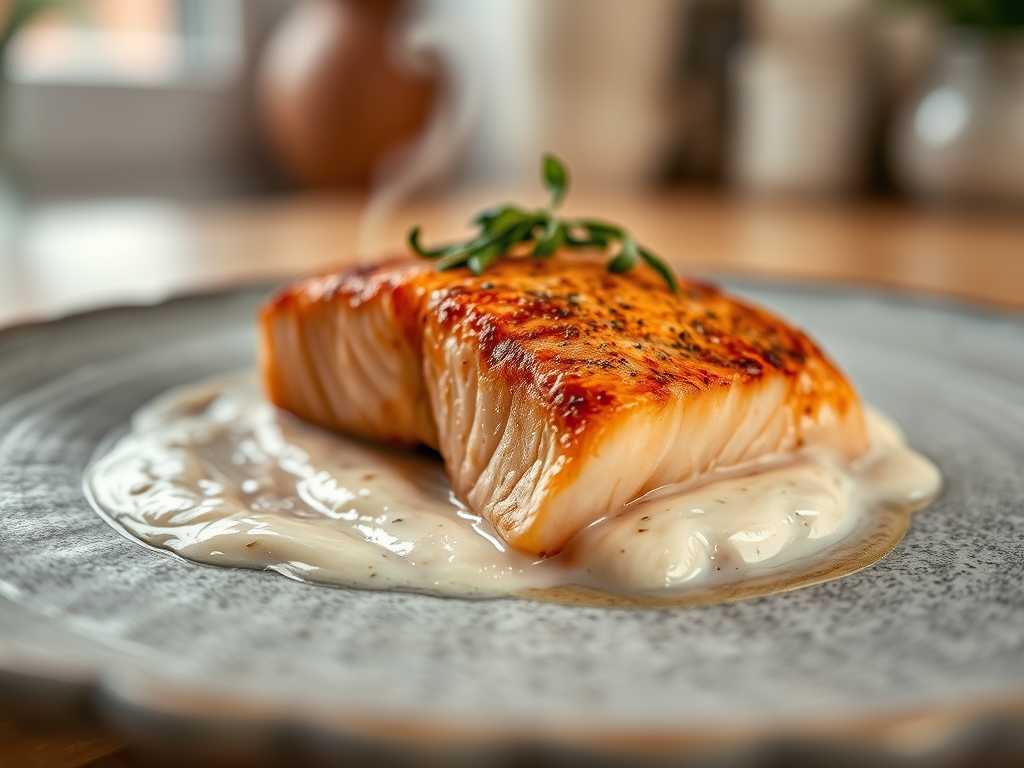
Imagine the sound of a heavy-bottomed stainless steel skillet meeting a high-heat flame; that sharp, rhythmic click of the igniter followed by the steady roar of thermal energy. You are standing in a sun-drenched kitchen, the air thick with the scent of cold-pressed olive oil and crushed garlic. When we talk about salmon recipes italian style, we are not just discussing dinner. We are orchestrating a symphony of Mediterranean aromatics and high-protein elegance. The goal is a fillet with skin so crisp it shatters like glass, protecting a center that remains succulent and translucent. It is the marriage of old-world soul and modern culinary precision. This is the dish that turns a Tuesday night into a Roman holiday. It is sophisticated yet effortless, relying on the quality of your fats and the timing of your sear. We are going to master the art of the emulsion and the science of the sear, ensuring every bite feels like a curated experience from a seaside trattoria.
The Gathers:
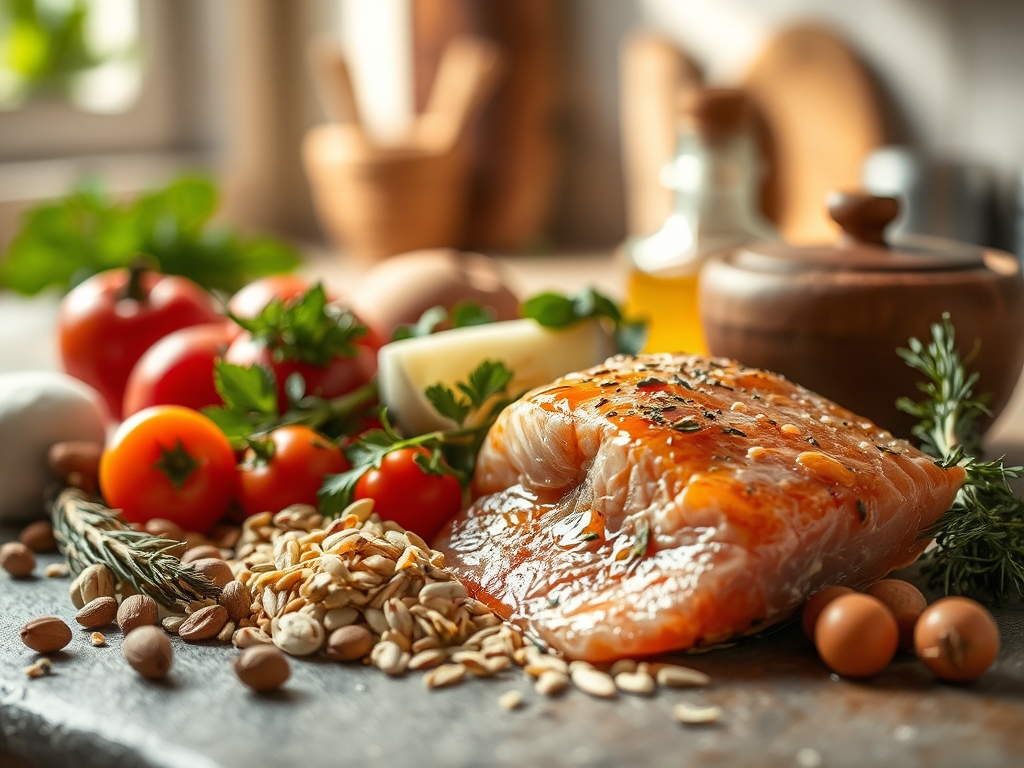
To execute this masterpiece, your mise-en-place must be exact. Start with four six-ounce center-cut salmon fillets. Look for deep pigmentation; this indicates a high concentration of astaxanthin, a powerful antioxidant. You will need 50ml of extra virgin olive oil, which acts as our primary viscous cooking medium. Gather three cloves of garlic, sliced into razor-thin "paper" shards to ensure they infuse the oil without burning.
For the piquant brightness, grab one organic lemon. We will use a microplane to harvest the zest, capturing the essential oils without the bitter white pith. You will also need two tablespoons of nonpareil capers, rinsed and patted dry to prevent splattering in the pan. A handful of fresh flat-leaf parsley and a sprig of rosemary provide the herbal backbone. Finally, keep a high-quality sea salt and freshly cracked black pepper nearby to manage the osmotic pressure of the proteins.
Smart Substitutions: If you cannot find fresh rosemary, a pinch of dried oregano works beautifully to maintain that Mediterranean profile. For those avoiding butter, a high-quality avocado oil can be substituted for the finishing fat, though you will lose the nutty notes of Maillard-driven milk solids. If capers are too salty for your palate, try finely diced green olives for a similar briny hit.
The Clock
Efficiency in the kitchen is about "Chef's Flow," the ability to overlap tasks to minimize downtime.
- Prep Time: 15 minutes. This includes your knife work and bringing the fish to room temperature.
- Cook Time: 10 to 12 minutes. This is a high-intensity window where focus is paramount.
- Rest Time: 3 minutes. Never skip this; it allows for internal temperature stabilization.
The total commitment is under 30 minutes. The flow begins by tempering your salmon. Cold fish hitting a hot pan causes the muscle fibers to contract violently, squeezing out moisture. By letting the fillets sit on the counter for 15 minutes, you ensure an even heat transition. While the fish tempers, you perform your knife work, ensuring your garlic and herbs are ready for their timed entry into the skillet.
The Masterclass
1. The Surface Prep
Dry your salmon fillets aggressively using paper towels. Moisture is the enemy of the sear. Once dry, season liberally with sea salt and cracked pepper.
Pro Tip: This step utilizes hygroscopic principles. Salt draws moisture to the surface; if you cook immediately, that moisture creates steam. If you wait 10 minutes, the salt dissolves and is reabsorbed, seasoning the interior of the fish.
2. The Thermal Foundation
Place your heavy-bottomed skillet over medium-high heat. Add the olive oil and wait for it to shimmer. You are looking for the "point of smoke," where the oil becomes thin and moves like water.
Pro Tip: Using a heavy pan provides thermal mass. When you add the cold fish, a thin pan would drop in temperature, leading to sticking. A heavy pan maintains its heat, ensuring the proteins denature and release from the surface instantly.
3. The Initial Sear
Lay the salmon skin-side down using tongs, laying it away from you to avoid oil splatter. Press down firmly with a fish spatula for 30 seconds to prevent the skin from curling.
Pro Tip: This physical pressure ensures maximum surface contact, facilitating the Maillard reaction. This chemical reaction between amino acids and reducing sugars creates the brown, savory crust that defines professional-grade salmon recipes italian style.
4. The Aromatics Infusion
After four minutes, when the skin is golden and crispy, flip the fillets. Immediately drop in your butter, garlic, rosemary, and capers. The butter will begin to foam as the water content evaporates.
Pro Tip: This is called basting. As the butter foams, use a large spoon to pour the hot, flavored fat over the fish. This speeds up the cooking of the top layers while infusing the meat with the volatile compounds of the herbs.
5. The Deglaze and Finish
Squeeze the lemon juice directly into the pan. The liquid will hiss and bubble, lifting the caramelized bits (the fond) from the bottom of the skillet.
Pro Tip: This is a deglazing technique. The acidity of the lemon balances the fat of the salmon and butter, creating a light, emulsified sauce right in the pan. Remove from heat when the internal temperature hits 125 degrees Fahrenheit.
The Deep Dive
Macro Nutrition: One serving of this Italian-style salmon provides approximately 34g of protein, 22g of healthy fats (mostly monounsaturated and Omega-3s), and zero net carbs. It is a metabolic powerhouse.
Dietary Swaps:
- Keto: This recipe is naturally keto-compliant. Increase the butter for higher fat macros.
- Vegan: Swap the salmon for "steaks" of cauliflower or extra-firm tofu, using vegan butter and seaweed flakes for a marine-inspired salinity.
- Gluten-Free: This dish is inherently gluten-free, provided your capers are not packed in a grain-based vinegar.
The Fix-It:
- The Skin is Soggy: You likely moved the fish too early or the pan wasn't hot enough. Next time, wait for the fish to "self-release."
- The Garlic is Bitter: You added it too early. Garlic burns in under 60 seconds at high heat. Always add it during the final basting phase.
- The Fish is Dry: You overshot the internal temperature. Remember thermal carryover; the fish will continue to rise 5 degrees after you remove it from the pan.
Meal Prep: To reheat without turning your salmon into rubber, avoid the microwave. Use a low-heat oven (275 degrees) with a splash of water and a foil cover to create a gentle steam environment. This preserves the delicate protein structure.
The Wrap-Up
Mastering salmon recipes italian style is about more than just following a list of steps; it is about understanding the physics of the pan and the chemistry of the ingredients. When you hear that sizzle and smell the garlic hitting the hot oil, you are participating in a culinary tradition that prizes simplicity and quality above all else. This dish is vibrant, healthy, and undeniably sexy. It proves that you do not need a hundred ingredients to create a world-class meal; you just need the right technique and a little bit of confidence. Now, pour yourself a glass of crisp Vermentino and enjoy the fruits of your scientific labor.
The Kitchen Table
How do I prevent salmon from sticking to the pan?
Ensure the pan and oil are shimmering hot before adding the fish. Pat the skin completely dry. Once the salmon hits the heat, do not touch it for at least three minutes; it will release naturally once the crust forms.
What is the white stuff oozing out of my salmon?
That is albumin, a liquid protein that solidifies when heated. While harmless, it usually indicates the fish is cooking too fast or is overdone. To minimize it, cook the salmon gently and avoid aggressive over-heating of the flesh.
Can I use frozen salmon for this recipe?
Yes, but it must be fully thawed and patted dry. Frozen fish often retains more cellular moisture, so you may need to sear it slightly longer to achieve the same level of skin crispness as fresh fillets.
What are the best side dishes for Italian salmon?
Keep it classic with garlicky sautéed broccolini, a crisp arugula salad with shaved parmesan, or a light lemon risotto. The acidity in the sides will help cut through the rich Omega-3 fats of the salmon.
How do I know when the salmon is perfectly cooked?
Use a digital thermometer to pull the fish at 125 degrees Fahrenheit for medium-rare. If you do not have one, the flesh should flake easily with a fork but still look slightly translucent in the very center.