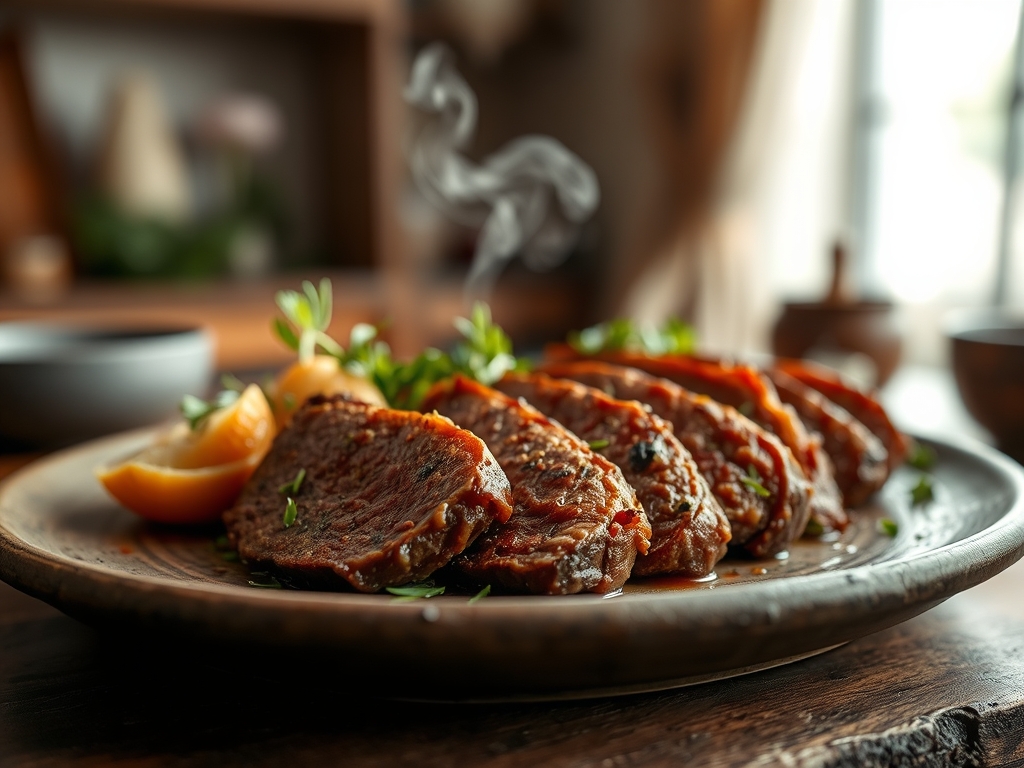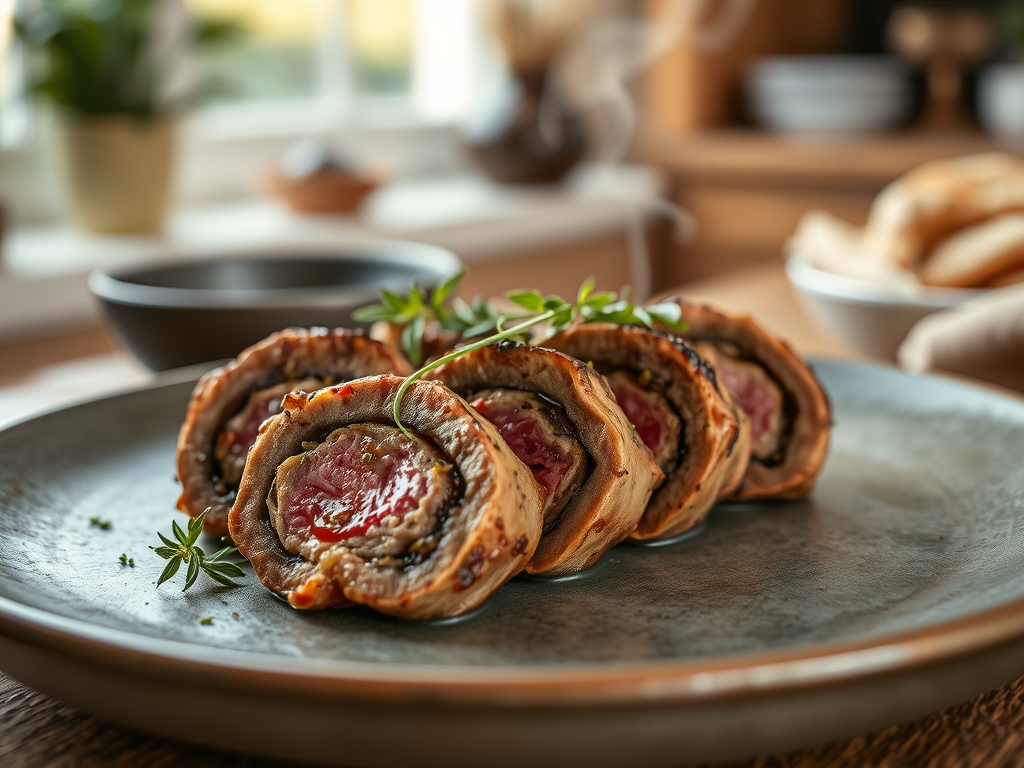
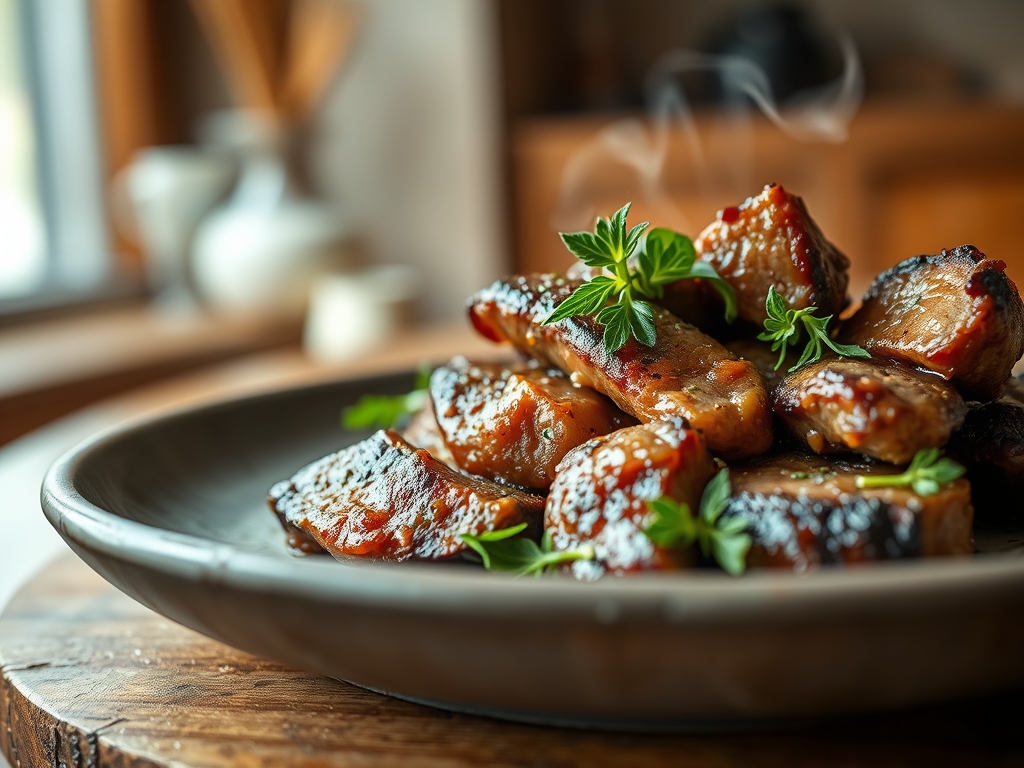
Imagine the scent of rosemary and garlic blooming in a hot pan as the outer crust of a prime cut begins to sizzle. That golden, savory aroma is not just luck; it is chemistry in action. When you master healthy roast beef recipes, you transform a simple Sunday tradition into a high-protein powerhouse that fuels your body without the heavy, saturated fats of yesterday. We are talking about succulent, ruby-red centers and a crust so flavorful it defies its low-calorie profile. This is not about deprivation. It is about using thermal precision and smart seasoning to elevate a lean cut into something truly decadent. Grab your apron and your favorite heavy-bottomed skillet because we are about to redefine what a "healthy" dinner looks like. We are stripping away the excess oil and replacing it with technique, acidity, and the perfect sear to ensure every slice is a masterpiece of texture and taste.
The Gathers:
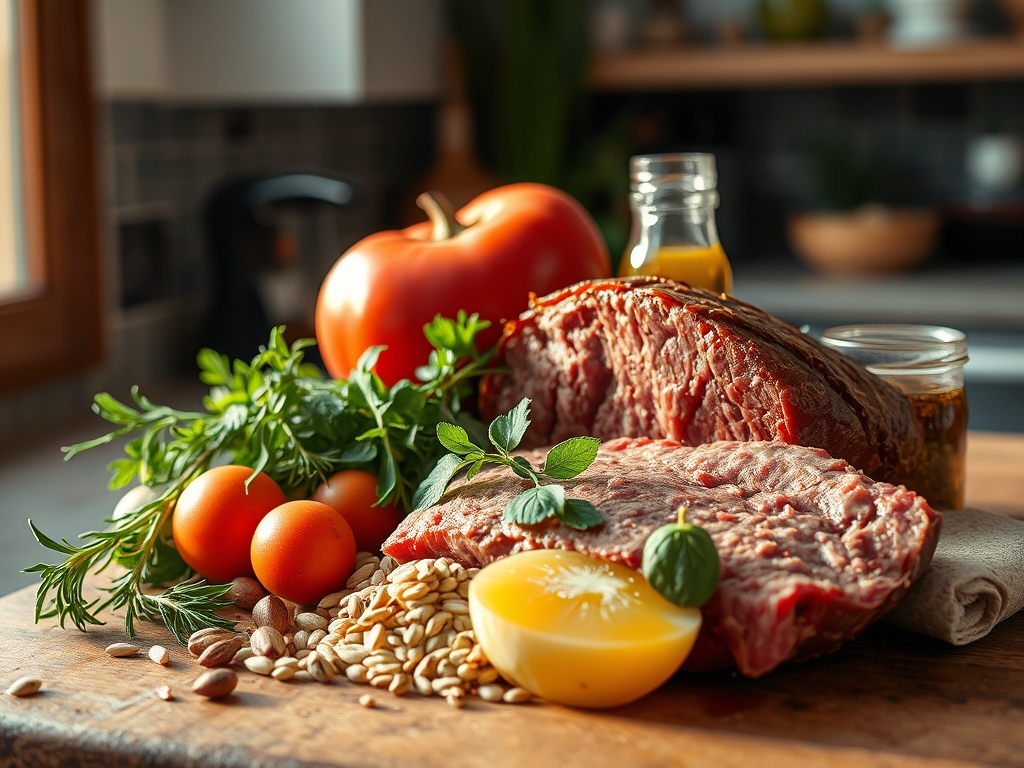
To execute these healthy roast beef recipes with surgical precision, your mise-en-place must be impeccable. Start with a lean cut like Eye of Round or Top Sirloin. These cuts are naturally lower in intramuscular fat but can become tough if mishandled. You will need a high-quality digital scale to ensure your portioning is exact. For the flavor profile, gather fresh sprigs of thyme and rosemary; these contain volatile oils that infuse the meat during the roasting process.
Use a microplane to zest fresh lemon and grate garlic into a fine paste. This increases the surface area of your aromatics, allowing for a more intense flavor distribution. Instead of heavy butter, reach for high-smoke-point avocado oil or a light coating of Dijon mustard. The mustard acts as a binder for your dry rub while adding a piquant kick without the caloric density of fats. Finally, ensure you have coarse kosher salt and cracked black pepper. The large grains of kosher salt are essential for drawing out moisture to create that coveted crust.
The Clock
The "Chef's Flow" is all about managing your timeline so the meat has adequate time to reach room temperature before hitting the heat. Plan for about 20 minutes of active prep time. This includes trimming any silver skin with a sharp boning knife and applying your dry rub.
The roasting time depends entirely on the weight and desired doneness, but generally, you should budget 20 minutes per pound at a moderate temperature. However, the most critical part of the clock is the resting phase. You must allow the beef to rest for at least 15 to 20 minutes after it leaves the oven. This allows the muscle fibers to relax and reabsorb the internal juices, ensuring the liquid stays in the meat rather than spilling across your cutting board.
The Masterclass
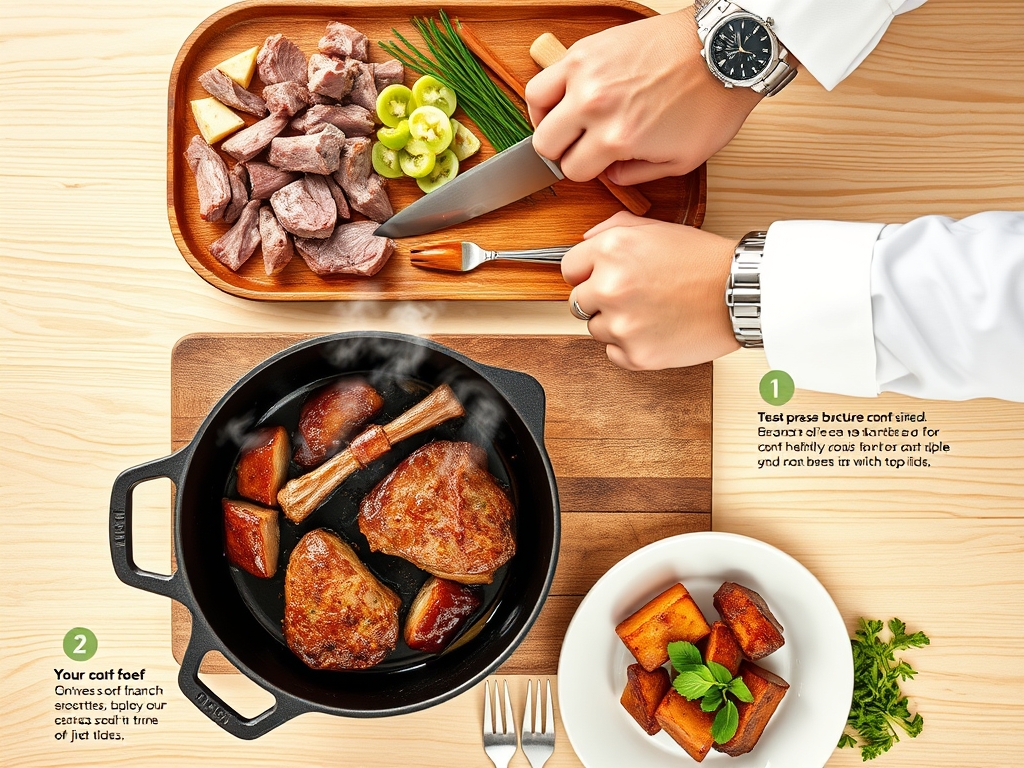
1. The Tempering Technique
Take your beef out of the refrigerator 60 minutes before cooking. Use a paper towel to pat the surface bone-dry. Moisture is the enemy of a good sear; if the surface is wet, the meat will steam rather than brown.
Pro Tip: This is known as thermal equilibrium. Reducing the temperature differential between the meat and the oven ensures the exterior does not overcook before the center reaches the target temperature.
2. The Maillard Sear
Heat your heavy-bottomed skillet over medium-high heat. Add a teaspoon of oil and sear the beef on all sides using tongs to rotate. You are looking for a deep, mahogany crust.
Pro Tip: This is the Maillard Reaction, a chemical reaction between amino acids and reducing sugars. It creates hundreds of different flavor compounds that give roasted meat its distinctive, savory "umami" profile.
3. The Low and Slow Roast
Transfer the beef to a roasting rack set inside a shallow pan. This allows hot air to circulate 360 degrees around the meat, ensuring an even cook. Slide a probe thermometer into the thickest part of the roast.
Pro Tip: Using a rack prevents the bottom of the roast from boiling in its own juices, which preserves the integrity of the crust you worked so hard to build.
4. The Deglaze
While the meat roasts, take that same skillet and deglaze it with a splash of beef stock or red wine. Use a whisk to scrape up the browned bits (the fond) from the bottom of the pan.
Pro Tip: The fond contains concentrated flavor molecules. By adding a liquid, you create a viscous jus that provides intense flavor for very few calories compared to a traditional flour-based gravy.
5. The Carryover Rest
Once the internal temperature hits 125 degrees Fahrenheit for medium-rare, remove it from the heat. Place it on a warm platter and tent it loosely with foil.
Pro Tip: This accounts for thermal carryover. The internal temperature will continue to rise by 5 to 10 degrees after removal. If you wait until it hits 135 in the oven, it will be overdone by the time you slice it.
The Deep Dive
When we look at the macro nutrition of healthy roast beef recipes, we see a profile dominated by high-quality protein and essential minerals like zinc and B12. A standard 4-ounce serving of lean roast beef provides roughly 30 grams of protein with less than 10 grams of fat.
Dietary Swaps: For those on a Keto path, you can increase the healthy fats by serving with a side of avocado-based chimichurri. For a Gluten-Free version, ensure your beef stock for the jus is certified GF. If you are hosting a Vegan friend, try the same spice rub and "low and slow" technique on a whole roasted cauliflower head; it won't be beef, but the flavor profile will be remarkably similar.
The Fix-It:
- Tough Texture: If the meat is chewy, you likely sliced it with the grain. Always slice against the grain to shorten the muscle fibers.
- Grey Exterior: This happens if the pan wasn't hot enough. Next time, wait for the oil to shimmer before adding the meat.
- Dry Meat: You skipped the rest. If you cut it too early, the juices escape. Use a bench scraper to collect any lost juice and pour it back over the meat.
Meal Prep: To reheat without losing quality, slice the beef while cold. Place the slices in a saucier with a tablespoon of broth and heat gently over low flame just until warm. This prevents the proteins from tightening up and becoming rubbery.
The Wrap-Up
Mastering healthy roast beef recipes is a total game changer for your weekly meal rotation. It is the ultimate "set it and forget it" luxury meal that yields incredible leftovers for salads, wraps, or high-protein snacks. By focusing on the science of the sear and the patience of the rest, you are not just cooking; you are engineering a culinary experience. Remember, the best tools in your kitchen are your thermometer and your patience. Now, go forth and roast with confidence!
The Kitchen Table
What is the best lean cut for healthy roast beef?
The Eye of Round is the leanest choice. It is economical and high in protein. Because it lacks fat, you must cook it to medium-rare and slice it very thin to ensure it remains tender and easy to chew.
How do I get a crust without using much oil?
Use a dry brine. Salt the meat 24 hours in advance and leave it uncovered in the fridge. This dries out the surface skin, allowing for a perfect Maillard reaction sear using only a tiny amount of oil.
Is roast beef actually healthy for weight loss?
Yes. Lean roast beef is incredibly nutrient-dense. It provides high satiety levels due to the protein content, which helps regulate hunger hormones. Just be mindful of portion sizes and avoid heavy, flour-based gravies or buttery sides.
Can I cook roast beef in a slow cooker?
You can, but you will lose the crust. To keep it healthy, sear the meat in a skillet first to develop flavor. Then, use the slow cooker on the "low" setting to prevent the lean proteins from becoming tough.